

Two Schoolyard Assaults Reported in a Single Day: the Police Promised Measures, the Education System Said Nothing
19.09.2026


19.09.2026
19.09.2026
19.09.2026

19.09.2026
19.09.2026
19.09.2026
19.09.2026
18.09.2026
17.09.2026
19.09.2026
19.09.2026
18.09.2026
19.09.2026
19.09.2026
19.09.2026
19.09.2026
18.09.2026
17.09.2026
19.09.2026
19.09.2026
19.09.2026
19.09.2026

19.09.2026
18.09.2026

09.03.2026

27.02.2026

19.02.2026
19.09.2026
18.09.2026
17.09.2026

23.04.2026

23.04.2026

12.04.2026

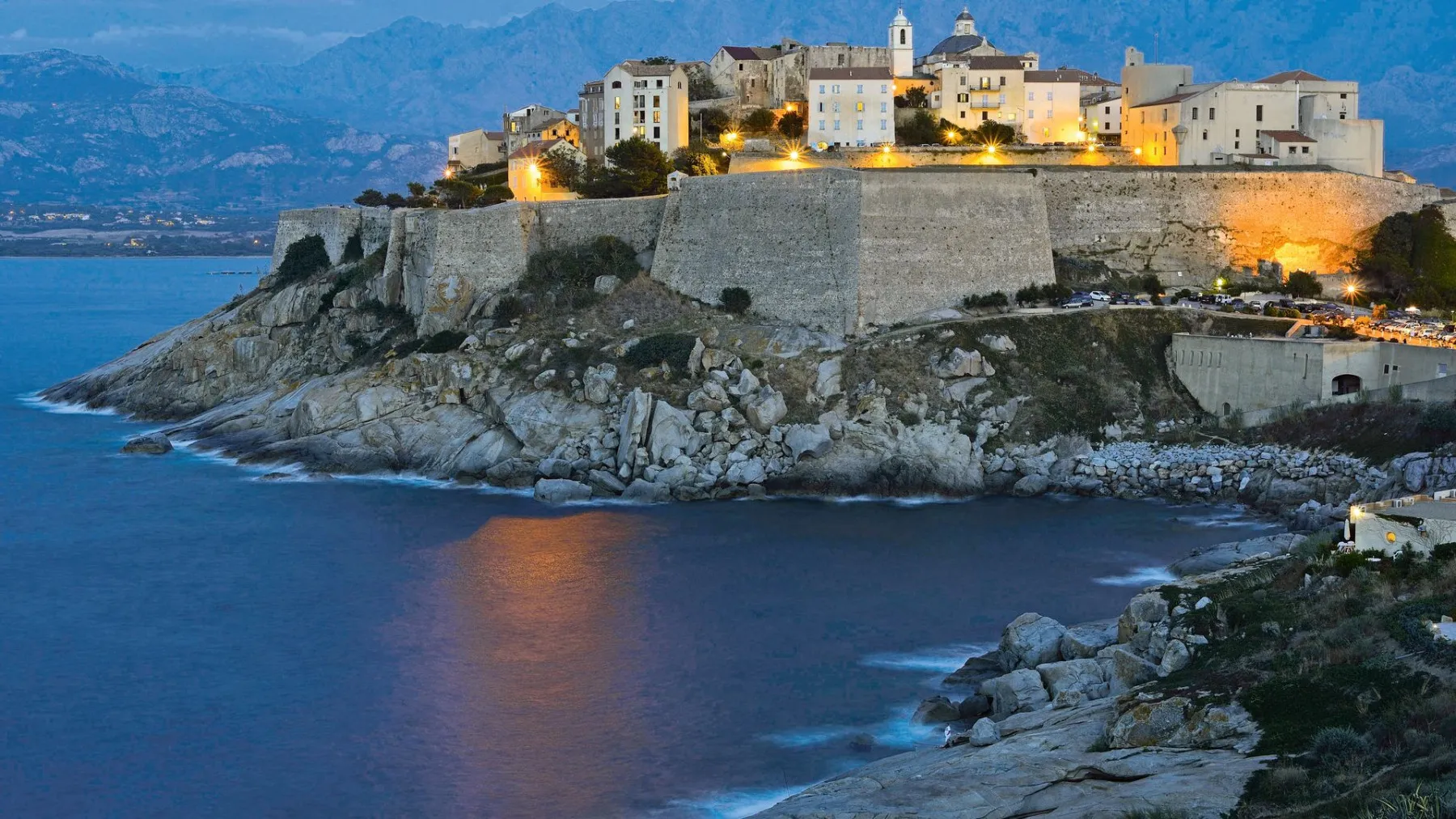
There's an island in the Mediterranean the French call "the island of beauty," and it's best described as a mountain sunk into the water. Corsica is French territory with a heart that beats in Italian - with its own language closer to Italian than French - and roads that are nearly impossible, but unforgettable for exactly that reason. This isn't a destination for those in a hurry.
The journey usually begins in Bastia, with its old harbour ringed by fishermen's cottages and historic palaces. From there the Cap Corse peninsula climbs - dramatic cliffs, crystal-clear coves and old watchtowers - alongside the Agriates desert with its sweeping meadows and rocky ridges. Further on come Saint-Florent with a 15th-century historic core and L'Île-Rousse with a Roman-style market, ideal for local produce.
The interior and the west hide the biggest surprises. Calvi rises with a 13th-century citadel above the sea, aristocratic in character. Ajaccio, Napoleon's birthplace, offers a museum with an important collection of Italian art, hipster cafés and galleries. And the reddish archipelago of the Sanguinaires Islands, built of porphyry rock, is one of those sights that stays in memory.
In the south the sea takes on "impossible" shades of blue in coves like Roccapina and Saint-Jean, and the Bonifacio fortress, founded back in 828, hangs from 70-metre ramparts above the waves, with views all the way to Sardinia. Porto-Vecchio, meanwhile, is the island's luxury face - a harbour full of yachts and Corsican glamour in its purest form.
But the true soul of Corsica is in its crafts. In villages like Pigna and Levie, masters still work - makers of traditional musical instruments, potters with forty years of experience, knife-makers who treat goat horn in olive oil. Through the Restonica Valley the road winds between rocky walls and a roaring river, while the peak of Monte Cinto rises to nearly 2,000 metres, with slopes that drop almost vertically to the sea.
Corsica is small - about 50 kilometres east to west, 185 north to south - but on that modest surface it gathers more variety than many far larger countries. Maybe that's exactly the point: some places aren't measured in kilometres, but in how much time is worth spending on them without rushing.
The latest 10 news from this category
Every airport on the planet copies that model, and almost nobody knows where it started. Around it - cliffs 214...
The royal couple walked yesterday into a pub the village bought back for itself. How many buildings like that sit...

Of twenty-five new inscriptions, five are natural - and only one is in Europe. For the richest of them, the...
Fifty beaches, more than 120 villages and a trail France voted its favourite. Monet came for a few days and...
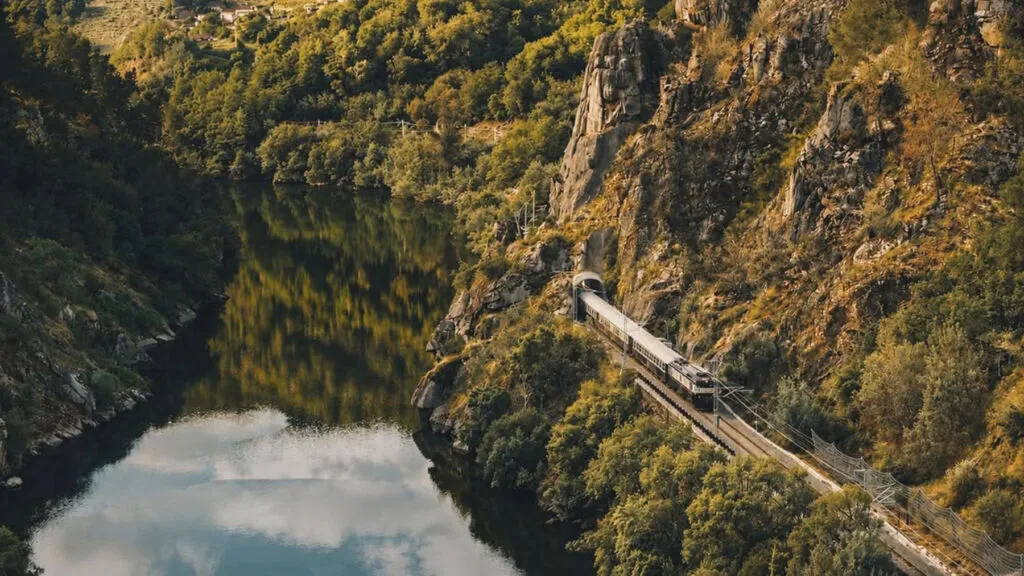
Restored carriages, a locomotive they call the Japanese Woman and a 28.95 euro return ticket. What it sells is not...
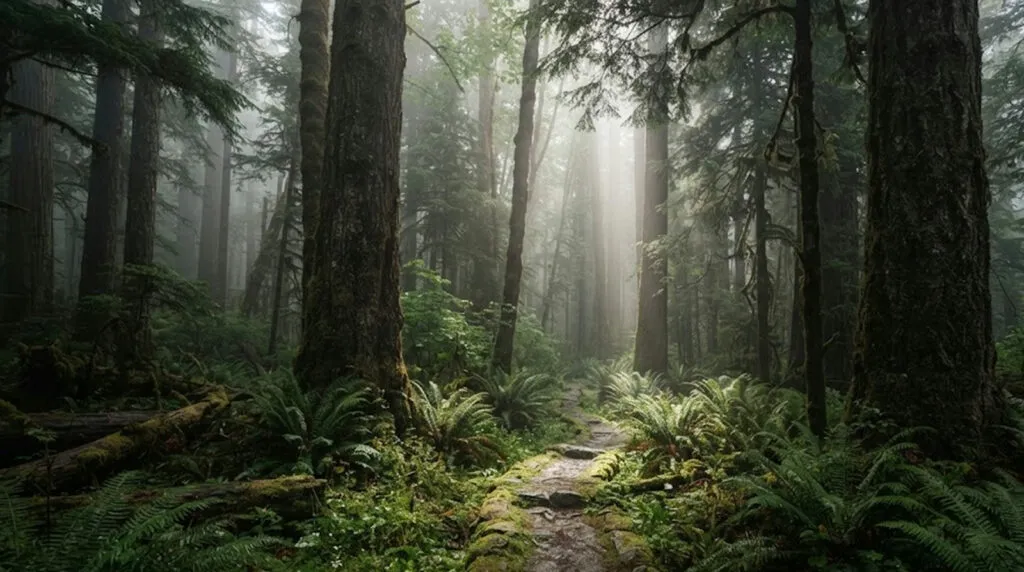
Two hundred and fifty tree species from every corner of the world, a monastery from 1628 and a palace that...
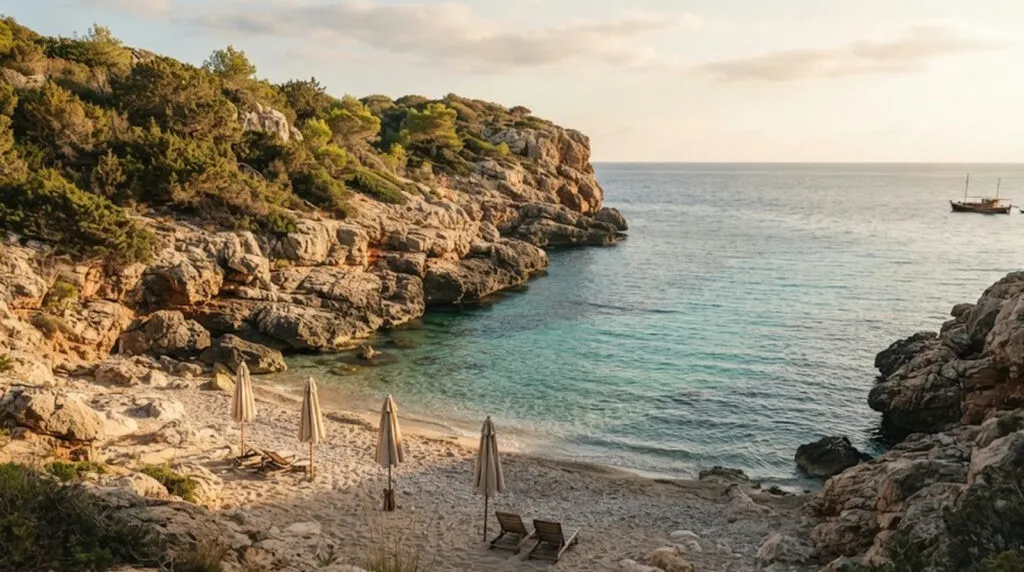
The same places cost more in August, look crowded and are experienced at half strength. The difference is made by...
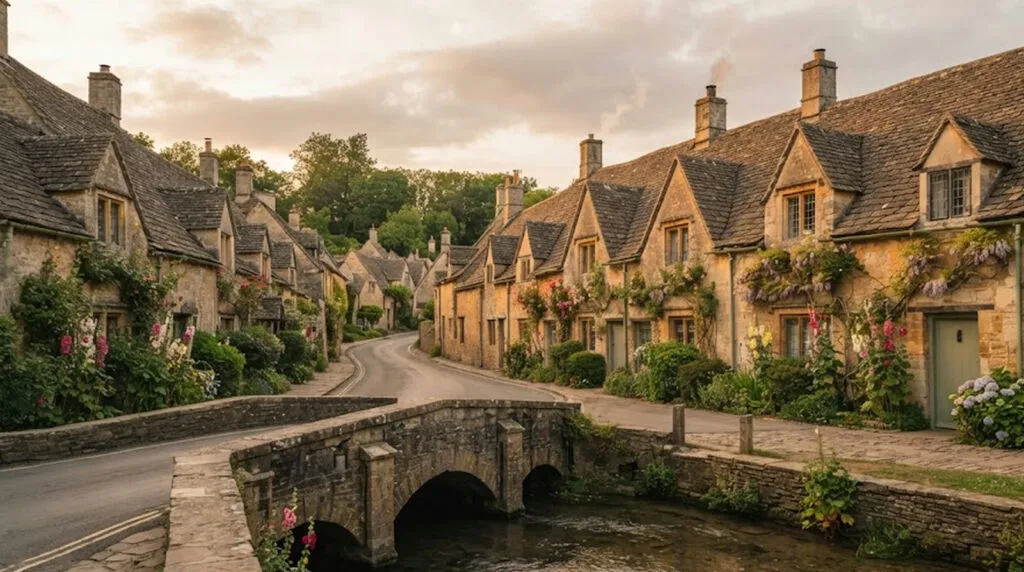
The Beckhams have a place there, so do Kate Moss and Ellen DeGeneres. But the Cotswolds needs none of those...

Down on the coast the buses pass each other with centimetres to spare and all you see is people. Up...
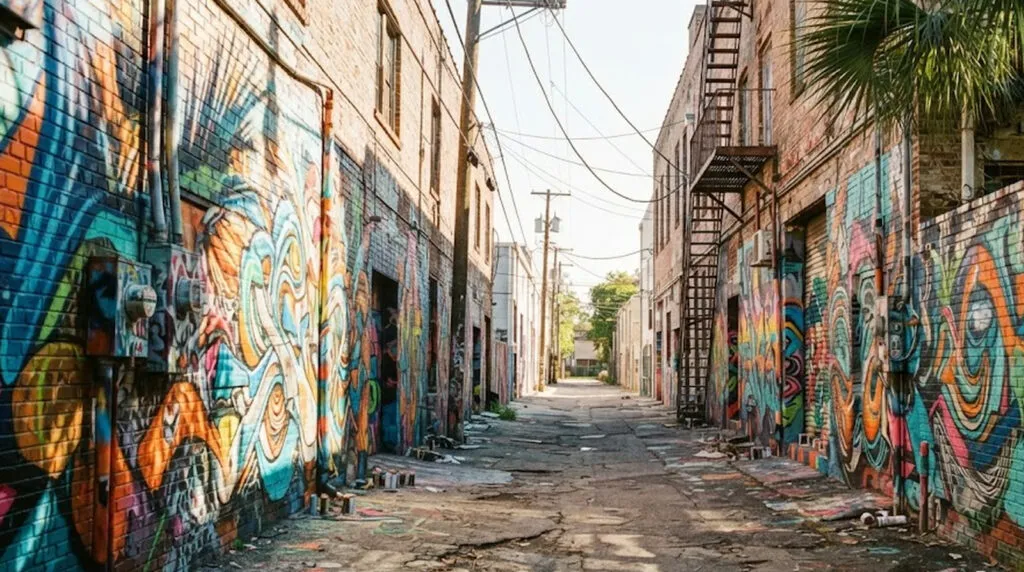
Empty warehouses, low rents and one real estate developer. A model we know without flying to Florida.
This site uses cookies - is that okay? Learn more
Be the first to know when Metla launches something new
Leave your email and we will write when there is a new guide or something new on Metla.
