Судење за „Лотарија“: 231 доказ, а досега ниту една порака меѓу Груби и Бајрами
24.09.2026



24.09.2026

24.09.2026

24.09.2026

24.09.2026

23.09.2026

22.09.2026

24.09.2026

24.09.2026
23.09.2026

24.09.2026

24.09.2026

24.09.2026
24.09.2026
23.09.2026

22.09.2026

24.09.2026

24.09.2026

24.09.2026

24.09.2026

23.09.2026
23.09.2026

09.03.2026

27.02.2026

19.02.2026
23.09.2026

22.09.2026
21.09.2026

23.04.2026

23.04.2026

12.04.2026

Renovating the kitchen is one of those decisions you make once a decade, so it's worth doing right. The 2026 trends aren't about flashy details that quickly grow old, but about function, warmth and materials that last. Here's what designers are recommending this summer - and why.
It all starts with an honest look at your own habits. Every kitchen tells a different story, so before any decision it's worth asking how often you really cook, whether you cook daily or just on weekends, and whether the kitchen is also a place to socialise. The design should adapt to your routine, not the other way around.
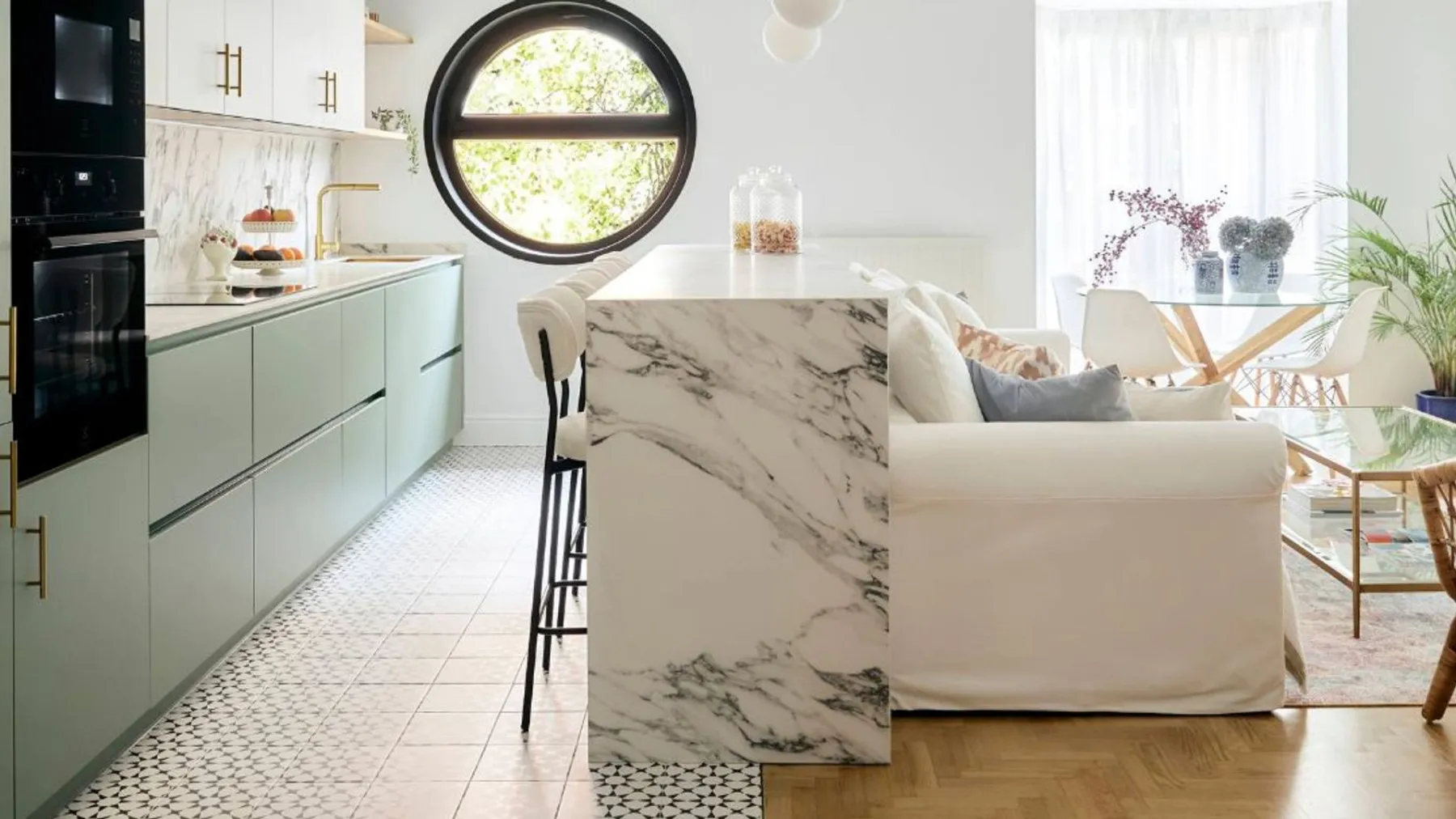
The open-plan concept - the kitchen merged with the dining and living room - stays popular for the light and the flow. But there's a condition: if you cook often, you need a strong extraction system. Here the island or peninsula becomes the absolute protagonist, especially when it serves as a divider between zones. A tip worth keeping: contrasting floor materials - wood in the social area, porcelain in the working area - both define the zones visually and hold up better.
Technology helps before a single wall goes up. 3D visualisation tools let you see the layout, materials and colours before you build, while planning power outlets and lighting to avoid later alterations. Meanwhile, the old "work triangle" logic (cook-sink-store) is slowly giving way to a layout of five to seven functional zones - separate modules for small appliances, for sorting waste, for a quick meal.
For small kitchens, optimisation is key. Pull-out worktops, rotating mechanisms for reaching corners, cabinets up to the ceiling with recessed fronts and compact traps under the sink that free up space for recycling - all of it creates usable surface where there seems to be none. And ergonomics isn't a luxury: the worktop should sit 10 to 15 centimetres below the elbow of whoever cooks most, to prevent back pain from standing for long.
When it comes to materials, the trend leans toward durability with style. Recommended are ultra-thin surfaces of sintered stone or porcelain, 12 to 20 millimetres thick, with a marble effect or pronounced veining. They withstand daily contact with food, moisture, heat and frequent cleaning, without losing their looks.
Lighting is no longer a single bulb in the middle of the ceiling. The modern approach uses three layers: general ambient lighting, directed light over the worktops, sink and hob, and atmospheric light that links the kitchen to neighbouring rooms. As for colours, white gives way to warm tones - cream, sand, baked, earthy shades, muted green and clay. The key, designers say, is a coherent palette and no more than three different materials.
Finally, technology hides rather than shows itself off. Invisible induction plates built under the worktop, integrated appliances, connected devices and AI ovens - all with the emphasis on flawless aesthetics rather than visible "smart" features. The point of all these trends is the same: the kitchen in 2026 is less about impressing and more about living. And that's a change worth making.
The latest 10 news from this category
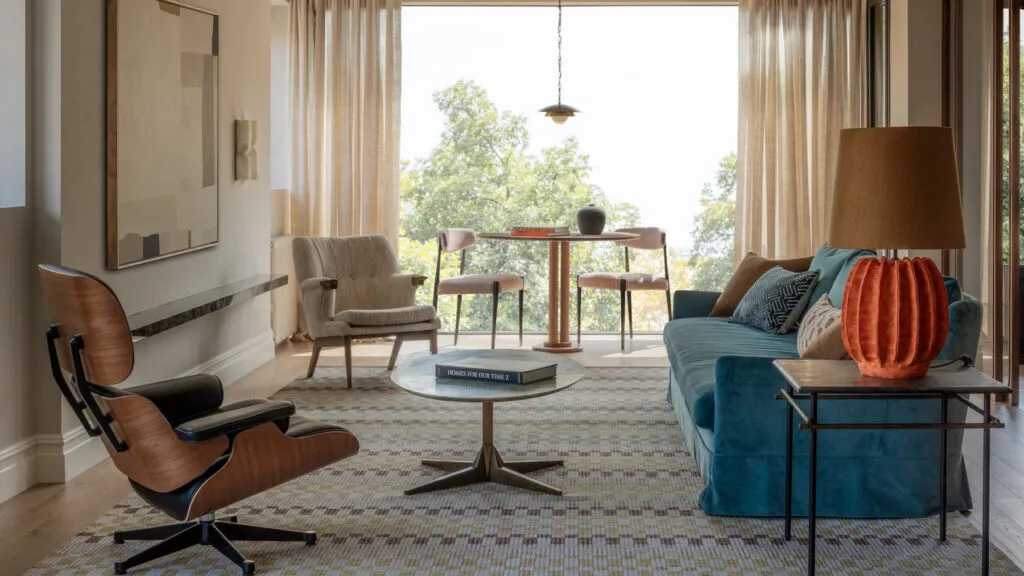
Луксузот не е во разметливоста туку во деталот, вели архитектот. Затоа најдобрата светлина во овој стан ја доби кујната, а...
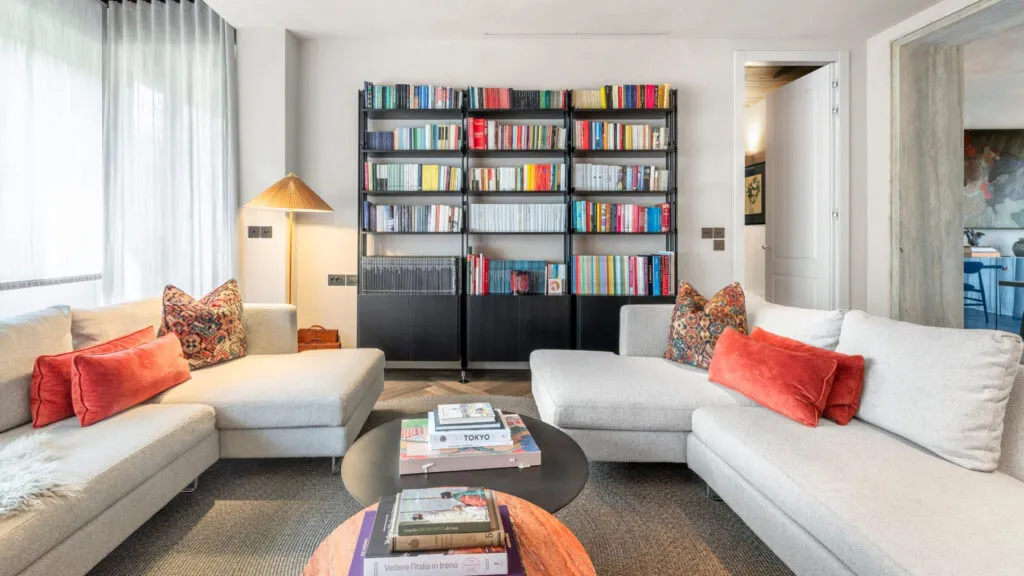
The exposed brick and ribbon windows stayed, and the entire palette came out of a single painting above the sideboard....

An Eames lounge chair from 1956, a Fratini shelving unit and a concave cobalt mirror that reflects the room curved....
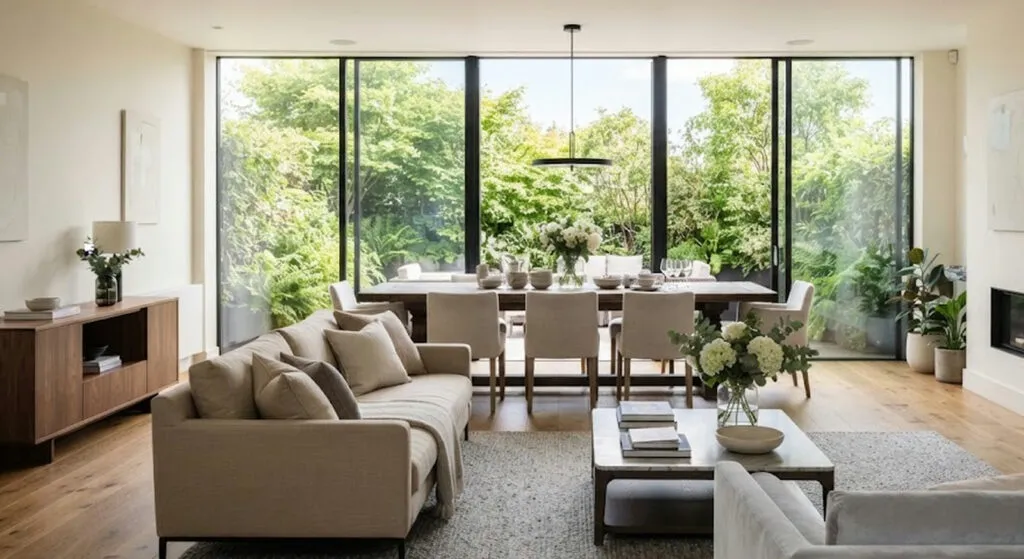
Four bedrooms, four bathrooms and one rug that keeps the dining area separate without a wall. Three things in this...

She did not decorate a house - she built a world. And behind all that fantasy there is no inheritance,...
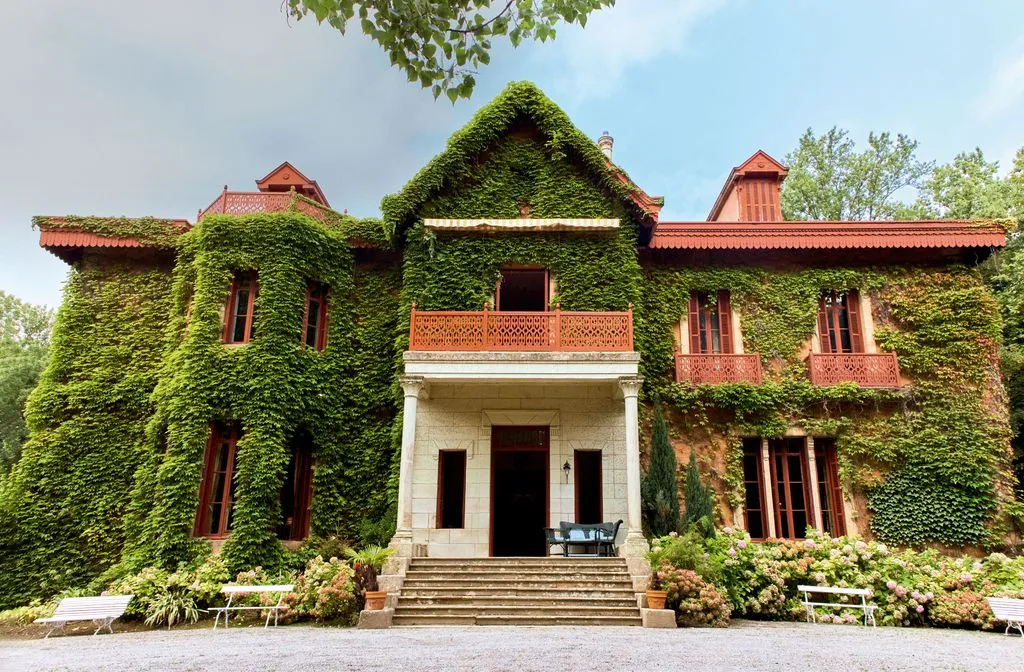
The stairwell has been turned into a gallery, and in the bedroom there is not a single attempt at an...

In the vast majority of flats the ceiling stays white because that is how it was found - not because...
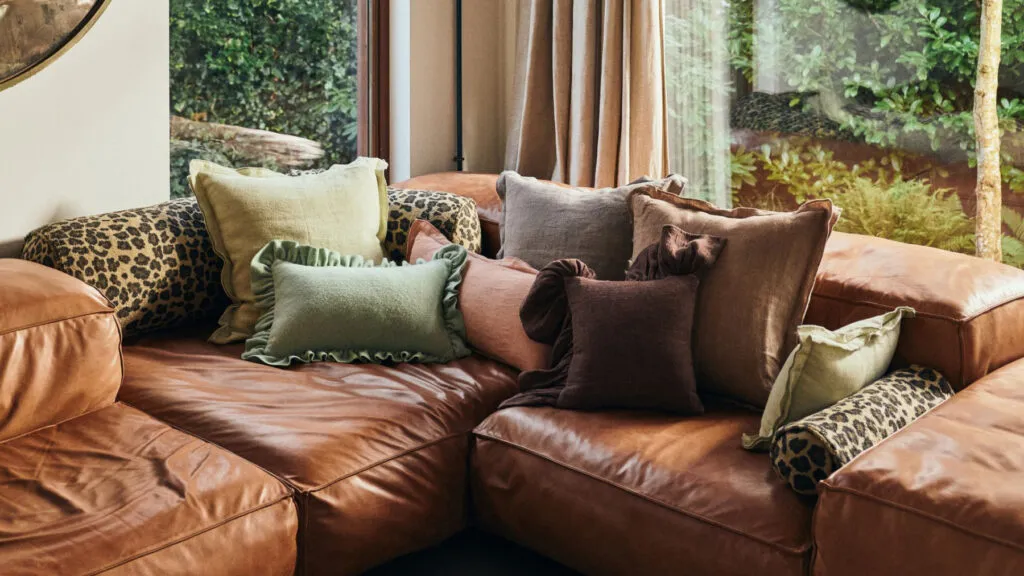
It is not hoarding and it is not maximalism. Ten things that used to be hidden when guests came and...
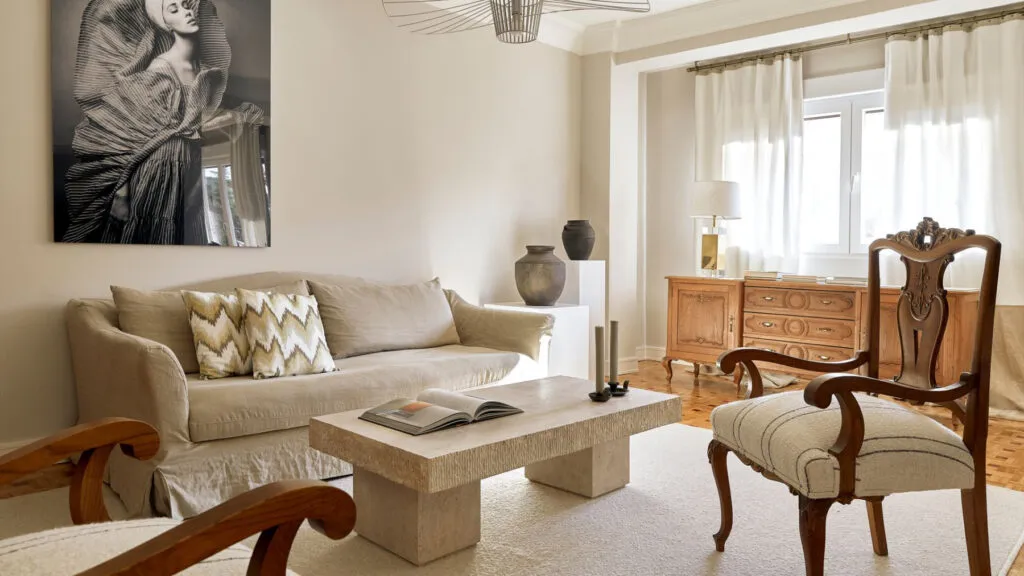
A bespoke console, reupholstered armchairs and wallpaper hung like art. The most expensive thing in the flat is the decision...
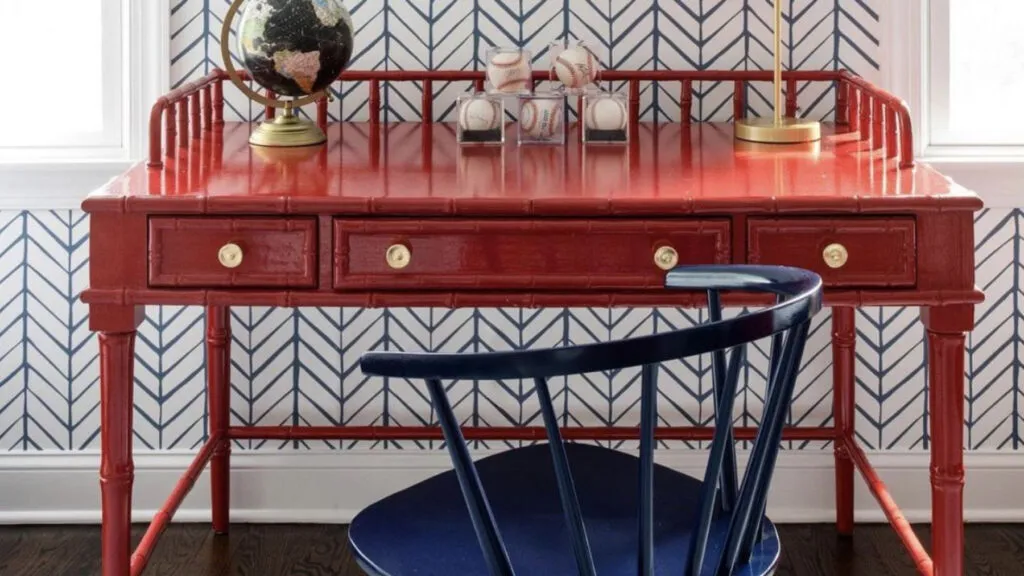
For years the rule was everything neutral and everything from the same collection. The result is a living room that...
This site uses cookies - is that okay? Learn more
Be the first to know when Metla launches something new
Leave your email and we will write when there is a new guide or something new on Metla.