
Three of Four Sensors Were Dead: Skopje's Vodno Cable Car Ran Fifteen Years Without a Real Service
17.09.2026


17.09.2026

17.09.2026

17.09.2026

17.09.2026

17.09.2026

17.09.2026

17.09.2026

16.09.2026

15.09.2026

17.09.2026

17.09.2026
16.09.2026

17.09.2026

17.09.2026

17.09.2026

17.09.2026

16.09.2026

15.09.2026

17.09.2026

17.09.2026

17.09.2026

17.09.2026

17.09.2026

17.09.2026

09.03.2026

27.02.2026

19.02.2026

23.04.2026

23.04.2026

12.04.2026

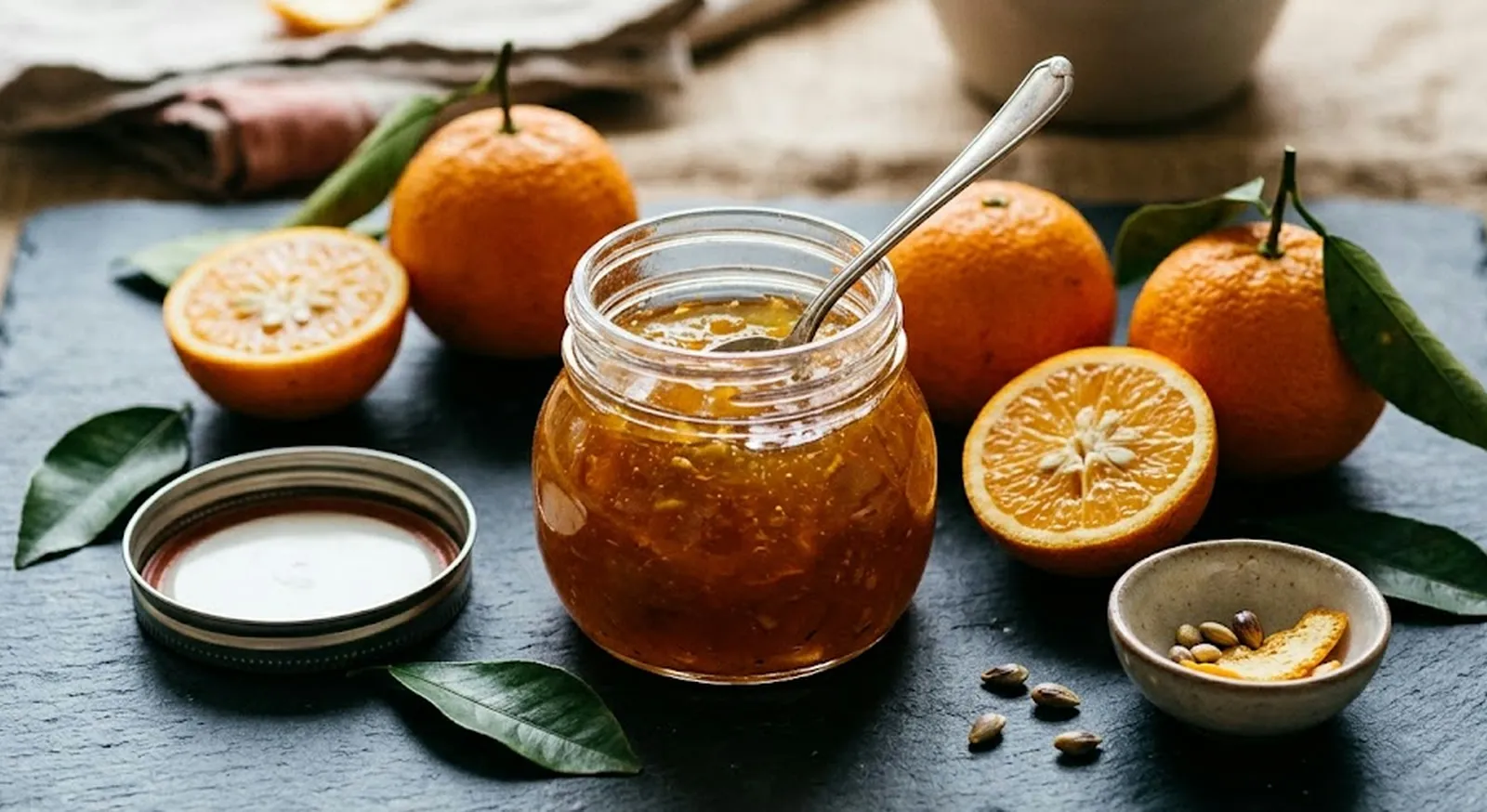
Some traditions are kept by laws, others by recipes. One of the oldest ties between Spain and the British crown isn't diplomatic - it's sweet: the bitter oranges from Seville that have travelled to London for more than a century to become marmalade on the royal table.
The story began at the start of the 20th century, in the time of King Alfonso XIII, when Queen Victoria Eugenia longed for the traditional British marmalade made from bitter oranges. Since then, interrupted only during the Civil War and the Second World War, the custom has endured for more than 120 years. Every winter, the oranges from the gardens of the Alcázar in Seville are picked and sent to the British representatives.
The secret lies in the fruit itself. The bitter orange, Citrus aurantium, is prized precisely because it's no good to eat fresh - the sour flesh, aromatic peel and natural pectin make it ideal for a marmalade that sets on its own, with no additives. What looks on the table like an ordinary preserve is in fact the result of centuries of experience in knowing which fruit serves which purpose.
"A unique bond between Seville and the British crown, maintained for over 120 years," is how the Spanish embassy in London describes the tradition. For a Balkan reader, used to homemade preserves and winter stores passed down from grandmother to granddaughter, the point is familiar: sometimes the most lasting ties between people and nations aren't written into treaties - they're tasted at breakfast.
The latest 10 news from this category
Home-made chicken curry fails at the same point for everyone. The difference is made by one step that has nothing...
Jose Andres has lived in America for over thirty years, and when asked for his favourite American dish he named...
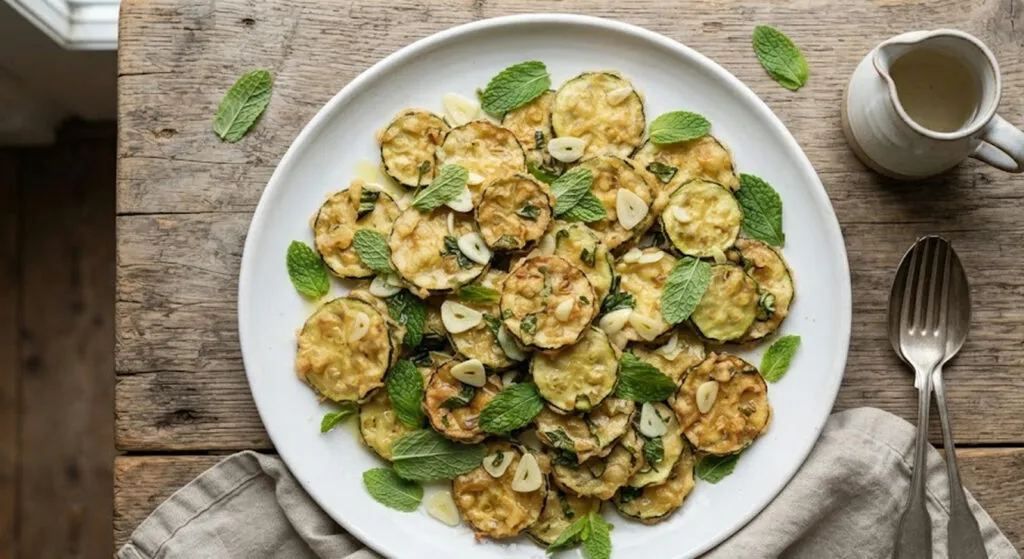
A kilo of courgettes, mint, garlic and eighty millilitres of vinegar. Not one expensive ingredient - and the water you...
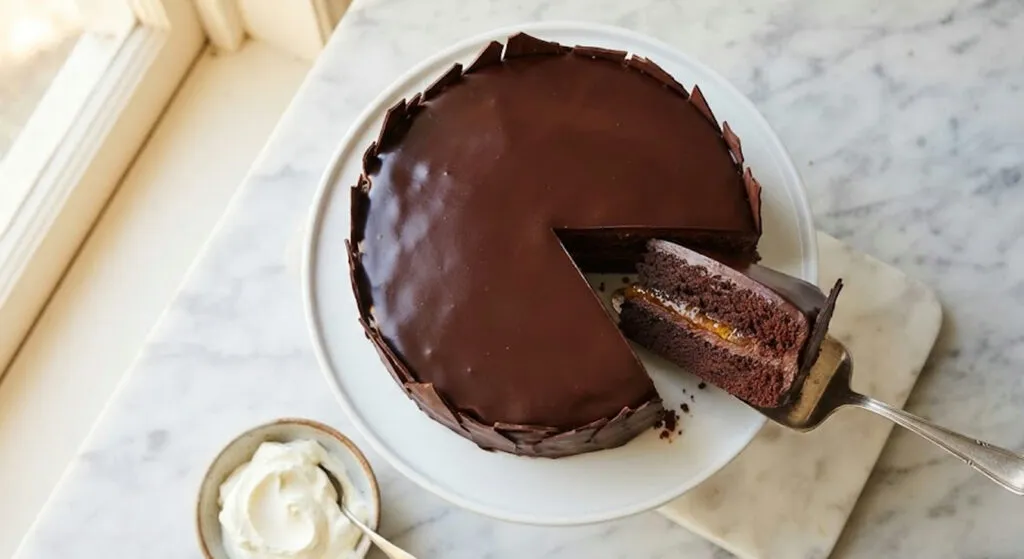
Whoever beat all the eggs together made a different cake. And the glaze must not pass 45 degrees, or the...
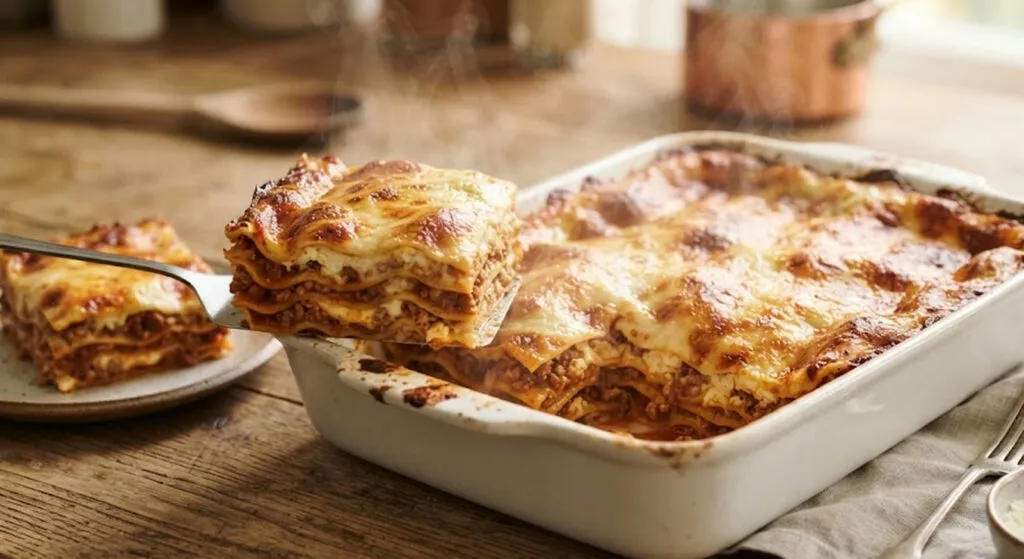
One rule applies to all three and it is the one most often skipped. It is not a recommendation to...
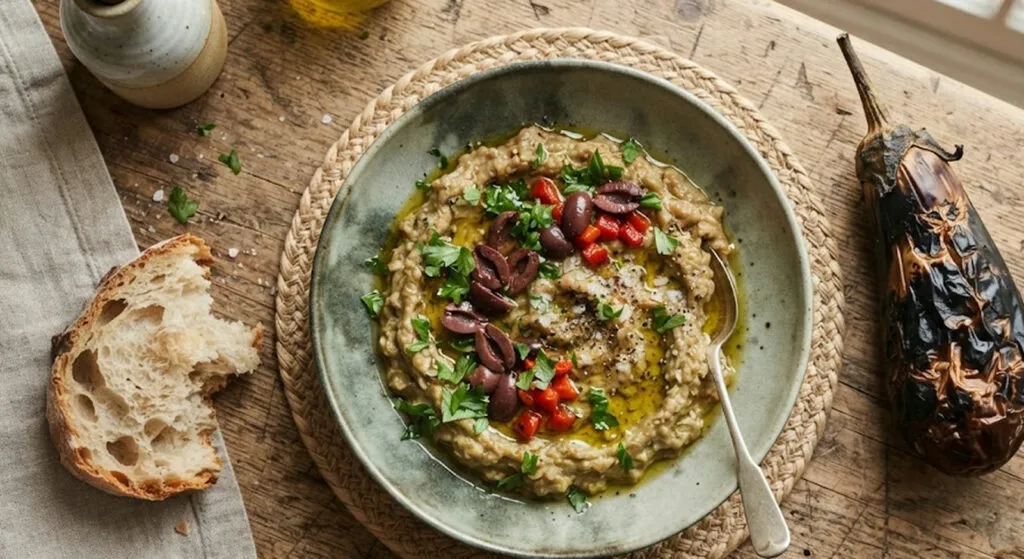
One single ingredient separates melitzanosalata from mutabal - tahini. Three aubergines, one clove of garlic, and an oven at 220...

The chicken ends up in the pan anyway. The salad that was sitting half a metre away does not.
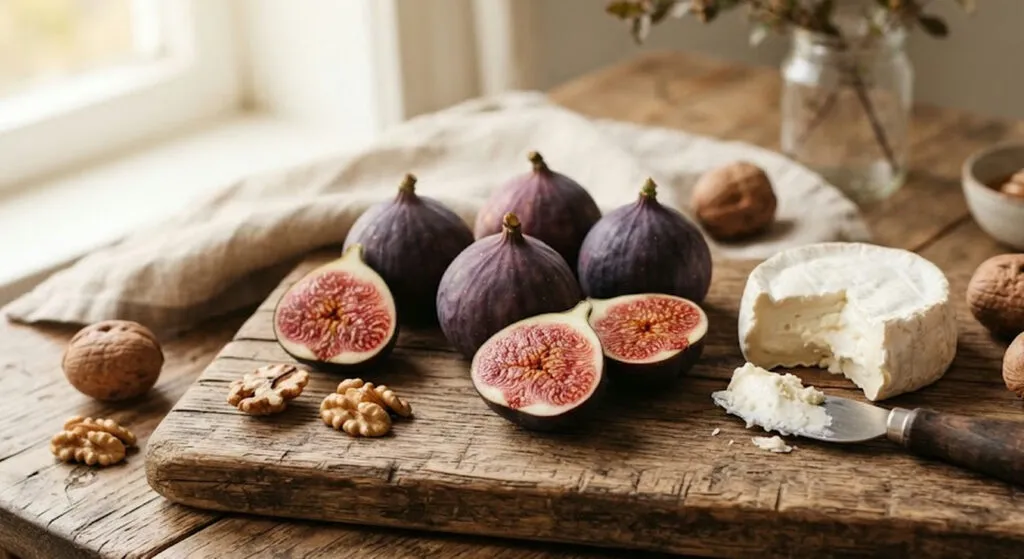
This year the season started as early as August because of the heat. From breakfast to pizza - everywhere a...
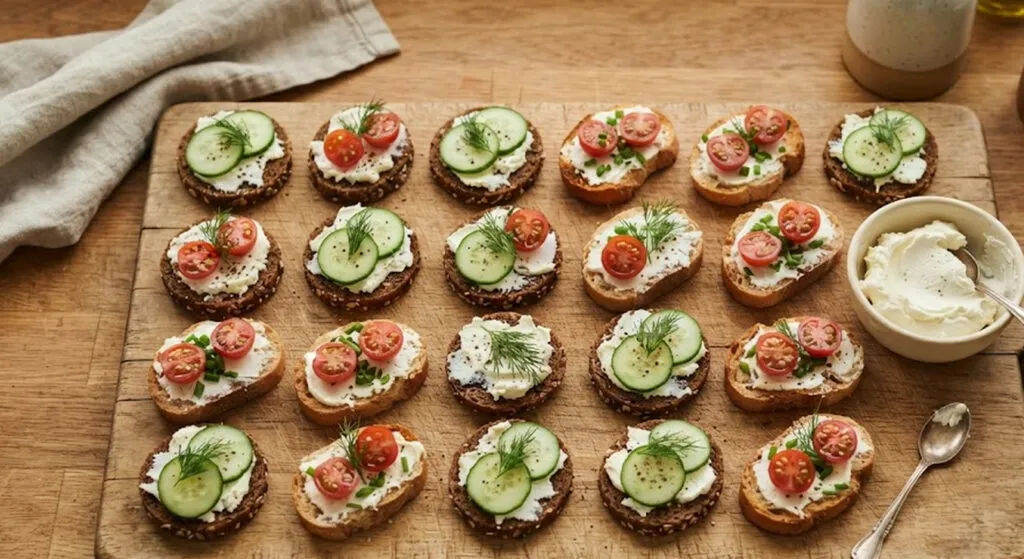
The recipe is not hard, the temperature is wrong. Ten cream cheese canapés and the two rules without which none...
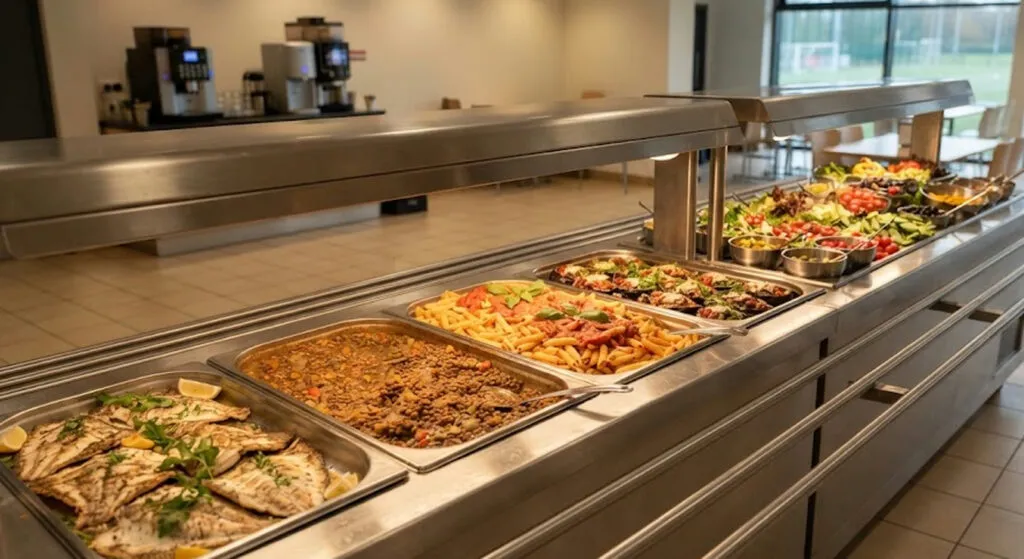
The image of boiled chicken breast is wrong. The indulgence is planned, not broken.
This site uses cookies - is that okay? Learn more
Be the first to know when Metla launches something new
Leave your email and we will write when there is a new guide or something new on Metla.