
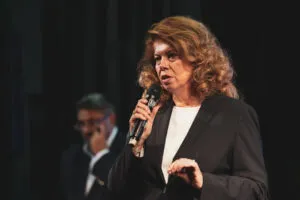
Jotova to Mickoski: Talks "Without Ultimatums" - but First Skopje Must Forget the Issue Is Bilateral
05.10.2026


05.10.2026

05.10.2026

05.10.2026

05.10.2026
05.10.2026

05.10.2026
05.10.2026

05.10.2026
04.10.2026
05.10.2026

05.10.2026
04.10.2026
05.10.2026

05.10.2026

05.10.2026
05.10.2026

04.10.2026
03.10.2026

05.10.2026

05.10.2026

05.10.2026
05.10.2026

05.10.2026

05.10.2026

09.03.2026

27.02.2026

19.02.2026

05.10.2026

04.10.2026

04.10.2026
05.10.2026
04.10.2026

02.10.2026

23.04.2026

23.04.2026

12.04.2026


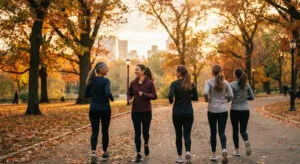
On the rugby pitch, twenty-year-old Carmen shouts "Mum!". She and her mother Beatriz, who is 55, play shoulder to shoulder on a rugby team and train together at DiCaFit Wellness Club. Founder Álvaro Díaz Carrasco calls his clients "dicathletes" and says that there he "makes family". What mother and daughter value most is spending time together around something they both love. "The bond is mutual, and we live through things that bring you closer than a breakfast," they say.
They're not the only ones. Ester (56) and Silvia (59) play padel, train at DiCaFit and say they became friends thanks to the sport, not the other way round. "When you belong to a club, you feel connected to people of different ages, abilities and interests who share with you the desire and the challenge of getting better," they explain.
The club trend doesn't stop at friendships. Spaces are opening that combine training, work, self-care and socialising under one roof. Desi Losoya, founder of BuildMode, a training centre for entrepreneurs, says that "being able to train, work, look after yourself and socialise in one place makes everyday life much simpler". For him, building a "tribe" means "creating relationships in which you naturally share, learn and help each other".
Psychologist Ester Boada of the Sukha centre calls this social intelligence: "It's our ability to understand others and know how to behave appropriately in different contexts. It means knowing how to listen, interpreting what the other person is telling you, having empathy and adapting the way you communicate."
The most important thing a real-life community gives us, she says, is a sense of belonging. "The feeling that you are part of something creates security." It also pulls us out of an overly individual view of our own problems. "Spending time and sharing experiences with other people lets us lean on each other, put our worries in perspective and feel that we don't have to carry everything alone," says Boada.
She also warns about speed. With social media everything happens too fast, while "real relationships need time and naturalness" - shared everyday moments and getting to know each other slowly. We don't need to be surrounded by people all the time, nor have a huge social life. We need a few meaningful connections and the time to build them. That's exactly why, when we can talk to anyone at any moment, turning up regularly, week after week, among people who already know you becomes one of the simplest ways to feel again that you belong somewhere.
There's a business side too. At classic networking events we watch what we say and what impression we leave, so the connection comes out forced. When a shared hobby brings us together, business connections spring up without anyone planning them.
Andrea de Ayala, a coach and head of Oysho's running club, met her best friends on the asphalt - and her husband too. For her, the key is mutual support: "You grow when you feel that you are where you are, after a lot of hard work, because someone pulled you along, and at the same time you see that you've been a support for someone else." The psychologist adds two more effects: a group is a small antidote to the habit of giving up on things we find hard, because an agreed training session forces you to put it in your schedule, and a shared real-life hobby pulls us away from our phones. The paradox of our time is that we can be in contact with a huge number of people and still feel alone.
The Balkans had all this without a membership fee: the neighbourhood, the bench in front of the building, coffee at the neighbour's. Do we really need to pay for a club to get back what we once had for free?
The latest 10 news from this category

The world's fifth-best restaurant isn't closing because of empty tables, but to have time to think. The team's wages keep...
Your ID card says 80, but your body may be a completely different age. Longevity experts say the key isn't...
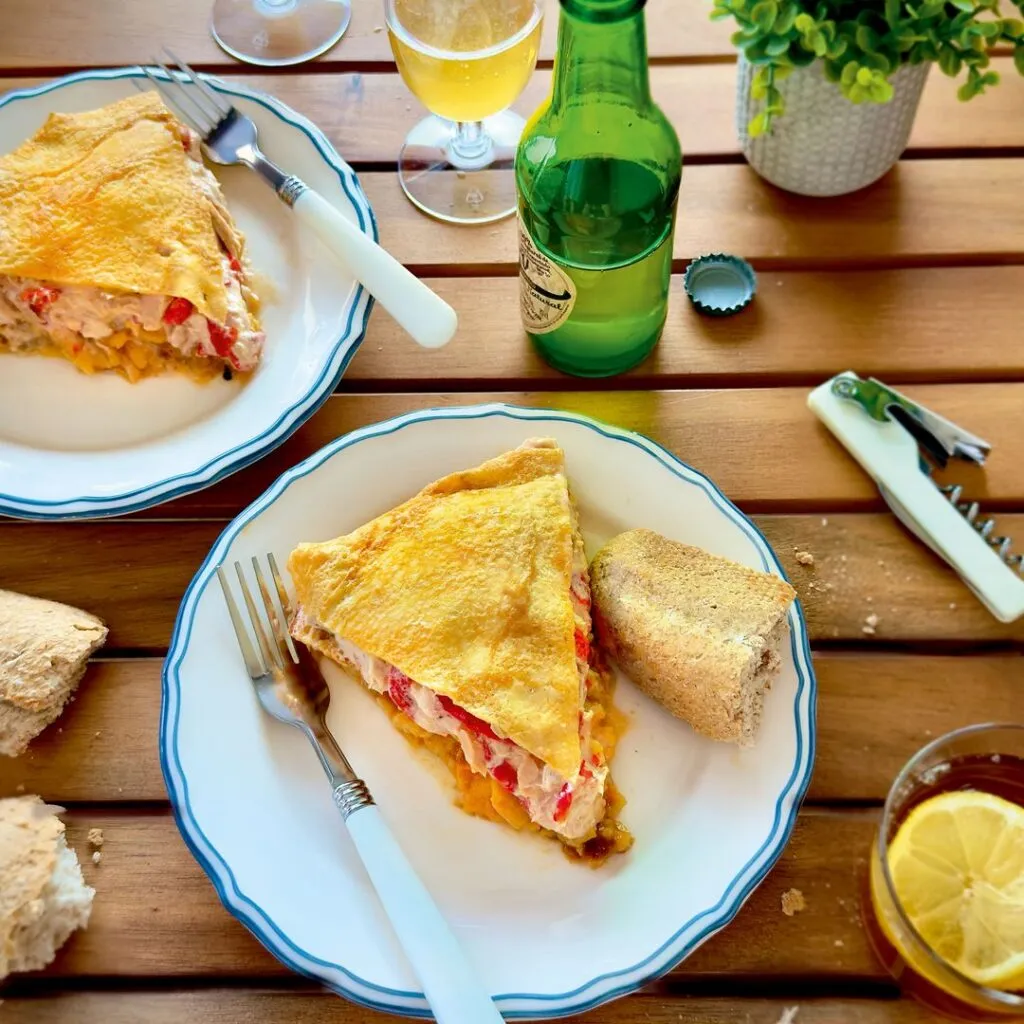
The potato isn't fried brown, it is slowly poached in oil - that is the base. Then comes the "hat":...
You've cut out gluten, sugar and dairy, and the fatigue and bloating still won't go away? Maybe the problem isn't...

We reduced cauliflower to boiled greens with béchamel. But it can be a crispy pizza base and a "steak" you...

Shame makes people with obesity put off check-ups, and "if you really wanted to, you could" only makes it worse....

The right potato, half an hour in cold water, and salt the moment they come out of the oil. Five...

Every automatic "yes" to other people is often a "no" to yourself. A therapist explains the signs that you are...

One hour at 200 degrees and the autumn dessert is done. The secret is in choosing the apple - and...
Getting up from a chair on your own five or six times in a row sounds trivial - until you...
This site uses cookies - is that okay? Learn more
Be the first to know when Metla launches something new
Leave your email and we will write when there is a new guide or something new on Metla.