
Sixteen Arrests in Twenty-Four Hours, All for Drugs: The Police Are Working - But Where Are All These People Coming From?
20.09.2026


20.09.2026

20.09.2026

20.09.2026
20.09.2026

20.09.2026

20.09.2026

20.09.2026

20.09.2026

20.09.2026

20.09.2026

20.09.2026

19.09.2026

20.09.2026

20.09.2026

20.09.2026

20.09.2026

19.09.2026

18.09.2026

20.09.2026

20.09.2026

20.09.2026

20.09.2026

20.09.2026

20.09.2026

09.03.2026

27.02.2026

19.02.2026

20.09.2026

19.09.2026

18.09.2026

23.04.2026

23.04.2026

12.04.2026

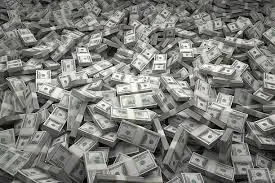
Numbers that at first glance create the impression of a stable and strong economy are appearing in public more and more often. The gross domestic product at purchasing power parity, which exceeds 50 billion dollars, is used as an argument that the country has room and capacity for growth. But behind this figure hides a different reality.
The real GDP, the one that shows the actual financial strength of the economy, amounts to around 16 to 17 billion euros. And it's with that number that credits, debt, and the budget should be compared. When that comparison is made, it becomes clear that total credit in the country, reaching around 15 billion euros, is nearly at the level of the entire GDP.
This is no longer just statistics - it's a signal. A signal that the economy is running on credit, not on production. Even more concerning is that the largest portion of these credits ends up with citizens, through housing and consumer loans, rather than in companies and development.
When numbers are presented without context, it's easy to create a picture of progress. But the reality is that an economy doesn't grow through marketing, but through production, investment, and sustainable development.
That's why the question isn't whether the numbers are accurate -
but whether they're being used to show the truth or to hide it.
The latest 10 news from this category

Porsche, Alaska Airlines and J.B. Hunt are not buying startups - they are commissioning them. When innovation moves inside the...
Sold for two billion, blocked by the state, bought back by its own investors - and now worth twice as...
An eight-year-old firm that started out mining crypto has tripled its value in ten months. It did not discover anything...
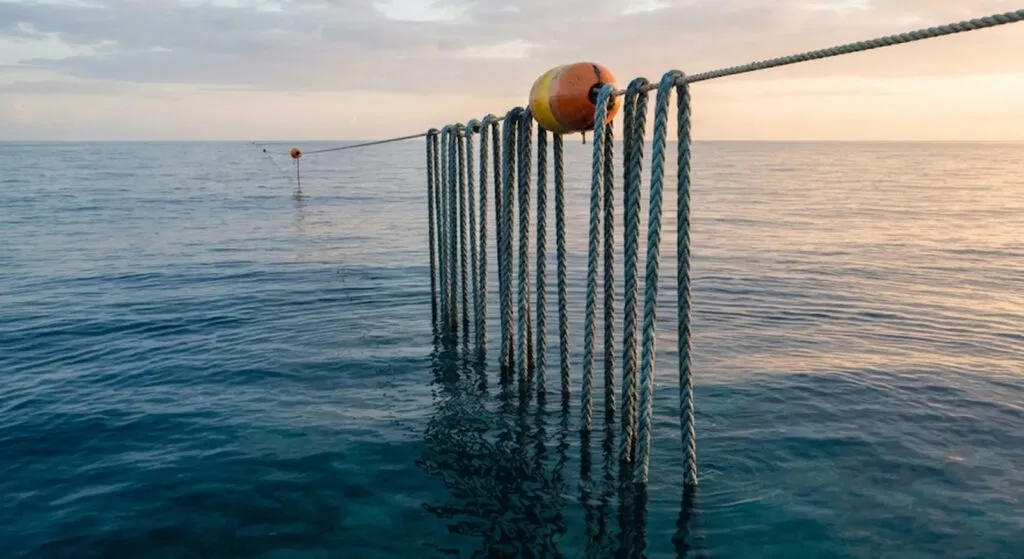
The price of uranium has jumped 75 percent in five years, and the list of countries that mine it reads...
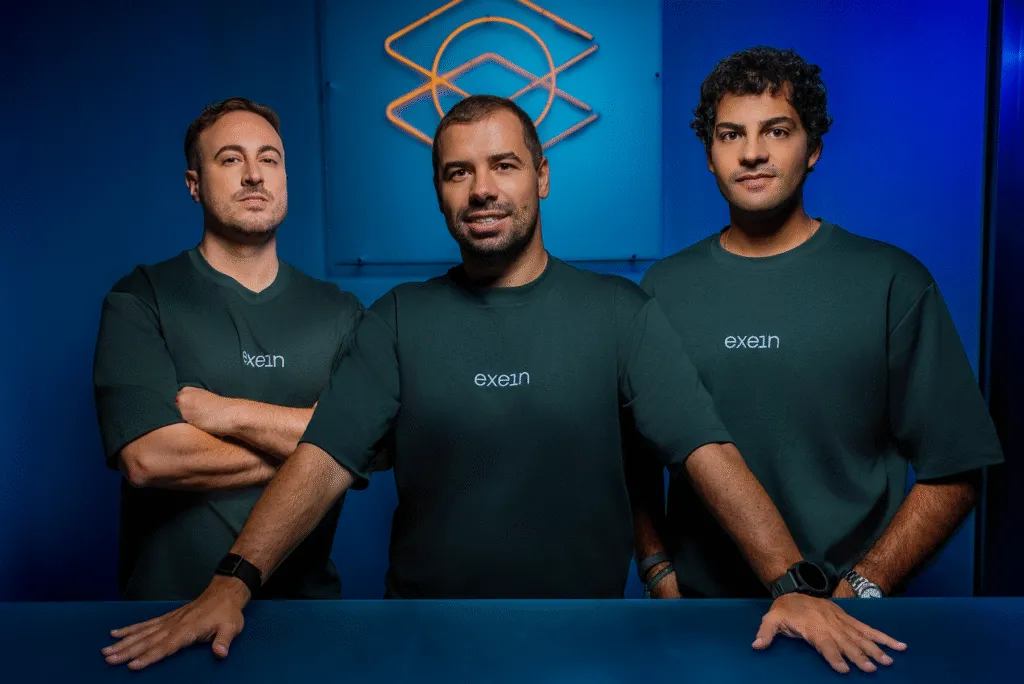
Exein raised 270 million dollars and its valuation jumped thirtyfold in two years. The European regulation coming into force in...

A startup valued at 94 million dollars changed hands, and both sides said openly what was being bought - not...
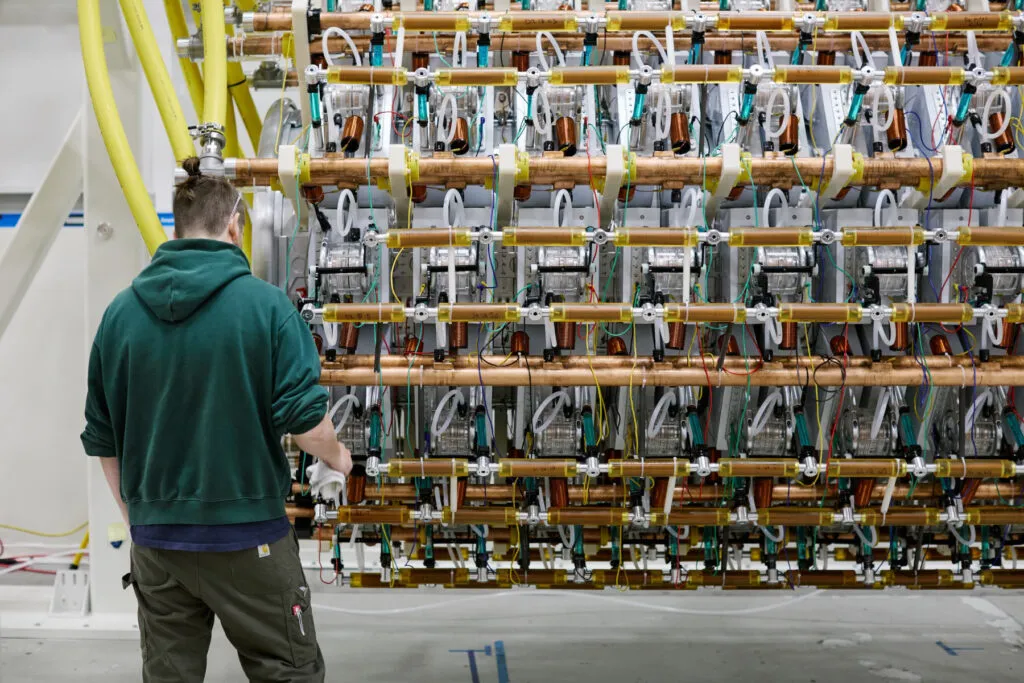
A technology sold for decades as the answer to the climate is now taking money from the defence industry. The...

The board voted, the founder kicked the administrators out of Slack and held out for three days. What does a...

Three months ago the company raised 60 million. Now it is worth almost ten times that, and its product is...

After Ohridska Banka, Sparkasse has gone after a second one. The approvals come from Podgorica, Belgrade and Frankfurt. The market...
This site uses cookies - is that okay? Learn more
Be the first to know when Metla launches something new
Leave your email and we will write when there is a new guide or something new on Metla.