The "Lottery" Trial: 231 Pieces of Evidence, and So Far Not a Single Message Between Grubi and Bajrami
24.09.2026


24.09.2026

24.09.2026

24.09.2026

24.09.2026

24.09.2026

24.09.2026

24.09.2026

23.09.2026

22.09.2026

24.09.2026

24.09.2026
23.09.2026

24.09.2026

24.09.2026

24.09.2026
24.09.2026
23.09.2026
22.09.2026

24.09.2026

24.09.2026

24.09.2026

24.09.2026

23.09.2026
23.09.2026

09.03.2026

27.02.2026

19.02.2026

24.09.2026
23.09.2026
22.09.2026

23.04.2026

23.04.2026

12.04.2026

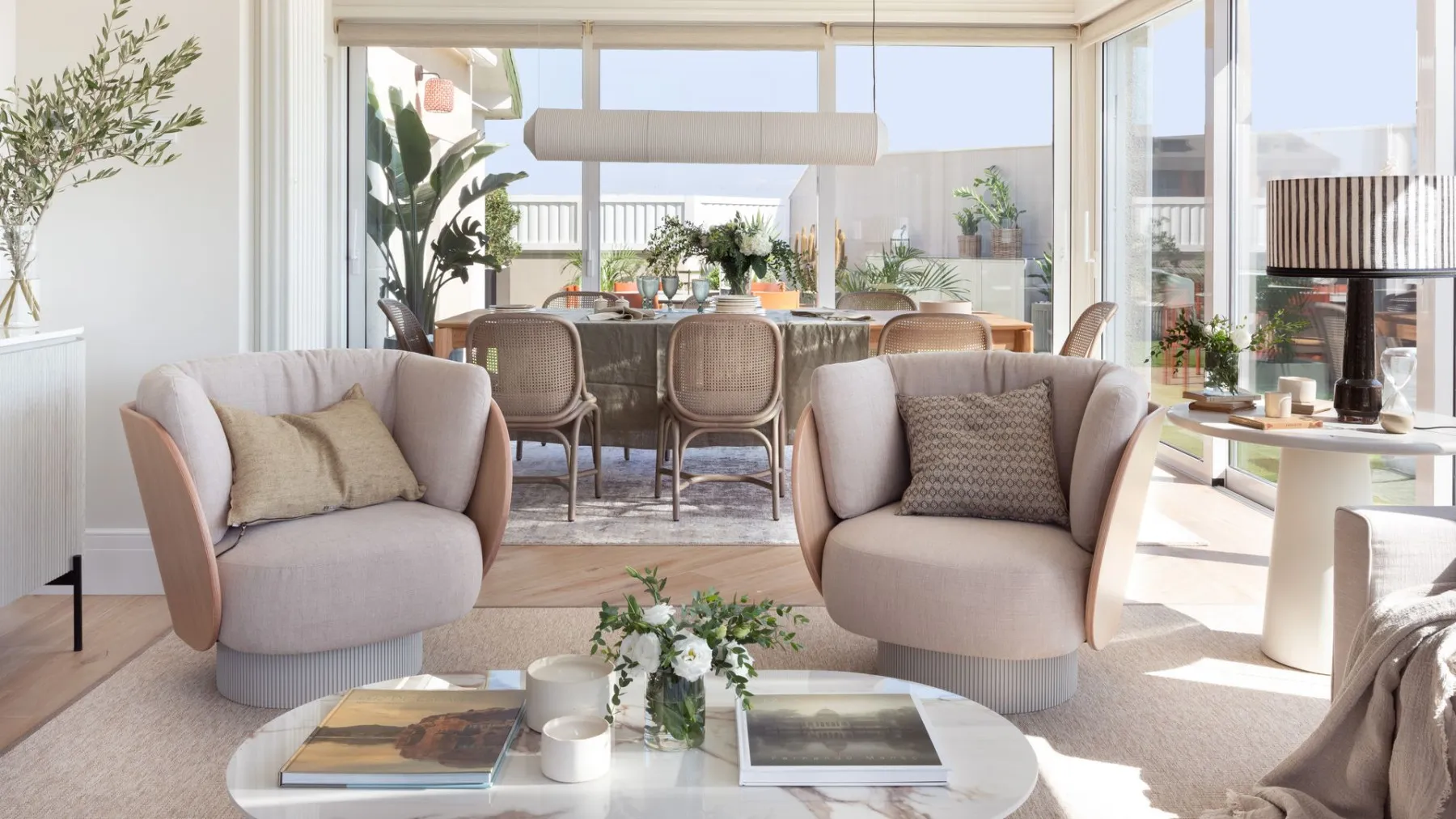
"An elegant home isn't one where everything is new, but one that looks as if it was built over years." With this sentence interior designer Natalia Zubizarreta demolishes the most expensive myth about decorating - that beauty is bought all at once, with a brand-new suite and a catalogue look. Real style, she says, hides in about ten decisions that cost almost nothing.
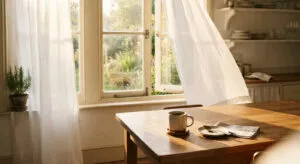
The first is curtains. Most people hang them at the level of the window frame, but the trick is to raise the rod to the ceiling, with curtains that barely touch the floor - the room instantly looks taller. Washed linen or a linen-cotton blend gives a sophistication synthetics will never have. The second decision is lighting: one of the most common mistakes is light that's too white and cold. She recommends warm tones around 2700K and several sources - floor and table lamps, wall lights, indirect light - instead of one strong light from the ceiling.
The third is rugs. Many choose a rug thinking only of the coffee table, but the rule is that at least the front legs of the sofa and armchairs should sit on it. Counter to intuition, a larger rug makes the space look bigger, while a small one cramps it. The fourth decision: fewer objects, more intent. Three pieces with character beat fifteen small ornaments with no connection between them - when many small elements pile up, they create visual noise.
The fifth is playing with textures. Even with a neutral palette, natural materials like aged wood, linen, raffia, ceramics, natural stone and wool add depth and authenticity, while glossy, artificial surfaces drain the warmth. The sixth: a harmonious colour palette throughout the home. Not everything the same, but three or four colours that "talk" to each other and carry a common thread through the rooms.
The seventh decision seems technical, but it changes everything - hiding the visual noise. Cables, routers, remotes, chargers and cleaning supplies create an impression of clutter even in a tidy home. Simple systems for hiding them - baskets, cable covers, organised drawers - dramatically change the feel of a space.
The eighth is walls. Instead of scattered small frames, one large-format piece has a far greater effect than ten small pictures hung with no criteria. Mirrors, meaningful photographs, framed prints or wallpaper in one spot tell a story about those who live there. The ninth: bring in at least one design or historical object - inherited furniture, a flea-market find, a vintage lamp from a trip. Price matters less than authenticity; those pieces keep a home from looking like a catalogue.
And the tenth decision is the hardest - to accept empty space. Not every corner needs furniture, not every wall needs a picture. Empty spaces let the important elements breathe and carry a sense of calm. "The most elegant interiors have pauses, instead of filling every available centimetre," Zubizarreta says. And there's the whole point: a home isn't built with money thrown all at once, but with patience, choice and the faith that less, well chosen, always looks more expensive than a lot, in a hurry.
The latest 10 news from this category
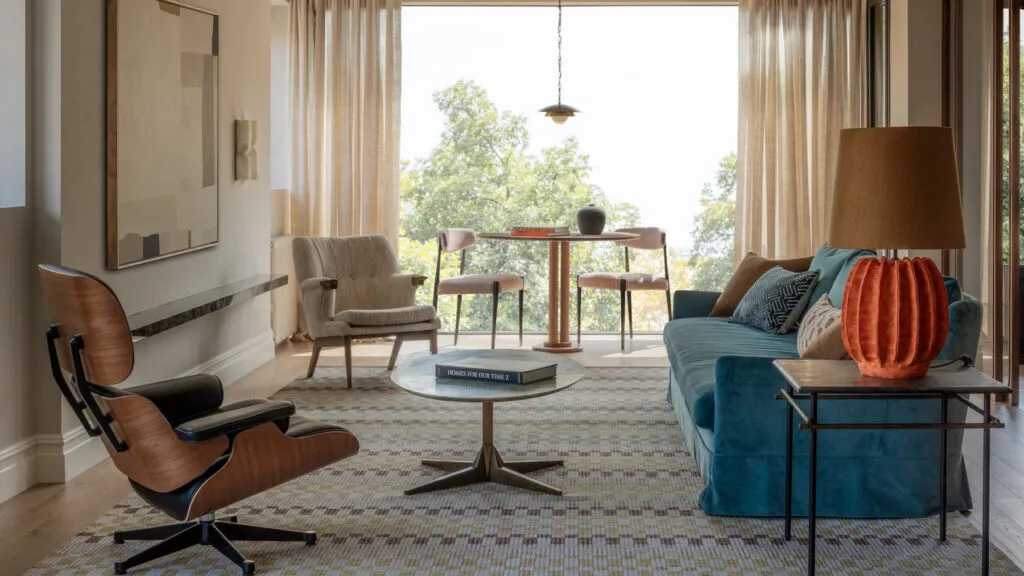
Luxury isn't about showing off, it's about detail, says the architect. That's why the best light in this flat went...
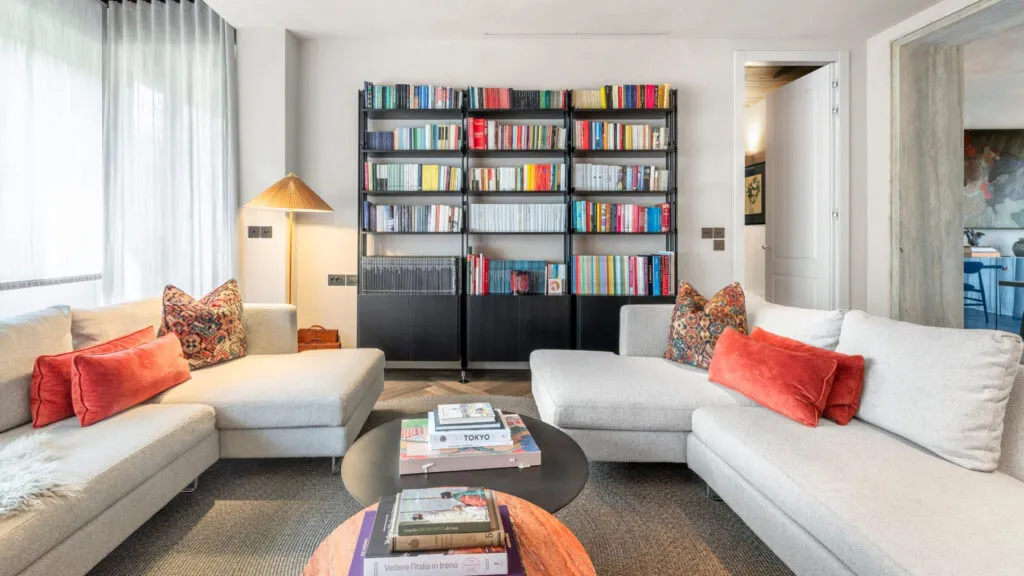
The exposed brick and ribbon windows stayed, and the entire palette came out of a single painting above the sideboard....

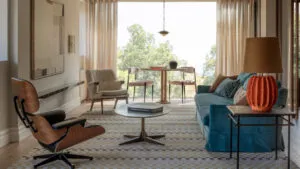
An Eames lounge chair from 1956, a Fratini shelving unit and a concave cobalt mirror that reflects the room curved....
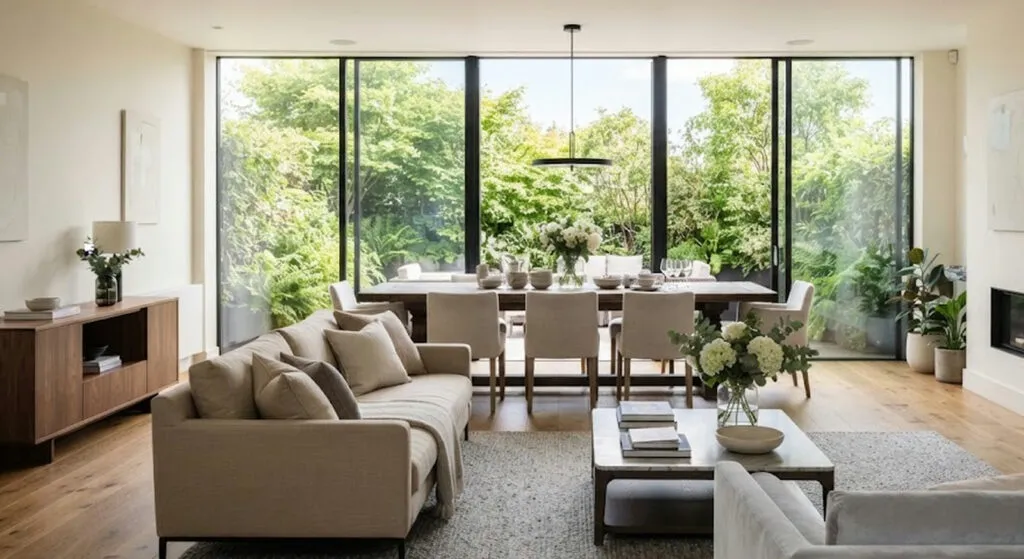
Four bedrooms, four bathrooms and one rug that keeps the dining area separate without a wall. Three things in this...
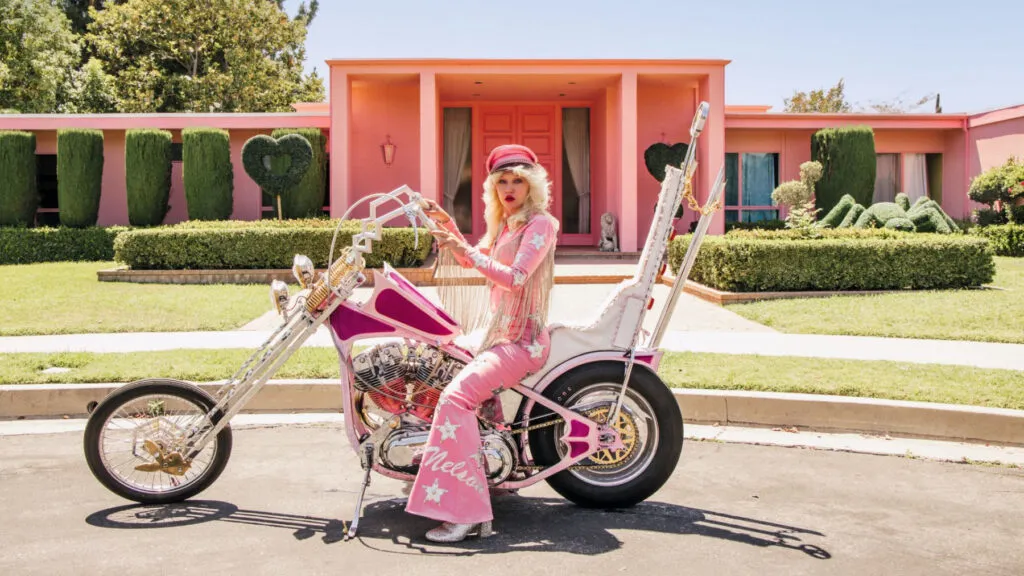
She did not decorate a house - she built a world. And behind all that fantasy there is no inheritance,...
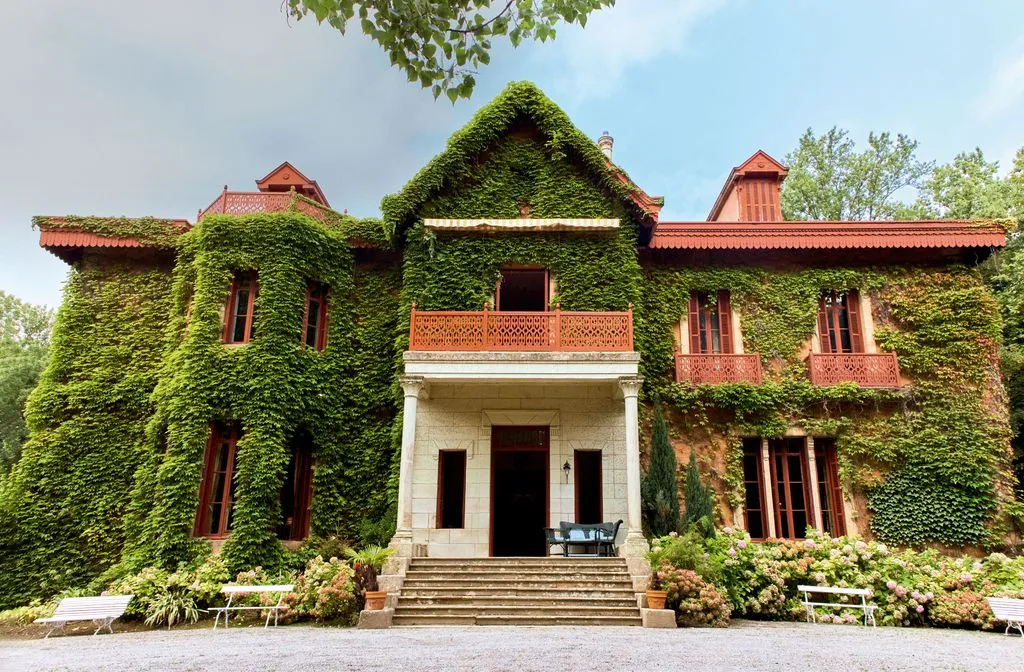
The stairwell has been turned into a gallery, and in the bedroom there is not a single attempt at an...

In the vast majority of flats the ceiling stays white because that is how it was found - not because...
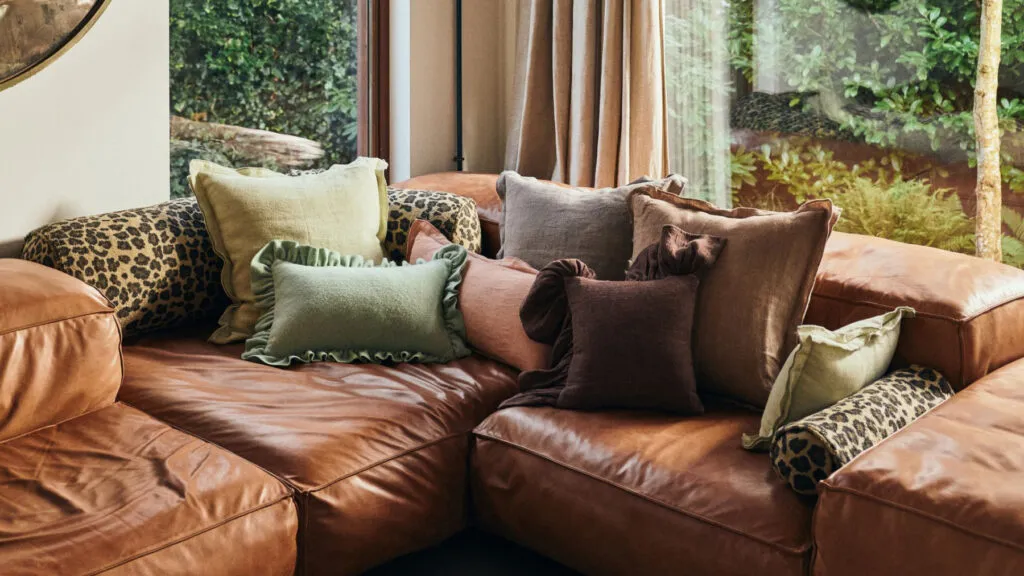
It is not hoarding and it is not maximalism. Ten things that used to be hidden when guests came and...
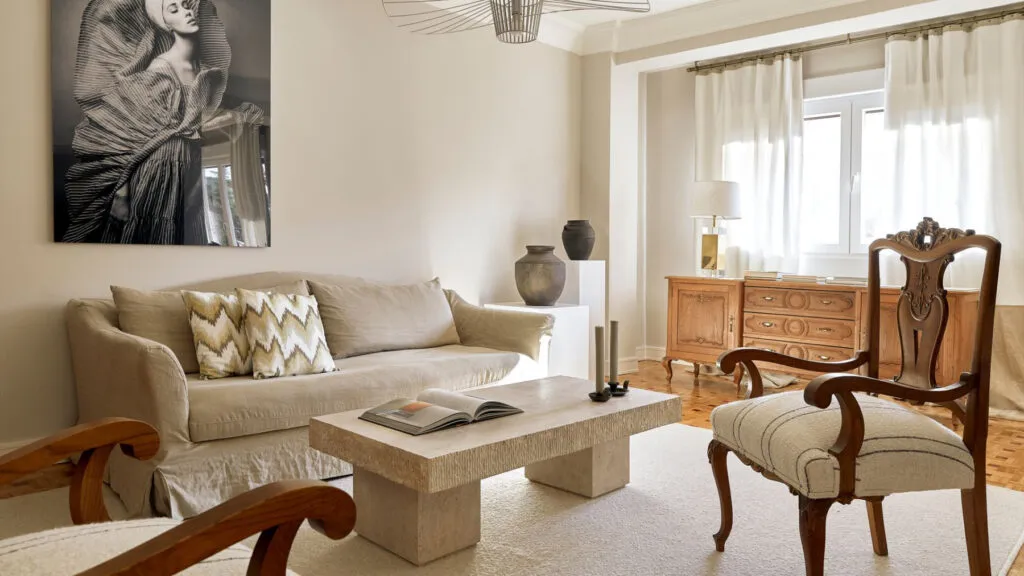
A bespoke console, reupholstered armchairs and wallpaper hung like art. The most expensive thing in the flat is the decision...
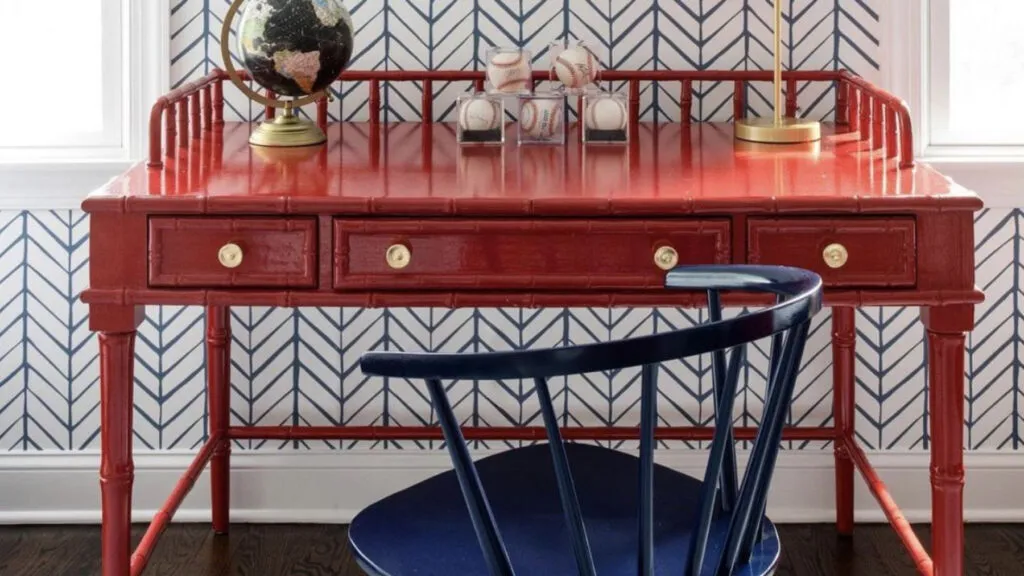
For years the rule was everything neutral and everything from the same collection. The result is a living room that...
This site uses cookies - is that okay? Learn more
Be the first to know when Metla launches something new
Leave your email and we will write when there is a new guide or something new on Metla.