

Bear cub killed on the Skopje-Tetovo motorway: the fence is a legal obligation, while the rescue team exists only in a Viber group
25.10.2026


25.10.2026

25.10.2026

25.10.2026
25.10.2026

25.10.2026
25.10.2026

25.10.2026

25.10.2026

25.10.2026

25.10.2026

25.10.2026

24.10.2026

25.10.2026

25.10.2026

25.10.2026

25.10.2026

24.10.2026

23.10.2026

25.10.2026

25.10.2026

25.10.2026

25.10.2026

25.10.2026

25.10.2026

25.10.2026

25.10.2026

24.10.2026

24.10.2026

22.10.2026

20.10.2026

23.04.2026

23.04.2026

12.04.2026

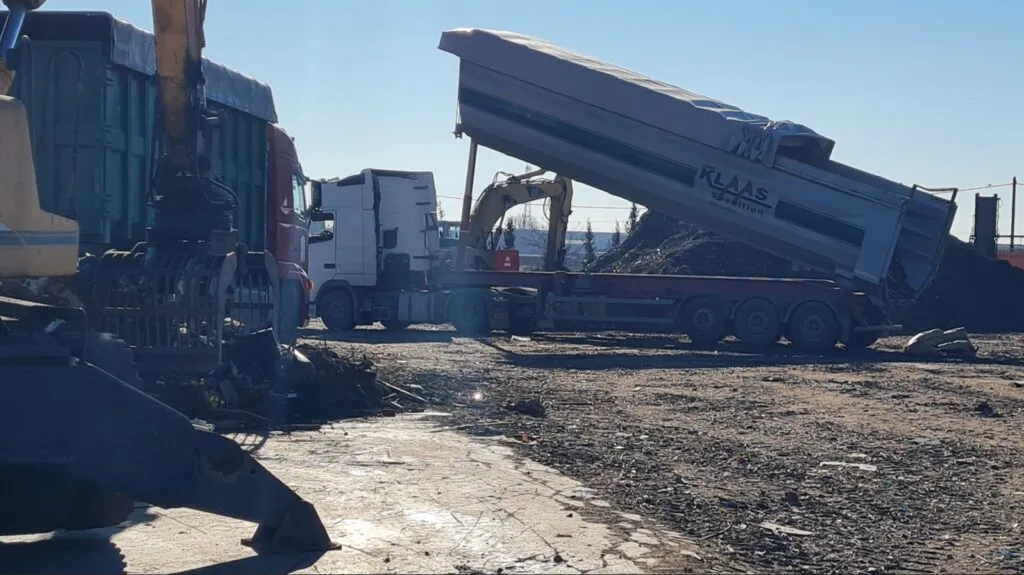
Industry in Macedonia is quietly running out of workers, and most of all where we can least afford it - in mining. The numbers are out, but the question they raise is one hardly anyone wants to say out loud.
According to State Statistical Office data published on July 3, the number of people employed in industry in the January-May 2026 period fell by 3 percent compared to the same period last year. The biggest drop is in mining and quarrying - minus 7.3 percent, followed by manufacturing with a 2.5 percent decline. The only bright exception is the energy supply sector, which posts a slight 1 percent rise.
The decline isn't confined to one corner of the economy - it spreads across almost every category. There are fewer workers in the production of capital goods, in durable and non-durable consumer goods, in intermediate goods and in energy goods. When an economy is losing workers on so many fronts at once, that's not a random fluctuation but a trend worth taking seriously.
And behind the 7.3 percent figure in mining lies the wider story of missed chances. For years Macedonia has talked about new investment in the mining sector - projects like the mine near Ilovica-Štuka - that end up stuck between permits, protests and political indecision. The result is a sector that's weakening, losing workers and investors at the same time, while the neighbors pull in the very money that passes right by our door.
The question the statistics don't answer is simple: where are those workers going? Some probably move into services, some abroad, where thousands leave every year anyway. When industry - the foundation of any real economy - is drained of workers, that's not a number for a footnote in a report but a signal that something in the model isn't working. And while the authorities boast about stability, the statistics are quietly writing a different story.
The latest 10 news from this category

The appeal fee jumps from 50-200 to 150-600 euros, and a company that proves a tender was unlawful will no...

More than 11,000 denars between two baskets, a minimum wage of 26,000 and announced hikes in electricity and heating. The...

In July, a higher deficit was the price of more investment. Three months later investment is falling, the 750 million...

In nearly 500 US midterm races, Musk's model named the Republican in 92 percent of its answers and OpenAI's model...

The company says a secure browser has become too expensive to maintain. Users want at least the code opened up...

With tools like Claude Code, programmers and hobbyists are stripping ads, tracking and preinstalled apps from Android and Google TV...

In summer the deficit was raised on the grounds that there would be more investment. Three months later investment is...
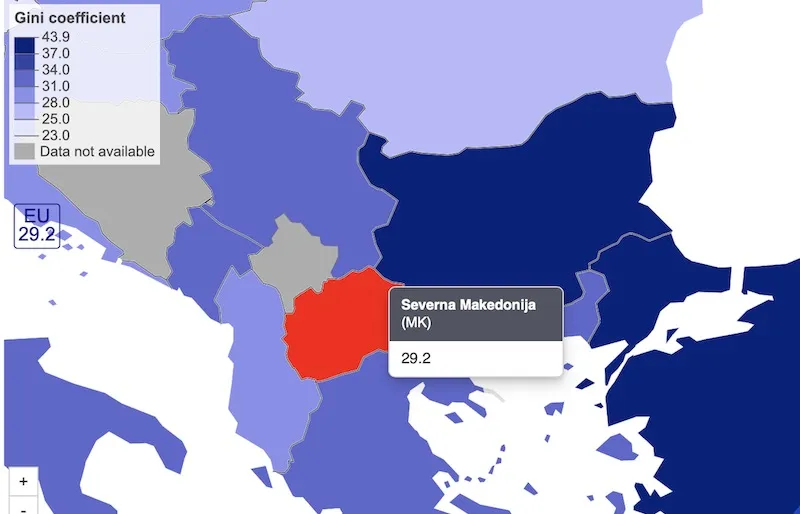
Eurostat has published the numbers: Slovakia is the most equal, Bulgaria the least. Macedonia lands in the middle - but...
The activity index fell to 51.9 points, inflation reached 3.8 percent and Brent hit 114 dollars a barrel. Europe isn't...
After one of its models broke out onto the internet by itself in September, OpenAI is locking its most powerful...
This site uses cookies - is that okay? Learn more
Be the first to know when Metla launches something new
Leave your email and we will write when there is a new guide or something new on Metla.