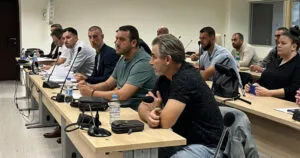
"That's not my job": the trial of the 13 Puls police officers restarted from scratch, and witnesses describe help being refused
22.09.2026


22.09.2026
22.09.2026
22.09.2026
22.09.2026
22.09.2026

22.09.2026
22.09.2026

21.09.2026

20.09.2026

22.09.2026

22.09.2026

21.09.2026
22.09.2026

22.09.2026
22.09.2026

22.09.2026

21.09.2026

20.09.2026

22.09.2026

22.09.2026

22.09.2026
22.09.2026

22.09.2026

22.09.2026

09.03.2026

27.02.2026

19.02.2026
22.09.2026

21.09.2026

21.09.2026

23.04.2026

23.04.2026

12.04.2026

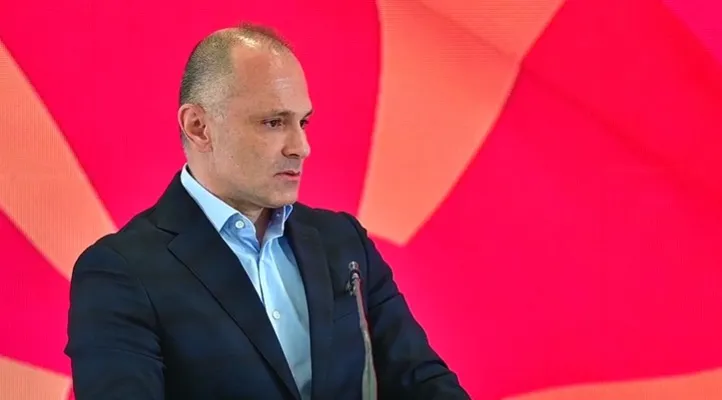
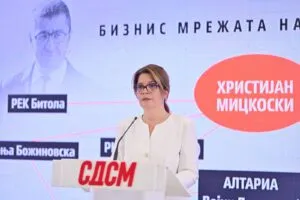
Venko Filipče, the leader of SDSM, gave an interview to the Serbian portal „Nova rs" in which he laid out something everyone in Macedonia's public sphere whispers - that there is a political-financial Budapest-Belgrade-Skopje network. Orban, Vučić, Mickoski - according to Filipče, they aren't isolated leaders. They're a network, with shared interests, shared financial structures and a shared operating model.
„If you look at the policies, it's complete copy-paste", Filipče said. „The same division of people into patriots and traitors. The same control over the media. The same tricks". That's a serious claim from the leader of the biggest opposition party, and one for which Filipče offers concrete material too.
On the question of the billion-euro loan from Hungary's Eximbank, Filipče said: „The terms are disputed. We don't know everything about the interest, we don't know everything about the guarantees". That's a substantive note. When one country receives a billion-euro loan from another country with specific political ties, questions about the terms aren't conspiracies - they're the job of journalists and the opposition.
Filipče also tied in the media. „Hungarian companies influence the Macedonian media market, as well as the energy sector". That's a claim that exists as data among other researchers too - but in the current context it appears as the headline thesis of opposition politics. Whether it's politicised use of real data, or genuine analysis of hidden structure - that's a question for the coming months.
The interesting bit is when Filipče mentions Nikola Gruevski, who fled Macedonia to Hungary via Serbia. „He has both a Serbian and a Hungarian passport. Do you need more proof?" That's a rhetorical hit, but also a factual state. Gruevski was convicted of abuse of office and still lives in Budapest under political asylum - an arrangement that, according to Filipče, is not accidental.
For readers in the Balkans, this is a serious question - is there a transnational authoritarian axis stretching from Budapest to Belgrade and Skopje? Brussels watches it and reacts with half-measures and postponed decisions. Moscow watches it and rejoices. The citizens of all three countries watch it and don't know how to react. Filipče this time isn't talking about an internal Macedonian issue. He's talking about a regional process. And that process is bigger than one electoral cycle.
The latest 10 news from this category
Andonovski admits there was no project, no study, and no figure for how many megawatts the facility would draw. The...
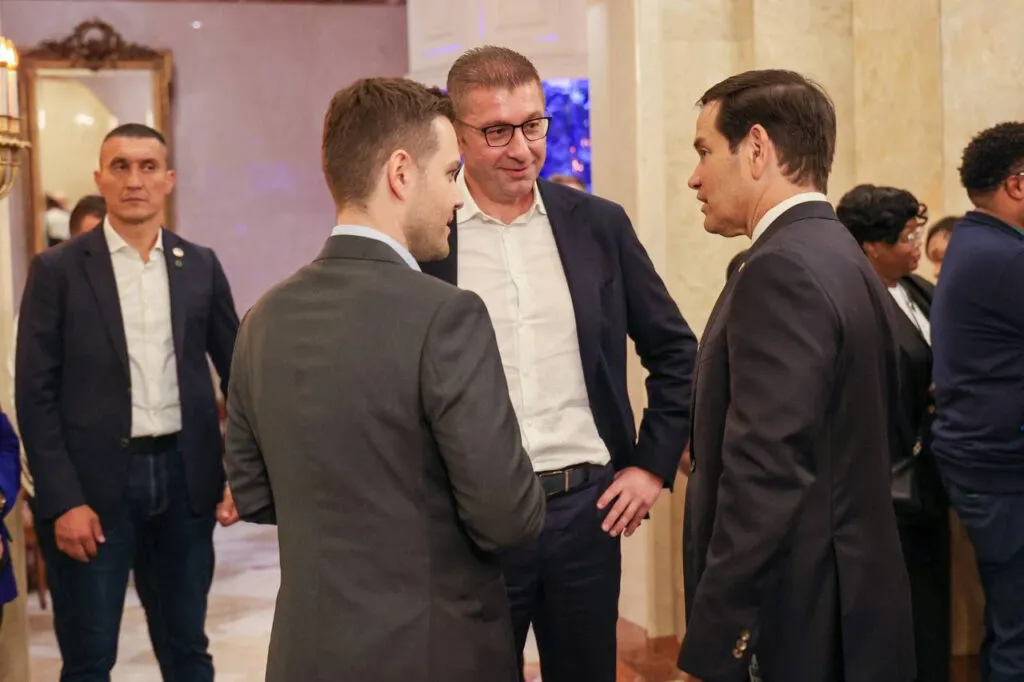
The video has no room, no table, no flags. In the same week the State Department redirected 52 million dollars...
The right to an opinion is not in dispute. The problem is that in certain offices the line between personal...
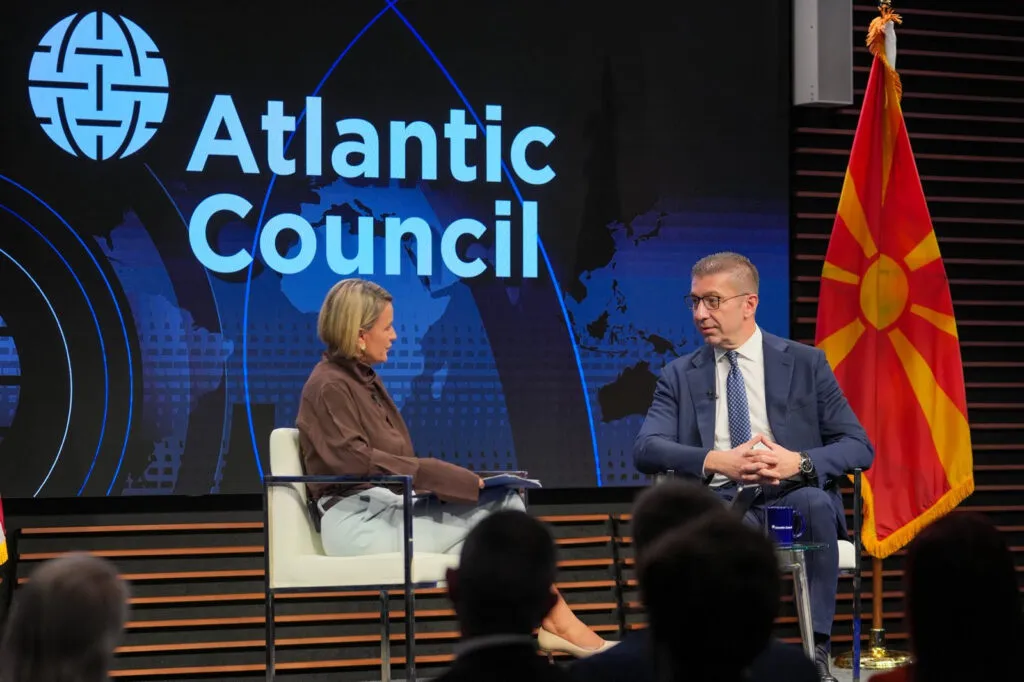
America sees us as a close friend, the prime minister says. A 200-billion portfolio, six data-centre companies, Chebren and Galishte....

Eight days of invitations to a joint test, then "report your dealers", then a criminal complaint over photographs and the...
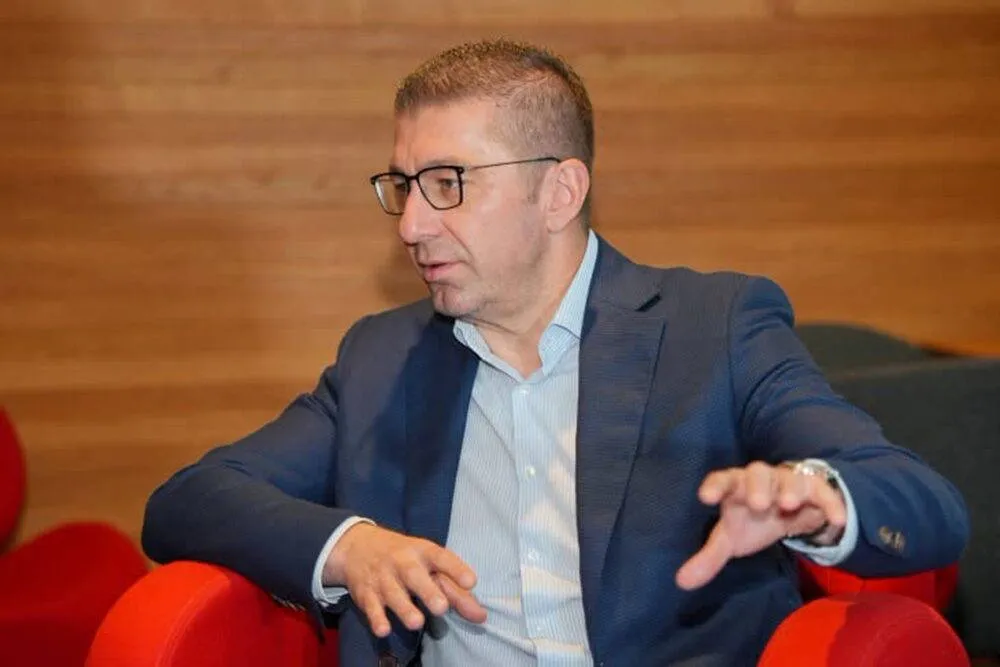
From Washington, the prime minister asks for a third party at the table so the dispute stops being bilateral. Brussels...
Mickoski lays out the chain from Washington: pipeline, power, data centres, artificial intelligence. The order of the announcements runs backwards...
Marta Kos listed the countries getting a timetable. We are not on it. What remains is the condition we know...
Monitoring by the All for Fair Trials coalition: hearings twice a year, proceedings running up to 33 months, and young...
Of 340 million denars, only 40 million came from private money - the rest came from the State Lottery. Prosecutors...
This site uses cookies - is that okay? Learn more
Be the first to know when Metla launches something new
Leave your email and we will write when there is a new guide or something new on Metla.