
Studeničani: 35-year-old dies after being electrocuted while washing his car with a pressure washer
18.09.2026


18.09.2026
18.09.2026

18.09.2026
18.09.2026
18.09.2026
18.09.2026

18.09.2026

17.09.2026

16.09.2026

18.09.2026

18.09.2026

17.09.2026

18.09.2026

18.09.2026

18.09.2026

18.09.2026

17.09.2026

16.09.2026
18.09.2026

18.09.2026

18.09.2026

18.09.2026

17.09.2026

17.09.2026

09.03.2026

27.02.2026

19.02.2026

18.09.2026
17.09.2026

16.09.2026

23.04.2026

23.04.2026

12.04.2026

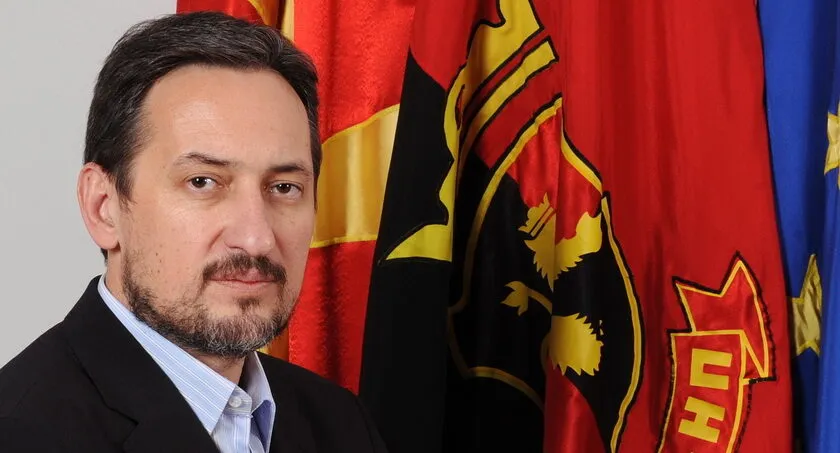
Bulgarian minister Čamova used the phrase „North Macedonian” in one statement, and Skopje reacted instantly. Ljubčo Georgievski, leader of VMRO-NP and former prime minister, weighed in on his own terms - with a point many didn't expect.
According to Georgievski, the terms „Macedonian” and „Macedonian-ness” have always had a permanent presence in Bulgarian historical literature. That isn't a political thesis - it is an empirical fact for anyone who has worked with Bulgarian historiography from the 19th and early 20th centuries. Even at moments when Bulgarian institutions officially rejected Macedonian aspirations, the terminology lived on in the literature as a reality, not as an invention.
Georgievski qualifies the use of „North Macedonian” as a „logical slip” often made by foreign diplomats, rather than a conscious provocation. Still, he stresses that such phrases carry weight because they come after two terms of Bulgarian vetoes against Macedonia's EU integration. The social media outrage at the formulation is the expected continuation of old pain - Bulgarian media and a part of the political class are still fighting battles they lost in the domain of „the Macedonian question”.
One interesting point from Georgievski: he says Bulgaria made a strategic mistake by allowing the two states to publicly present themselves as international opponents. Through the lens of international diplomacy, with Macedonia as a small country attractive to the EU, and Bulgaria as an ambitious regional player - Bulgaria's hardline stance has not earned it any international points. It built an image of a big neighbour using its advantage.
For the Balkan reader, these debates are wearyingly familiar. What is new is the tone - Georgievski doesn't talk about „Bulgarian aggression”, he talks about a „Bulgarian mistake”. That is an analytical, not a reactive approach, and our politicians rarely take it. Once they settle into defensive mode, it is hard to switch into a conversation that requires acknowledging complexity.
How much these rhetorical rearrangements will actually deliver is another question. EU integration still depends on constitutional amendments, minorities, border frustrations. Historical and literary discussions matter for identity, but real progress happens in legal documents, not in tweets.
The latest 10 news from this category
Marta Kos listed the countries getting a timetable. We are not on it. What remains is the condition we know...
Monitoring by the All for Fair Trials coalition: hearings twice a year, proceedings running up to 33 months, and young...
Of 340 million denars, only 40 million came from private money - the rest came from the State Lottery. Prosecutors...
The State Audit Office already warned that withholding the points makes favouritism possible. The rulebook requiring them to be published...
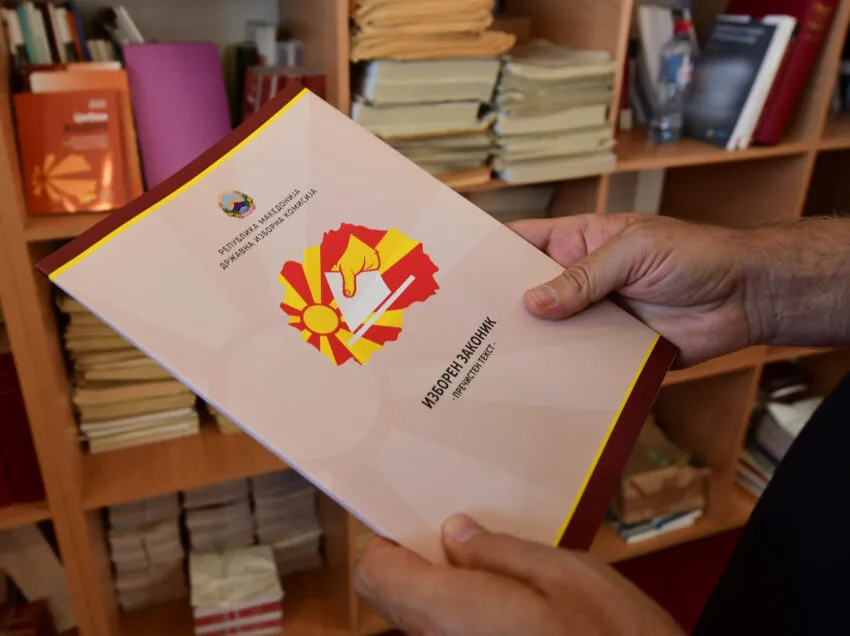
Two senior officials announced progress, the two largest parties denied it the same day. The amendments sit blocked behind 13,500...
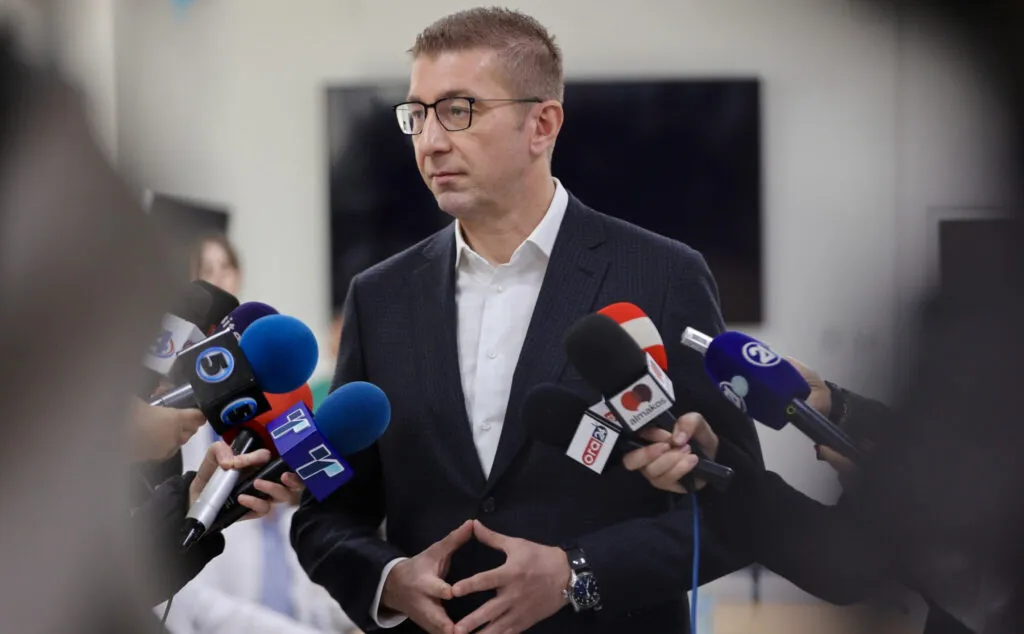
The police acted on their own knowledge, without the PM filing anything at all. The same mechanism exists for every...
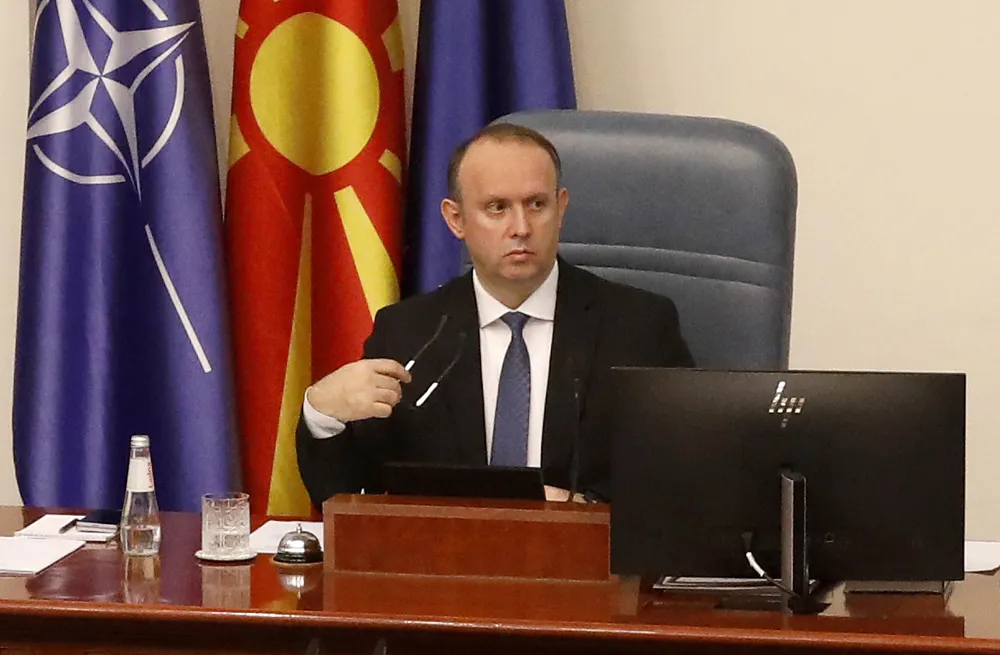
The Electoral Code is the one unfulfilled reform obligation, and the working group does not even know when it will...
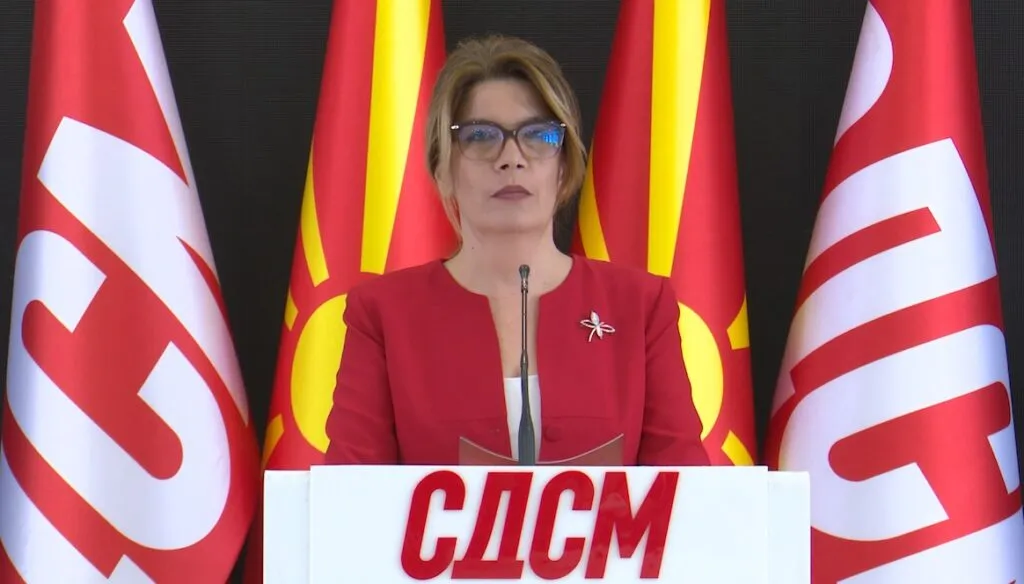
It was supposed to cost "zero denars". Now the opposition wants an investigation, and the timeline - David Guetta announced...
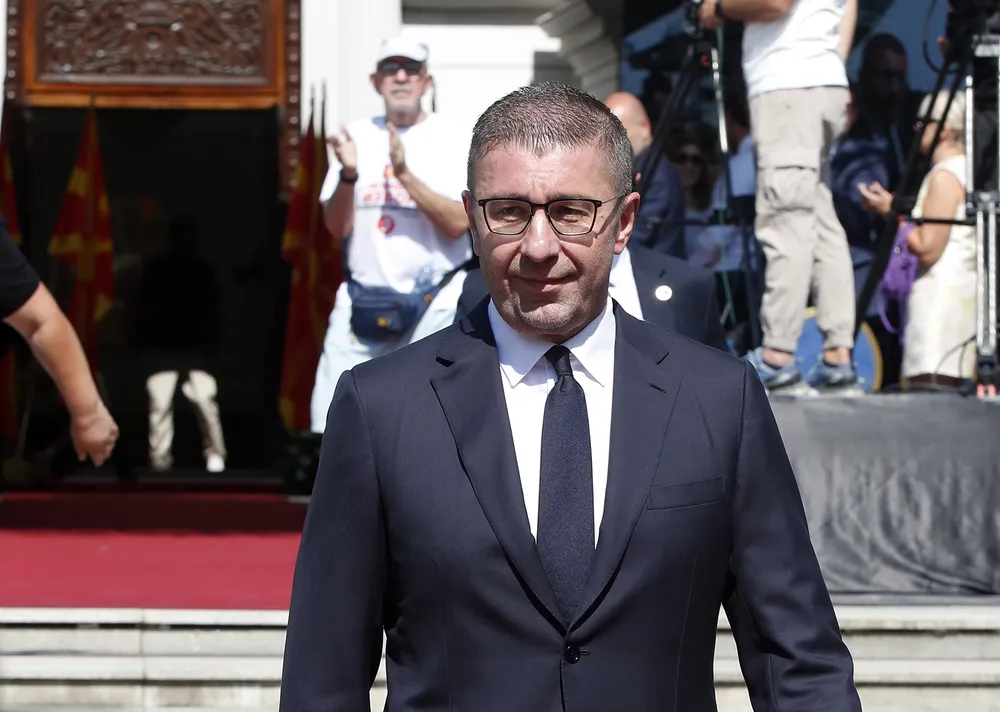
Five negations in one sentence, pension growth "16 times higher" with not a single figure beside it, and a third...
One side waits for a letter, another waits for a different commission, a third waits for consent. In those same...
This site uses cookies - is that okay? Learn more
Be the first to know when Metla launches something new
Leave your email and we will write when there is a new guide or something new on Metla.