Three of Four Sensors Were Dead: Skopje's Vodno Cable Car Ran Fifteen Years Without a Real Service
17.09.2026


17.09.2026

17.09.2026

17.09.2026

17.09.2026

17.09.2026

17.09.2026

17.09.2026

16.09.2026

15.09.2026

17.09.2026

17.09.2026
16.09.2026

17.09.2026
17.09.2026

17.09.2026

17.09.2026

16.09.2026

15.09.2026

17.09.2026

17.09.2026

17.09.2026

17.09.2026

17.09.2026

17.09.2026

09.03.2026

27.02.2026

19.02.2026

23.04.2026

23.04.2026

12.04.2026

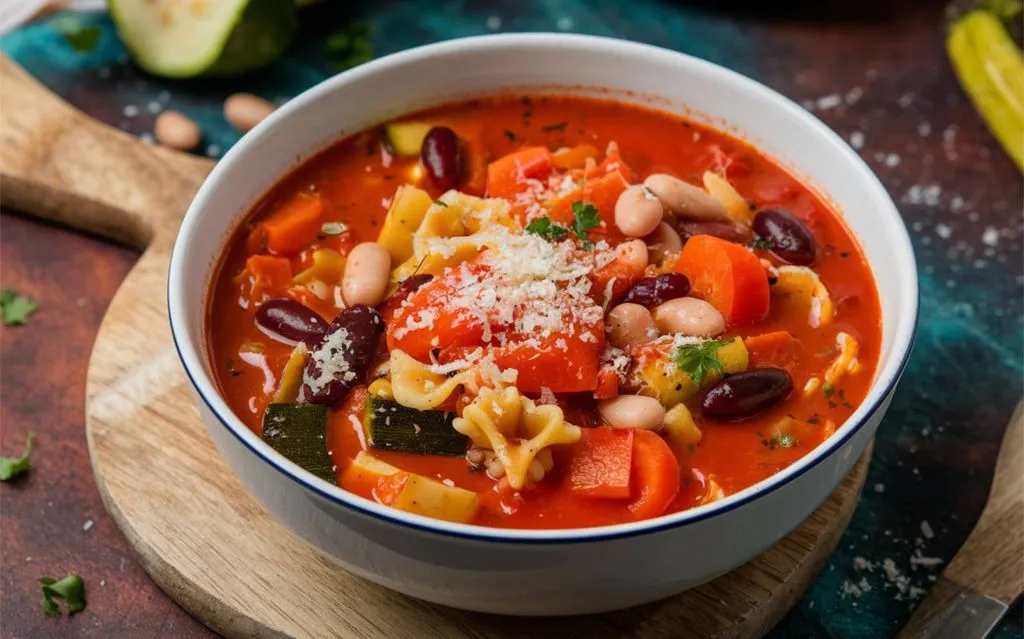
Minestrone is not a recipe - it is a principle. Italians don't agree on a single rule, except for one: the more ingredients, the more season. In the northern regions they use rice, in the south pasta. In Venice they put in white beans, in Tuscany chickpeas. There are families where minestrone is made without tomato, and families where the tomato is the entire soul. One thing is certain - this soup solves dinner in 50 minutes.
The list is not expensive. You need: 1 courgette, 1 onion, 1 potato, 1 stalk of celery, 1 carrot, 1 tomato, 1 clove of garlic, 1.5 liters of water, 100 g of short pasta, 75 g of peas (from a can), 100 g of cooked white beans, a piece of Parmesan, olive oil, salt. Everything an average Balkan kitchen already has - unless the beans weren't soaked the day before.
The cooking is quiet work. First, sauté the garlic and onion in olive oil - that is the sofrito, the foundation of flavor. No matter how many other ingredients you throw in, if the sofrito is wrong, the soup will be hollow. Italian cooks say: "The sofrito is the heart." Do not skip it.
Then add the root vegetables - carrot, celery, courgette, potato - cut in cubes. Five minutes on low heat. They soften, release their juices. This is the critical moment - not too long, not too short. When the aroma starts, that is your signal. Pour in the water, add salt, cook covered for about 10 minutes. After that, in go the peas and beans - another 2 minutes of simmer. You're done.
Now the two essential tricks. First: cook the pasta separately. If you throw it into the soup, it soaks up the water and the next day you have mush. Put it in the bowl and pour the soup over it. Second: instead of water - use a light vegetable or chicken broth. That is not a luxury, that is the difference between an ordinary and an excellent minestrone.
You finish with grated Parmesan and a few drops of olive oil. Optional: a spoonful of pesto. And that's it - 50 minutes of work, five euros of ingredients, and a result that doesn't depend on the cook's mood. Minestrone doesn't beg for mercy - it works every time.
The latest 10 news from this category

Home-made chicken curry fails at the same point for everyone. The difference is made by one step that has nothing...
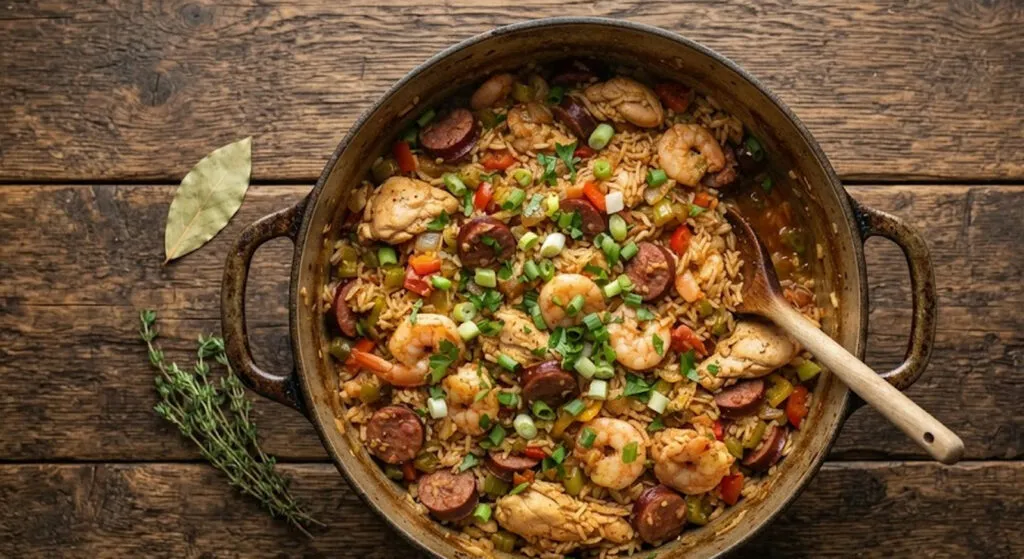
Jose Andres has lived in America for over thirty years, and when asked for his favourite American dish he named...
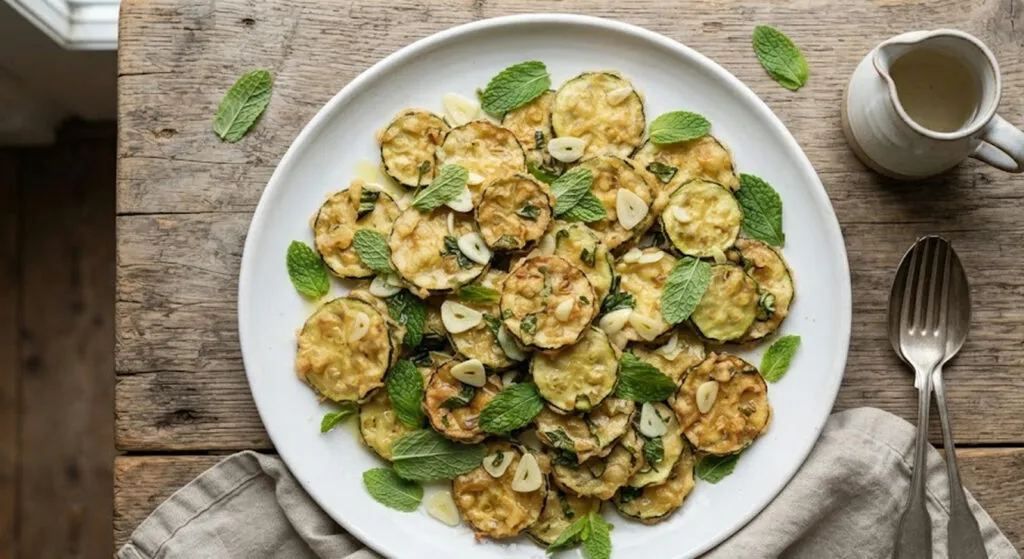
A kilo of courgettes, mint, garlic and eighty millilitres of vinegar. Not one expensive ingredient - and the water you...
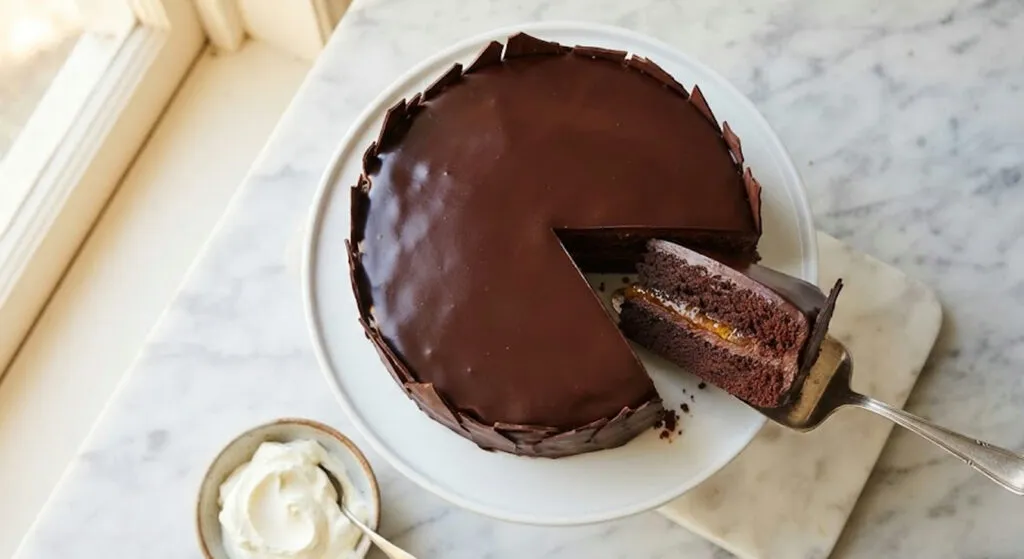
Whoever beat all the eggs together made a different cake. And the glaze must not pass 45 degrees, or the...
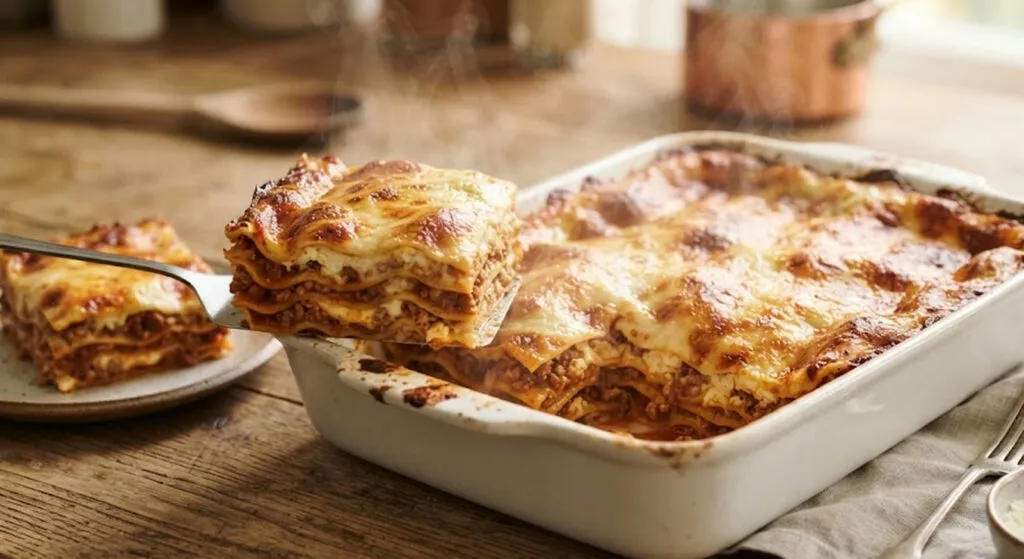
One rule applies to all three and it is the one most often skipped. It is not a recommendation to...
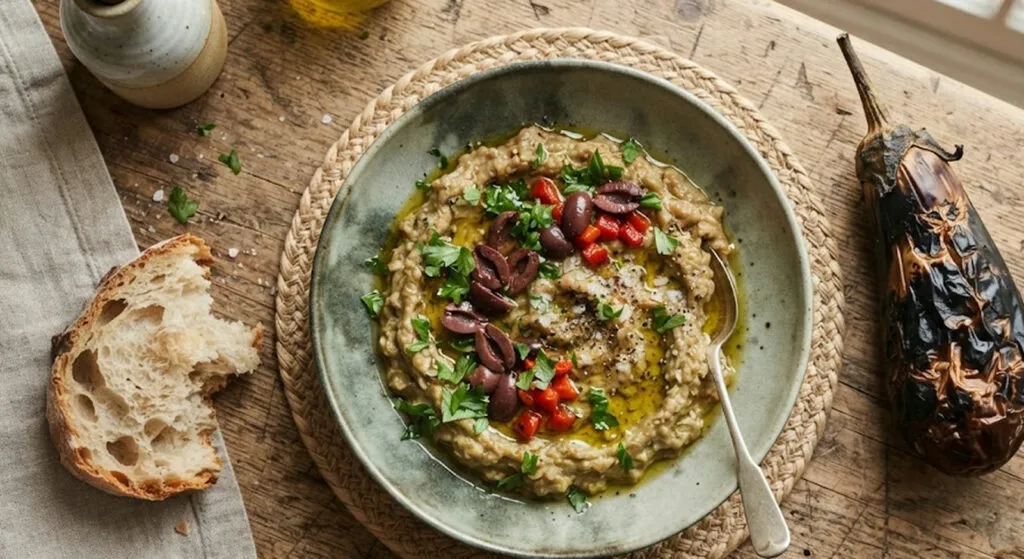
One single ingredient separates melitzanosalata from mutabal - tahini. Three aubergines, one clove of garlic, and an oven at 220...

The chicken ends up in the pan anyway. The salad that was sitting half a metre away does not.
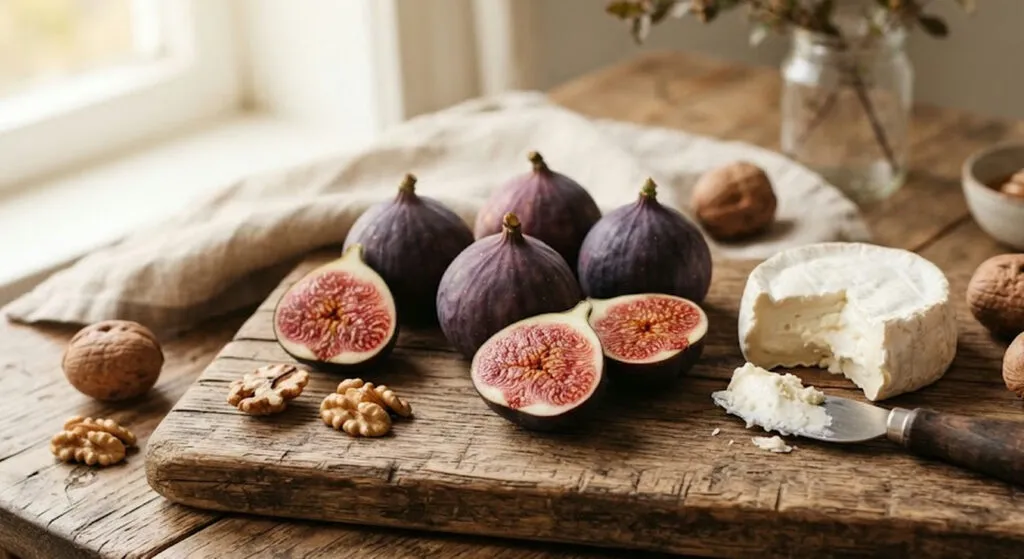
This year the season started as early as August because of the heat. From breakfast to pizza - everywhere a...
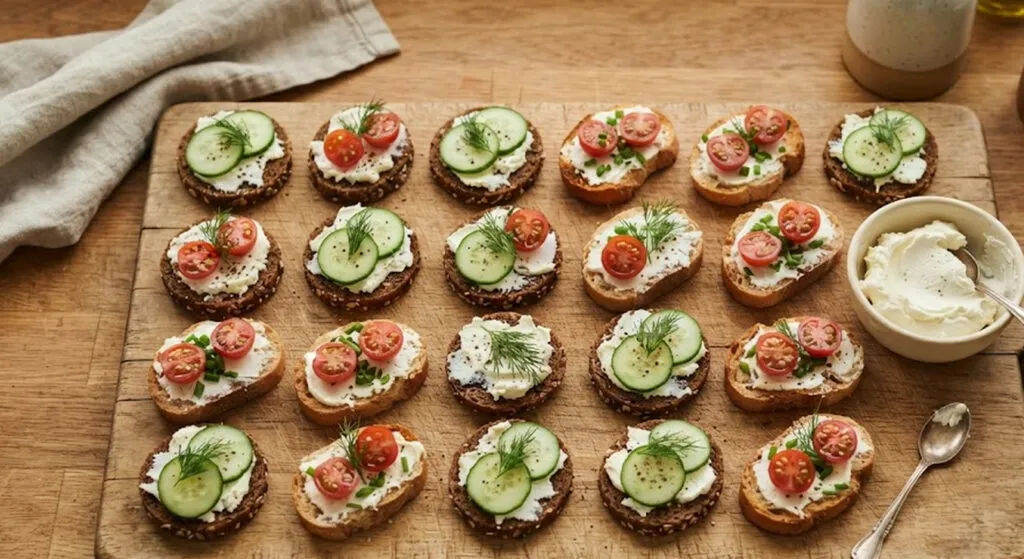
The recipe is not hard, the temperature is wrong. Ten cream cheese canapés and the two rules without which none...
The image of boiled chicken breast is wrong. The indulgence is planned, not broken.
This site uses cookies - is that okay? Learn more
Be the first to know when Metla launches something new
Leave your email and we will write when there is a new guide or something new on Metla.