The "Lottery" Trial: 231 Pieces of Evidence, and So Far Not a Single Message Between Grubi and Bajrami
24.09.2026


24.09.2026

24.09.2026

24.09.2026

24.09.2026

24.09.2026
24.09.2026

24.09.2026
23.09.2026
22.09.2026

24.09.2026

24.09.2026
23.09.2026
24.09.2026

24.09.2026

24.09.2026
24.09.2026
23.09.2026
22.09.2026
24.09.2026

24.09.2026

24.09.2026

24.09.2026

23.09.2026
23.09.2026

09.03.2026

27.02.2026

19.02.2026
24.09.2026
23.09.2026
22.09.2026

23.04.2026

23.04.2026

12.04.2026

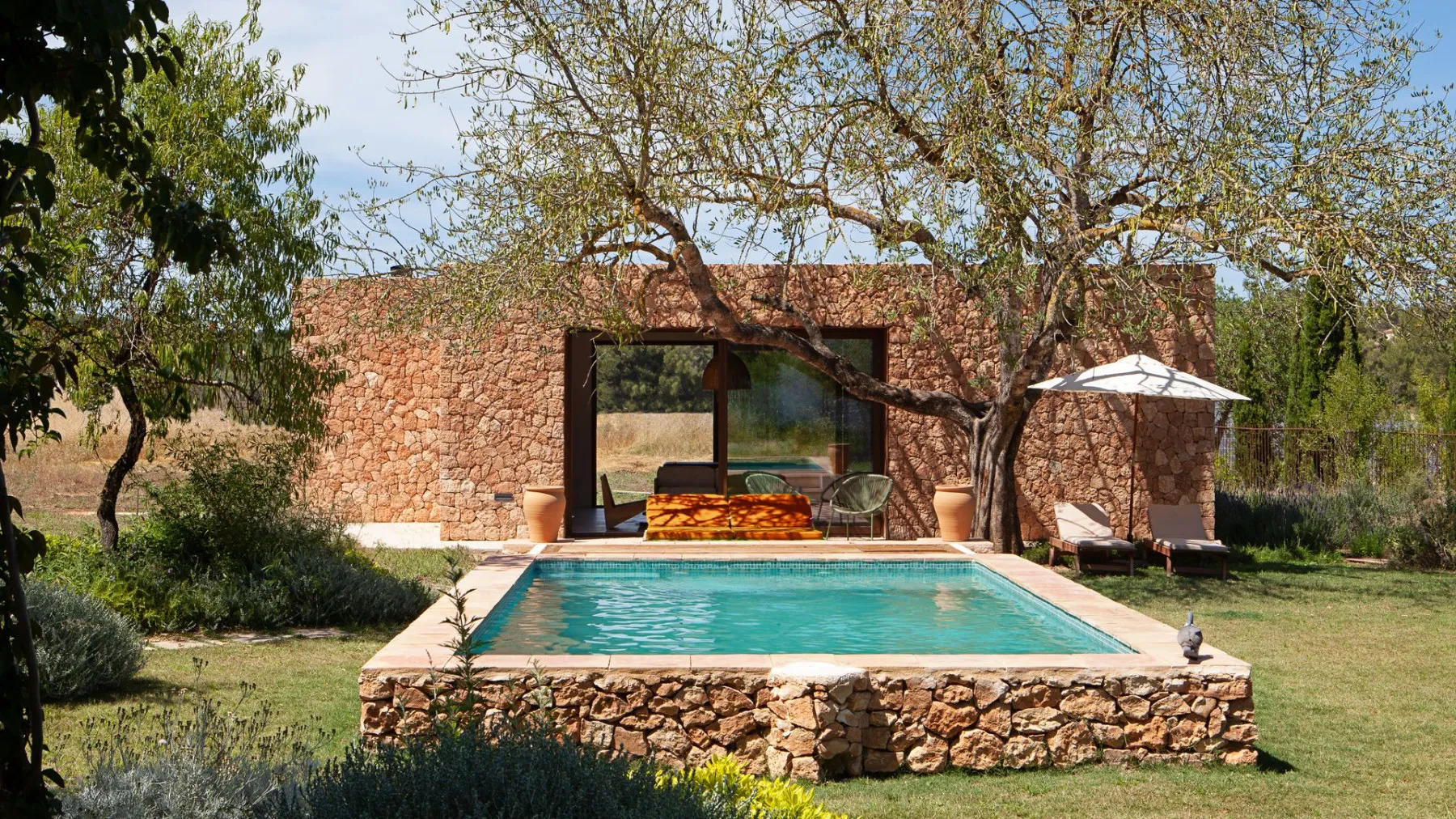
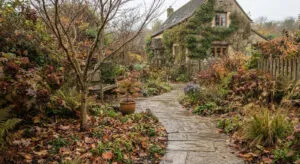
A house in the village is not a house in the city. It is what the architects who do this every day keep repeating, and what investors who got burned learned - with money. José López Pinilla and Sebastián Rojas Parada from the studio Rural by Estudio Común have made a profession out of painting in nature with tweezers, not a brush. Their principles are simple, but most people who ignore them pay dearly.
"Thinking about a rural house with an urban mindset is a mistake because it ignores the essential thing - context," says López Pinilla. "Context stops being secondary and becomes the starting point." That means before you draw floors, choose wall colors, or open Pinterest, you have to understand the land. Where does the wind blow? Where does water collect in winter? Where is the sun at 2 p.m. in August? A rural house must answer those questions before it answers aesthetics.
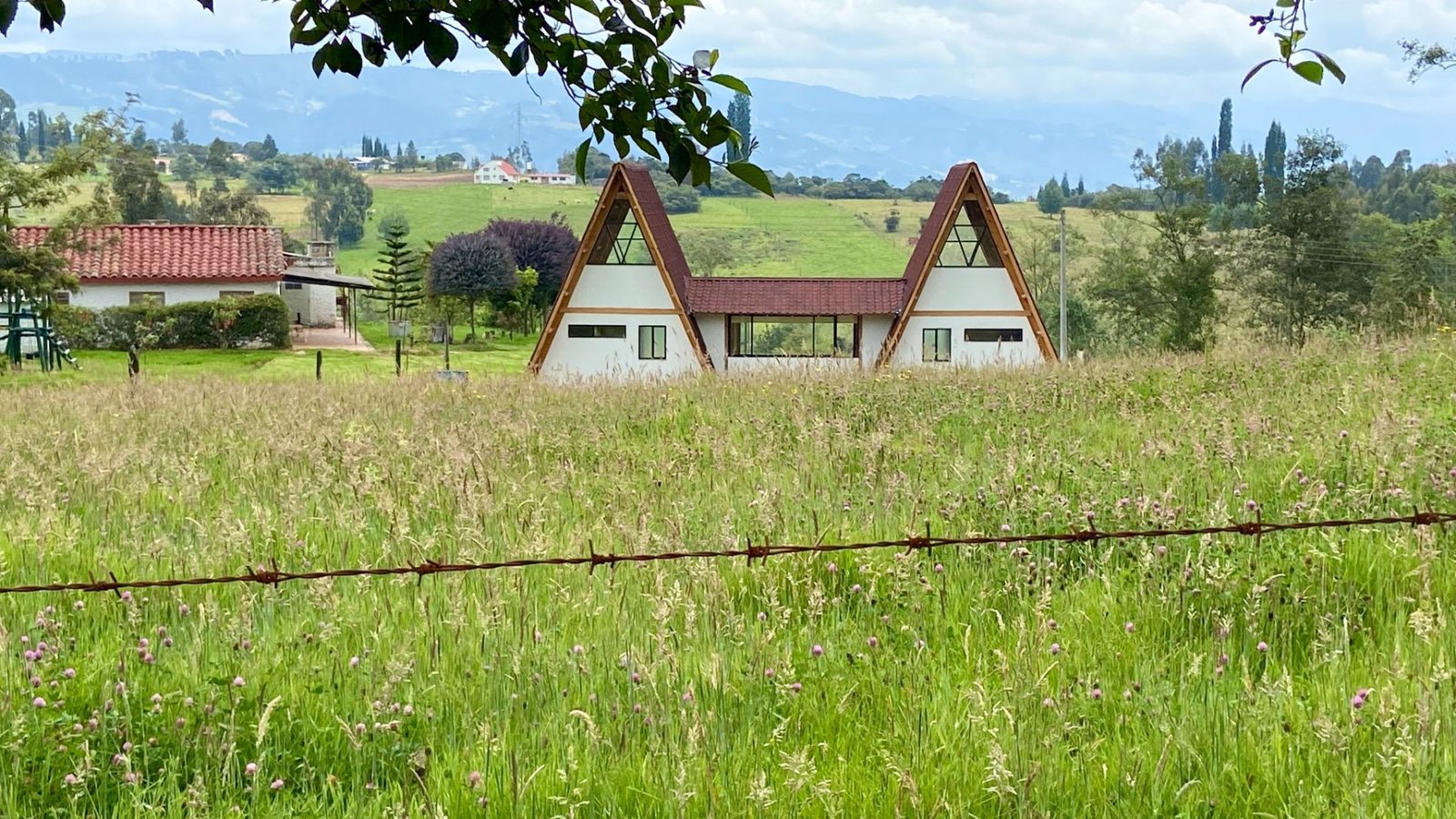
The first big mistake is starting from aesthetics. "The project does not define the way of living - the way of living should define the project," says Rojas Parada. Anyone who starts with "I want an open concept" or "I want glass walls" ends up with a house that does not serve them, but serves Instagram. And Instagram does not pay rent.
The second big mistake - forcing the terrain. Many investors want a flat surface, so they start with leveling, digging, importing soil. That makes the project expensive, ruins the natural flow of water, and deforms the landscape. "When the project forces the terrain instead of adapting to it" - that is the first sign the job will be a problem, says López Pinilla.
The third mistake, and perhaps the biggest when ignored - water. "One of the most ignored factors, and the one that causes most problems, is water," says the team. Natural runoff, drainage, erosion - all of this has to be studied before a single excavator scoop. Houses that flood every five years were not built without a budget - they were built without analysis.
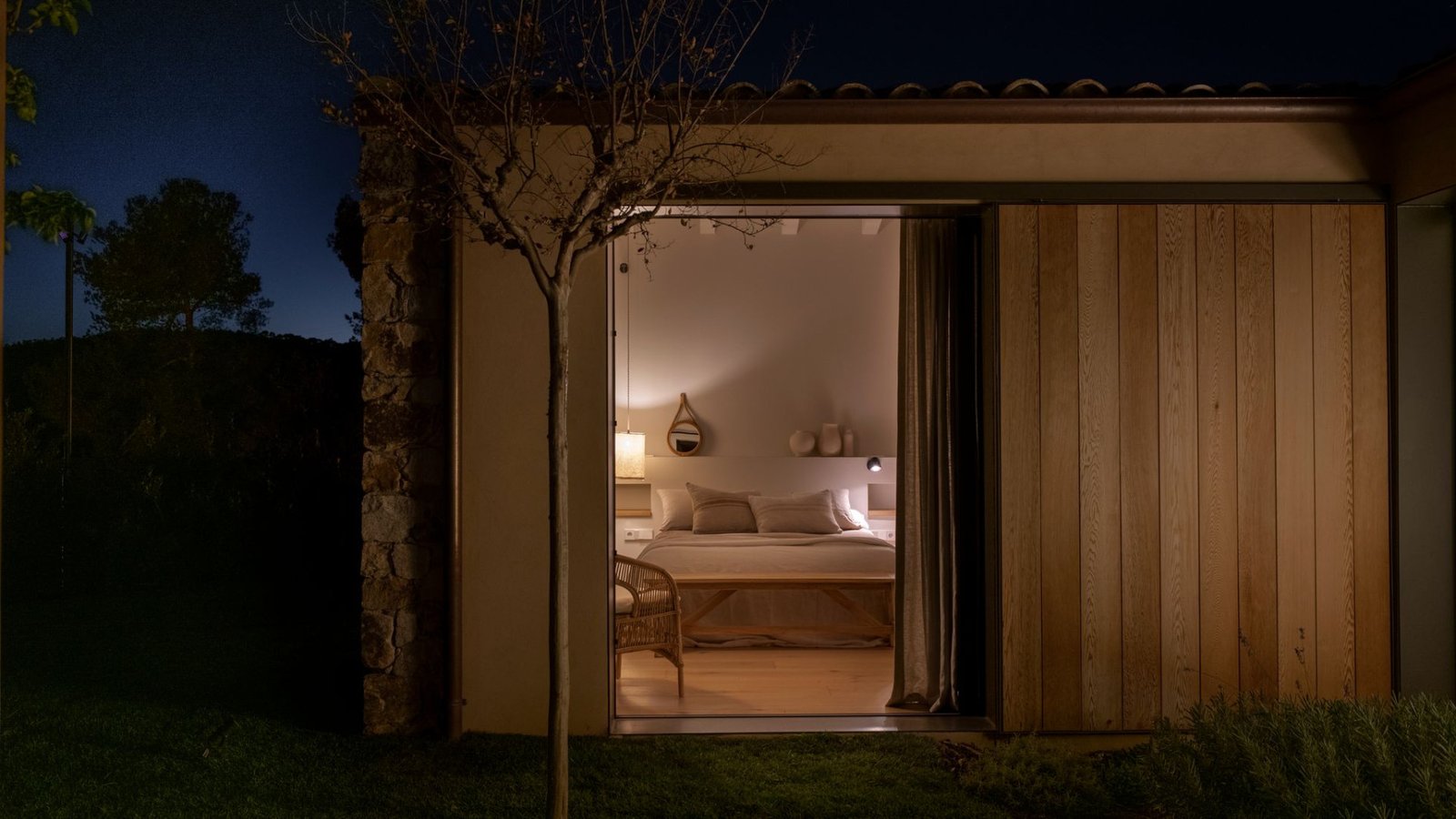
What works? Systemic thinking - the house is not an isolated unit, it is part of a larger landscape. Wind direction, views, walking paths, connection to neighboring plots - all of it matters. Second strategy: natural sustainability. Solve water, energy and comfort through natural strategies, not compensating systems. That means the house works well even when the electricity and the AC are off.
Third strategy: time-oriented design. "Materials and construction techniques are not an aesthetic decision, they are a strategic decision," the architects say. Local materials are usually better because they are adapted to the climate, easy to transport, and cheap to repair when they break. And really - "refinement is not in the technology or the expensive materials, but in the intelligence of the project."
What should a Balkan reader do with this? First - if you are planning a house in the village, do not start with Pinterest. Start with a walk around the land in different seasons. How does it look in January, in July, in autumn? No architect can have that information without a personal visit. Second - do not import urban solutions. A house with big glass walls on a windy hillside in the Balkans makes no sense. Third - water. Ask the neighbor, not the survey report. He knows what actually happens.
As López Pinilla puts it: "The best starting point is not the house, but the life the place implies." And: "In rural contexts, adapting will always be smarter than imposing." For anyone in the Balkans about to start building - that is advice worth more than the architectural project itself.
The latest 10 news from this category
Luxury isn't about showing off, it's about detail, says the architect. That's why the best light in this flat went...
The exposed brick and ribbon windows stayed, and the entire palette came out of a single painting above the sideboard....

An Eames lounge chair from 1956, a Fratini shelving unit and a concave cobalt mirror that reflects the room curved....
Four bedrooms, four bathrooms and one rug that keeps the dining area separate without a wall. Three things in this...
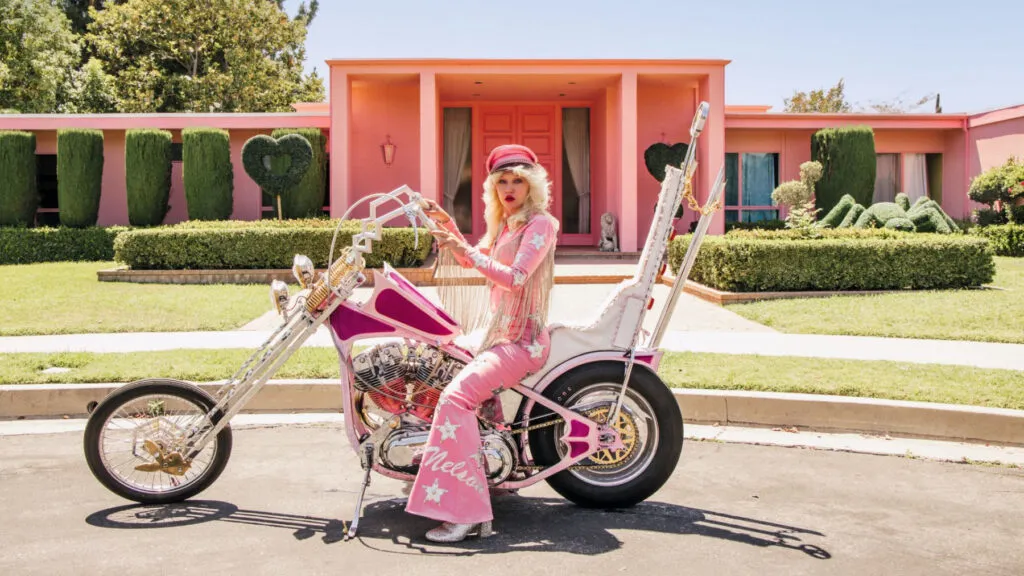
She did not decorate a house - she built a world. And behind all that fantasy there is no inheritance,...
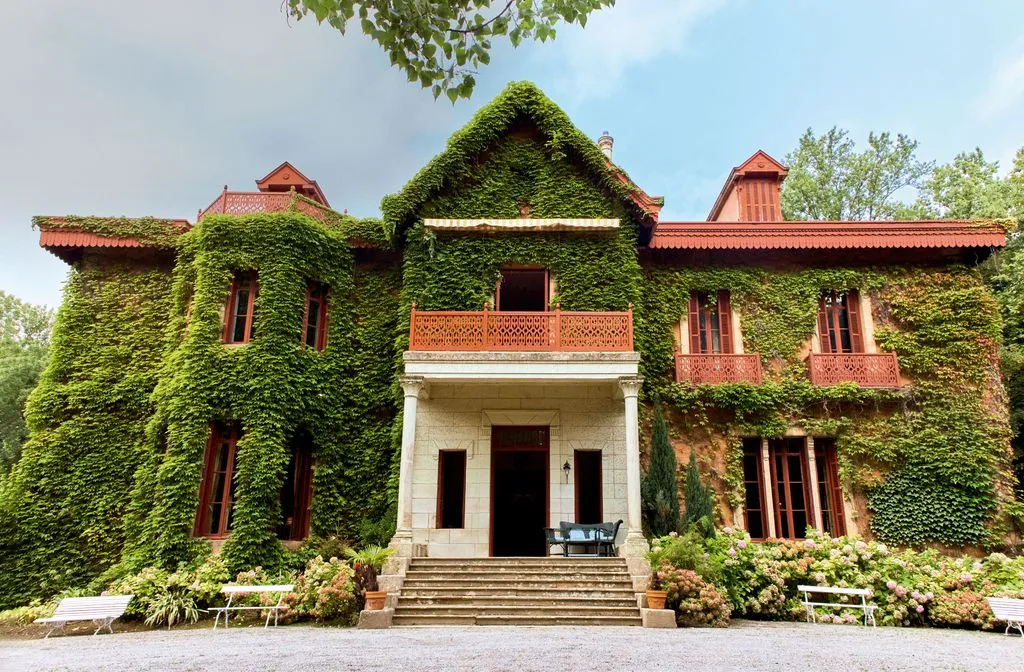
The stairwell has been turned into a gallery, and in the bedroom there is not a single attempt at an...

In the vast majority of flats the ceiling stays white because that is how it was found - not because...
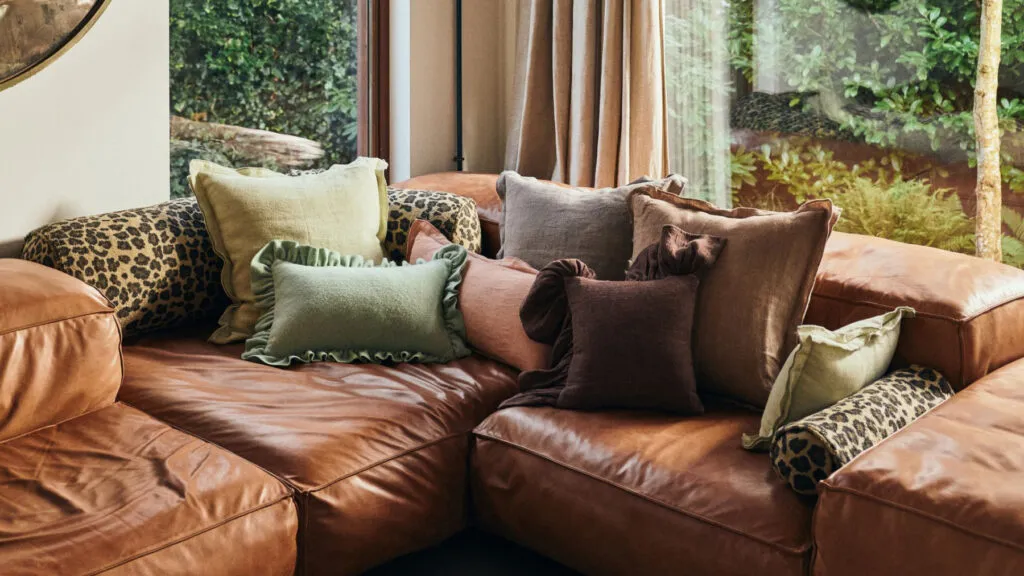
It is not hoarding and it is not maximalism. Ten things that used to be hidden when guests came and...
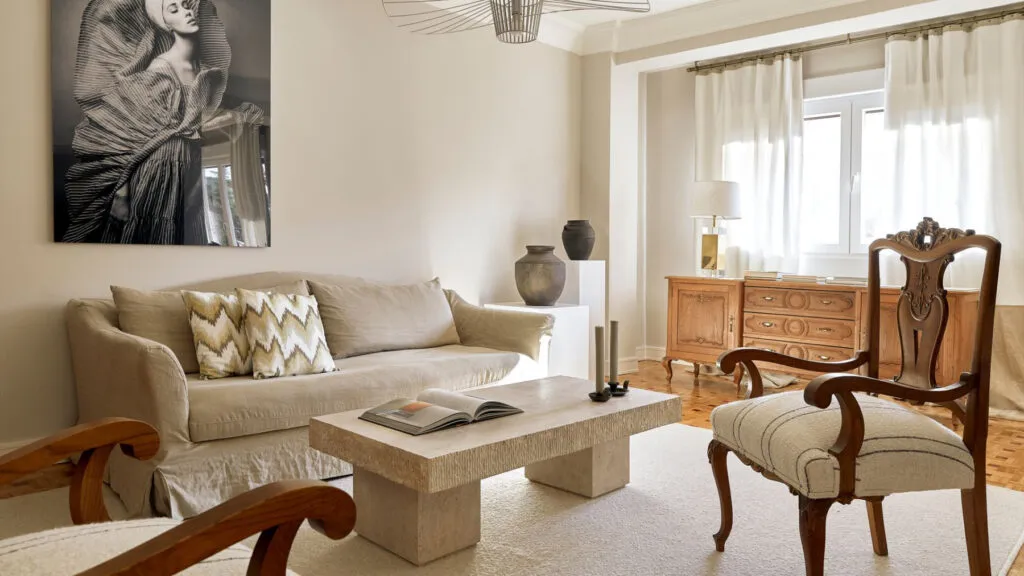
A bespoke console, reupholstered armchairs and wallpaper hung like art. The most expensive thing in the flat is the decision...
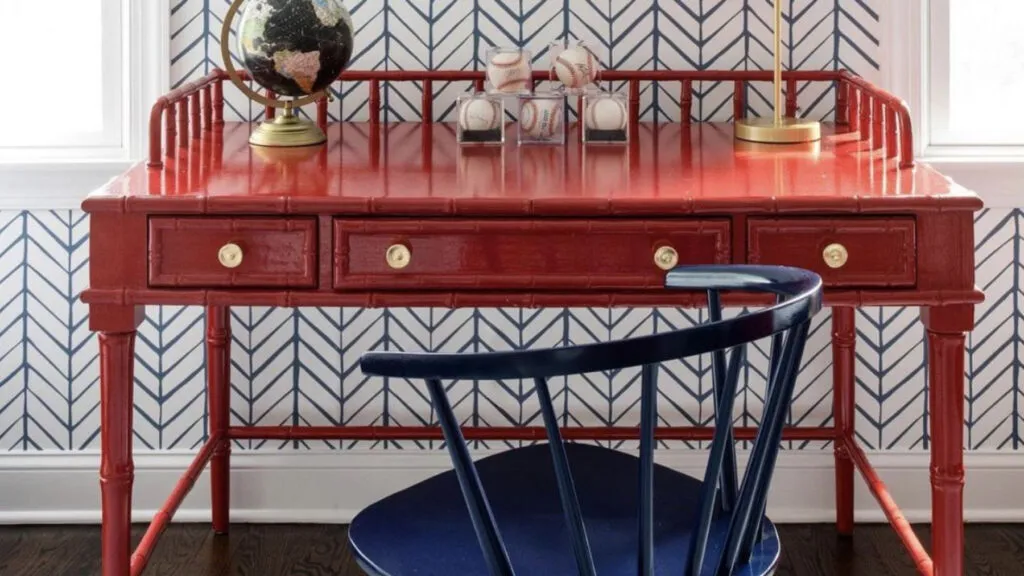
For years the rule was everything neutral and everything from the same collection. The result is a living room that...
This site uses cookies - is that okay? Learn more
Be the first to know when Metla launches something new
Leave your email and we will write when there is a new guide or something new on Metla.