The "Lottery" Trial: 231 Pieces of Evidence, and So Far Not a Single Message Between Grubi and Bajrami
24.09.2026


24.09.2026

24.09.2026

24.09.2026

24.09.2026

24.09.2026

24.09.2026

24.09.2026
23.09.2026
22.09.2026

24.09.2026

24.09.2026
23.09.2026
24.09.2026

24.09.2026

24.09.2026
24.09.2026
23.09.2026
22.09.2026

24.09.2026

24.09.2026

24.09.2026

24.09.2026
23.09.2026
23.09.2026

09.03.2026

27.02.2026

19.02.2026

24.09.2026
23.09.2026

22.09.2026

23.04.2026

23.04.2026

12.04.2026

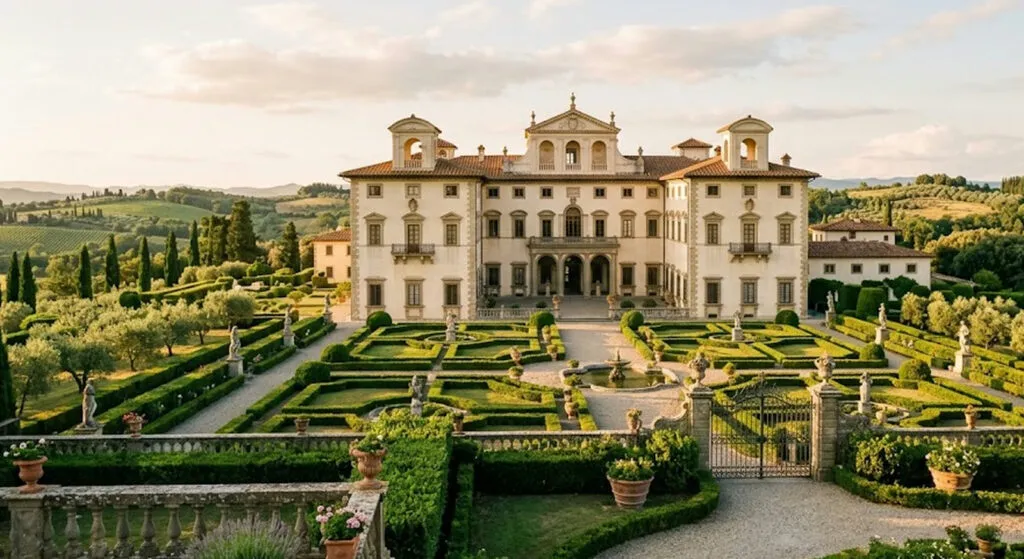
There are villas in Rome built for guests and for social media. And there are those built for grandchildren. Maria Sole Torlonia - heir to two of the most prominent Italian dynasties, Agnelli and Torlonia - lives in one of the latter. The estate in the Roman countryside was planned by her grandparents in the 1950s and completed in 1960. „Everything that exists here today was conceived and created by my grandparents from the very beginning”, she says.
The main house is the work of the architect Tomaso Buzzi, who designed it in 1956. Symmetry without pomp, fitted to the terrain instead of architectural arrogance. When you see a Roman architectural project from that era, you immediately recognise it - this isn't the luxury of the newly rich, it is the discreet style of people who have had abundance for generations and don't have to prove it again.
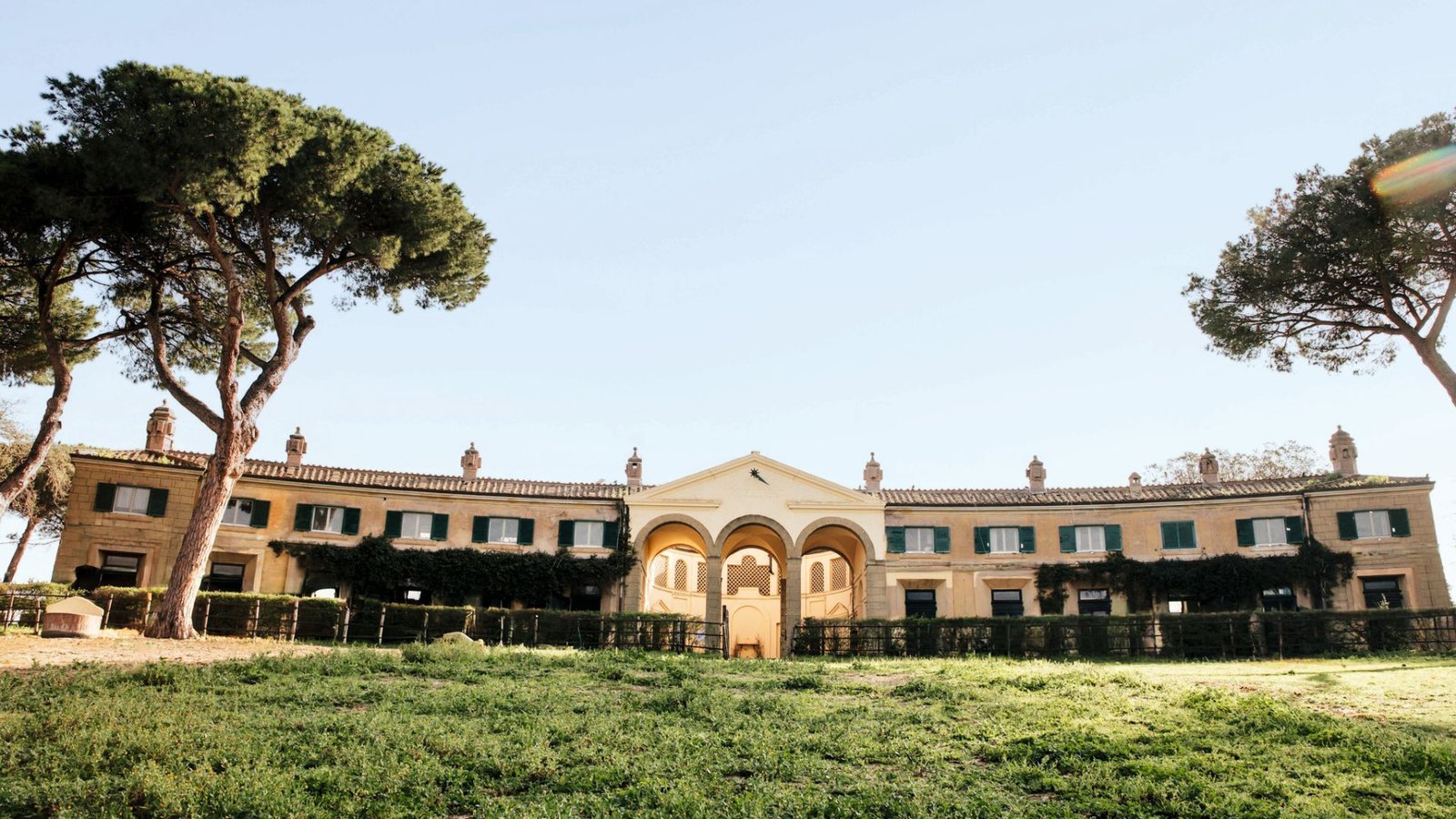
Inside, in the central round salon, you find signature pieces by the decorator Renzo Mongiardino. That name is worth remembering - he is the man who decorated the most prestigious Italian homes of the second half of the 20th century. Everything he did carries the stamp of Italian good taste: not excessive, not overly minimal, and always with some historical reference only the host knows.
The dining room is a textbook example of how Italians mix history with daily life - the doors come from a Sicilian sacristy, the Ginori porcelain dates from the late 18th century. This is not a museum. People here eat pasta every week. „I come from two extraordinary families and I tried to absorb the best of each”, says Maria Sole.
The two porticoes - summer and winter - are separate living spaces. In the winter one stands a bamboo bar by Paul Frankl from 1950. Not a design artefact for looking at - simply a counter where cocktails get made. The majolica floors carry bucolic Roman farming scenes, a reminder once again that this isn't an aristocratic pose - it is a very real family memory of where the wealth comes from: the land.
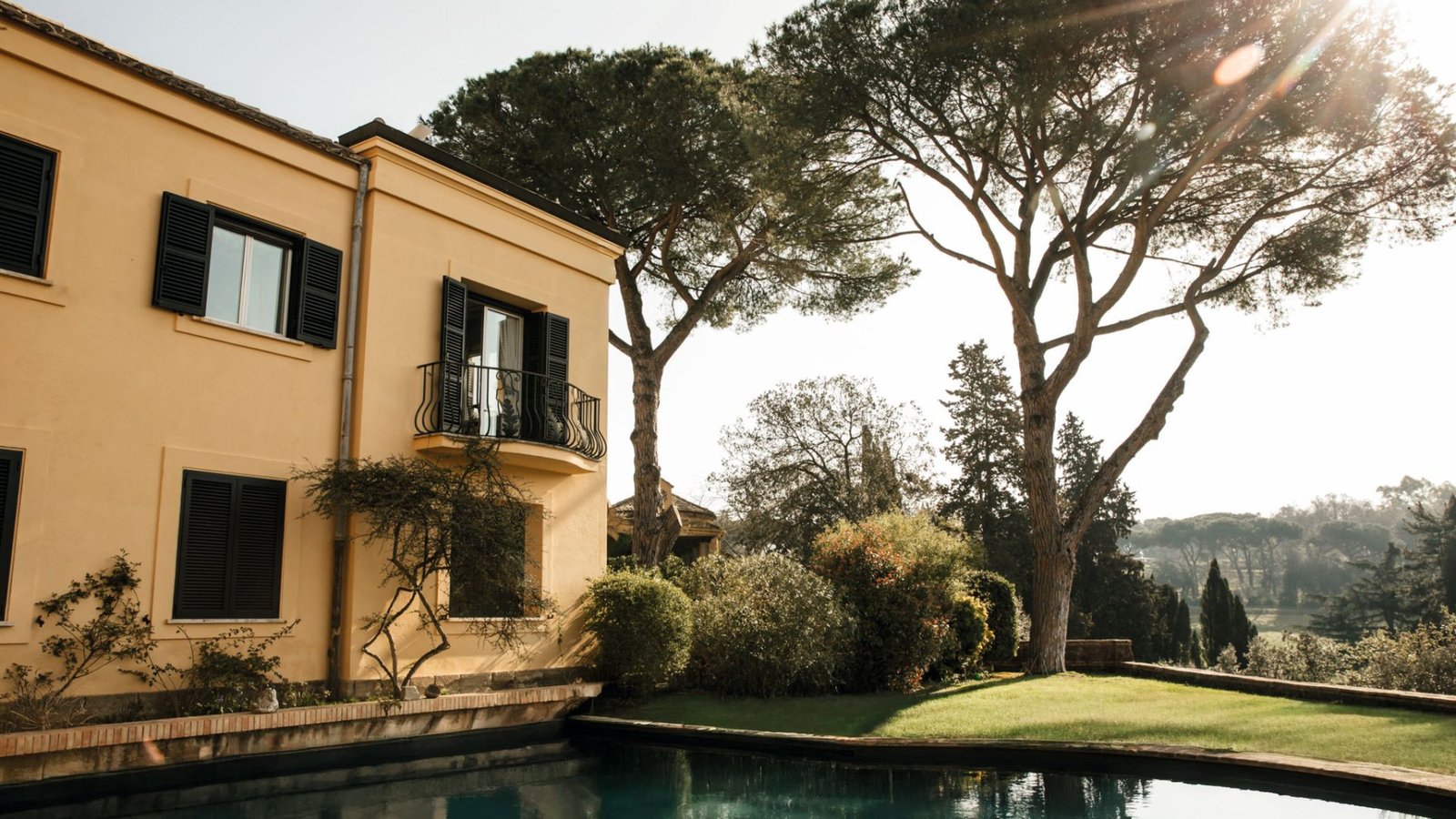
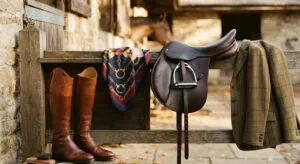
The stables are considered among the most beautiful in the world - and Maria Sole is not there by chance. „I sat on a horse for the first time at two”, she says. Her morning is a ride, then breakfast with the children. Classic European aristocratic routine, but without pretension. The estate is not opened for film shoots, not rented for weddings, not used as a magazine location (except, rarely, for a documented portrait like this one).
Maria Sole does not live only off the family history. In 2013, with Corrada Rodriguez d'Acri and Delfina Pignardi, she founded BLAZÉ Milano - a brand of made-to-order blazers focused on modern femininity. The business runs on its own feet, without leaning on the family name. When you live in a house with floors from 1956 and your grandmother's original works on the wall, you don't have to prove you have taste. You just let it work through the products.
The Torlonia estate works as a complete family structure - a library off the round salon, the kitchen as the heart of the house, the stables full of thoroughbreds, every room designed around a specific rhythm of life. Not for guests. Not for the camera. For how life is lived, every day, 50 years in a row. That is the difference between wealth and inheritance - wealth gets bought, inheritance gets maintained.
The latest 10 news from this category
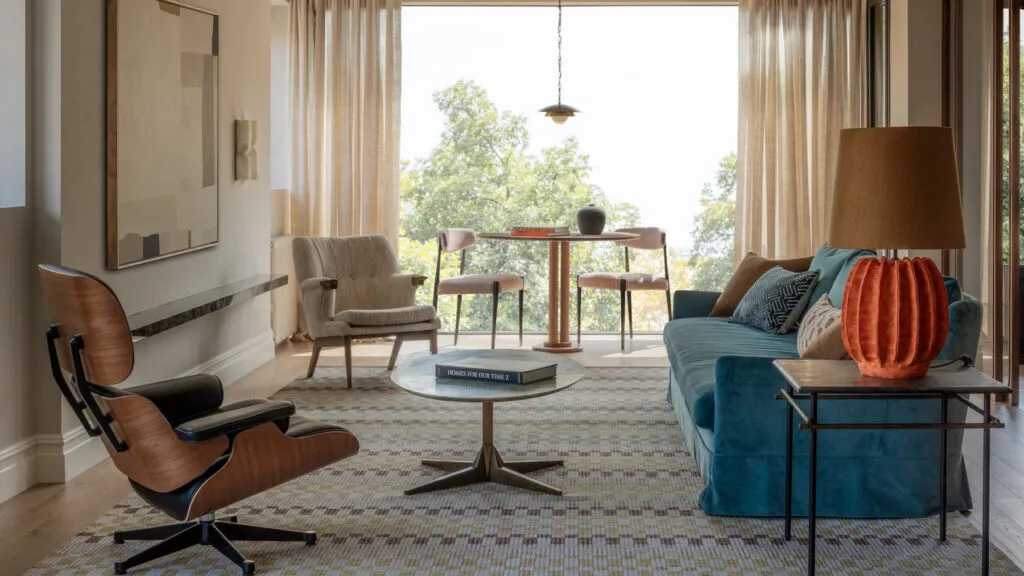
Luxury isn't about showing off, it's about detail, says the architect. That's why the best light in this flat went...
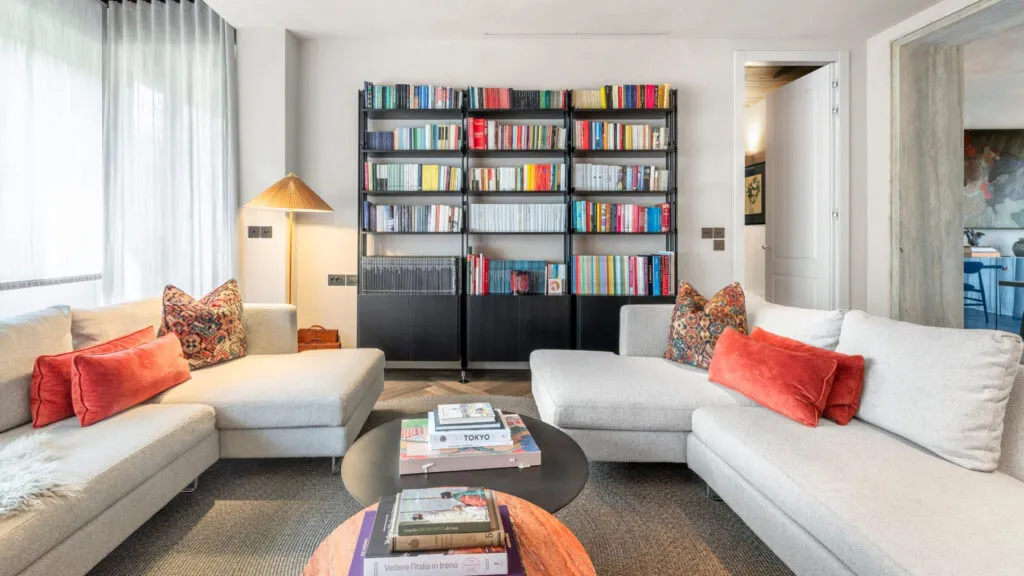
The exposed brick and ribbon windows stayed, and the entire palette came out of a single painting above the sideboard....

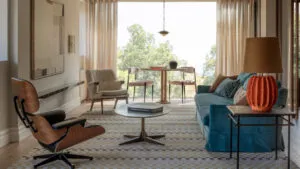
An Eames lounge chair from 1956, a Fratini shelving unit and a concave cobalt mirror that reflects the room curved....
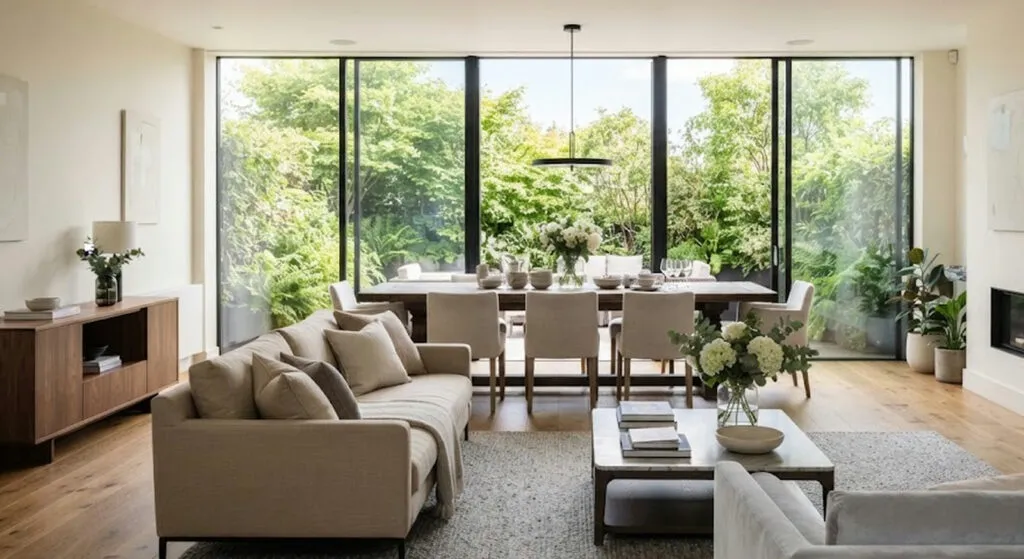
Four bedrooms, four bathrooms and one rug that keeps the dining area separate without a wall. Three things in this...
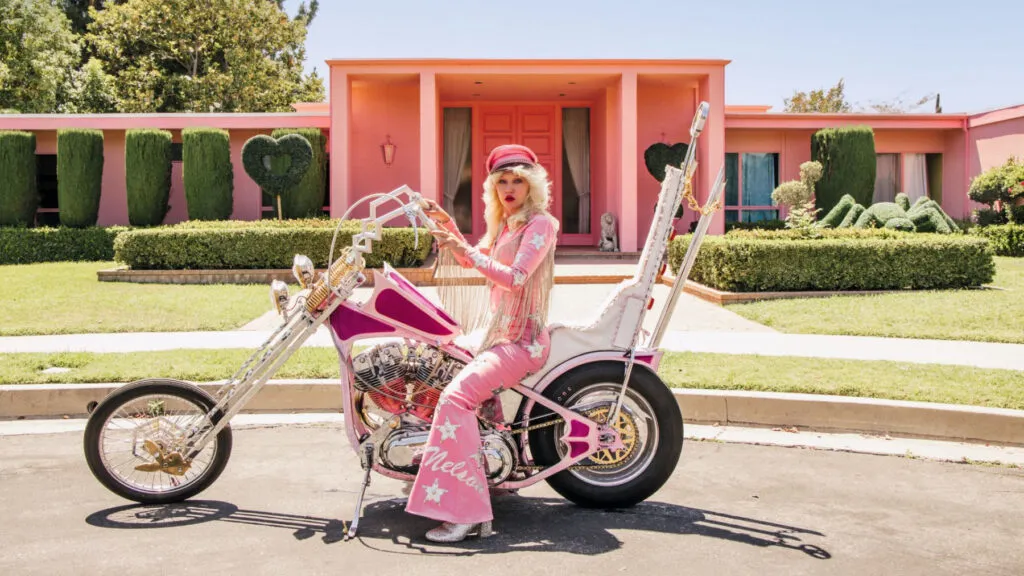
She did not decorate a house - she built a world. And behind all that fantasy there is no inheritance,...
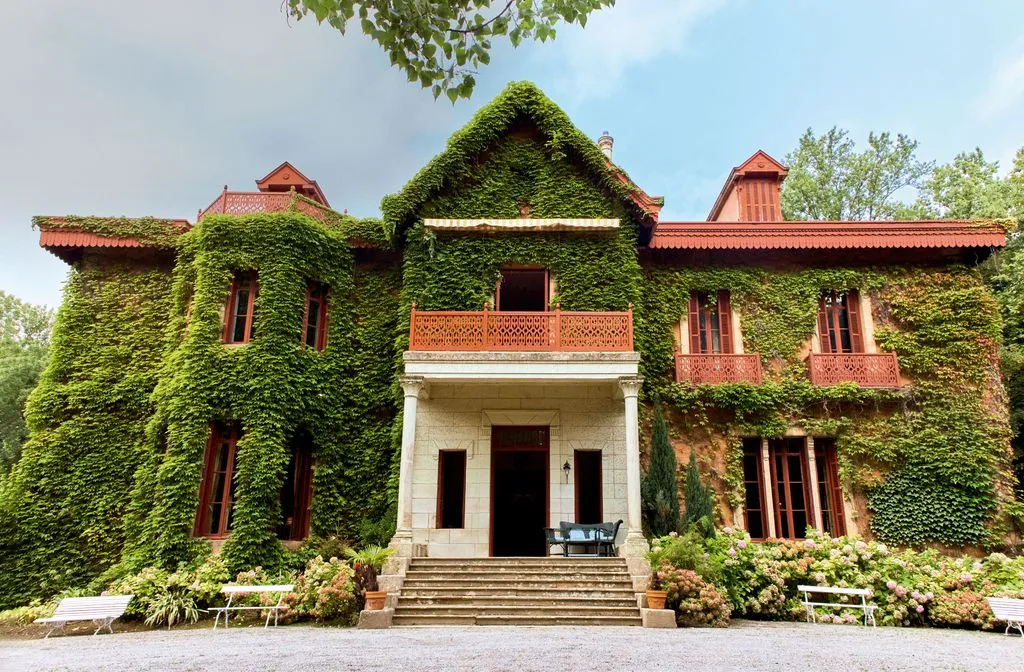
The stairwell has been turned into a gallery, and in the bedroom there is not a single attempt at an...

In the vast majority of flats the ceiling stays white because that is how it was found - not because...
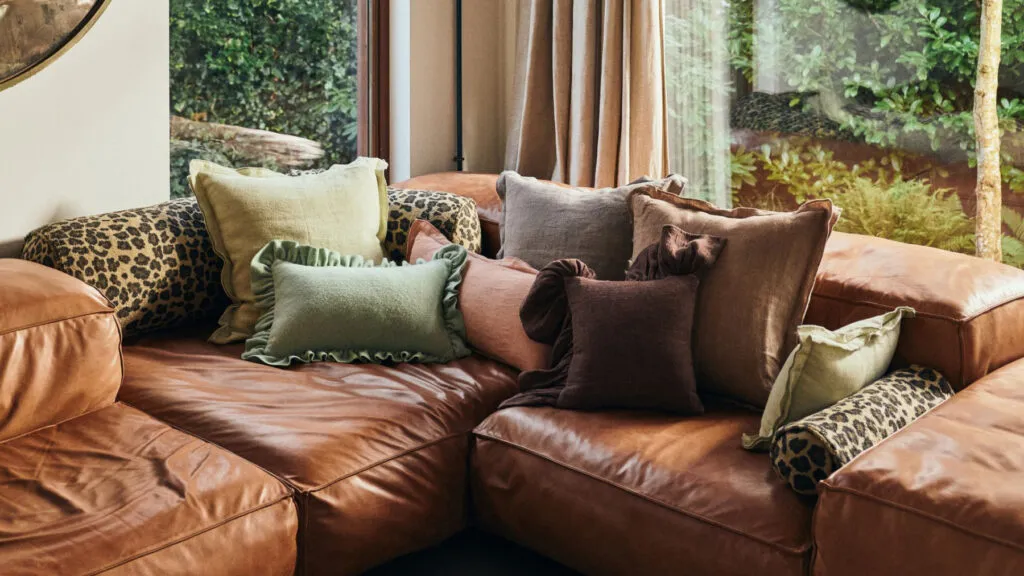
It is not hoarding and it is not maximalism. Ten things that used to be hidden when guests came and...
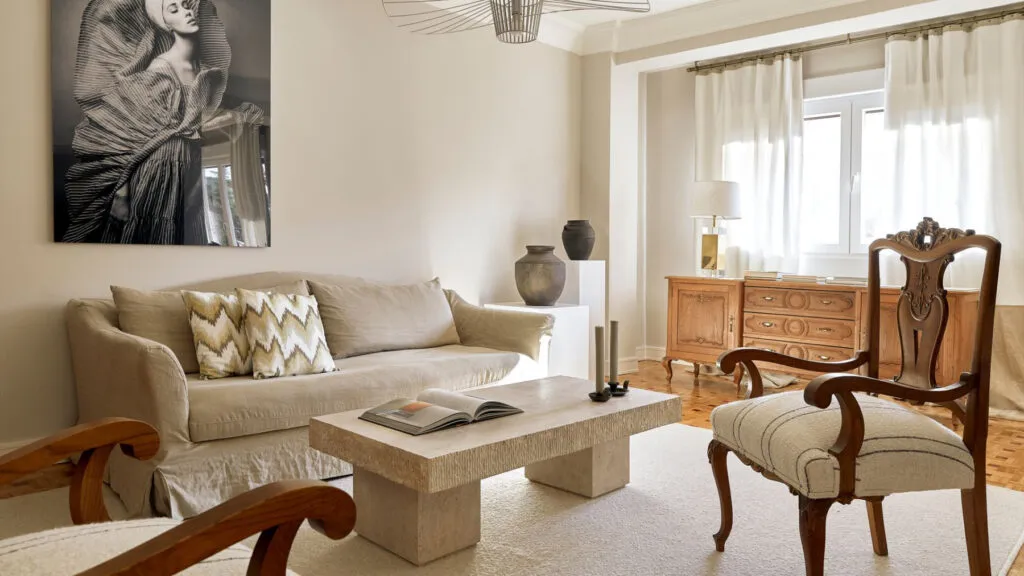
A bespoke console, reupholstered armchairs and wallpaper hung like art. The most expensive thing in the flat is the decision...
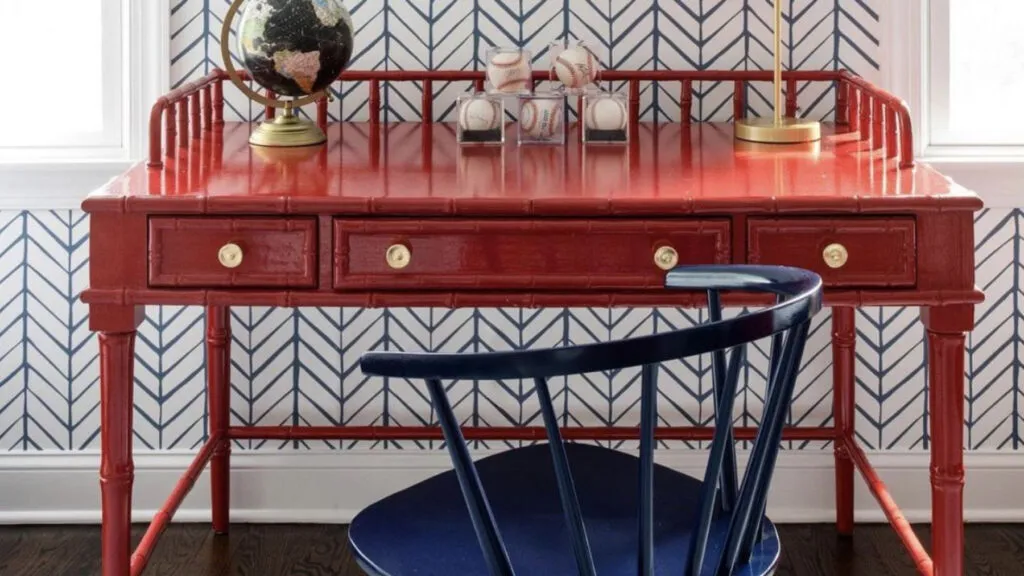
For years the rule was everything neutral and everything from the same collection. The result is a living room that...
This site uses cookies - is that okay? Learn more
Be the first to know when Metla launches something new
Leave your email and we will write when there is a new guide or something new on Metla.