Three of Four Sensors Were Dead: Skopje's Vodno Cable Car Ran Fifteen Years Without a Real Service
17.09.2026


17.09.2026

17.09.2026
17.09.2026
17.09.2026
17.09.2026
17.09.2026

17.09.2026
16.09.2026
15.09.2026

17.09.2026

17.09.2026
16.09.2026
17.09.2026

17.09.2026

17.09.2026
17.09.2026

16.09.2026
15.09.2026

17.09.2026

17.09.2026

17.09.2026

17.09.2026

17.09.2026

17.09.2026

09.03.2026

27.02.2026

19.02.2026

23.04.2026

23.04.2026

12.04.2026

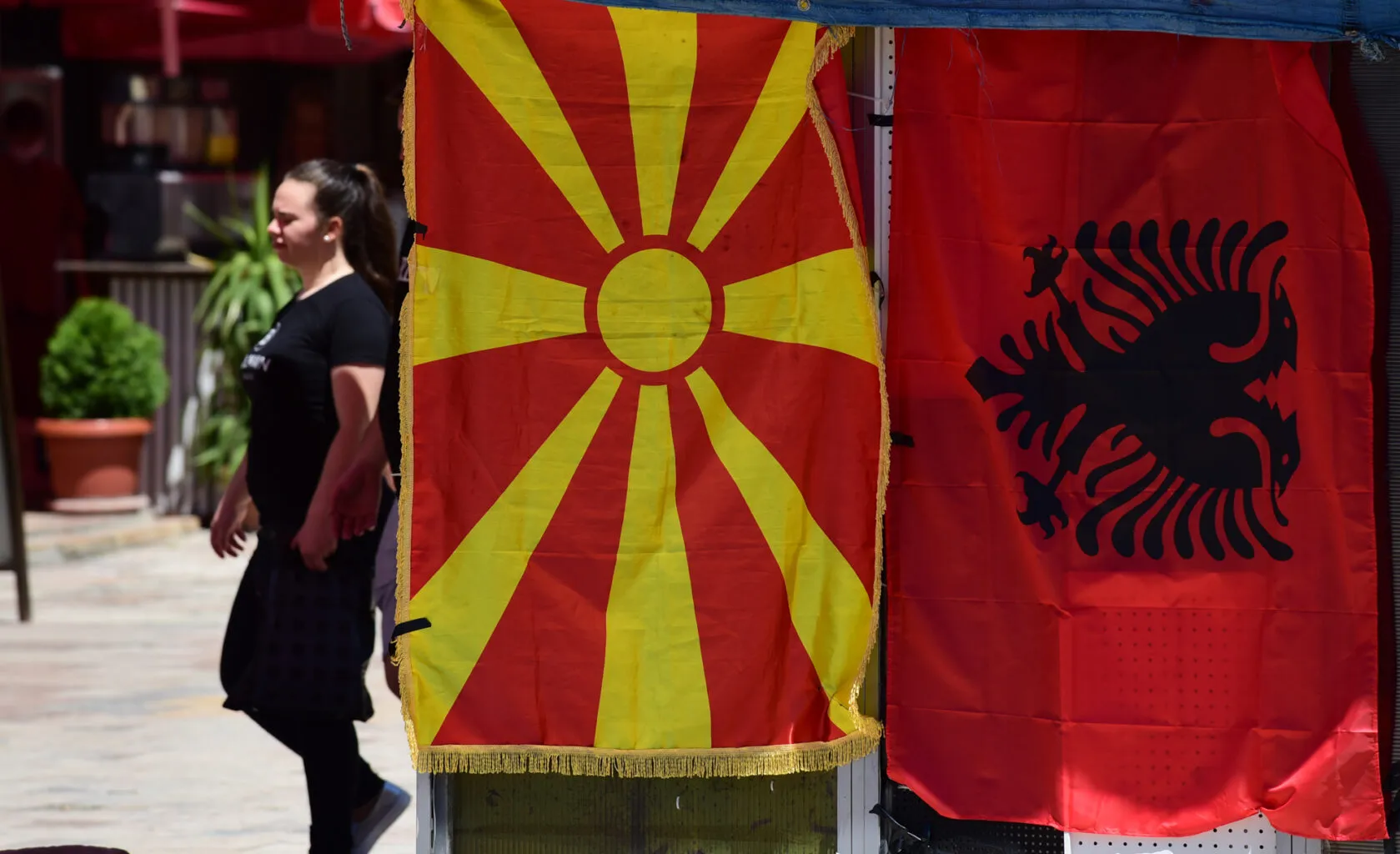
On the Stone Bridge in Skopje, on Sunday afternoon, a scene will appear again that the political establishment in Macedonia can't afford to ignore. Albanian students are taking to a second mass protest, demanding the right to take the bar exam in Albanian. The demand is simple, the topic is 25 years old, and the response - still delayed.
The first protest was a month ago outside the Ministry of Justice and the Government. The demands then were the same. Then and now, no one can deny the basis - the Constitution and the Law on the Use of Languages provide for official use of Albanian in court proceedings. But for the bar exam, the test that determines your ability to practise as a lawyer or judge - that rule doesn't work in practice. It never has.
Prime Minister Hristijan Mickoski has confirmed that the Government is preparing legislative amendments to allow the exam in Albanian. He called for patience. When a politician calls for patience on questions like these, it usually means the legislative change will pass through a memorandum, through a working group, and then into the eternity of postponement. The students aren't willing to accept that, which is why there's now a second protest.
Support has come from all sides. Enver Hoxhaj, the former foreign minister of Kosovo, said: „Albanians in North Macedonia are state-building, and the voice of the students must be heard". Përparim Rama, mayor of Pristina, called on all Albanians to be united. Bujar Osmani of DUI spoke about official status for the language. Artists and intellectuals from Albania and from the diaspora joined in.
The opposition VLEN claims the protest has been instrumentalised - that the children of DUI officials are protesting against their own parents, who in 22 years in power did not solve the problem. That's political rhetoric with a point - DUI did have influence, and the question really wasn't resolved. But that doesn't mean the current demand lacks legitimacy. And it makes the case more complicated.
For the Balkans, this is testing something bigger than language. It tests whether a small, formally multi-ethnic state can run with more than one official language in its key institutions. In Switzerland it works, in Belgium it works in a patented way. In Macedonia - if the bar exam is finally taken in Albanian, that will be the first big step forward. Until then, every postponed agreement is a sign that the real questions remain on the street.
The latest 10 news from this category

Of 340 million denars, only 40 million came from private money - the rest came from the State Lottery. Prosecutors...
The State Audit Office already warned that withholding the points makes favouritism possible. The rulebook requiring them to be published...
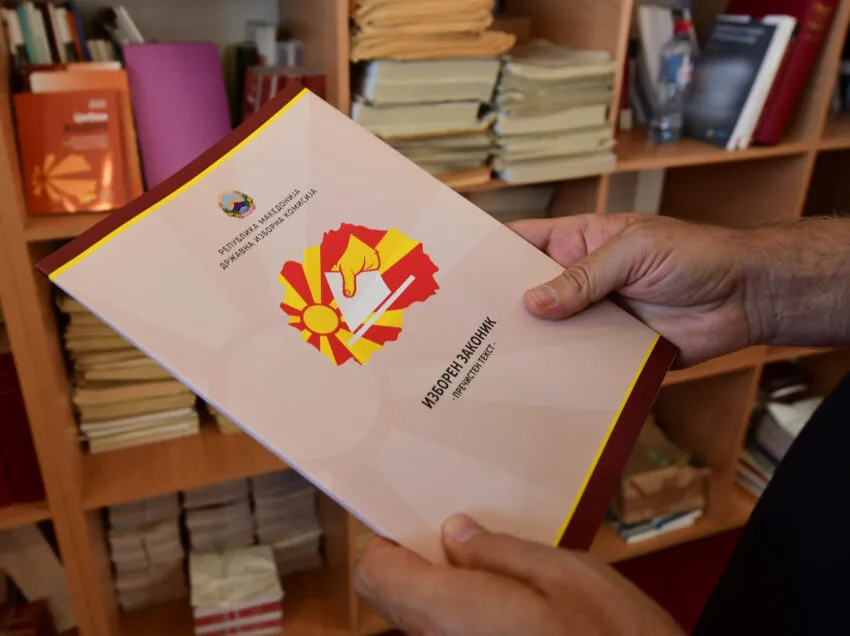
Two senior officials announced progress, the two largest parties denied it the same day. The amendments sit blocked behind 13,500...
The police acted on their own knowledge, without the PM filing anything at all. The same mechanism exists for every...
The Electoral Code is the one unfulfilled reform obligation, and the working group does not even know when it will...
It was supposed to cost "zero denars". Now the opposition wants an investigation, and the timeline - David Guetta announced...
Five negations in one sentence, pension growth "16 times higher" with not a single figure beside it, and a third...
One side waits for a letter, another waits for a different commission, a third waits for consent. In those same...
The commission's chairman says it only checked whether the documents were complete. The public call says something else entirely -...
Three candidates, two of them lawyers, one of them employed by the very municipality he is running for. The line...
This site uses cookies - is that okay? Learn more
Be the first to know when Metla launches something new
Leave your email and we will write when there is a new guide or something new on Metla.