


Studeničani: 35-year-old dies after being electrocuted while washing his car with a pressure washer
18.09.2026


18.09.2026

18.09.2026

18.09.2026

18.09.2026

18.09.2026
18.09.2026
18.09.2026
17.09.2026
16.09.2026
18.09.2026
18.09.2026
17.09.2026
18.09.2026
18.09.2026
18.09.2026
18.09.2026
17.09.2026
16.09.2026
18.09.2026

18.09.2026
18.09.2026

18.09.2026
17.09.2026

17.09.2026

09.03.2026

27.02.2026

19.02.2026

18.09.2026
17.09.2026
16.09.2026

23.04.2026

23.04.2026

12.04.2026

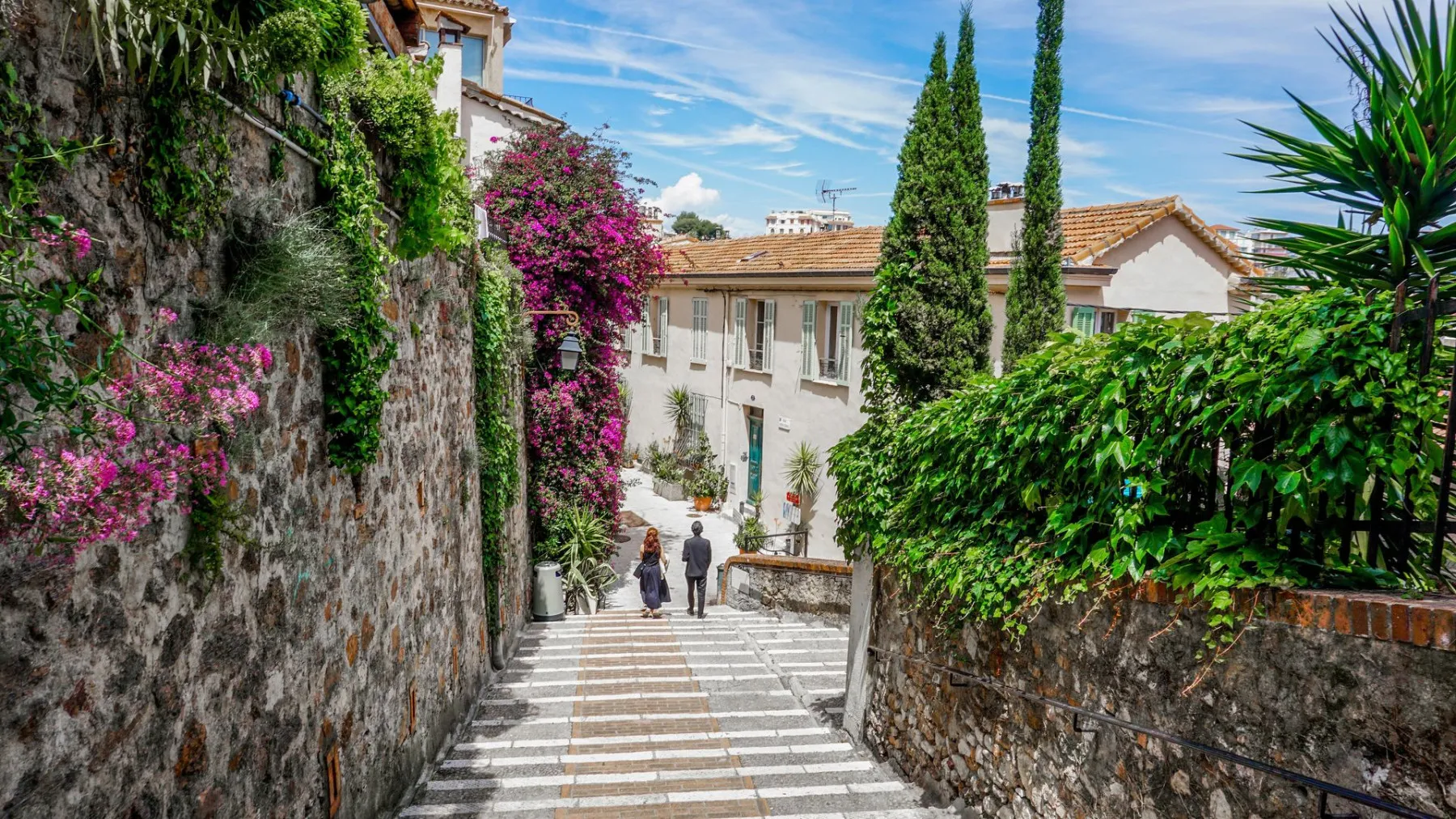
Cannes is currently occupied by the 79th edition of the Cannes Film Festival - until 23 May. But once the stars leave and the red carpet is rolled up, this city on the French Riviera turns out to be a great deal more than a backdrop for photographs. That is exactly when it is at its best.
The two-kilometre Croisette is the most famous destination. Hotels, restaurants, beaches, shops - all lined up one next to the other, looking out on the Mediterranean. But the real charm of Cannes is hidden in Le Suquet, the medieval old town on the hill. Cobblestones, pastel facades, narrow lanes that demand a walk without a plan. At the top sits the La Castre Museum, housed in a 12th-century tower, with a view that covers the entire bay.
Anyone who loves food goes to the Forville Market. Open since 1934, with Provençal cheeses, olives, fish products and local specialities. This is where local chefs shop, and tourists who want to grab something for a picnic. Then walk back to the Old Port (Vieux Port) - the yachts are moored here, and at one end stands the Palais des Festivals with the famous Walk of Stars, more than 300 handprints of film stars.
For shopping - Rue d'Antibes, the main shopping street. Between luxury boutiques and the usual French brands. Don't expect discounts - Gucci and Chanel cost the same as in Paris. Expect atmosphere, a counter for a glass of wine in between, and a French afternoon without hurry.
Twenty minutes by boat from the port and you arrive on the islands of Sainte-Marguerite and Saint-Honorat - part of the Lérins archipelago. Sainte-Marguerite was the prison of the Man in the Iron Mask, the mysterious 17th-century prisoner. Today Fort Royal is a museum. Saint-Honorat is still an active Benedictine monastery with wine the monks make and sell - and it is good wine.
The city's cinematic history is carried by the Hotel Carlton, famous for the scenes from To Catch a Thief by Alfred Hitchcock with Grace Kelly. It stands on the Croisette as a monument to an era when Cannes was a synonym for glamour without irony. You don't have to stay there - a coffee on the terrace costs four euros less than a room, and the scene is the same.
Cannes after the festival is what Cannes actually is - a quiet Mediterranean town with extra shine borrowed from its history. You come after 23 May, the pace drops, so do the prices. And you have all those places without queues and without red carpets in the way.
The latest 10 news from this category
The royal couple walked yesterday into a pub the village bought back for itself. How many buildings like that sit...

Of twenty-five new inscriptions, five are natural - and only one is in Europe. For the richest of them, the...
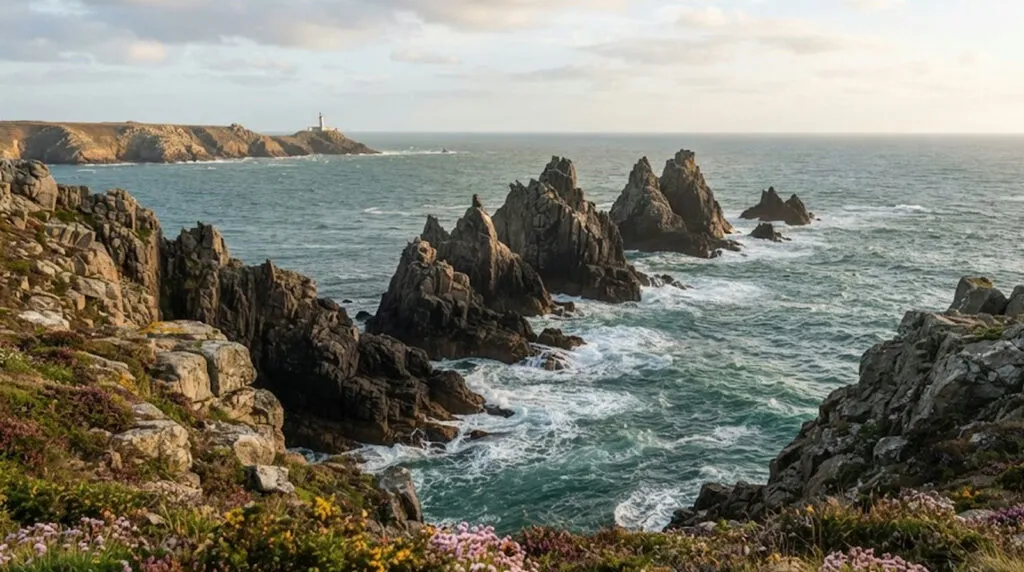
Fifty beaches, more than 120 villages and a trail France voted its favourite. Monet came for a few days and...
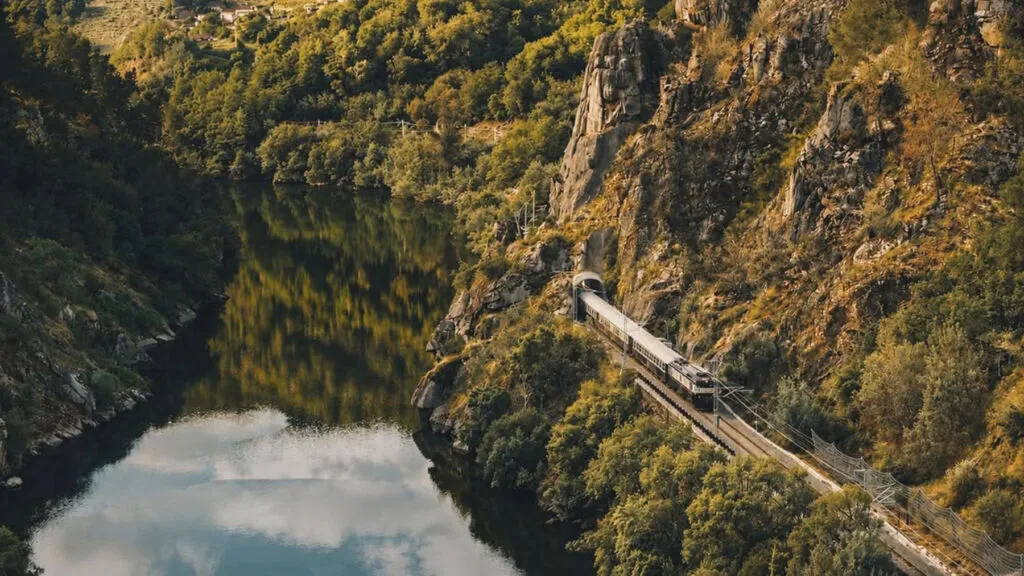
Restored carriages, a locomotive they call the Japanese Woman and a 28.95 euro return ticket. What it sells is not...
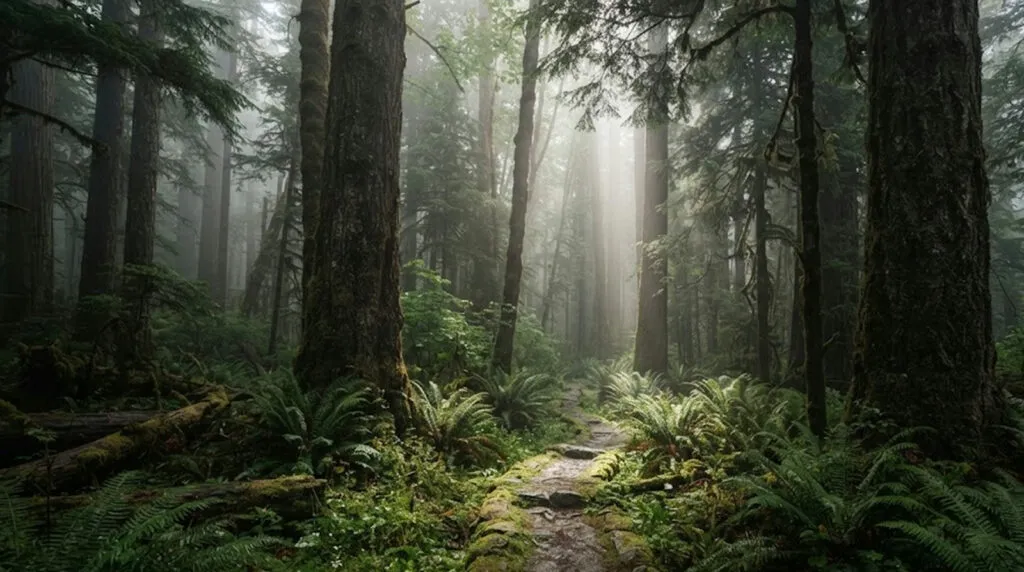
Two hundred and fifty tree species from every corner of the world, a monastery from 1628 and a palace that...
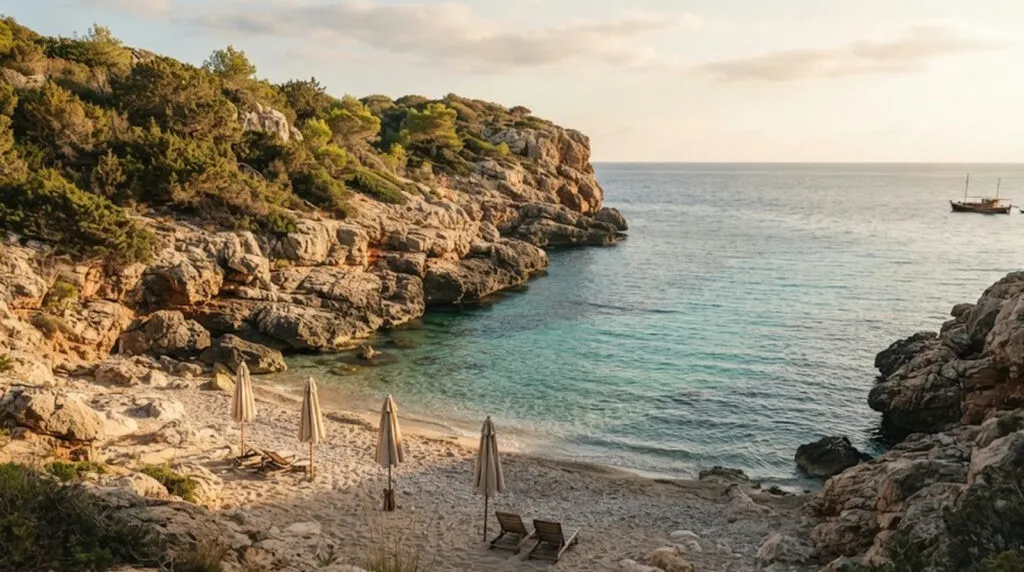
The same places cost more in August, look crowded and are experienced at half strength. The difference is made by...
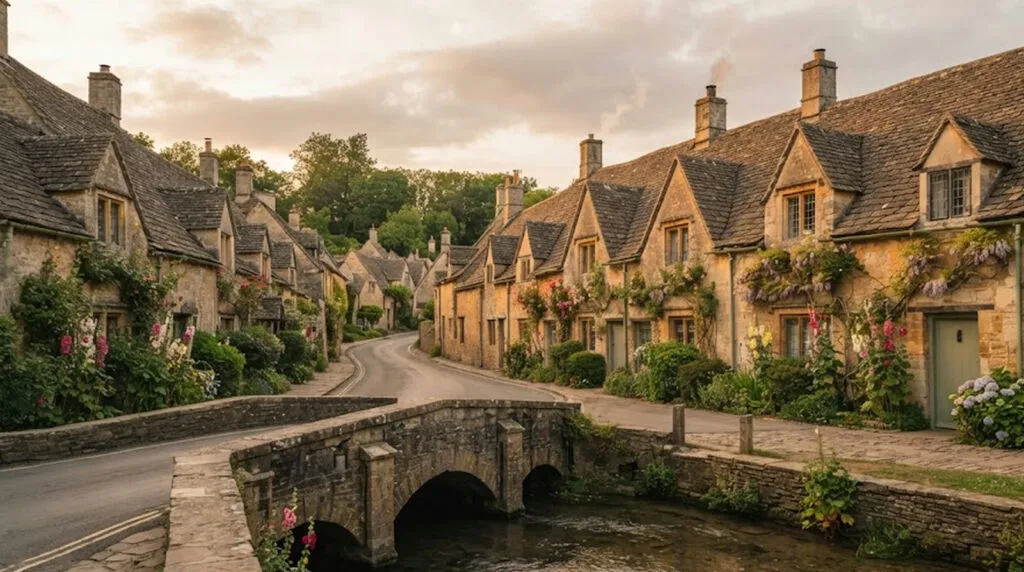
The Beckhams have a place there, so do Kate Moss and Ellen DeGeneres. But the Cotswolds needs none of those...

Down on the coast the buses pass each other with centimetres to spare and all you see is people. Up...
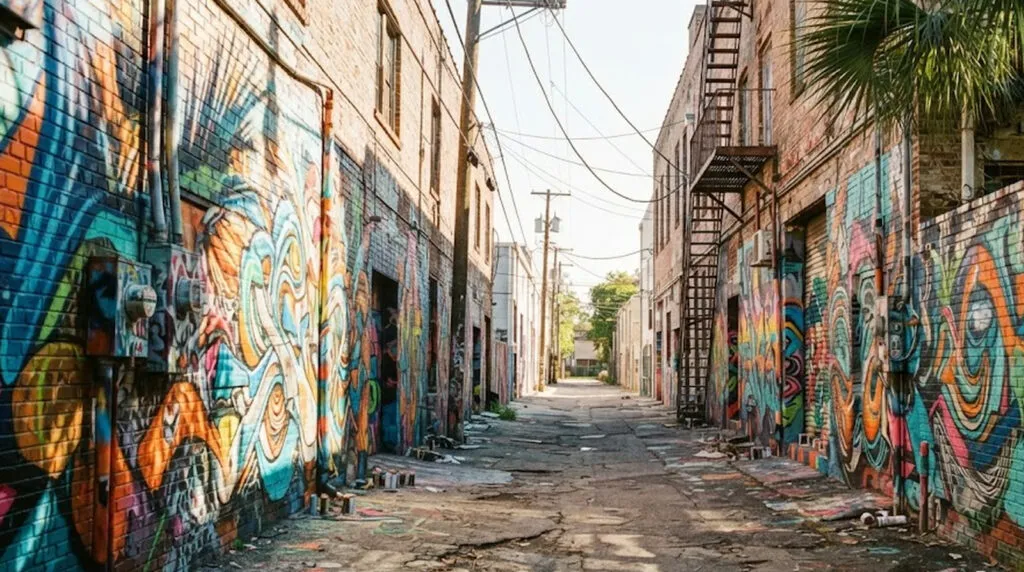
Empty warehouses, low rents and one real estate developer. A model we know without flying to Florida.
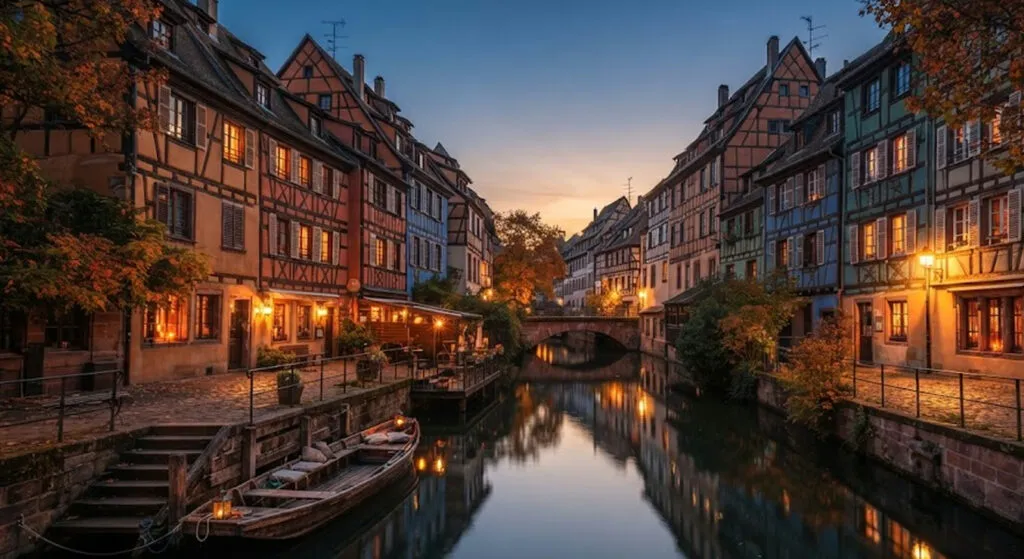
Old tanners' and dyers' workshops, built directly over the river. From 10 to 13 September the town puts boats and...
This site uses cookies - is that okay? Learn more
Be the first to know when Metla launches something new
Leave your email and we will write when there is a new guide or something new on Metla.
