

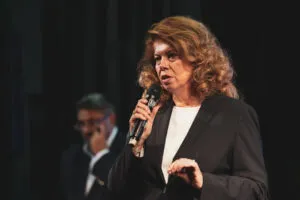
Jotova to Mickoski: Talks "Without Ultimatums" - but First Skopje Must Forget the Issue Is Bilateral
05.10.2026


05.10.2026
05.10.2026
05.10.2026
05.10.2026
05.10.2026
05.10.2026
05.10.2026
05.10.2026
04.10.2026
05.10.2026
05.10.2026
04.10.2026
05.10.2026
05.10.2026
05.10.2026
05.10.2026
04.10.2026
03.10.2026
05.10.2026

05.10.2026
05.10.2026
05.10.2026
05.10.2026

05.10.2026

09.03.2026

27.02.2026

19.02.2026
05.10.2026
04.10.2026
04.10.2026
05.10.2026
04.10.2026

02.10.2026

23.04.2026

23.04.2026

12.04.2026

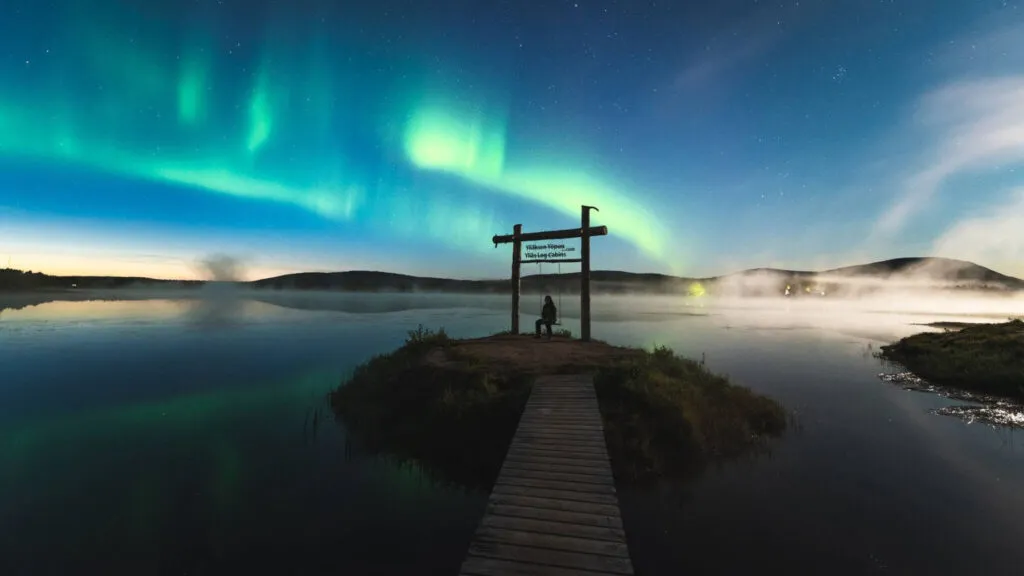
Spain's King Felipe VI and Queen Letizia are on a state visit to Finland on 6 and 7 October, at the invitation of President Alexander Stubb. The itinerary starts in Helsinki and ends in Rovaniemi, in Finnish Lapland. The programme is protocol, but the route they follow is an almost perfect guide to two days in the north - and worth reading as one.
Helsinki: the market in front of the palace
The official welcome is at 10 a.m. on Market Square (Kauppatori), by the harbour and next to the Presidential Palace, a neoclassical building from 1818. The square is known for its orange-and-white awnings and its food and handicraft stalls. In the covered Old Market Hall, open since 1886, they sell fresh fish, fruit, preserves, cured meats and sweets. This is where you eat creamy salmon soup, lohikeitto, and - if you're feeling adventurous - a reindeer-meat hot dog.
The city's most monumental corner is Senate Square. It is surrounded by the Government Palace, Helsinki Cathedral, the University's main building and the Sederholm House, the oldest stone building in the city. In the middle stands an equestrian statue of Russian Emperor Alexander II, the ruler who helped Finland. The cathedral, a neoclassical work by architect Carl Ludvig Engel, is the most visited building in the city and offers a wonderful view. A city that keeps a Russian tsar on its main square while sharing a long border and an even longer history with Russia - in the Balkans we know very well how heavy monuments with that kind of baggage can be.
After talks at the Presidential Palace, the royals lunch with Mayor Daniel Sazonov at City Hall. That building is also Engel's work, with a bluish-grey Empire-style façade, and it was originally built as a hotel.
Finlandia Hall: Alvar Aalto on the UNESCO list
On Tuesday afternoon Felipe VI and Stubb take part in a business meeting at Finlandia Hall, focused on Finnish and Spanish companies in artificial intelligence, semiconductors and quantum technology. On Wednesday the royals return for the exhibition "Visions of Alvar Aalto - Finlandia", a permanent 1,300-square-metre display of furniture, plans and photographs. The hall was designed by Alvar Aalto, opened in 1971, and is part of the Aalto Works ensemble, which has been on UNESCO's World Heritage List since July 2026. The ensemble includes thirteen works linked to Alvar, Aino and Elissa Aalto.
Rovaniemi: the northern lights and Santa Claus
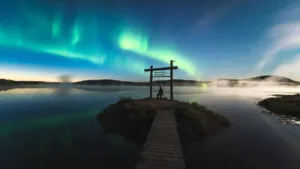
On Wednesday afternoon the visit moves to Rovaniemi, the capital of Finnish Lapland, on the banks of the Ounasjoki and Kemijoki rivers. The northern lights season usually starts in late August and lasts until early April, so October is in full swing. Whether you'll see them depends on solar activity, clouds and darkness - but the ever-longer nights give you good odds.
Arktikum is a science centre and museum dedicated to the nature, history and cultures of the Arctic. It is recognisable by its 172-metre glass gallery shaped like a corridor, known as the "Gateway to the North". Inside are the University of Lapland's Arctic Centre and the Regional Museum of Lapland. The permanent exhibition "Northern Ways" tells the story of the region, its people, animals and landscapes, while "Arctic Opposites" uses science and sensory experiences to explain the Arctic's extreme conditions. A ten-minute film about the Arctic seasons is also screened every day.
Santa Claus Village isn't on the official programme, but it is about eight kilometres north of central Rovaniemi, right on the Arctic Circle. It is open every day of the year and entry is free. You can get there on city bus number 8, the airport express, by taxi or by car. The most popular spot is Santa's office, where you can meet him every day, and there are also restaurants, design and handicraft shops, accommodation and activities with reindeer and huskies. One of the north's best-known attractions charges no entry fee. How many attractions in our region could resist the temptation to charge?
The latest 10 news from this category
Between the two ends of the village there is only a boundary stone by a chestnut tree - and a...
Everyone knows Carcassonne. Few have climbed up to its seven "little brothers" - fortresses that look as if they grew...
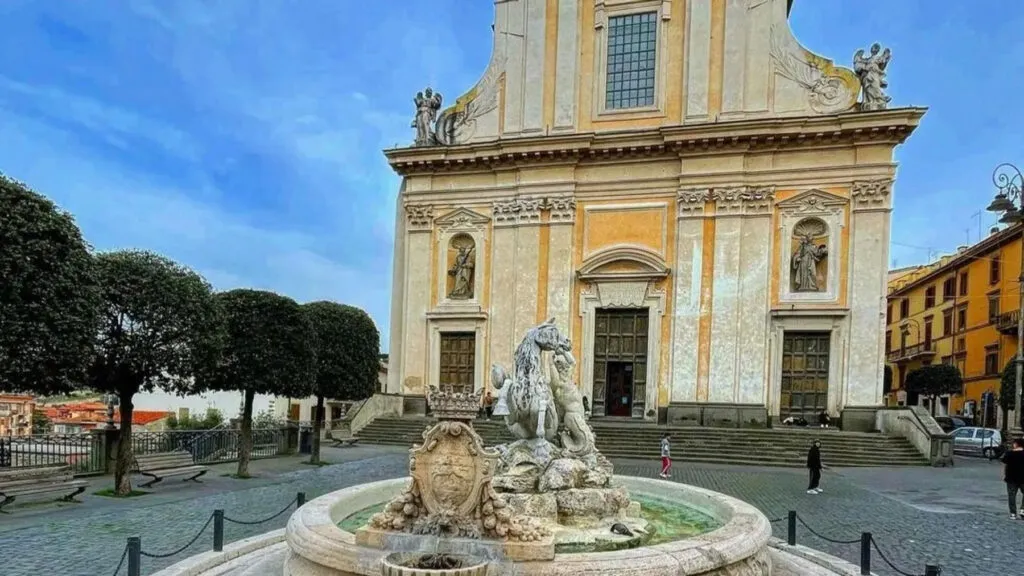
The fountain was built to celebrate victory over the Ottoman fleet at Lepanto, and the grape festival that fills it...
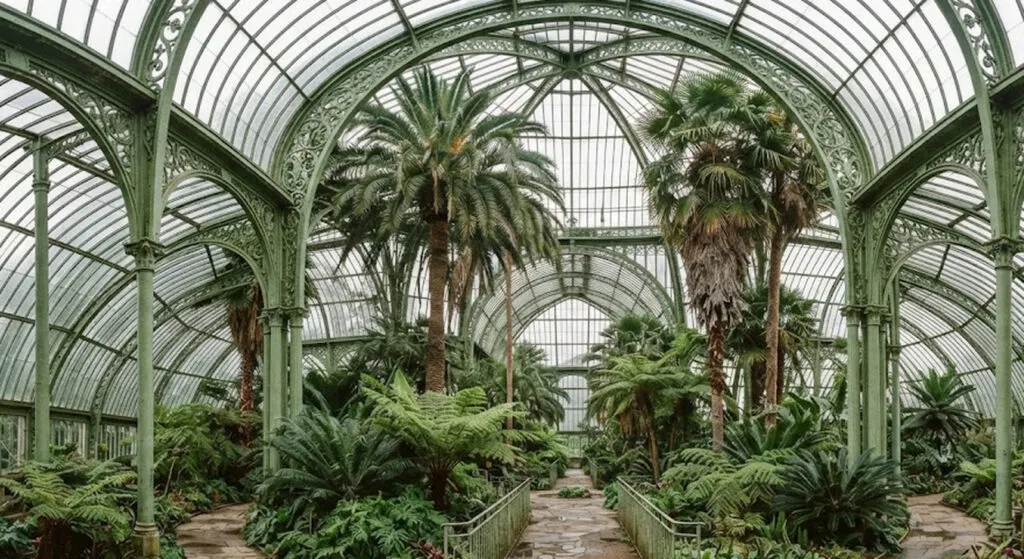
One moth that never left its cocoon opened the age of glass and iron. It left behind a Vienna greenhouse...
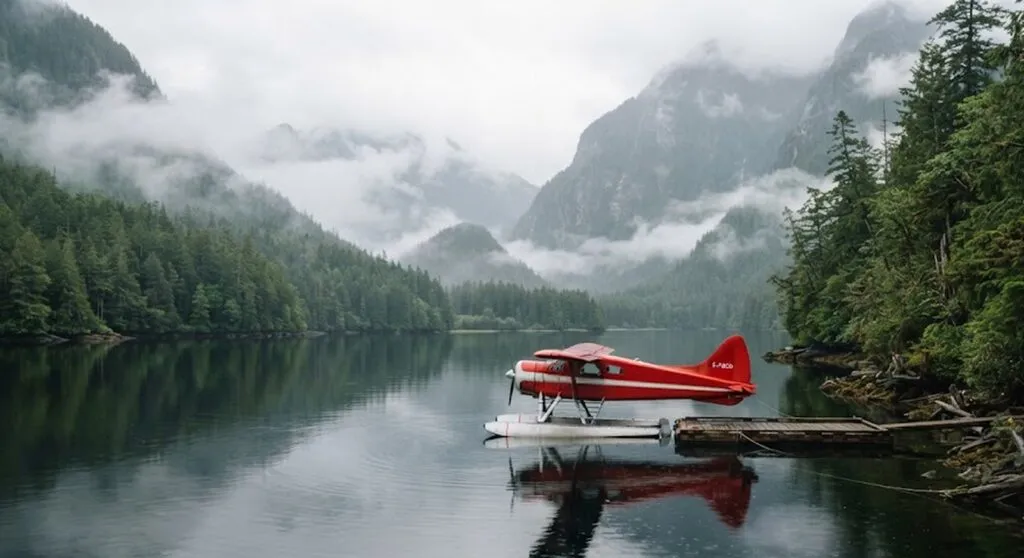
A Spanish actor went back to Canada decades after the trip he took as a child following his father's death....
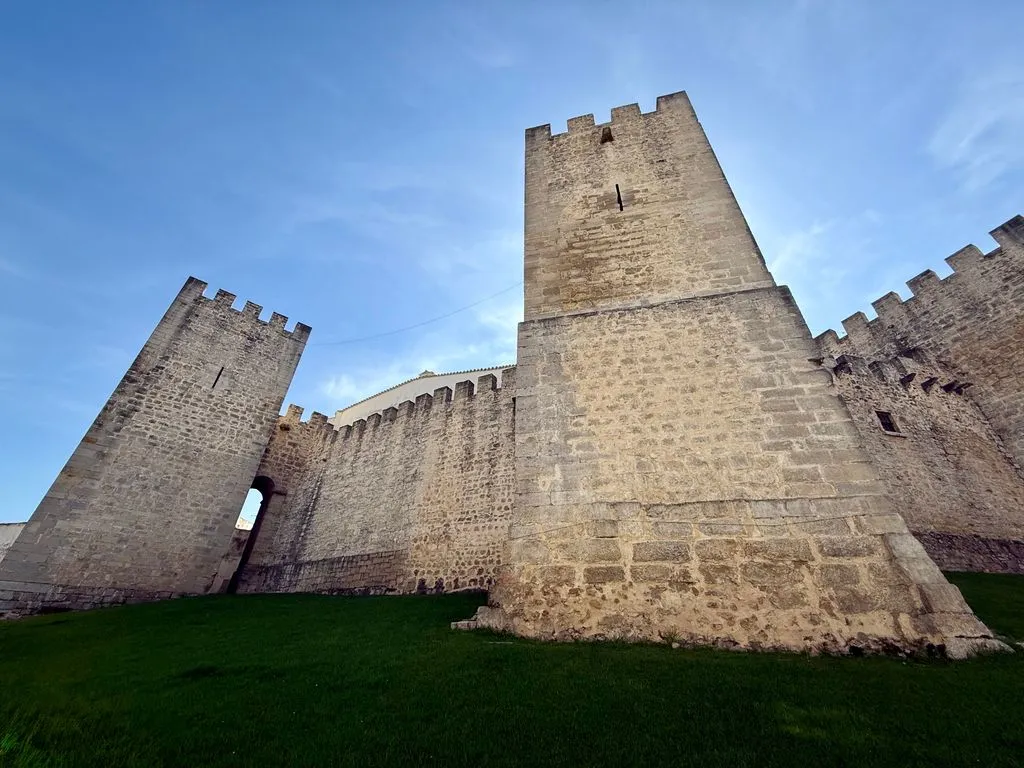
The Algarve isn't just beaches. Less than 20 kilometres from Faro there's a town where market eateries have to buy...
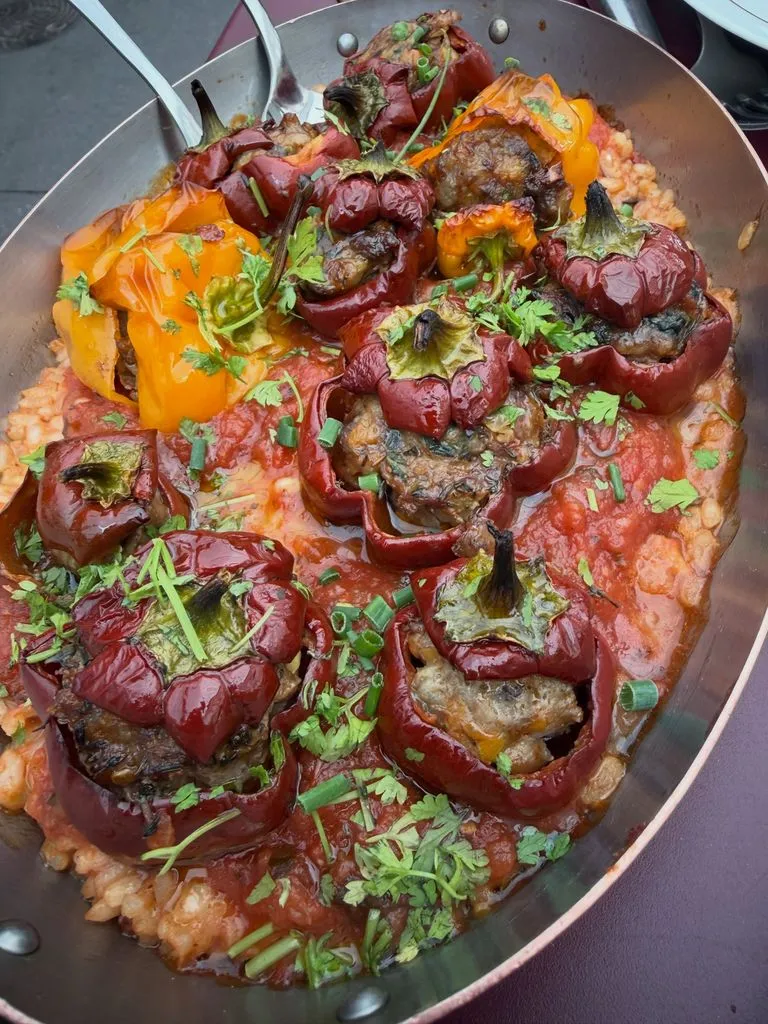
From 28 September to 6 October, Paris is a runway. And after the shows, the stars go looking for pepper...
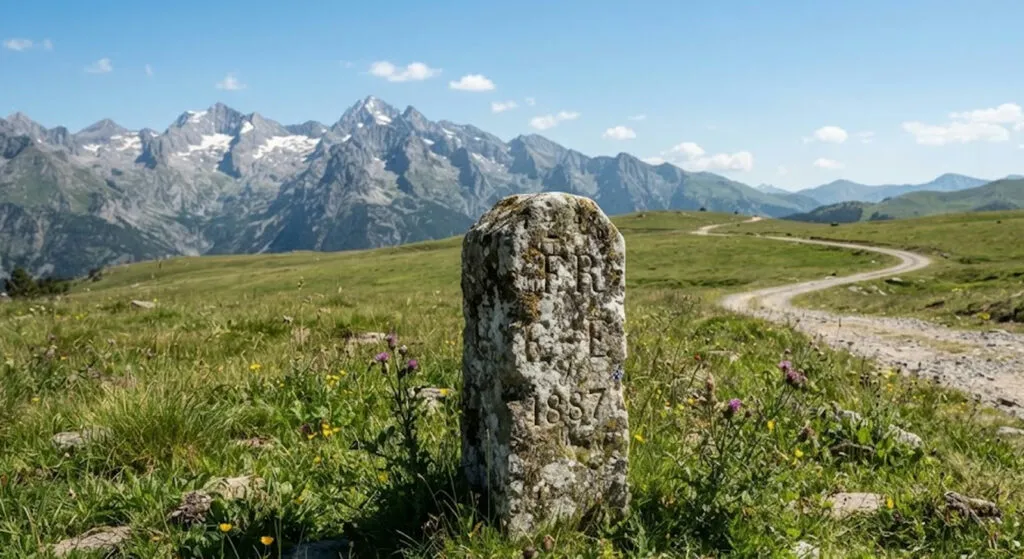
Around 1,500 residents, 12.9 square kilometers and a seven-kilometer road through another country. One of Europe's oldest pharmacies and the...
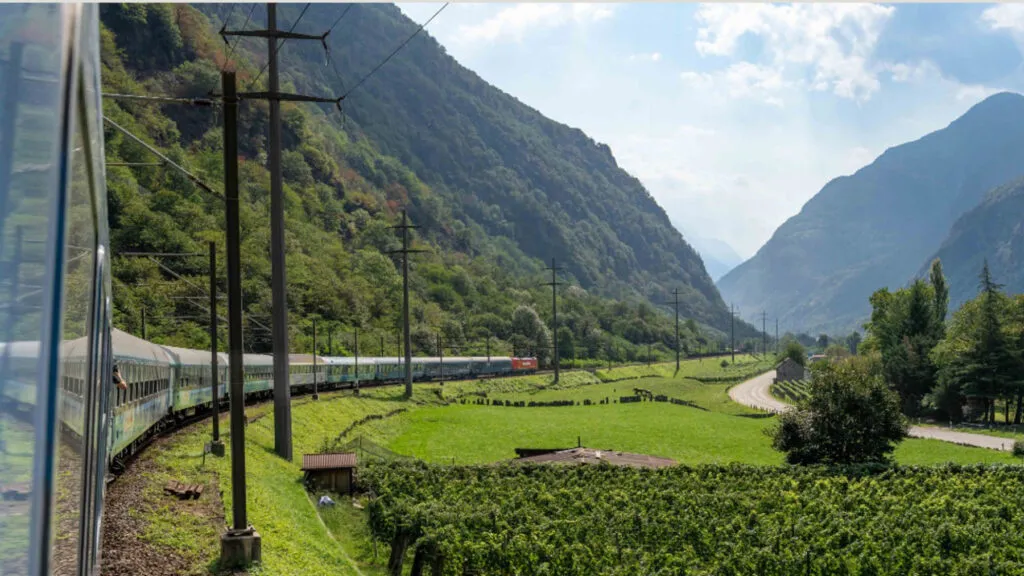
Cologne, Zurich, Lugano and Lake Como in one night, with stations in the centre of every city. Europe's night train...
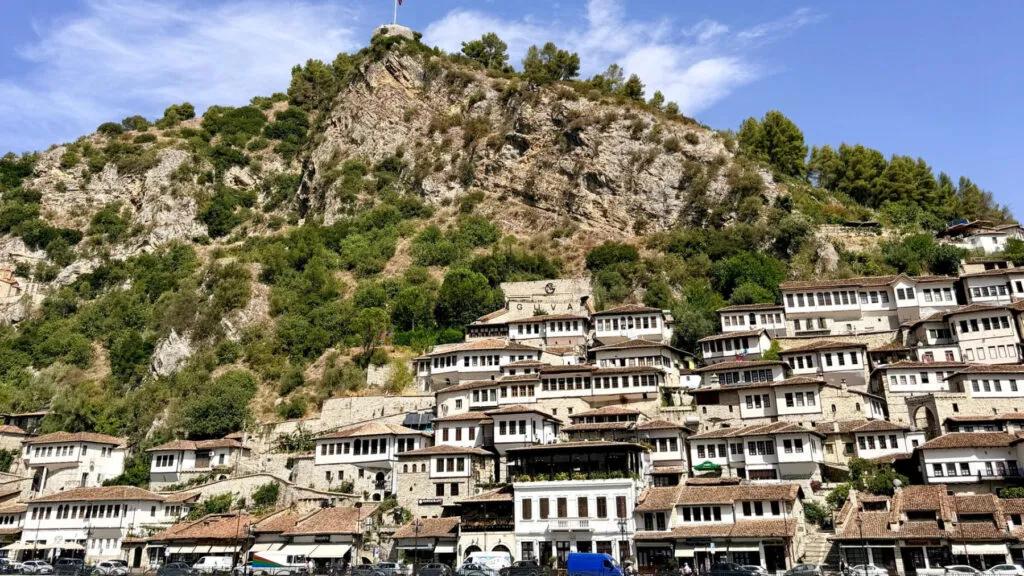
UNESCO-listed stone towns, Ottoman bazaars, bunkers turned into museums and beaches compared to the Caribbean. A neighbour that deserves more...
This site uses cookies - is that okay? Learn more
Be the first to know when Metla launches something new
Leave your email and we will write when there is a new guide or something new on Metla.