


Kratovo man stabs police officer mid-intervention: prosecutors want the 40-year-old detained
15.09.2026


15.09.2026

15.09.2026

15.09.2026
15.09.2026

15.09.2026
15.09.2026

15.09.2026

14.09.2026

13.09.2026

15.09.2026

15.09.2026

14.09.2026

15.09.2026

15.09.2026

15.09.2026

15.09.2026

14.09.2026

13.09.2026

15.09.2026

15.09.2026

15.09.2026

15.09.2026

15.09.2026

14.09.2026

09.03.2026

27.02.2026

19.02.2026

15.09.2026

14.09.2026

14.09.2026

23.04.2026

23.04.2026

12.04.2026

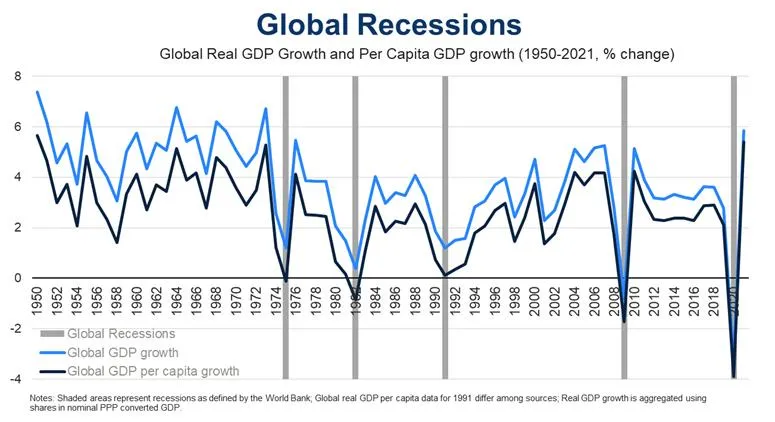
The global economy is an engine that runs on consumer spending. When people buy, companies produce, governments collect taxes, and the system hums along. But what happens when spending starts to drop? And how long does it take for that to push the world into recession?
The answer isn't simple, but the track record of recent crises paints a clear picture: a few months is enough for the decline to begin, and one to two years for a serious global recession.
The first signs show up relatively fast. If consumer spending drops significantly - say 10-15% - companies react immediately. Production slows, investments freeze, hiring stops. This process can kick off in as little as 3 to 6 months.
Then comes the second wave. When companies start laying off workers, a domino effect takes hold. Fewer employed people means even less spending. The banking sector gets cautious, credit dries up, and confidence in the economy tanks. This cycle typically unfolds over 6 to 12 months.
If the trend continues, the world enters a classic recession. In such a scenario, within 12 to 24 months you get a serious economic downturn - shrinking GDP, falling stock markets, rising unemployment.
A full financial collapse, though, is a different beast and requires additional triggers. A drop in consumer spending alone won't do it. For a real collapse like 2008, you also need: a weak banking system, high debt levels, and market panic.
When those line up, things accelerate dramatically - collapse can happen in a matter of weeks or months.
History has already shown us this playbook. The energy shocks of the 1970s and Middle East crises regularly triggered global economic tremors. Today's world, though technologically more advanced, remains deeply dependent on stable energy flows.
It's worth noting that recession doesn't arrive automatically with the first conflict. But if a crisis deepens and drags on, the effects accumulate. In that case, a few months of high prices and instability are enough to start an economic chill, and one to two years for the serious consequences to hit at a global level.
The conclusion is clear: the war with Iran isn't just a geopolitical threat - it's an economic one. In a world that's already fragile, one more shock to energy supplies can easily tip the global economy into recession. And while political leaders calculate risks, markets are already reacting - because in economics, sometimes fear alone is enough to set the crisis in motion.
The latest 9 news from this category
Додека политичарите водат војни, сметката повторно ја плаќаат обичните граѓани. Цената на нафтата „Брент“, која пред ескалацијата на конфликтот меѓу...
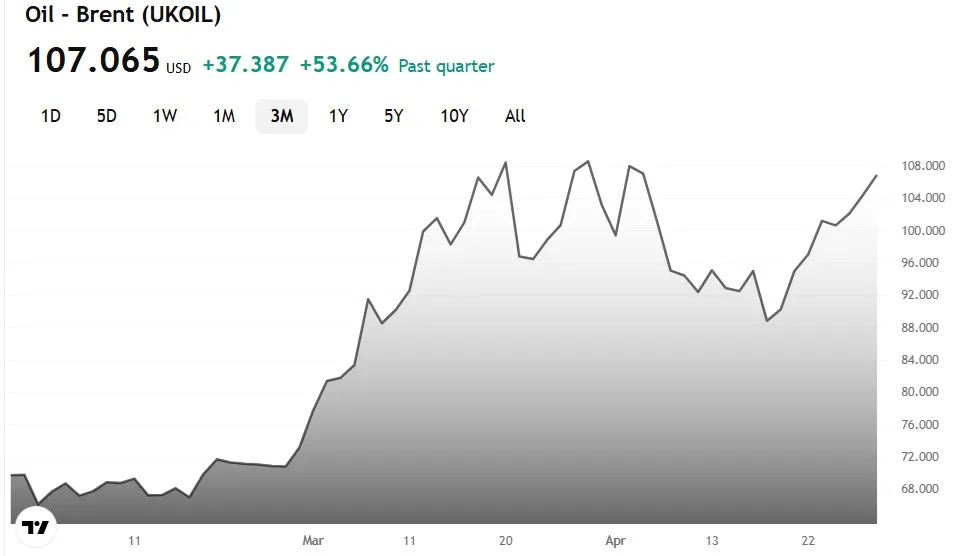
Цената на новата геополитичка игра на Блискиот Исток нема да ја платат само актерите на сцената – ќе ја платиме...

Во последната година, светските пазари сведочат на драматичен пресврт – цената на среброто скокна за над 300%, додека златото бележи...
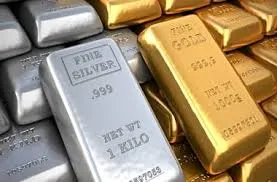
Цената на златото се искачи на историски максимум од 142 долари за грам, што е јасен аларм дека глобалниот финансиски...
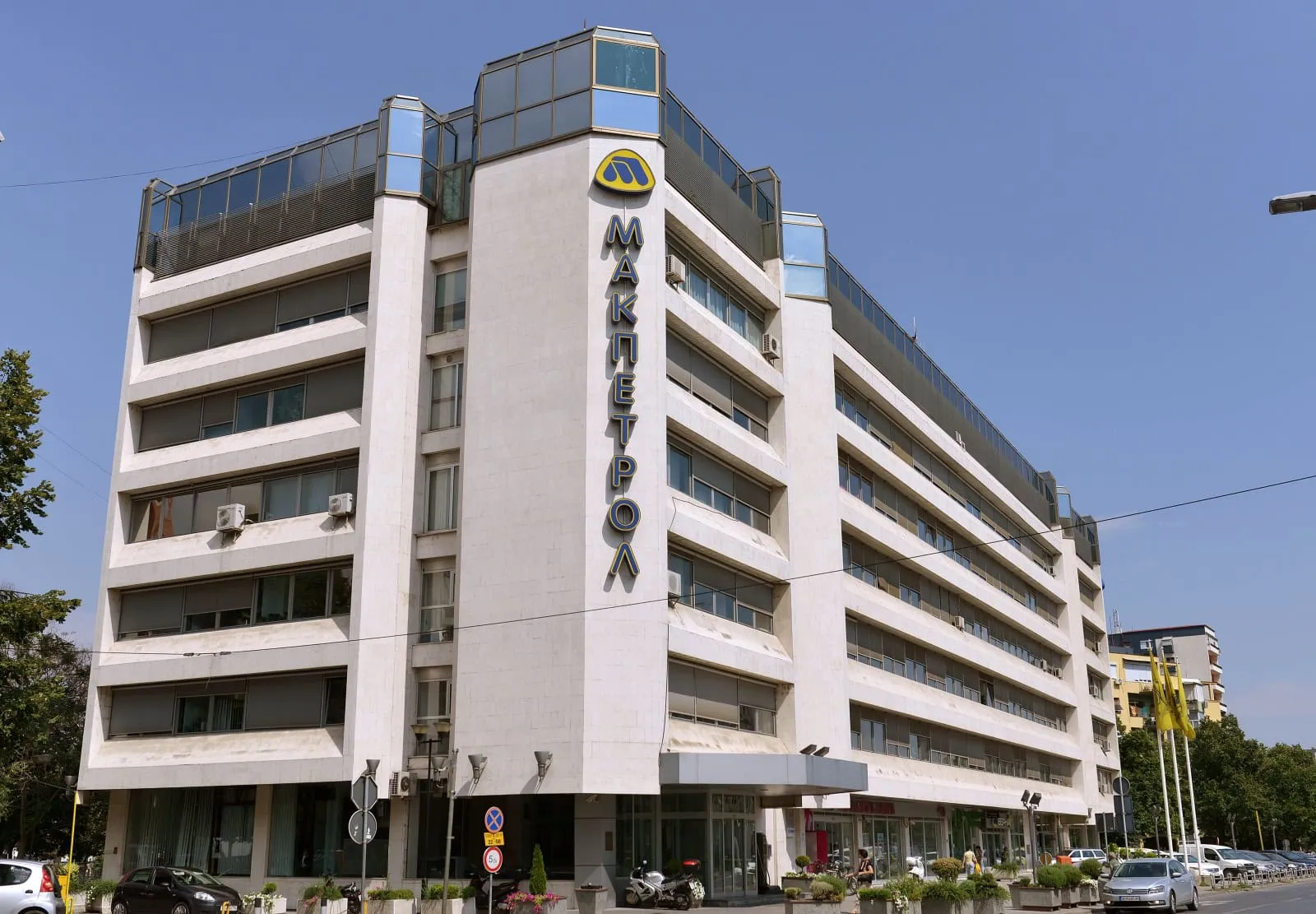
Шифрата MPT доминира на страницата на Македонската берза во делот за блок-трансакции, каде во последните месец и половина се забележани...
Американските берзански индекси забележаа значителен пад во четврток, откако акциите на водечките компании поврзани со вештачка интелигенција (AI) беа под...
Во последната деценија, златото го потврди својот статус на најсигурна светска инвестиција. Од 2015 година до денес, цената на златото...
Постои многу поголем ризик од сериозен пад на американските акции отколку што пазарот моментално покажува, изјави шефот на JP Morgan...
Според актуелните податоци: На GoldAvenue цената на грам злато изнесува ~ $120,95 USD На APMEX, цената на грам е $121,17...
This site uses cookies - is that okay? Learn more
Be the first to know when Metla launches something new
Leave your email and we will write when there is a new guide or something new on Metla.
