
Kratovo man stabs police officer mid-intervention: prosecutors want the 40-year-old detained
15.09.2026


15.09.2026

15.09.2026
15.09.2026
15.09.2026
15.09.2026
15.09.2026

15.09.2026

14.09.2026

13.09.2026

15.09.2026

15.09.2026

14.09.2026
15.09.2026
15.09.2026

15.09.2026

15.09.2026

14.09.2026

13.09.2026

15.09.2026

15.09.2026

15.09.2026

15.09.2026

15.09.2026

14.09.2026

09.03.2026

27.02.2026

19.02.2026

15.09.2026

14.09.2026
14.09.2026

23.04.2026

23.04.2026

12.04.2026

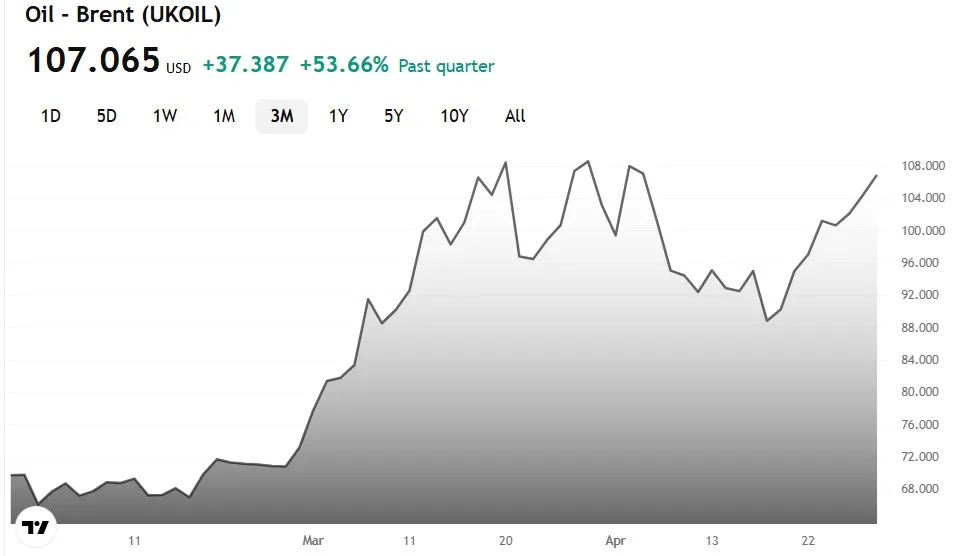
The cost of the new geopolitical game in the Middle East will not be paid only by the actors on the stage - we will all pay it. Every person, in every country. The conflict in Iran, with Israel and the US involved, has already pushed oil from 60 to 108 dollars a barrel. That is not just a number on an exchange - it is the alarm of a global economic storm reaching every kitchen and every fuel tank.
When oil rises, it is not just fuel that gets more expensive. Everything does. From the bread on the table to the clothes on your back. Transport gets pricier, production climbs, and traders pass the bill to the end consumer without thinking twice. The chain is simple - and brutal. The person at a market in Skopje or Belgrade feels the rising price of eggs even if they do not drive a car and have never heard of Hormuz.
This is not just an energy crisis, it is a blow to everyday life. Agriculture depends on fuel, industry on transport, and shops on supply. When the price of oil explodes, the whole system starts to wobble. The bakery pays for electricity, the miller for diesel, the transporter for the road. And in the end, the bill always reaches the ordinary person. A pensioner in Bitola cannot say "no, thanks" to Israel.
More and more people today are asking whether this war in Iran was really inevitable. At a time when diplomatic channels exist, when the economic interdependence between states is greater than ever, there is a bitter feeling that the conflict could have been prevented - or at least delayed. The big powers never explained why the moment for bombs came at precisely the moment when the door for negotiations was still open.
At a moment when diplomatic channels were still open, the new escalation around Iran reopened the question of respect for international rules. According to part of the analysts and the public, the actions of the US and Israel are happening at sensitive moments - precisely while negotiation attempts are under way - which calls into question the sincerity of the diplomatic processes. It is a pattern the Balkans knows well: when the big ones negotiate, the small ones pay. The nineties taught us that. Now a new bill is just being delivered, with different addresses on the envelope.
The latest 9 news from this category
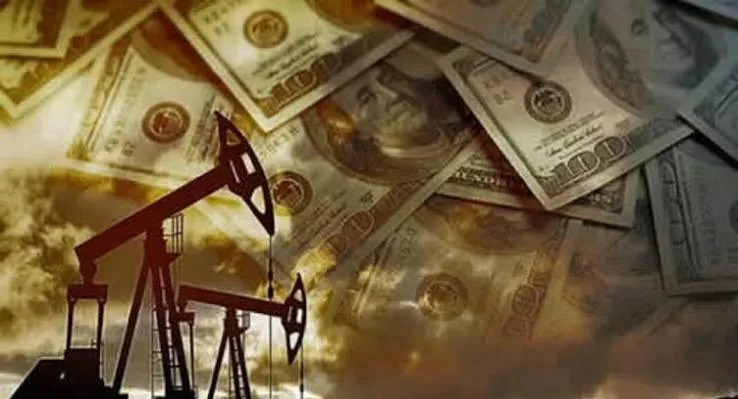
Додека политичарите водат војни, сметката повторно ја плаќаат обичните граѓани. Цената на нафтата „Брент“, која пред ескалацијата на конфликтот меѓу...
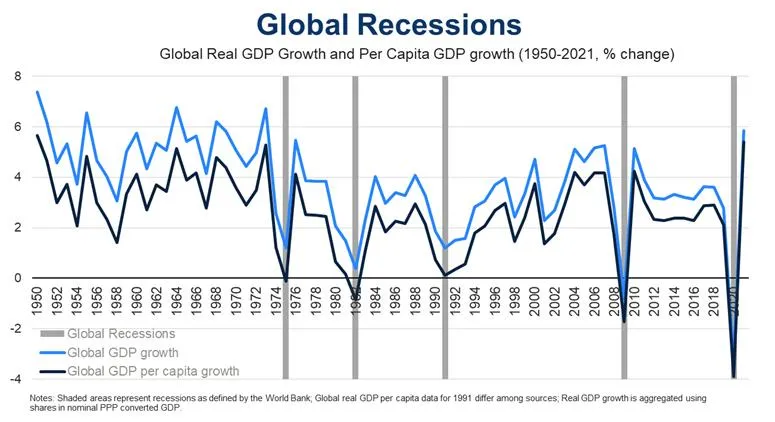
Светската економија е како мотор што работи на потрошувачка. Кога луѓето купуваат, фирмите произведуваат, државите собираат даноци и системот функционира....
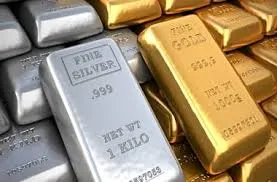
Во последната година, светските пазари сведочат на драматичен пресврт – цената на среброто скокна за над 300%, додека златото бележи...
Цената на златото се искачи на историски максимум од 142 долари за грам, што е јасен аларм дека глобалниот финансиски...

Шифрата MPT доминира на страницата на Македонската берза во делот за блок-трансакции, каде во последните месец и половина се забележани...
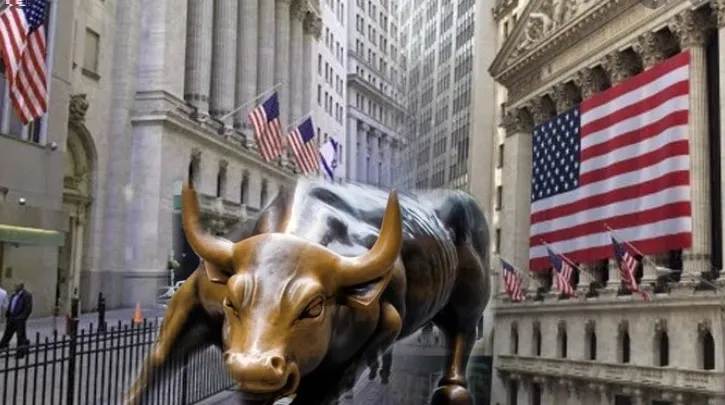
Американските берзански индекси забележаа значителен пад во четврток, откако акциите на водечките компании поврзани со вештачка интелигенција (AI) беа под...

Во последната деценија, златото го потврди својот статус на најсигурна светска инвестиција. Од 2015 година до денес, цената на златото...
Постои многу поголем ризик од сериозен пад на американските акции отколку што пазарот моментално покажува, изјави шефот на JP Morgan...
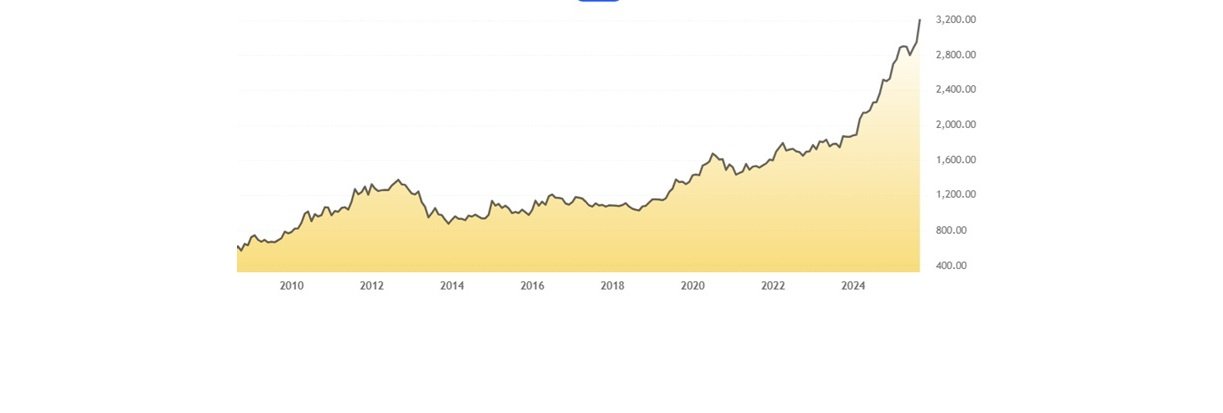
Според актуелните податоци: На GoldAvenue цената на грам злато изнесува ~ $120,95 USD На APMEX, цената на грам е $121,17...
This site uses cookies - is that okay? Learn more
Be the first to know when Metla launches something new
Leave your email and we will write when there is a new guide or something new on Metla.