

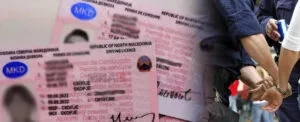
They Rode In on Scooters, Torched the Shops and Left: The Fire in Shuto Orizari Burned for Three Hours, Setting It Took Fifty Seconds
13.09.2026


13.09.2026

13.09.2026
13.09.2026

13.09.2026

13.09.2026
13.09.2026
13.09.2026

12.09.2026

11.09.2026

13.09.2026
13.09.2026

12.09.2026
13.09.2026

13.09.2026
13.09.2026
13.09.2026

12.09.2026

11.09.2026
13.09.2026

13.09.2026
13.09.2026

13.09.2026

13.09.2026

12.09.2026

09.03.2026

27.02.2026

19.02.2026

13.09.2026

12.09.2026

11.09.2026

23.04.2026

23.04.2026

12.04.2026

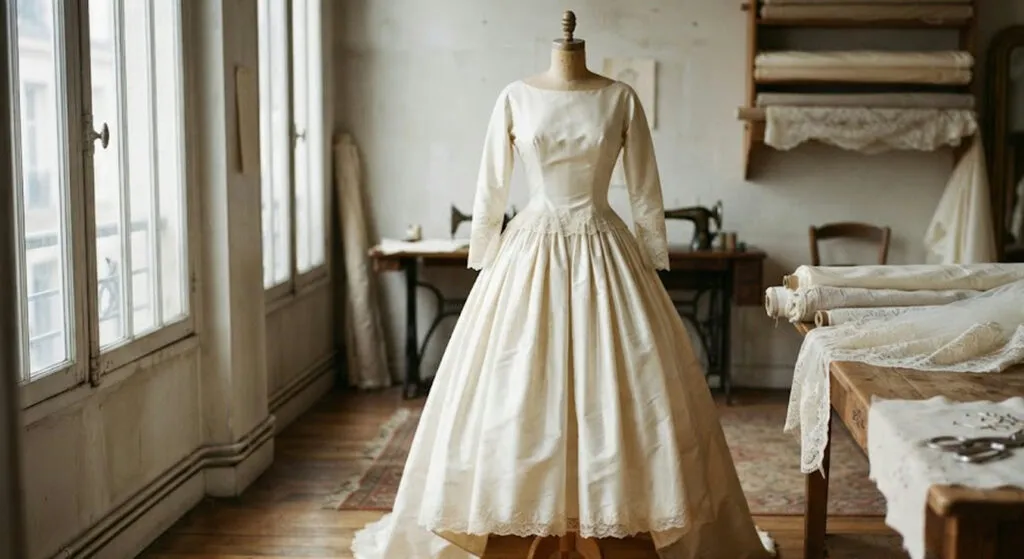
12 September 1953. St Mary's Church in Newport, Rhode Island, receives 800 guests for a morning wedding. Another 400 will join them for the afternoon reception. John F. Kennedy is 36 and has just become a senator from Massachusetts; Jacqueline Lee Bouvier is 24 and works as a photographer and reporter. They are seven years away from the White House, but already at that moment nobody is looking at anyone else.
The wedding was staged like a state occasion, even though nobody held a title. It was led by Archbishop Richard Cushing, a family friend. A papal blessing from Pius XII was read out. Four more priests assisted. The bride walked to the altar on the arm of her stepfather Hugh D. Auchincloss, while the tenor Luigi Vena sang Ave Maria. Thousands of onlookers waited outside. The New York Times put it on the front page, Time sent an exclusive photography team.
The reception was at Hammersmith Farm, the stepfather's Victorian estate overlooking the sea - the same house that would later become their summer residence as president and first lady. Twelve hundred guests ate creamed chicken in vol-au-vents and vanilla ice cream under an enormous marquee, and the cake had five tiers filled with raspberry preserve.
Fifty metres of taffeta and one flood
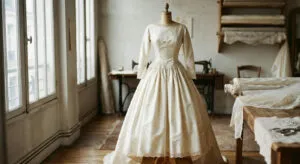
The dress became one of the most recognisable bridal designs of the twentieth century. A princess silhouette, a wide neckline, a draped bodice, made of silk taffeta - the skirt alone consumed more than 50 metres of fabric. Over her hair she wore a rose point lace veil that had belonged to her grandmother, fixed with a tiara and orange blossom. A pearl necklace, a diamond bracelet - a gift from Kennedy - and a bouquet of small pink and white orchids with gardenias.
That is the official version. The real one is that a few weeks before the wedding a flood in the studio destroyed the dress and several of the bridesmaids' gowns. Everything had to be sewn again, in a hurry, without anyone on the outside noticing. If you have ever looked at a wedding photograph and thought it all looked effortless - there is your answer.
The name they did not print
The biggest story around that dress is not about the fabric. For years nobody knew who had created it at all. The designer was Ann Lowe, an African American dressmaker who already dressed women of America's upper class and reached Jacqueline through her mother. In its report, The New York Times did not mention her name. It wrote that the dress had been made by "a coloured dressmaker".
Twelve hundred guests, a five-tier cake, an exclusive photographer from Time - and room for two words about the woman who sewed the single item by which the whole wedding is remembered. Recognition for Ann Lowe came years later, when its effect was considerably smaller than it would have been that day.
Seventy-three years on, the church in Newport is still open to the public and still draws tourists precisely because of that wedding. The story the guides tell is about the Kennedys. The story worth telling is about how easily a name can be left out of a text, and how long it then takes to put it back.
The latest 10 news from this category
The meaning is not that they have to carry it. The meaning is that behind them stands a team that...

The industry moved from one big procedure to a subscription. That is called progress, but it is worth knowing before...
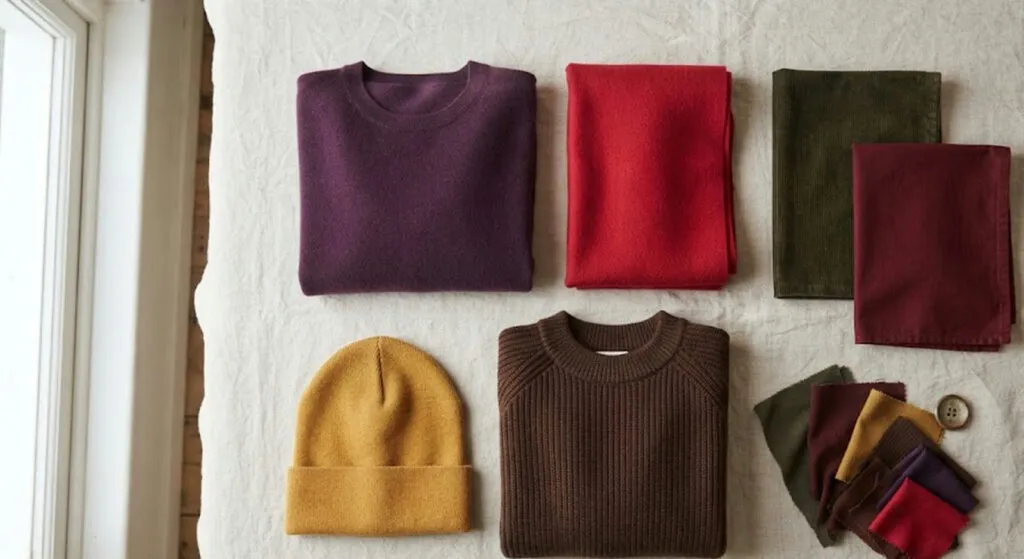
Alaia and Dior have already put mustard into their collections, and the fashion press is naming red-and-purple the duo of...
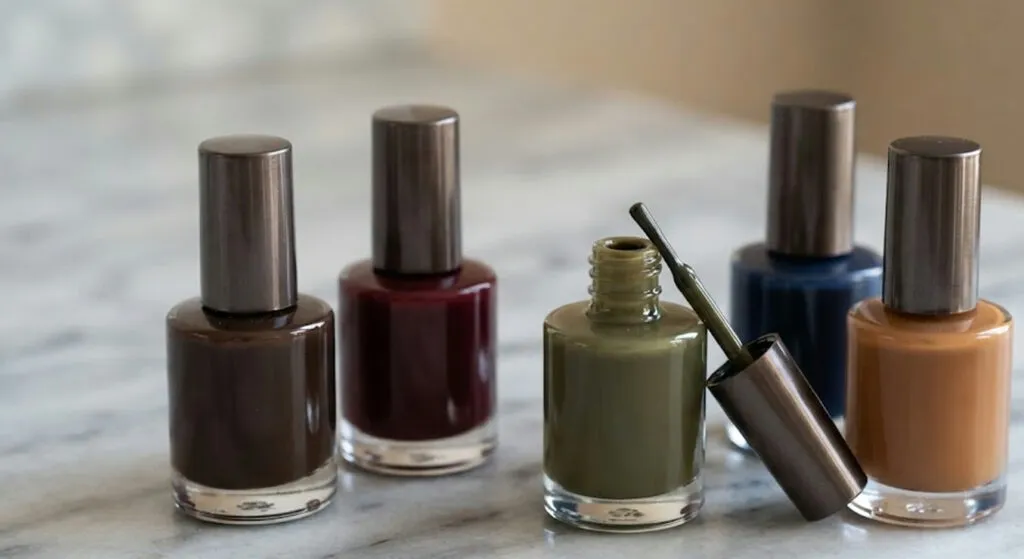
Chocolate brown, burgundy, olive and navy are taking the season. The question before you spend: how many of the twelve...
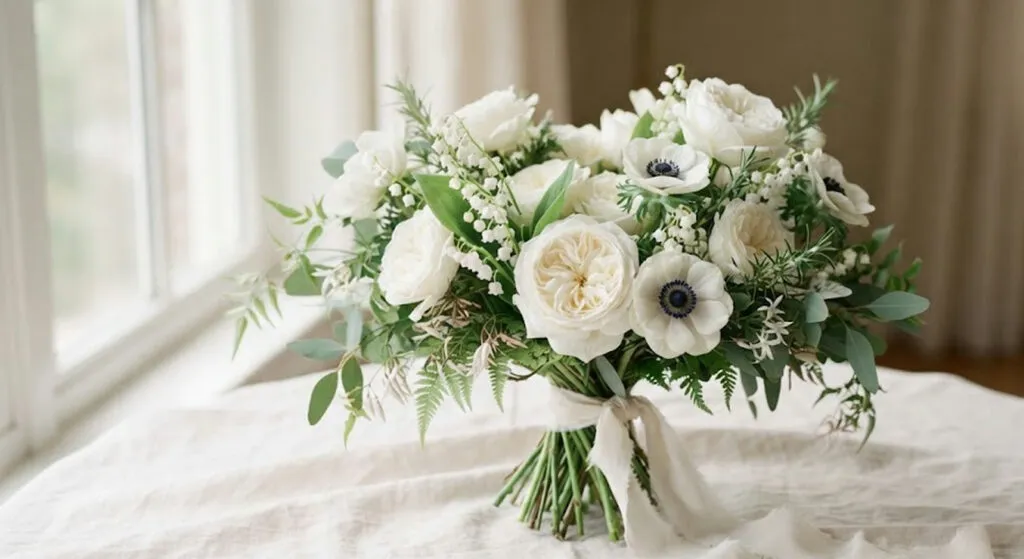
Diana carried lily of the valley, gardenia and orchids in 1981. Kate carried a baby version - not for lack...

It sat in the wardrobe for three years because it was too daring. Then came the evening when the answer...

When density drops, the cut either exposes the loss or conceals it. Nobody earns monthly from that solution, which is...

Both dresses appear on the same lists of elegance. The difference is not made by the sum, but by what...
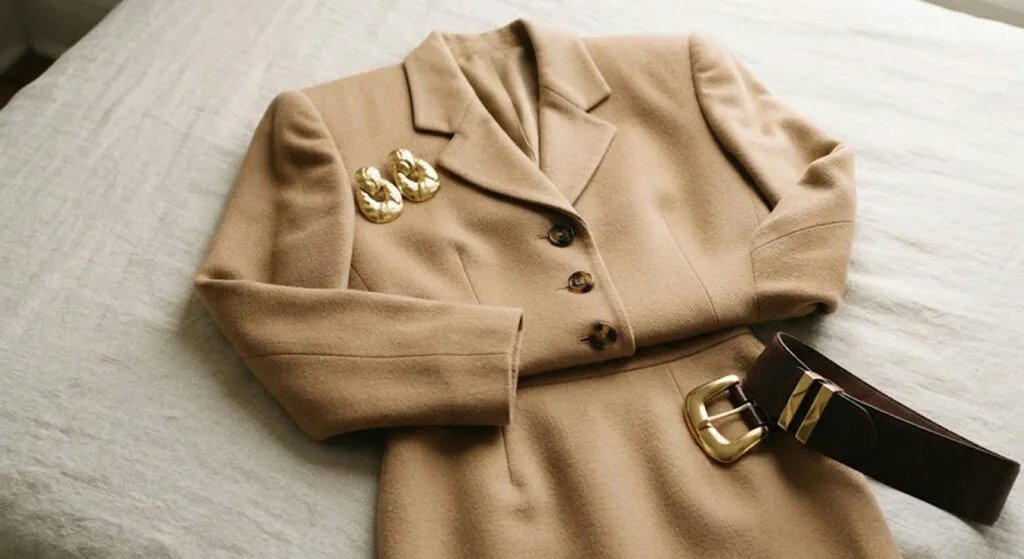
Padded shoulders, XL earrings and an accentuated waist. Caroline of Monaco wore a leopard print that was only visible when...
Three years without makeup. What has been removed is precisely the part of a woman's face the industry treats as...
This site uses cookies - is that okay? Learn more
Be the first to know when Metla launches something new
Leave your email and we will write when there is a new guide or something new on Metla.
