Slaveski Tells Filipče to Delete His "Shameful Post": Alta Banka's Customers Got a Duel on X Instead of a Deadline
02.11.2026


02.11.2026

02.11.2026

02.11.2026

02.11.2026
02.11.2026

02.11.2026

02.11.2026

01.11.2026

01.11.2026

02.11.2026

02.11.2026

01.11.2026

02.11.2026

02.11.2026

02.11.2026

02.11.2026
01.11.2026
31.10.2026

02.11.2026

02.11.2026

02.11.2026

02.11.2026

01.11.2026
01.11.2026
02.11.2026
01.11.2026
01.11.2026

23.04.2026

23.04.2026

12.04.2026

Sariñena, Barcelona, The Hague. Lita Cabellut was born into a very modest family in Sariñena near Huesca, spent her childhood in Barcelona, where a family adopted her, and at 19 won a scholarship to the Gerrit Rietveld Academie in the Netherlands. Today, according to Forbes, she is the highest-priced living Spanish female artist on the international market and among the country's top three regardless of gender. She has lived in the Netherlands for more than four decades.
"For me, being an artist isn't a choice," she says. She got her first lesson at the Prado, on a visit with her mother, in front of Rubens's The Three Graces and Goya's Black Paintings. Today she holds an honorary doctorate from the University of Barcelona, for whose 575th anniversary she created a work, and the Order of Isabella the Catholic. The home doesn't look like it belongs to someone who wants to show off. It looks like it belongs to someone who collects.
A carriage factory of 1,000 square metres
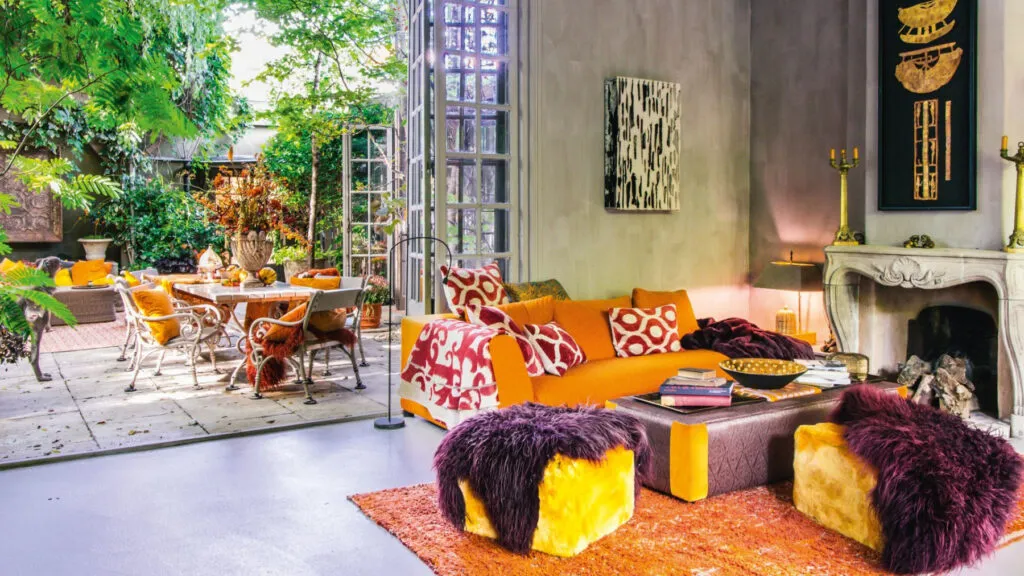
The house in The Hague is a former carriage factory that was meant to become flats. Cabellut took over the space and in nine months turned it into a home, studio and garden across some 1,000 square metres. The layout is clear: the living quarters, then a courtyard, then a bright studio surrounded by gardens. The value lay in what was already standing there. How many old industrial buildings in the Balkans are waiting for an excavator instead of an idea like this?
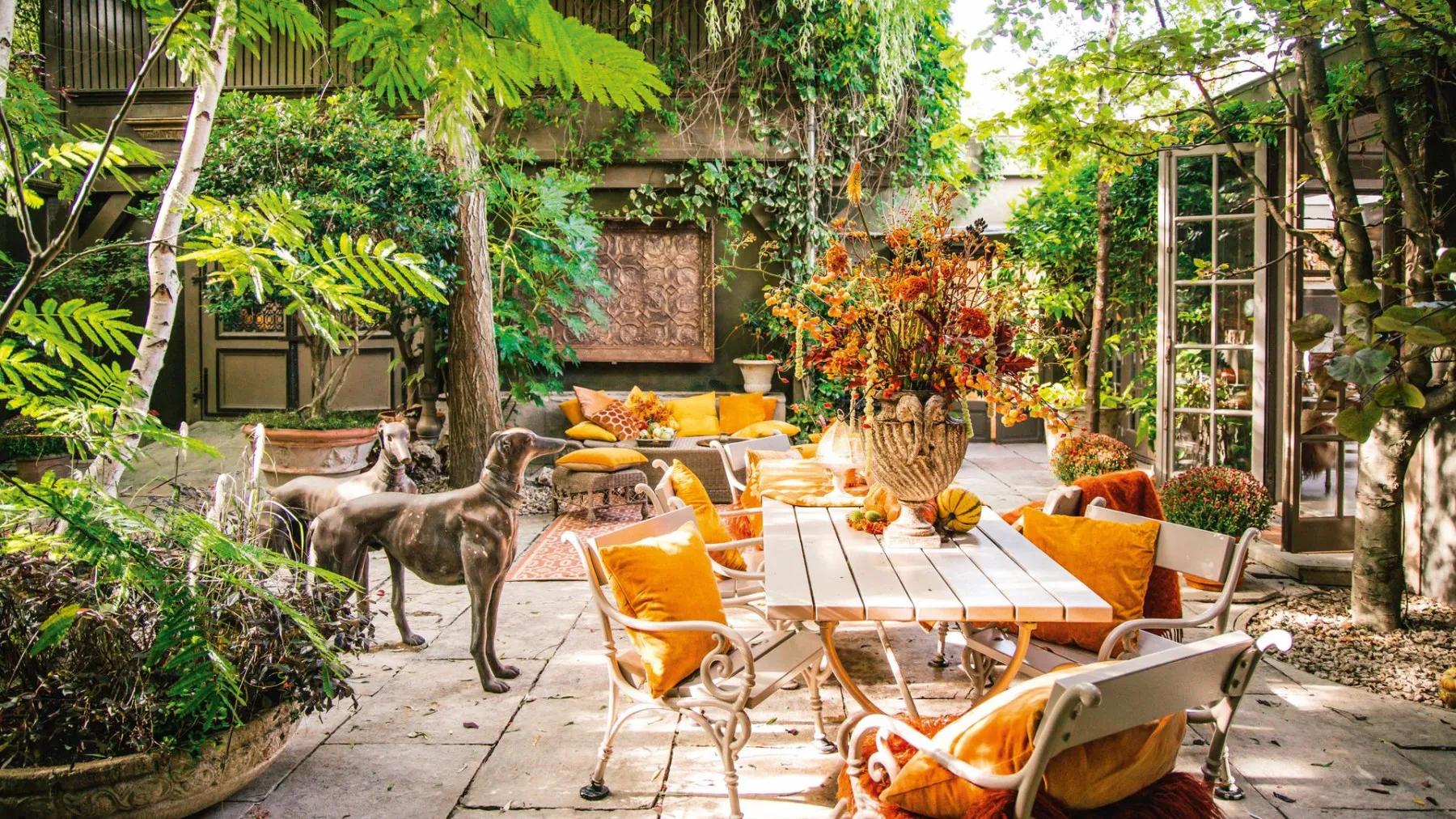
The courtyard is guarded by bronze sculptures inspired by Eos, Queen Victoria's favourite greyhound, and armchairs with orange cushions stand among the greenery. The pond is decorated with minerals and angular pieces from Madrid's Rastro flea market. That detail is worth remembering: big effects often come from a flea market.
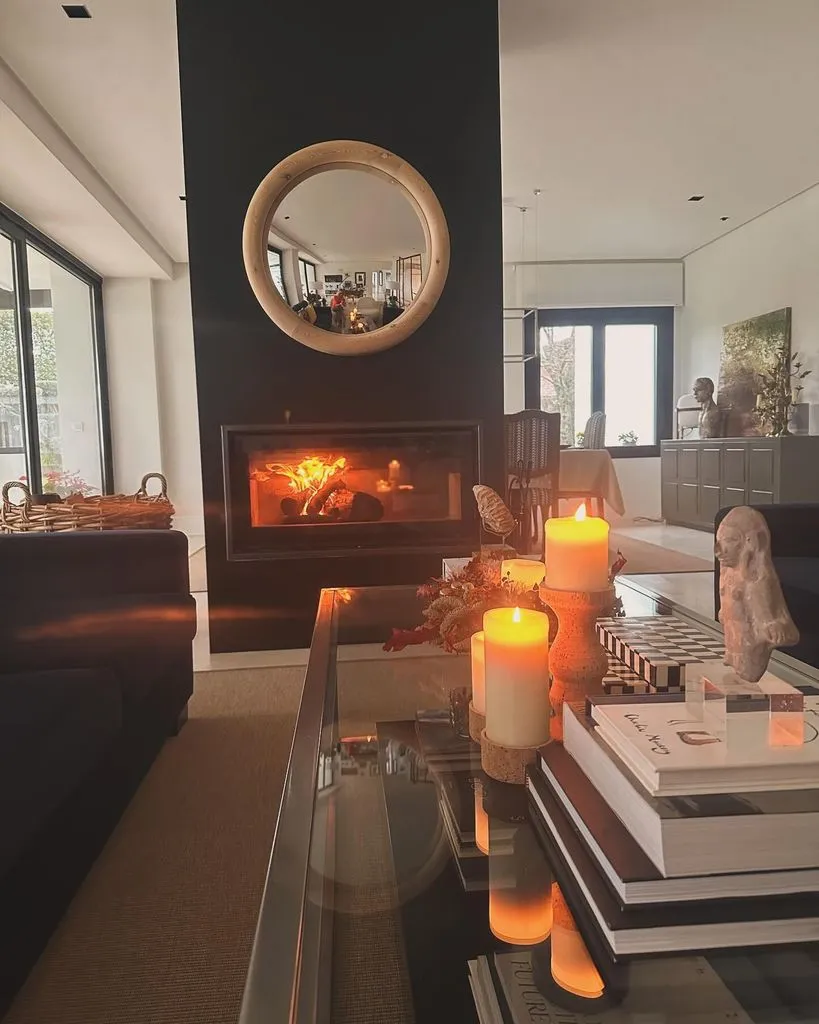
The living room is eclectic and rustic, with a fireplace reachable from two sides and the work River Song, and it's where they gather in winter. Another room holds the work Ready for the day, a lion sculpture and a 19th-century Venetian candlestick. The room with the Tibetan table keeps the antiques collection and the work Eliot's Desk. The kitchen is the boldest: a mirror, flowers in autumn tones and a sink made from a flowerpot. In the dining room, behind the table, stands a painted shelf.
The bedroom is dressed in Fortuny fabrics, which she says fascinate her. The guest room has a red bed, and the bathroom sink sits under a 16th-century Dutch-style mirror. The hallway is full of sculptures. Lita makes the bouquets and flower arrangements herself.
The studio and the chosen family
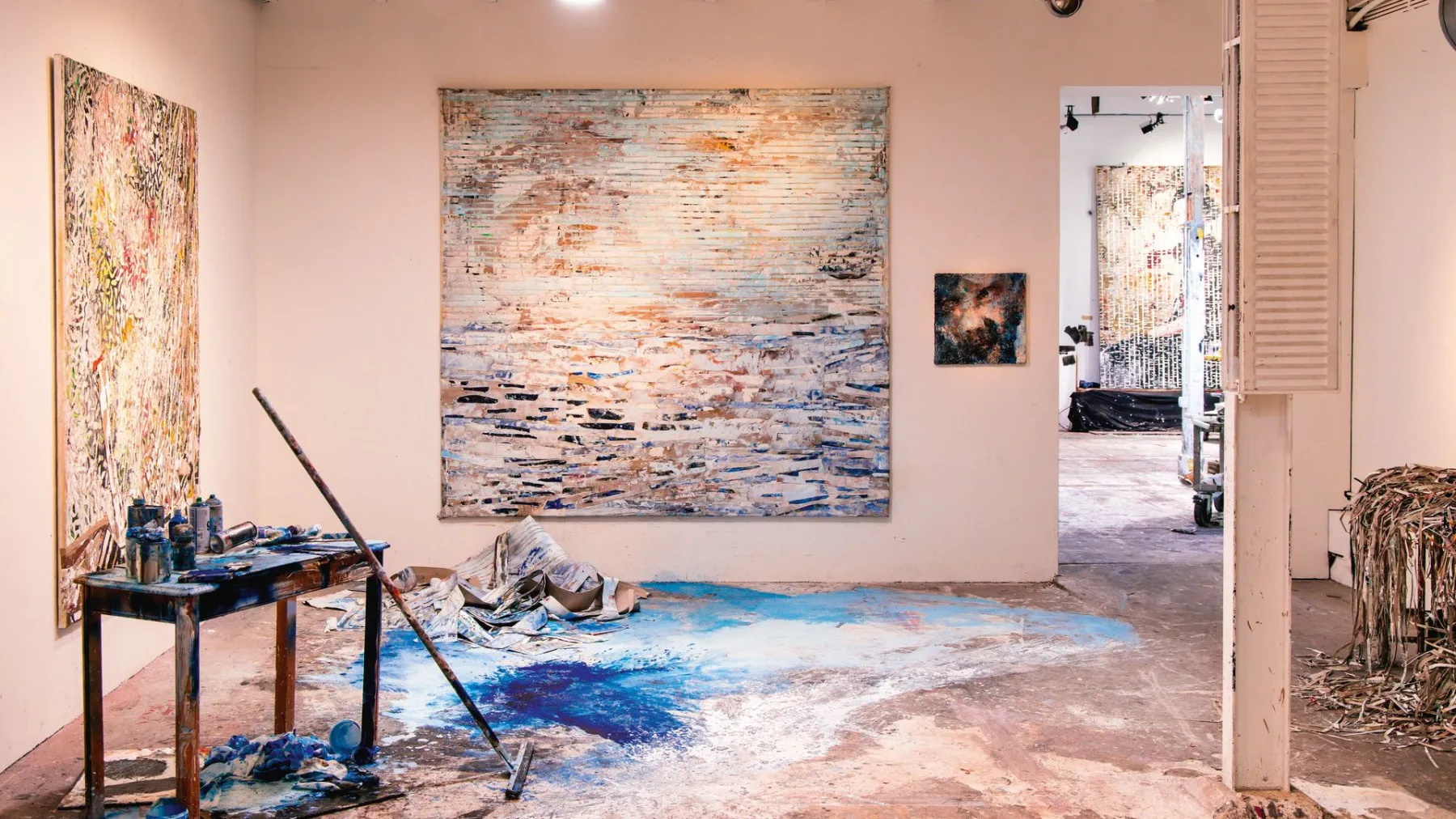
The real centre is across the courtyard. The studio holds The Fisher, just finished, Impressions of Assia and Tito. She calls her collaborators Virginia Villalobos, Marta Gil and Christine Riphagen her chosen family. None of the children live here, but the house is where the family meets.
The road back to Goya
Queen Letizia opened her exhibition at the San Fernando Royal Academy, an institution Goya once led. The title, "Wretched humanity, the fault is yours", comes from one of his prints, and the works are in dialogue with his Disparates. "It was an enormous honour," Cabellut says. The show drew a very young audience and is now at the JAN museum in the Netherlands.
Next comes a big project in early 2027, still without details, and an exhibition in Zaragoza in 2028, at the expanded Goya museum, for the bicentenary of the painter's death. "It carries an important emotional weight, because my roots are there," she says. The girl who stood before Goya at the Prado is coming back to him with her own canvases.
The latest 10 news from this category
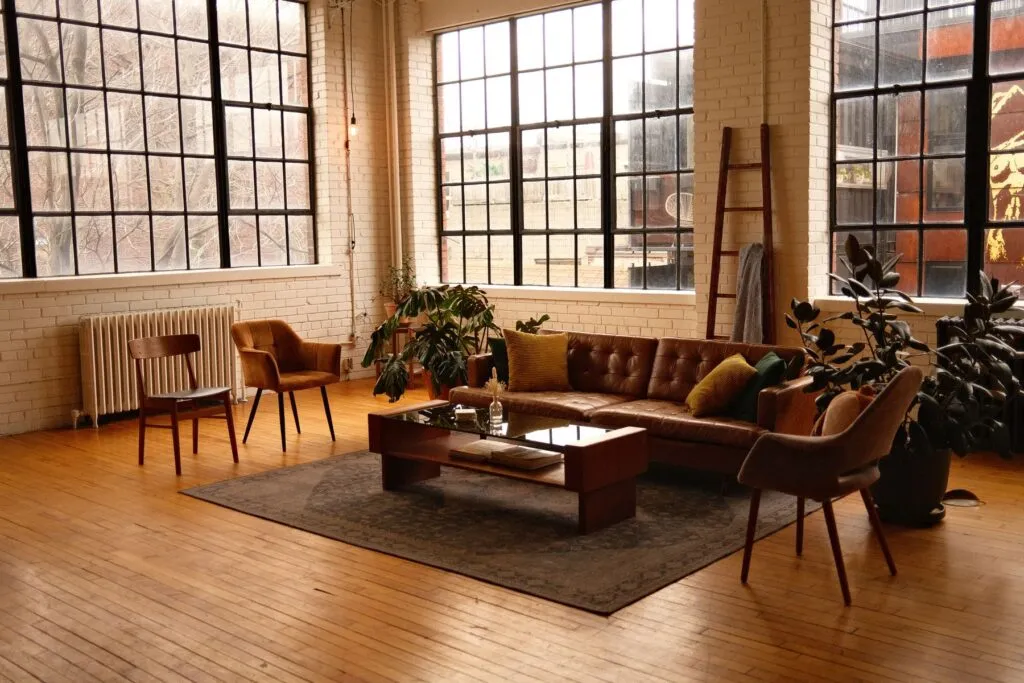
Industrial steel, a Zen living room and inherited vinyl on a shelf. The most important object in the house wasn't...
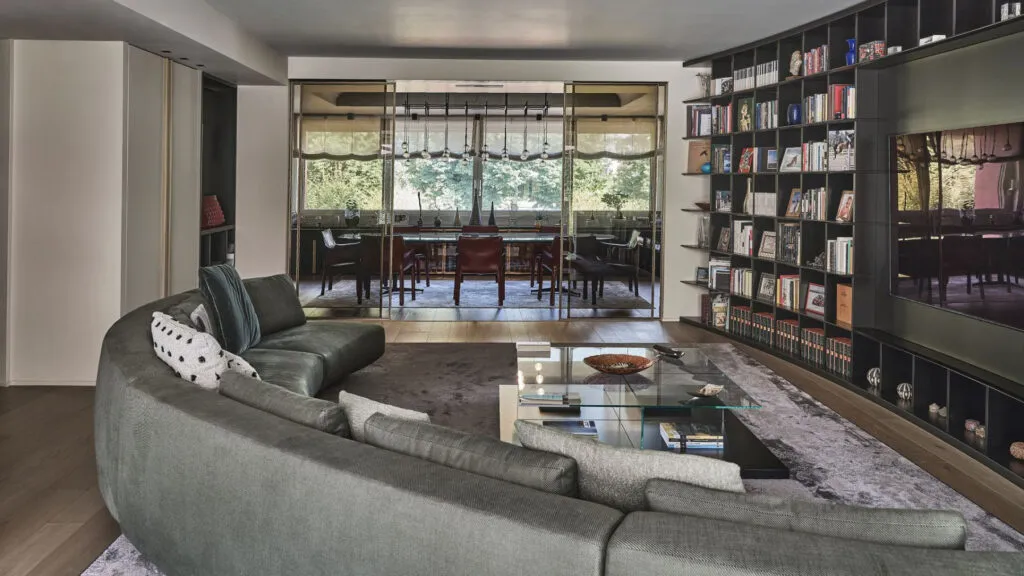
Most of us will never live like this, but three of the solutions from the Paolo Frello & Partners studio...

Before the builders tear everything out, check what your flat is hiding. Floors, ceiling mouldings and old joinery often can't...

The former tennis player bought Cromlix in 2013, at the peak of his career. Ten rooms, five suites, a chapel,...
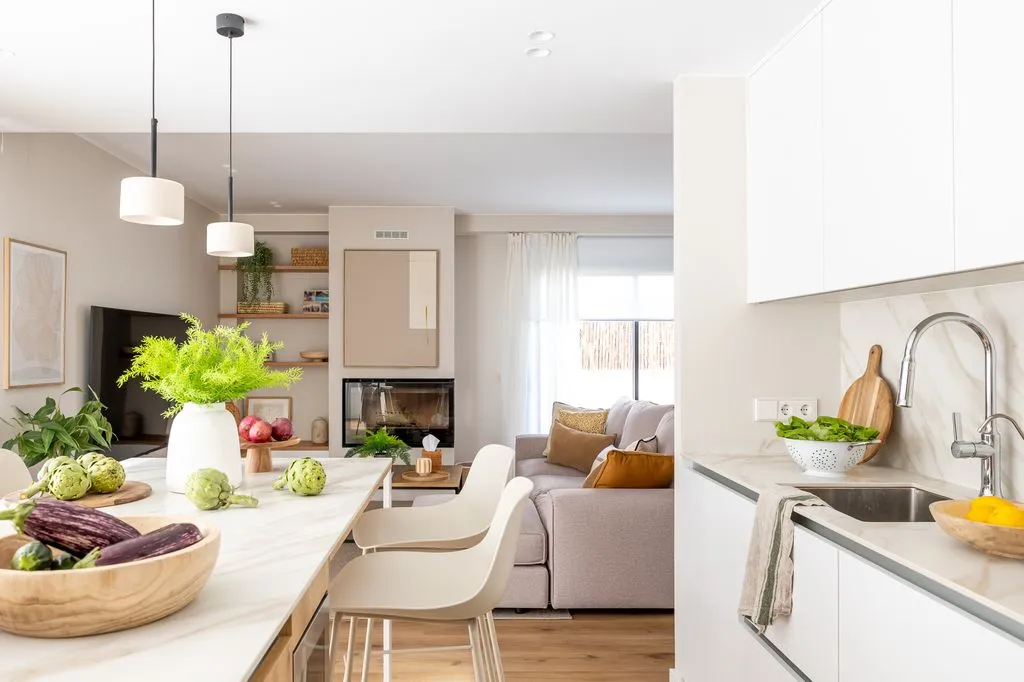
Oak, a minimalist kitchen, a spa-style bathroom and sandy tones. The Spanish designer explains why new builds look like a...
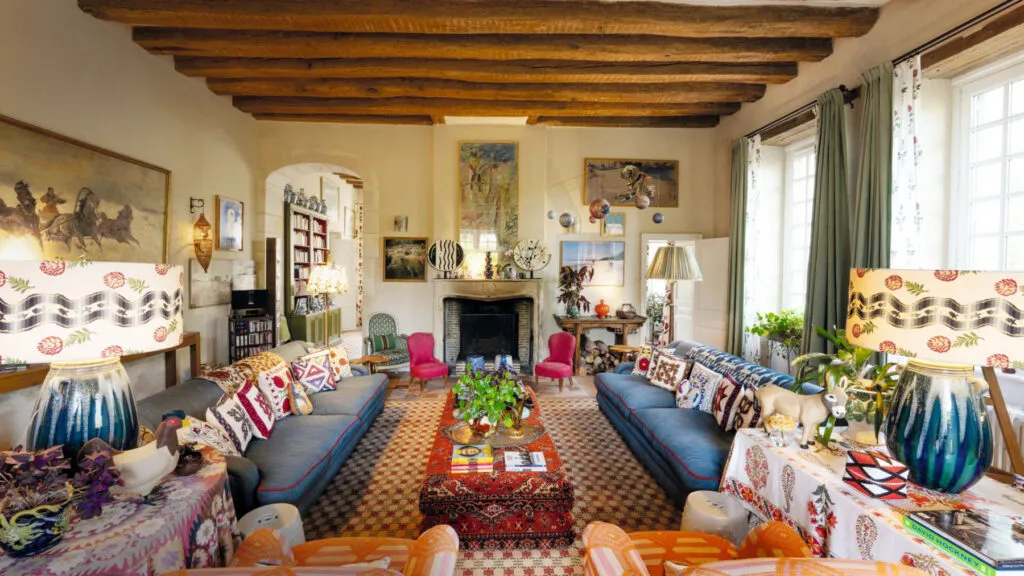
Descended from the Radziwiłłs, she grew up under communism and learned to remake everything. An 18th-century house with no minimalism...
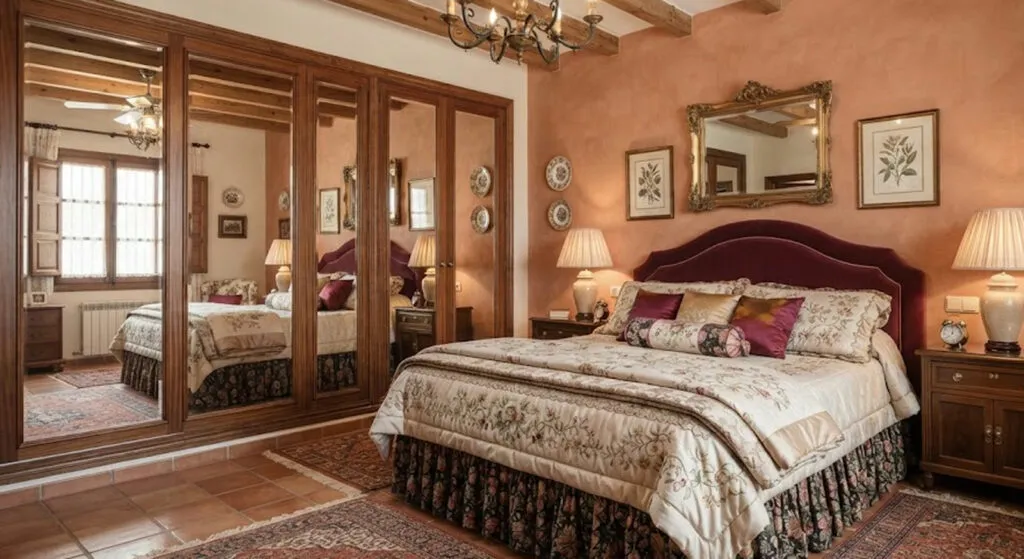
Five bedrooms, five bathrooms, a pool in Sierra Helada and not a single minimalist corner. The Spanish legend's home is...
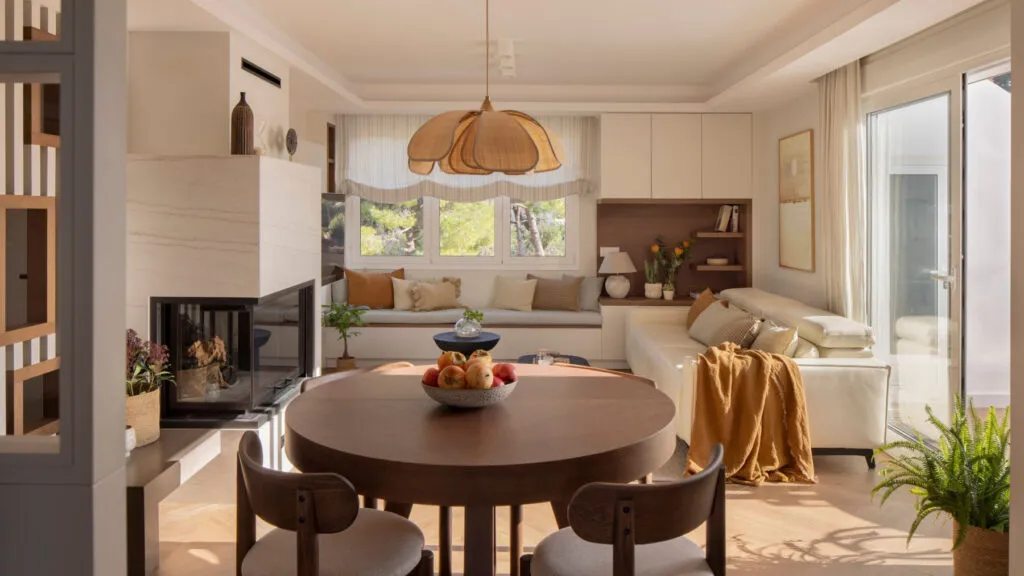
Sloping walls are usually an excuse for empty corners. Here they became a walk-in wardrobe, a reading bench and a...

The singer who joined Operación Triunfo 25 years ago has decorated a home without luxury. Most of the ideas in...
A TV presenter who lives in a rush every morning built herself a home where everything moves slowly. The best...
This site uses cookies - is that okay? Learn more
Be the first to know when Metla launches something new
Leave your email and we'll write to you when there's a new guide or something new on Metla.