Slaveski Tells Filipče to Delete His "Shameful Post": Alta Banka's Customers Got a Duel on X Instead of a Deadline
02.11.2026


02.11.2026

02.11.2026

02.11.2026

02.11.2026

02.11.2026

02.11.2026

02.11.2026

01.11.2026

01.11.2026

02.11.2026

02.11.2026

01.11.2026

02.11.2026

02.11.2026

02.11.2026

02.11.2026

01.11.2026

31.10.2026

02.11.2026

02.11.2026

02.11.2026

02.11.2026

01.11.2026
01.11.2026

02.11.2026

01.11.2026

01.11.2026

23.04.2026

23.04.2026

12.04.2026


"I hope I'm not addicted to work," Rosalía said on CBS News Sunday Morning, adding that she's looking for a way to work sustainably for many more years. One sentence from a singer on tour, and it opens a question that holds for an accountant, a driver or a doctor on call too: when does devotion stop being a virtue?
Psychologist Ana Galán first clears up a misunderstanding: you can be a great perfectionist and enjoy your work without it hurting you. The problem starts when work becomes an inner obligation. The signs are concrete: guilt when you rest, the feeling that nothing is good enough, a mood that depends on results.
The most common defence is "I can stop whenever I want". Galán says that's often true but proves nothing. What matters is how you are when you stop. The best test is a sick day: some people lie down, others answer emails with a fever. And switching off isn't shutting down the computer. There are people who at dinner, with friends and on holiday keep lining up tasks in their heads, and go years without real rest, even though they take a few days off every summer.
The body says it before the mind does: it stays revved up, struggles to fall asleep, and the first days without work are unpleasant. Add irritability and a constant feeling of not having done enough, and the picture is clear. Work addiction isn't a recognised diagnosis, although the pattern is well described. For Rosalía that means nothing can be claimed from a few of her words. On the contrary, Galán values the fact that she asks the question out loud: the usual answer in such cases is a firm "I'm in control", not doubt.
Perfectionism, meanwhile, has less to do with wanting to do something well and more with what a person believes will happen if they don't. When your worth as a person gets mixed up with achievements, a mistake feels like a verdict. "Perfectionism is the only flaw people say out loud in a job interview," Galán says. The paradox: the more you control things to feel calm, the further away calm gets.
The sharpest part of her analysis isn't about singers. Hate your job and work twelve hours, and you get worried questions. Love it and work fourteen, and you get admiration. Galán calls it the only addiction that gets applause. How many times in the Balkans have we heard "he doesn't know what rest is" said like a medal?
Age alone solves nothing. "What changes with time usually isn't the demand, but what a person is willing to pay for it," Galán says, and that mostly comes after a blow: exhaustion, loss, illness. Rest isn't a reward for after you collapse, it's part of maintenance. And one last warning: don't let balance become yet another goal you can fail at.
The latest 10 news from this category

Legend has it the first ones were hurled red-hot from the walls of besieged Almogía. Today they're filled with cream,...

A book with "revolution" in the title and advice every grandmother knows: dinner earlier, beans on the table, vegetables before...

Two fillets, ham, cheese and breading from the finest crumbs. The biggest mistake is adding everything you've got in the...

If you sleep six hours and need eight, you run up two hours of debt a day. The weekend is...

The name sounds expensive, but the dish is mountain food from Auvergne: potatoes, bacon and cheese that stretches into long...

The recommendation is 25 to 30 grams of fibre a day, but your gut won't accept it overnight. A nutritionist...

Before "trick or treat" there were soul cakes: spiced biscuits with raisins, baked for 15 to 20 minutes at 180...
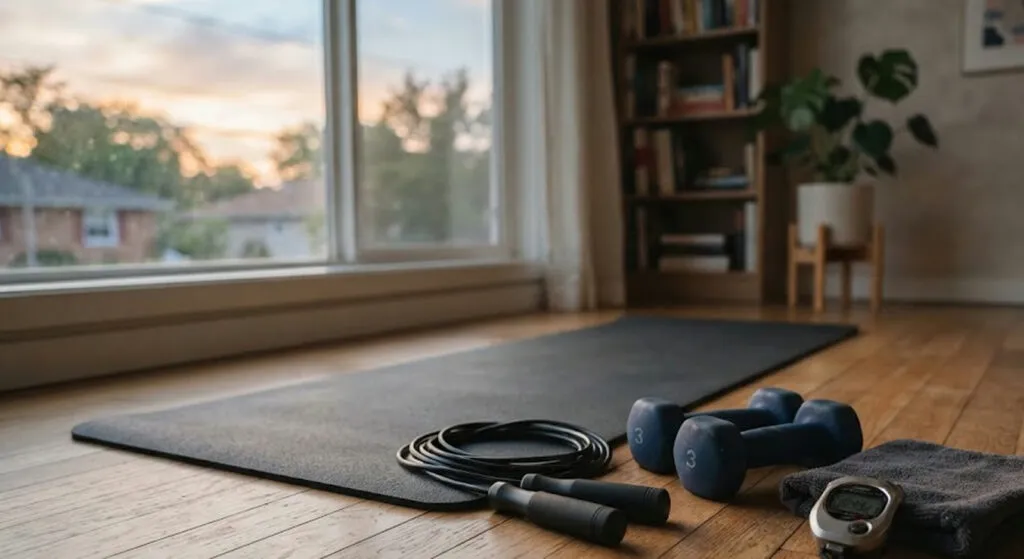
It sounds like an ad for the lazy, but the number only covers the intense intervals. The rest of the...

The best way to rescue apples that have started going soft. It works for breakfast, in a cake and -...

The British psychiatrist discovered gardening through her husband and now argues that greenery lowers cortisol. The garden doesn't replace medication...
This site uses cookies - is that okay? Learn more
Be the first to know when Metla launches something new
Leave your email and we'll write to you when there's a new guide or something new on Metla.