Precautionary Measures, Then Detention: What Changed at the Prosecutor's Office After the Attack on Sara from Ohrid?
17.11.2026


17.11.2026

17.11.2026

17.11.2026

17.11.2026

17.11.2026

17.11.2026

17.11.2026

16.11.2026

16.11.2026

17.11.2026

17.11.2026

16.11.2026

17.11.2026

17.11.2026

17.11.2026

17.11.2026

16.11.2026

15.11.2026

17.11.2026

16.11.2026

15.11.2026
17.11.2026

17.11.2026

16.11.2026

17.11.2026

16.11.2026

15.11.2026

23.04.2026

23.04.2026

12.04.2026


In 1999, Jordan Belfort pleaded guilty to securities fraud and money laundering. His Long Island brokerage, Stratton Oakmont, pushed cheap stocks on people in a "pump and dump" scheme, while he bought himself a mansion in Southampton, a yacht almost 51 metres long and a helicopter. He served 22 months in prison, and the court ordered him to pay back 110.4 million dollars (about 100 million euros) to 1,513 victims.
In the end the victims received "much less" than they were owed, TMZ reported in July, even though Belfort completed his court-ordered restitution obligations in April this year. "The Wolf of Wall Street" hasn't disappeared since: he worked as a sales consultant in Miami, then hosted crypto workshops at his home, where entry, according to a New York Times reporter, cost one bitcoin, then around 40,000 dollars.
Now he's combining what he knows best, selling, with the hottest trend on the planet. His startup Tone makes AI voices with what he calls deal-closing intonation: they say statements as if they were questions, because that "builds engagement", and sometimes they whisper, because that "implies the information is scarce". According to Belfort, there are around 15 very powerful intonations people use all the time, and the model was trained on what he claims are 30 years of "super high-quality data".
Clients include law firms and health insurers, and the system also works in polling and car sales. In health insurance it runs the entire sale: it asks questions, picks a plan, and if the premium is too high, suggests a higher deductible to bring it down. Revenue? "Probably around a million dollars. 700,000, maybe," says Belfort. The figure dropped by 30 percent within a single sentence. Around 10 million dollars (about 9 million euros) has been raised from friends, family and a seed round.
Here comes the risk. The co-founder is long-time investor Shervin Pishevar, who has faced allegations of misconduct, which he denies. Neither of the two is an engineer, and the claims about the technology can't be independently verified. Asked why a bank, a hospital or a brand would trust the pair, Belfort replies: "I made mistakes. That was a long, long time ago." If some companies don't want to work with them, he says, that's their decision, but there will be "more than enough" who see the value.
He admits himself that Tone isn't yet as good as a top salesperson, but believes that will change within six months to a year and that it will significantly outperform the average salesperson. It only calls people who have given consent, he says, because in the US AI voices fall under the rules for automated calls. He isn't thinking about selling the company: "Right now my plan is to raise a significant sum."
The Balkans remember the pyramid savings banks of the nineties and the charming people who sold them. Now the talent for persuasion is being packaged into software that can talk to thousands of people at once, without fatigue and without a guilty conscience. Soon the voice will sound human for everyone, and Belfort admits as much. The question is who stands behind whatever that voice is selling.
The latest 10 news from this category
India poured billions into becoming China's alternative in chips, and it still isn't there. One New Delhi startup is trying...

"When Nvidia was among the owners, everyone felt safe." Now the cheques will be smaller, valuations lower, and Europe may...
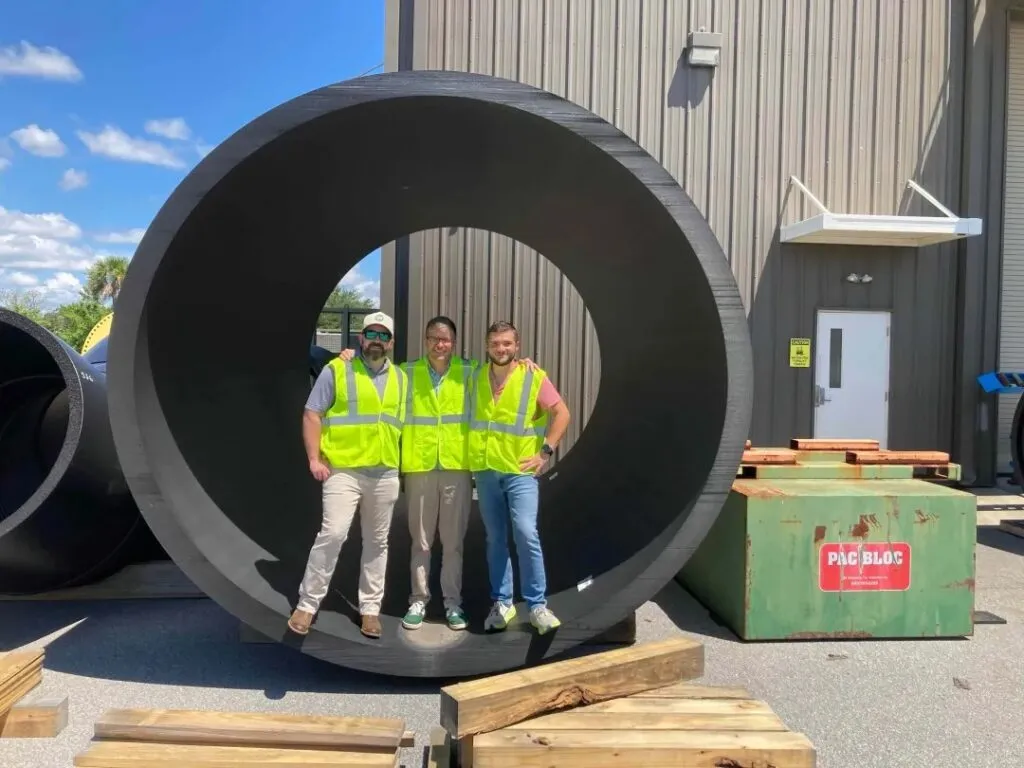
A data centre on a ship, cooled and powered by the ocean. Sounds like science fiction, but the concept dates...

The Amsterdam cloud will spend 40 billion dollars of its customers' money, and one of its biggest customers is already...

The startup won't ship its first chips until next year, yet it is already worth over 5 billion pounds. The...

The company that tracks your sleep and pulse now wants to be your first door to the doctor. A few...

The company that started out flying blood to hospitals in Rwanda is now building a drone network over American suburbs....

The tool anyone could use to make a poster or a presentation now has a competitor in every chatbot. The...
Three Stanford classmates are selling the idea that AI can build up experience like an employee. Nvidia is both investor...

It had an independent privacy audit and money from Khosla Ventures, but not the capital for the race with Muse...
This site uses cookies - is that okay? Learn more
Be the first to know when Metla launches something new
Leave your email and we'll write to you when there's a new guide or something new on Metla.