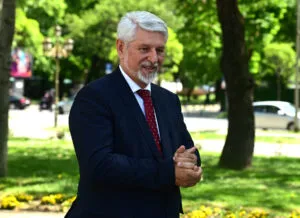
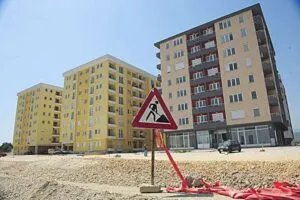
A New Criminal Complaint Against Jakimovski: A Building Permit Based on a Plan Struck Down Back in 2018
16.09.2026


16.09.2026

16.09.2026

16.09.2026

16.09.2026
16.09.2026

16.09.2026

16.09.2026

15.09.2026

14.09.2026

16.09.2026

16.09.2026

15.09.2026

16.09.2026

15.09.2026

14.09.2026

16.09.2026

16.09.2026

16.09.2026

16.09.2026

15.09.2026
15.09.2026

09.03.2026

27.02.2026

19.02.2026

16.09.2026

15.09.2026

14.09.2026

23.04.2026

23.04.2026

12.04.2026

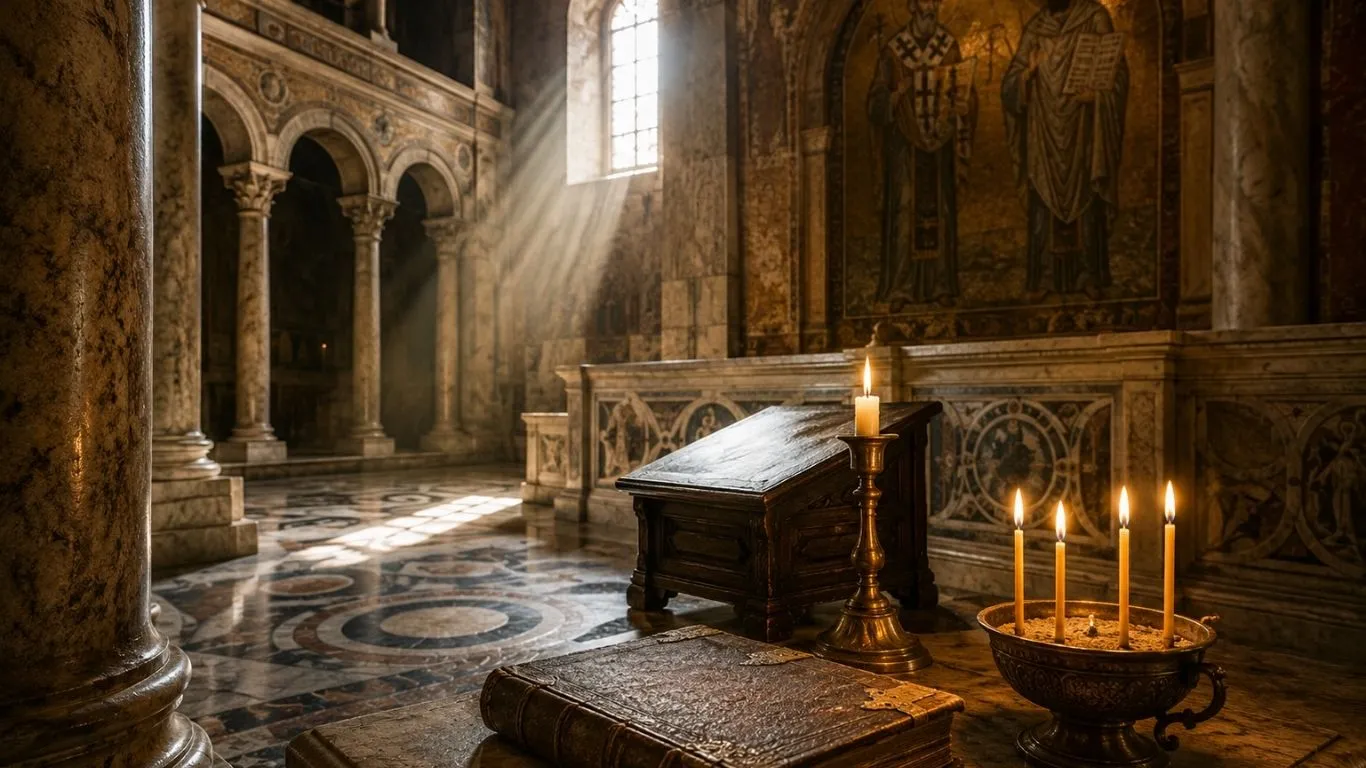
A Macedonian state-church delegation led by the Speaker of Parliament Afrim Gashi attended today's moleben in the San Clemente basilica in Rome - the place where Saint Cyril is buried. The service was led by the Archbishop of Ohrid and Macedonia His Grace Stefan. The occasion - May 24, the Day of the Pan-Slavic Enlighteners.
San Clemente isn't an ordinary place. It is one of the oldest Christian basilicas in Rome, with three layers: an upper layer from the 12th century, beneath it a church from the 4th century, and beneath that, even deeper - a mithraeum from Roman times. Saint Cyril died in Rome in 869 and was buried right here, in the middle layer. For the Macedonian Orthodox world, this is a first-rank shrine.
At the service, Archbishop Stefan said: „Your work did not vanish with the centuries. Your sacrifice keeps bearing new fruit. As long as our people exist, your names will be spoken." A poetic line for work that gave literacy to an entire Slavic world - from the Adriatic coast to the Russian tundra. Cyril and Methodius created an alphabet still used today by over 250 million people across Europe and Asia.
Gashi, as a state representative, will also visit the papal basilica of Santa Maria Maggiore, where he will lay a wreath at a Macedonian memorial plaque from 2015. That plaque records gratitude to Pope Adrian II, who in 868 consecrated the Slavic books - an act that formally legitimized the free use of the Slavic language in the liturgy. Without that papal blessing, the work of Cyril and Methodius might have remained a local experiment.
The posture of this visit matters in another context as well. Macedonia has very few common moments in which the government, opposition and church speak in the same tone. The celebration of the Slavic enlighteners is one of them. Worth noting - alongside the party fights and ethnic arguments, there are themes where the state can speak with a single voice. Cyril and Methodius, it turns out, still have that ability - 1,150 years after their death.
The latest 10 news from this category

The World Bank dropped out over misalignment with EU requirements. Construction will take two and a half years, and the...

Of 9,500 square metres of greenery, 268 remain. Terrain with an 80-metre height difference, no erosion study and no opinion...
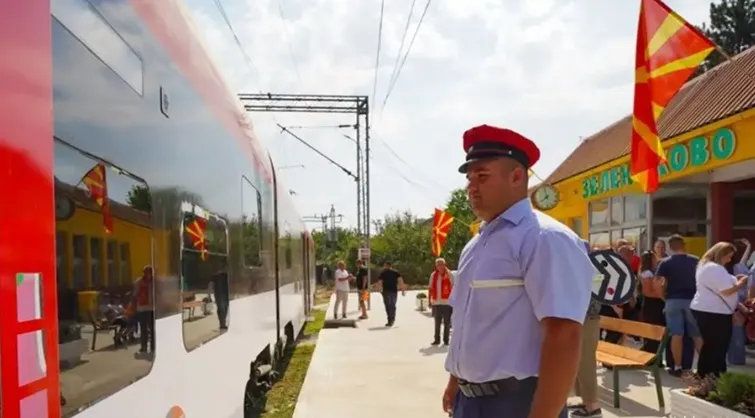
Gjorgjievski says the system should be ready by the middle of next year. The BRT tender is announced for the...

The second operation at the same site within a year. Gerasimovski himself is appealing to the Labour Ministry - because...
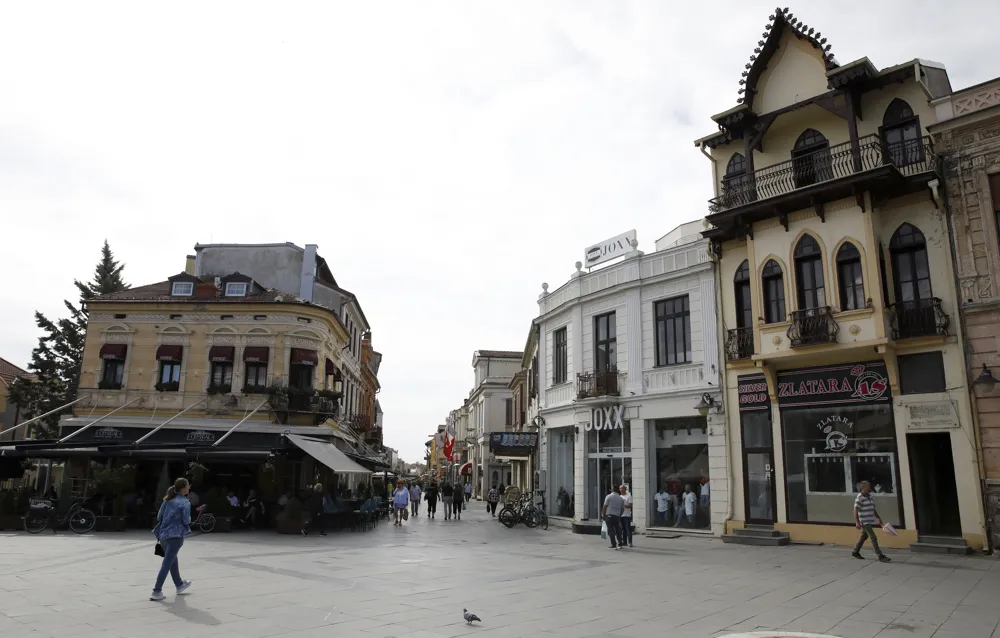
A prosumer scheme, a solar oven and electricity generated by bicycle on Magnolija square. The city that has paid the...
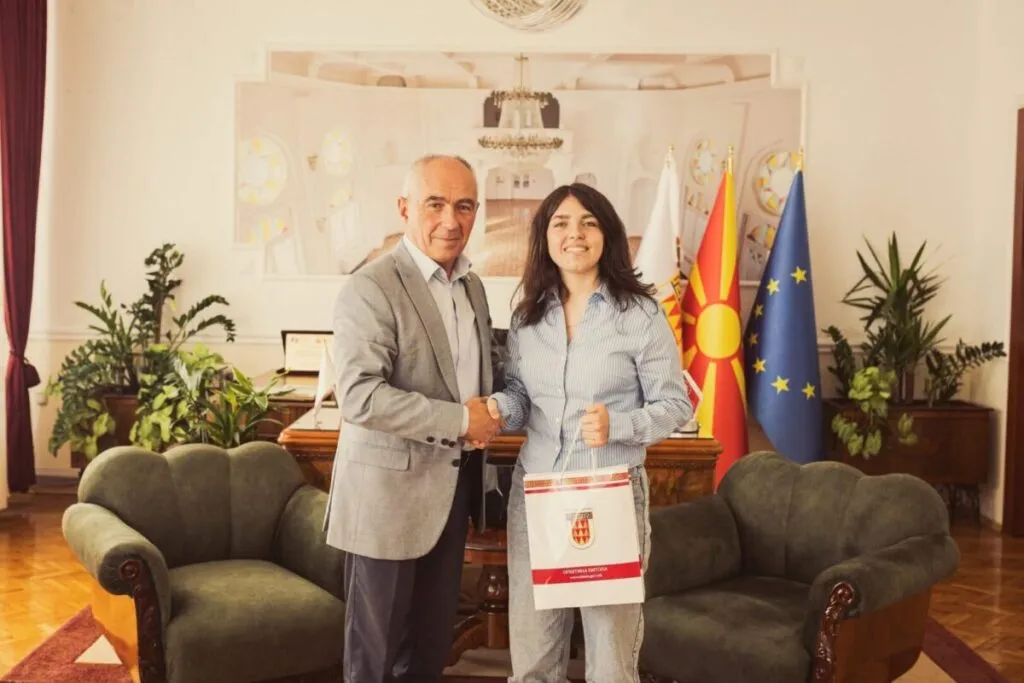
Stefanija Dimovska won two medals at IESO 2026, working in mixed international teams. Before that she was also national champion...
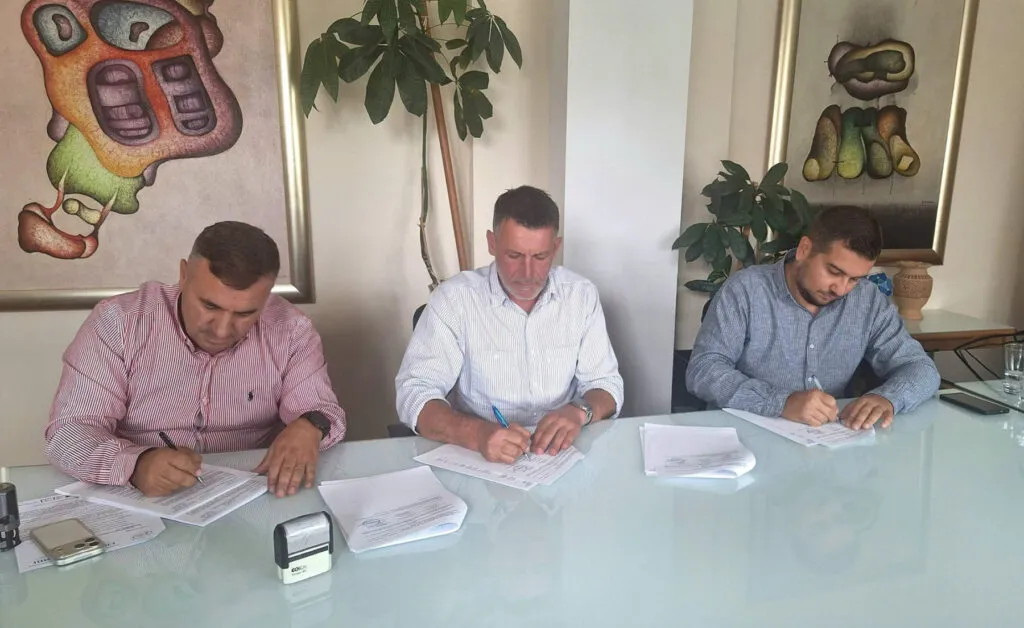
Out of nearly 4.7 million denars, the municipality is putting in around 180,000. The rest comes through the Bureau for...

Ten years working inside the health system - and she still had to pull strings to be admitted. The clinic...
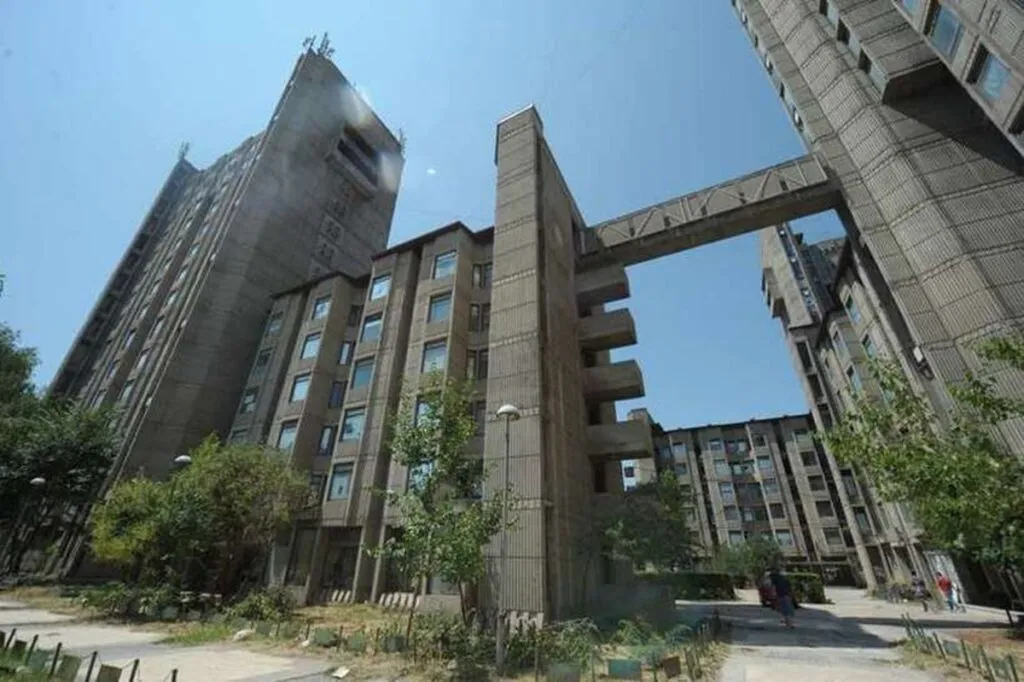
Appeals run from 15 to 25 September. There is not enough space at Goce Delčev, so students go to Stiv...

From 23:00 to 05:00 there is no getting through towards Evzoni. Towards Halkidiki - business as usual. Those heading on...
This site uses cookies - is that okay? Learn more
Be the first to know when Metla launches something new
Leave your email and we will write when there is a new guide or something new on Metla.