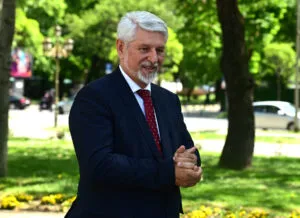
A New Criminal Complaint Against Jakimovski: A Building Permit Based on a Plan Struck Down Back in 2018
16.09.2026


16.09.2026
16.09.2026

16.09.2026
16.09.2026
16.09.2026

16.09.2026
16.09.2026
15.09.2026
14.09.2026

16.09.2026

16.09.2026

15.09.2026

16.09.2026

15.09.2026

14.09.2026

16.09.2026

16.09.2026

16.09.2026

16.09.2026

15.09.2026
15.09.2026

09.03.2026

27.02.2026

19.02.2026

16.09.2026

15.09.2026
14.09.2026

23.04.2026

23.04.2026

12.04.2026

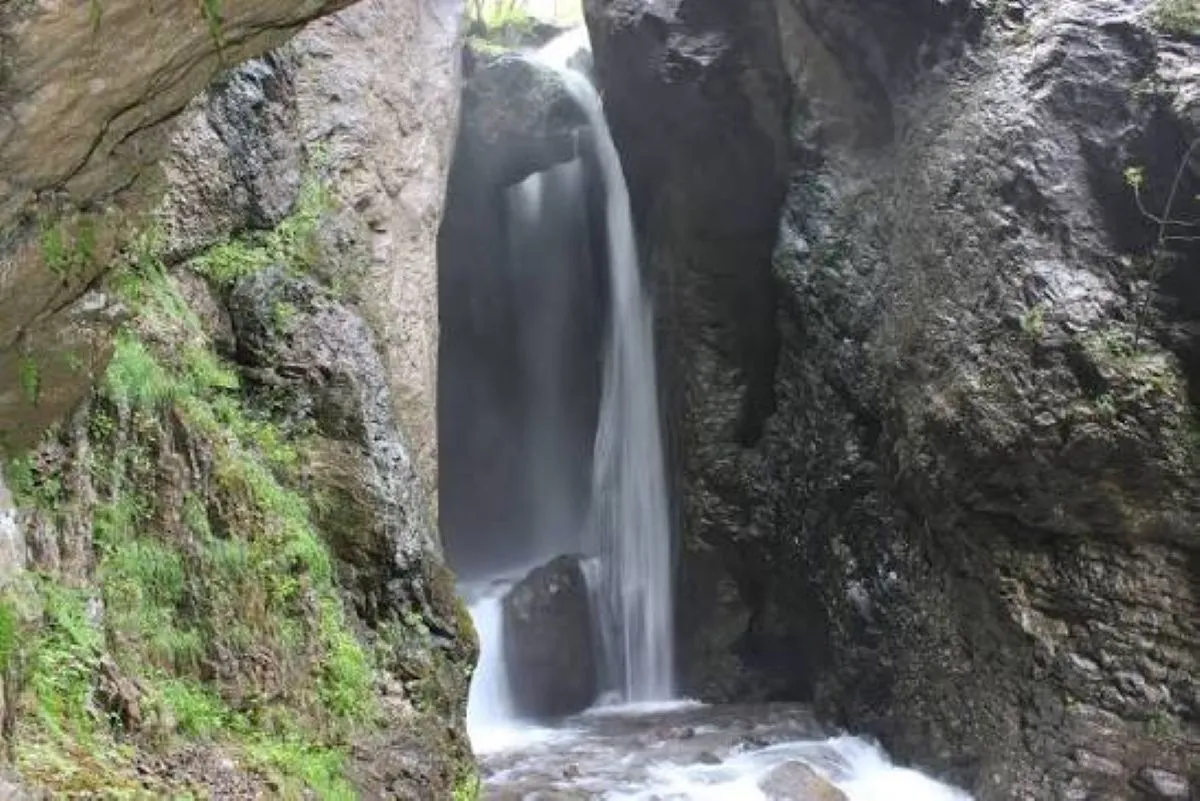
Macedonia's mountains are slowly losing their waterfalls - and with them, something that's hard to bring back. Behind the disappearance of natural gems like the Smolari, the Koleshino, and the waterfall on Korab stands a combination of small hydropower plants, climate change, and illegal logging, which together reveal the true price of a quiet ecocide.
The small hydropower plants are perhaps the biggest culprit. Even though they produce barely four percent of the country's electricity, they divert mountain water through huge pipes and leave riverbeds nearly dry. The result is destroyed biodiversity and a permanently altered look to the mountains. In 2022, seven harmful concessions for such plants were revoked in the Šar Mountain National Park - but the problem stays alive elsewhere.
Natural and human factors compound this. Less snow in winters and longer droughts directly hit seasonal waterfalls like the Korab one, which depends on snowmelt. Illegal logging on Šar and Jakupica destroys the soil's ability to retain moisture, so water runs off faster, slopes erode, and rivers turn muddy and unstable. On top of all this comes tourism - viral social-media posts bring an uncontrolled influx of visitors who leave plastic and trash behind.
And who answers for it? According to the State Audit Office and the European Commission, the problem lies in „dysfunctional state control bodies" and in an inefficient system of inspections and fines. The adoption of European environmental directives has been postponed for years, while the mountains quietly empty of water. A waterfall doesn't protest, doesn't vote, and doesn't issue statements - it just dries up. And once it falls silent, no later concession will bring back the sound of falling water.
The latest 10 news from this category

The World Bank dropped out over misalignment with EU requirements. Construction will take two and a half years, and the...
Of 9,500 square metres of greenery, 268 remain. Terrain with an 80-metre height difference, no erosion study and no opinion...
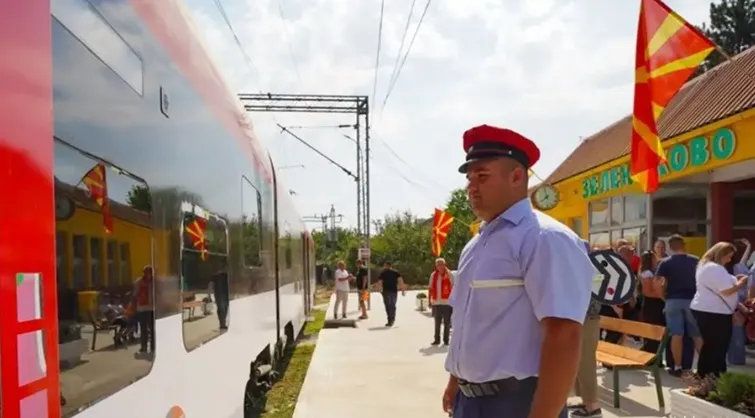
Gjorgjievski says the system should be ready by the middle of next year. The BRT tender is announced for the...
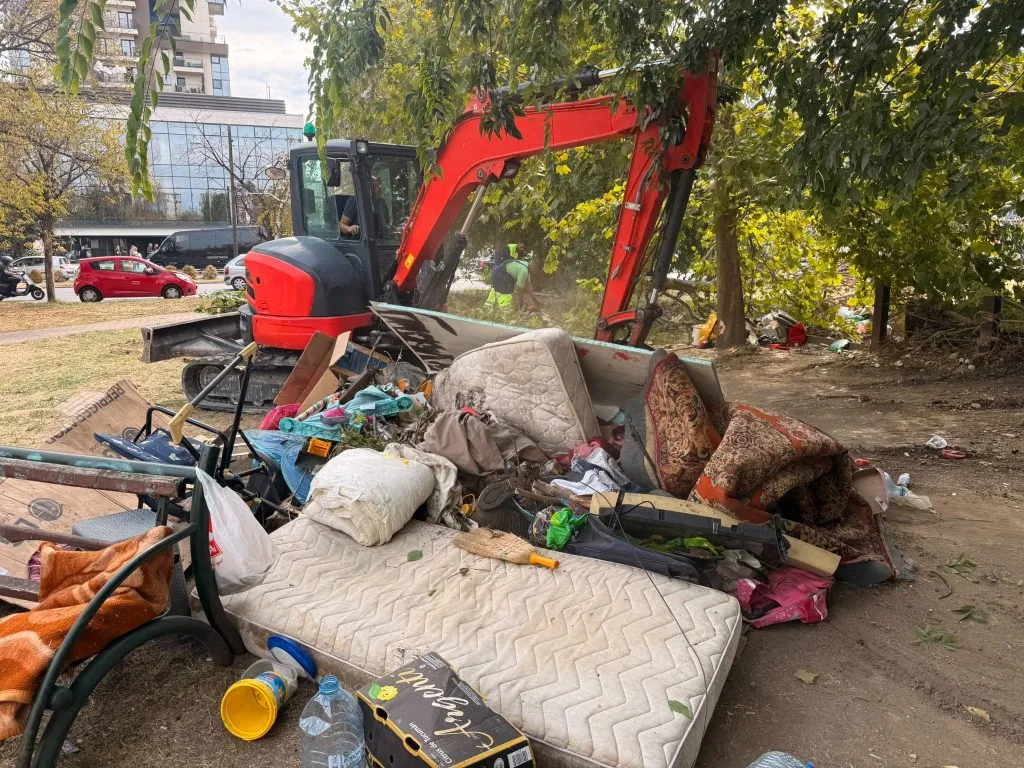
The second operation at the same site within a year. Gerasimovski himself is appealing to the Labour Ministry - because...
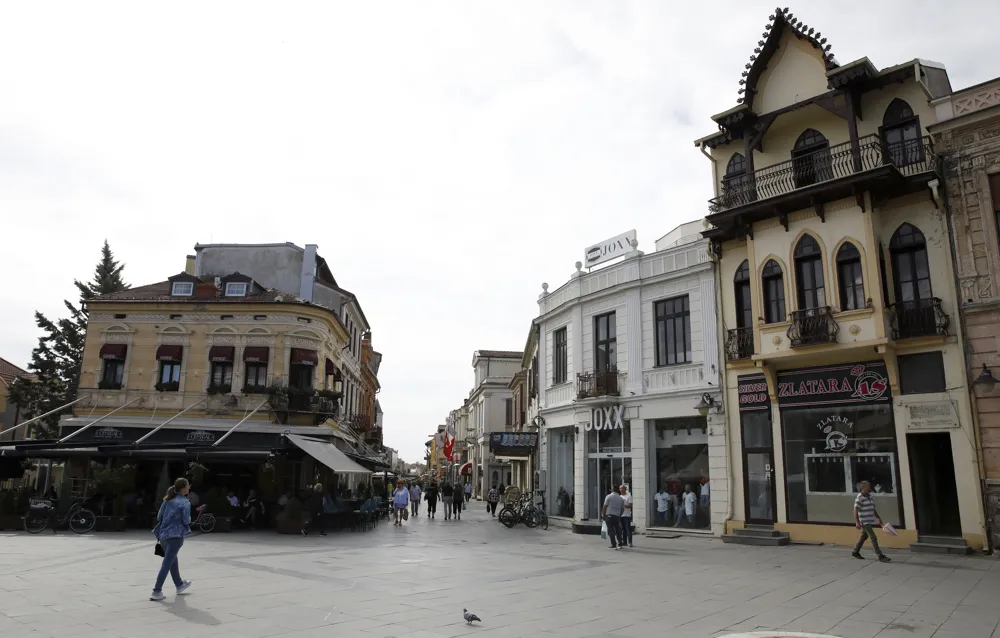
A prosumer scheme, a solar oven and electricity generated by bicycle on Magnolija square. The city that has paid the...
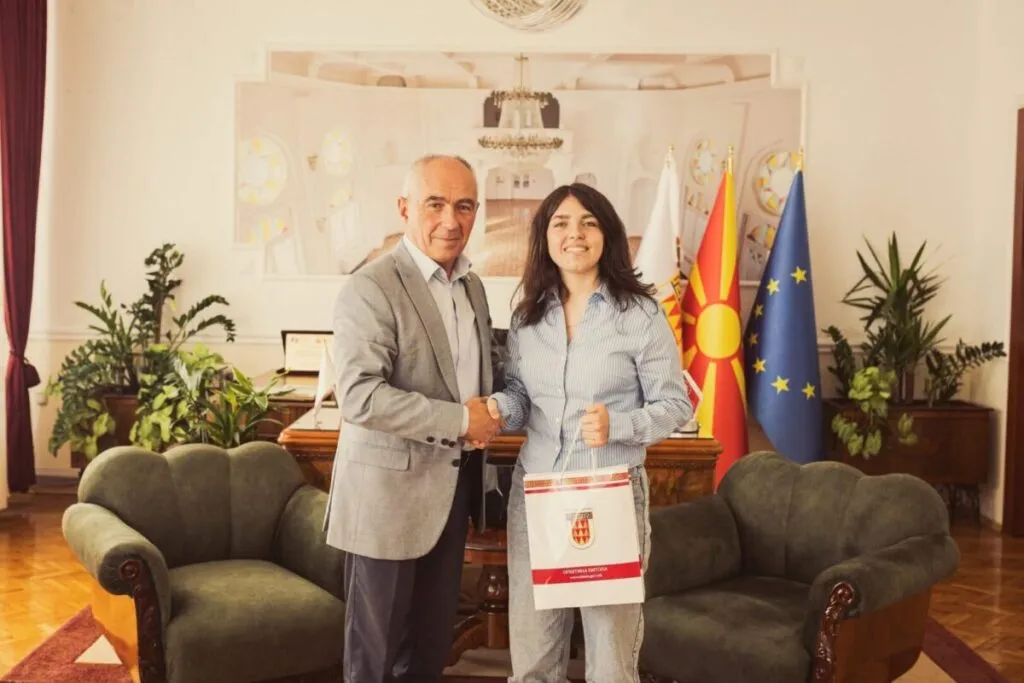
Stefanija Dimovska won two medals at IESO 2026, working in mixed international teams. Before that she was also national champion...
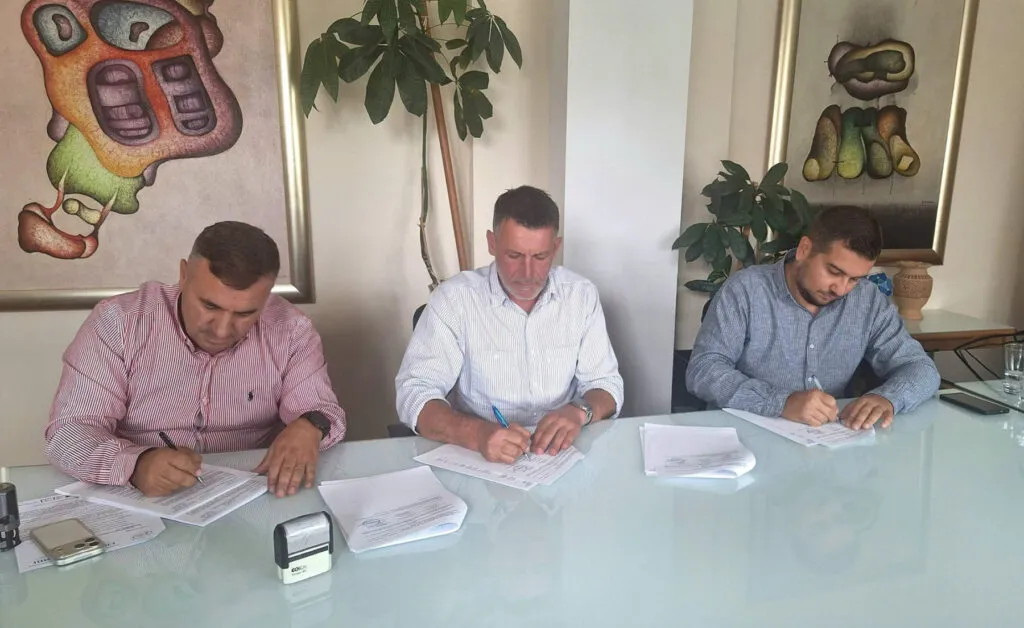
Out of nearly 4.7 million denars, the municipality is putting in around 180,000. The rest comes through the Bureau for...

Ten years working inside the health system - and she still had to pull strings to be admitted. The clinic...
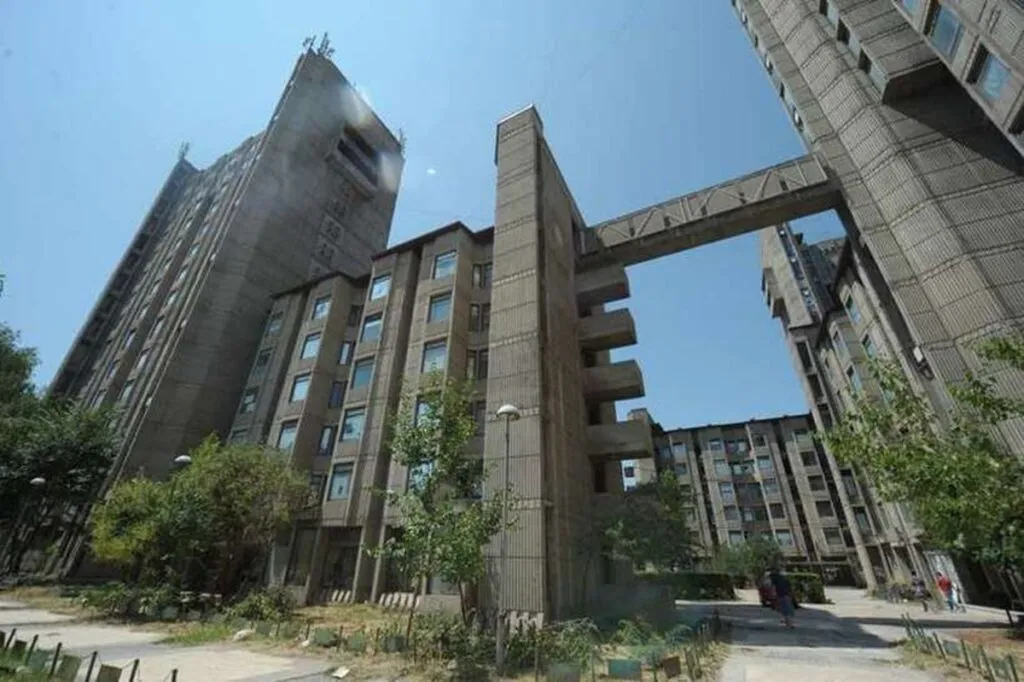
Appeals run from 15 to 25 September. There is not enough space at Goce Delčev, so students go to Stiv...
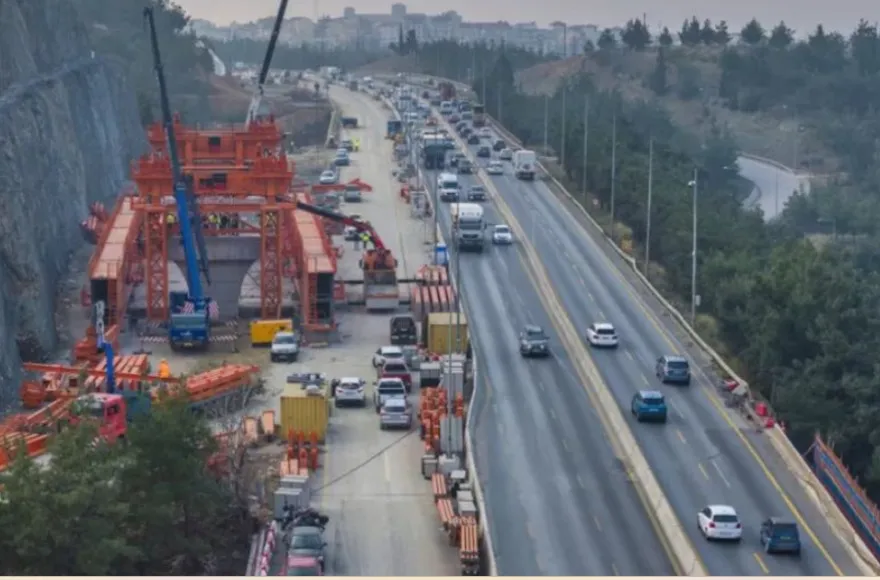
From 23:00 to 05:00 there is no getting through towards Evzoni. Towards Halkidiki - business as usual. Those heading on...
This site uses cookies - is that okay? Learn more
Be the first to know when Metla launches something new
Leave your email and we will write when there is a new guide or something new on Metla.