


The Ambulance Service Gets 100 New Vehicles, but More Than 300 Staff Retire by 2030: Who Will Drive Them?
25.11.2026


25.11.2026

25.11.2026

25.11.2026

25.11.2026

25.11.2026

25.11.2026

25.11.2026

24.11.2026

23.11.2026

25.11.2026

25.11.2026

24.11.2026

25.11.2026

25.11.2026

25.11.2026

25.11.2026

24.11.2026

23.11.2026

25.11.2026

24.11.2026

23.11.2026

24.11.2026

23.11.2026

23.11.2026

25.11.2026

24.11.2026

23.11.2026

23.04.2026

23.04.2026

12.04.2026

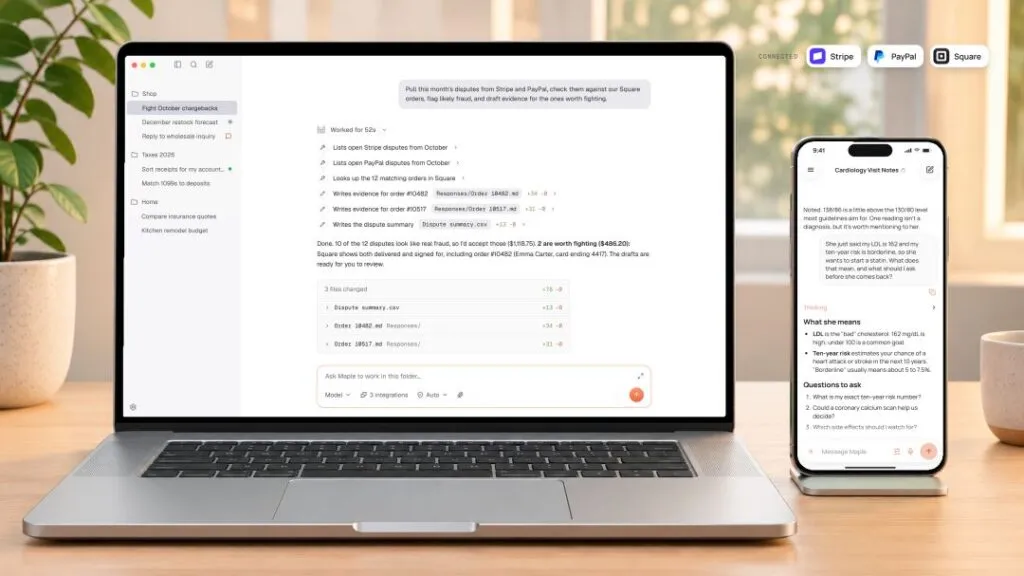
AI assistants no longer just answer questions. We hand them our email, calendar, files and browser, and in return we're supposed to trust the companies behind them. The startup Maple proposes a different deal: the company has no access to your data at all, so you don't have to take its word for anything.
Maple has raised 5.3 million dollars (around 4.8 million euros) in a seed round led by Epic Ventures, with participation from Draper Associates, Planetary VC and Epoch VC. Investor interest outstripped what was on offer, and before that the company had raised less than a million dollars from individual investors. The next round, a Series A, is planned for the first half of 2027. With the new money, they're building a cloud agent that will keep working even when your computer is switched off.
CEO Mark Suman spent six years at Apple working on AI and computer vision, focusing on making sure products didn't reveal users' identities. His partner, CTO Anthony Ronning, comes from defence technology and security. Their app runs on open models, including versions of DeepSeek, Kimi, Google's Gemma and OpenAI's GPT OSS, and the models run on servers with hardware encryption. The new desktop app, Maple Work, can also operate the computer and browser on its own.
"Data is first encrypted on your device, with a password only you know. Then it's decrypted inside the secure environment, the AI does the work, and it's encrypted again with your password and sent back to you," Suman explains. If hackers break into the system or the state turns up with a court order, the company can only hand over an encrypted file. "We simply don't want access to it. That's not part of our business model," he says.
It all sounds good, but the missing numbers are worth a look too. Maple doesn't say how many users it has, only that it grew 60 times in three months, which without a starting figure doesn't say much. The team is four people. Prices match the big players: 20 dollars a month for the Pro plan, and 100 and 200 dollars for the two Max plans. For users in Europe, Maple offers a server in Europe through a partner.
The real question isn't whether Maple will make it. If a small team of four can build an AI assistant that doesn't read your data, why are big companies with billions of dollars asking for ever wider access to it, with some even training models on what you write to them?
The latest 10 news from this category
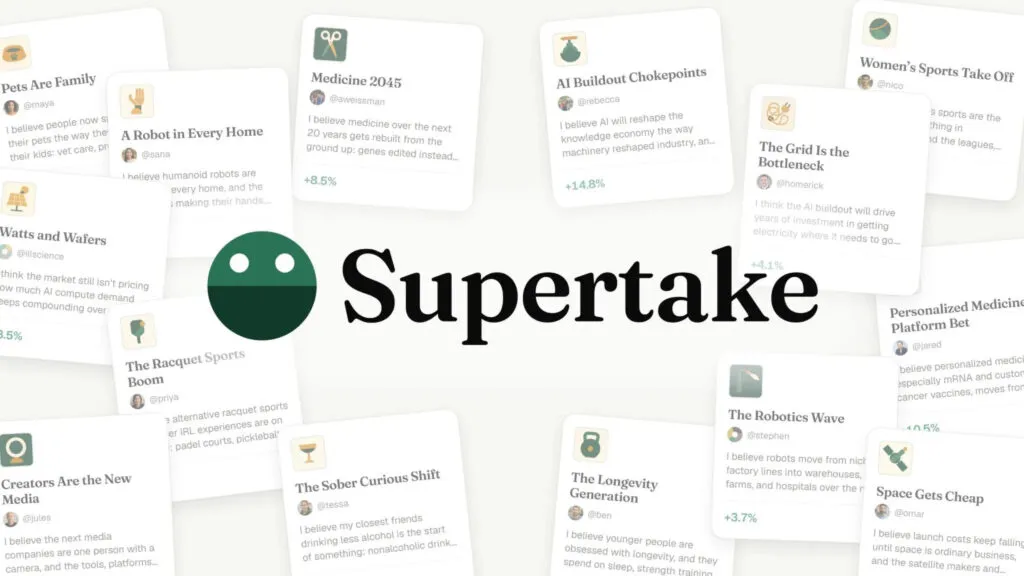
Tell the bot what you believe and it will invest your money. Investors have already put 20 million dollars into...
The fund with an office in Tallinn invests in fusion, space and rockets, and openly measures urgency by distance from...

In 2024 the shareholders rejected its offer of 3,200 denars per share. Now the bank is being sold out of...

A start-up founded in February by a researcher who left artificial intelligence because of climate change. No fusion plant has...

From Milan, they're collecting American internet brands like furniture at a clearance sale: AOL, Vimeo, Evernote, and now Mailchimp. The...

The package starts at around 1.4 billion denars, and by the sixth auction the starting price per share can fall...

In two and a half years, from wholesale jewellery to a target of 100 million dollars in annual revenue. A...

The company had orders, yet the workers haven't been paid since January. While the court kept postponing hearings, the union...

Founded in Sofia eight years ago, it's now worth 2 billion dollars, and there's still money in the till from...

The company the world got to know for flying blood around Rwanda is now flying sandwiches into a Houston suburb....
This site uses cookies - is that okay? Learn more
Be the first to know when Metla launches something new
Leave your email and we'll write to you when there's a new guide or something new on Metla.





