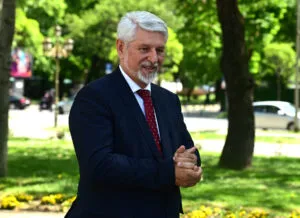
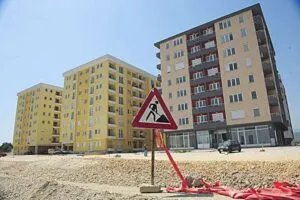
A New Criminal Complaint Against Jakimovski: A Building Permit Based on a Plan Struck Down Back in 2018
16.09.2026


16.09.2026
16.09.2026

16.09.2026
16.09.2026
16.09.2026
16.09.2026
16.09.2026
15.09.2026
14.09.2026

16.09.2026

16.09.2026

15.09.2026

16.09.2026

15.09.2026

14.09.2026

16.09.2026

16.09.2026

16.09.2026

16.09.2026

15.09.2026
15.09.2026

09.03.2026

27.02.2026

19.02.2026
16.09.2026

15.09.2026
14.09.2026

23.04.2026

23.04.2026

12.04.2026

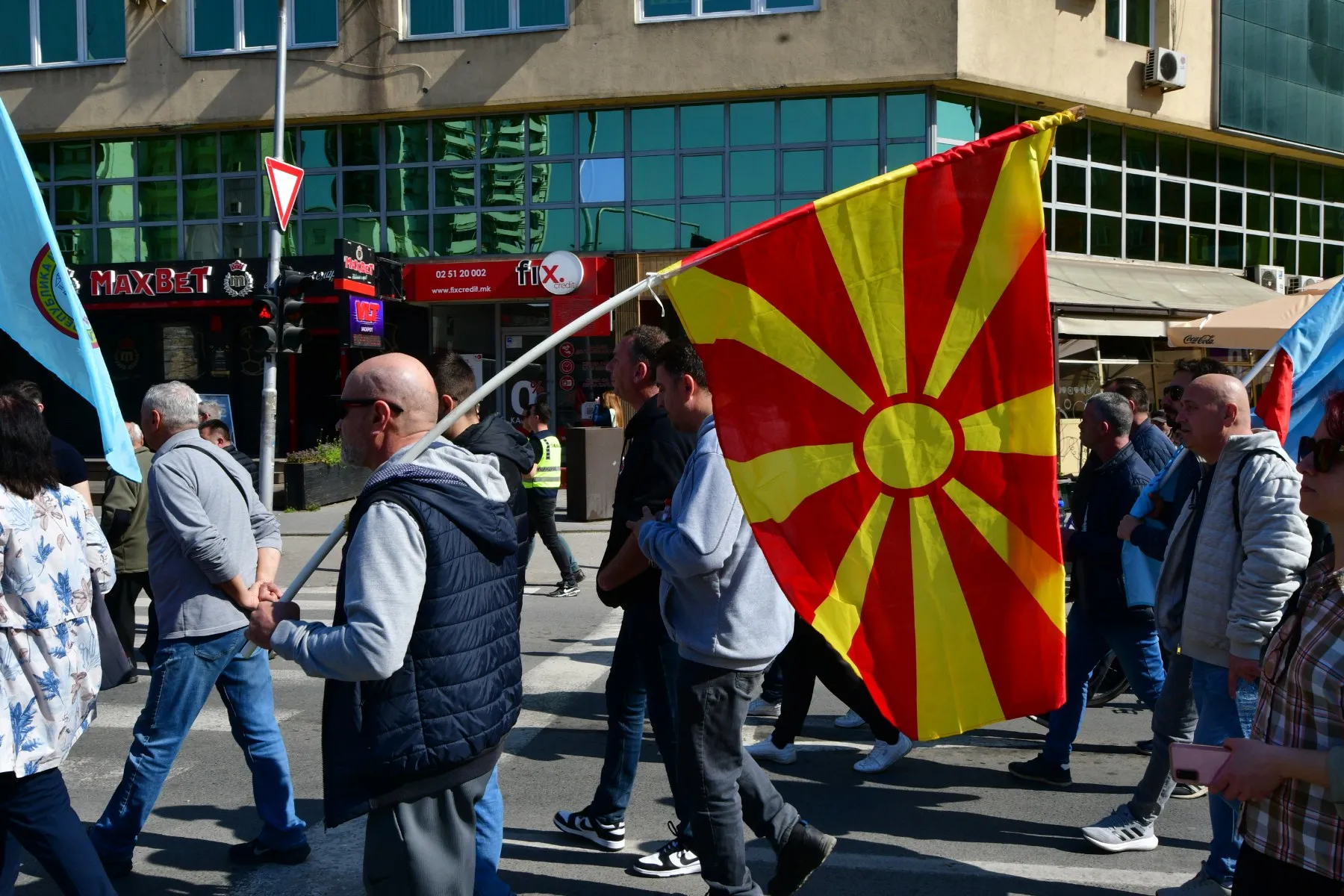
May 1 is celebrated around the world as International Workers' Day. Today many remember it as a free day for barbecues and a walk. Historically, it's a day for people who lost their lives fighting for something we now take for granted: an eight-hour workday.
1886. Chicago. Tens of thousands of workers took to the streets. The demand: an eight-hour workday. The slogan: "three eights" - eight hours of work, eight hours of rest, eight hours of free time. In the America of that day, this was a radical idea. The capitalists had workers doing 12 to 14 hours a day, six days a week.
The protests lasted several days. On May 4 and 5, the police broke them up brutally. At least six dead. Around 50 injured. Not on the "bloody" May 1 - on May 3, 4 and 5, days that history later folded under a single name.
In response to these events, in 1889 in Paris, the Founding Congress of the Second International took a decision: May 1 would be marked as International Workers' Day. In 1891 in Brussels, the day was formally declared a holiday of workers' solidarity.
Today in Macedonia May 1 is a state and non-working day. Day trips, barbecues, beer. That's fine. But it doesn't end there. The message "workers' rights are not a gift" - is old. Today workers have rights on paper, but in practice they are often on the unguarded terrain of the employer. Contracts with "probationary periods" of 12 months. Overtime without compensation. Dismissals with no explanation.
When we look back to Chicago 1886 - it isn't to celebrate the past, it's to admit that what we have wasn't given. It was won. And if we stop defending it, it doesn't come back on its own. They can take it away - including from workers who aren't ready to take to the streets for themselves.
The latest 10 news from this category

The World Bank dropped out over misalignment with EU requirements. Construction will take two and a half years, and the...
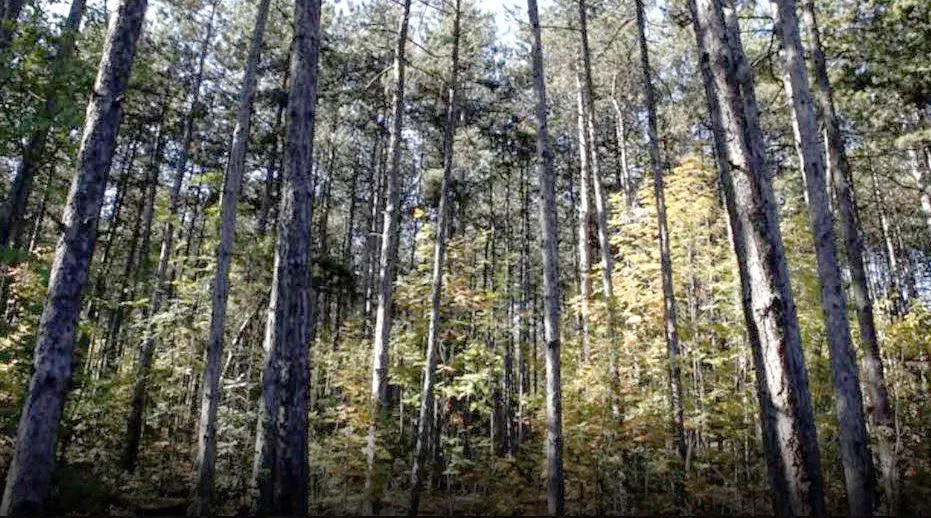
Of 9,500 square metres of greenery, 268 remain. Terrain with an 80-metre height difference, no erosion study and no opinion...
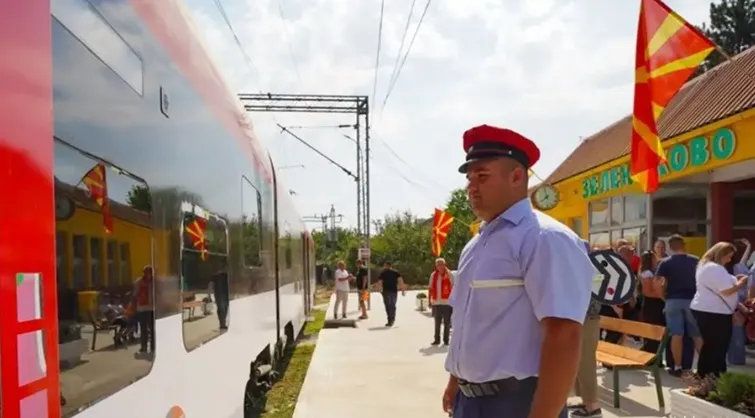
Gjorgjievski says the system should be ready by the middle of next year. The BRT tender is announced for the...
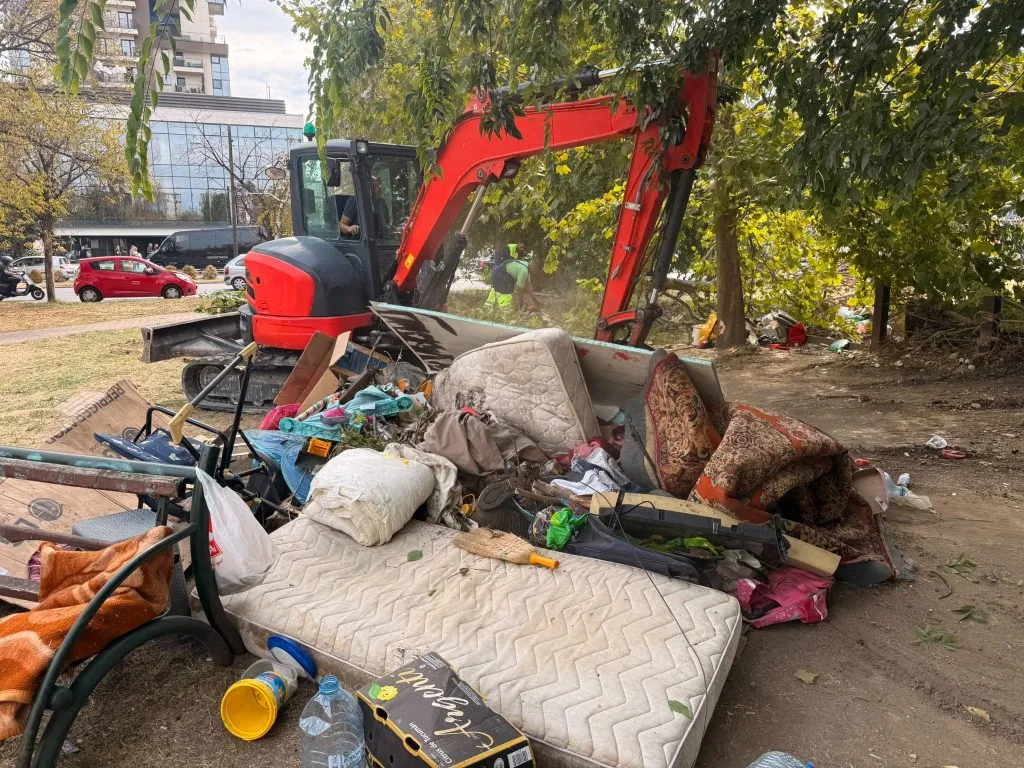
The second operation at the same site within a year. Gerasimovski himself is appealing to the Labour Ministry - because...
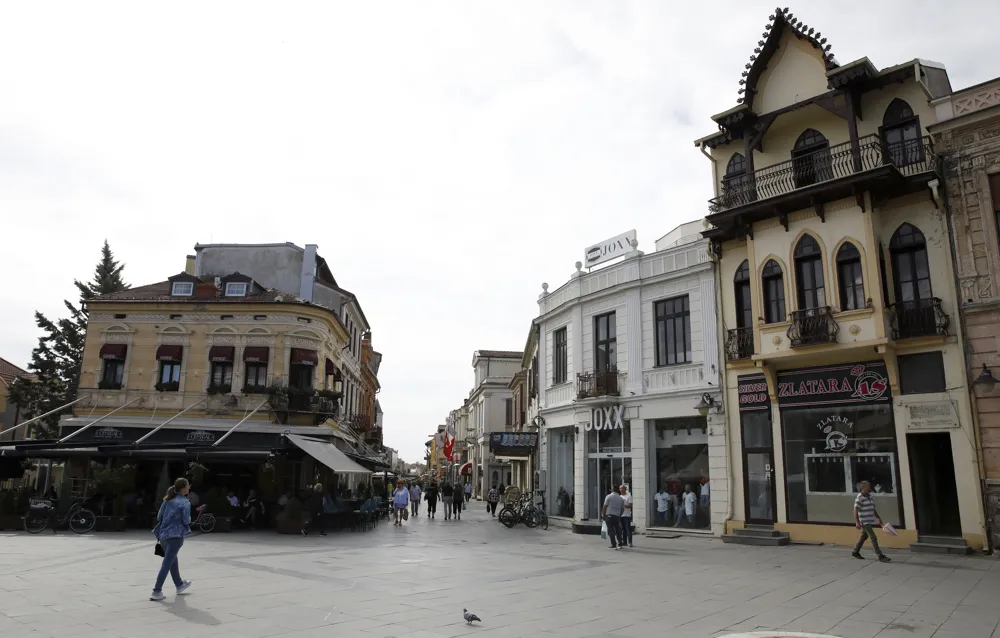
A prosumer scheme, a solar oven and electricity generated by bicycle on Magnolija square. The city that has paid the...
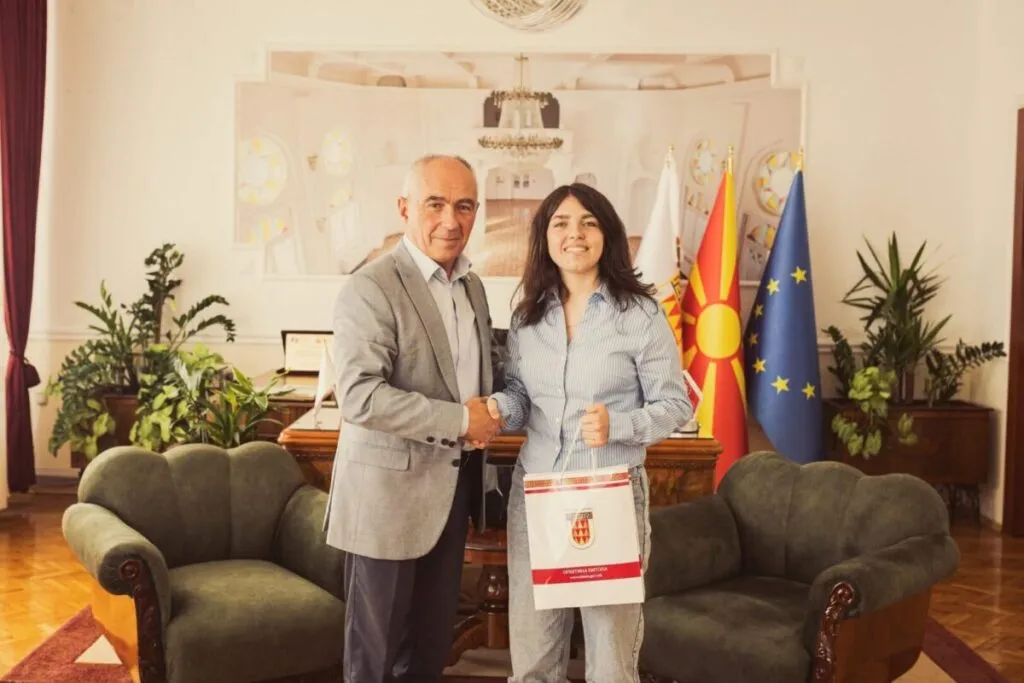
Stefanija Dimovska won two medals at IESO 2026, working in mixed international teams. Before that she was also national champion...
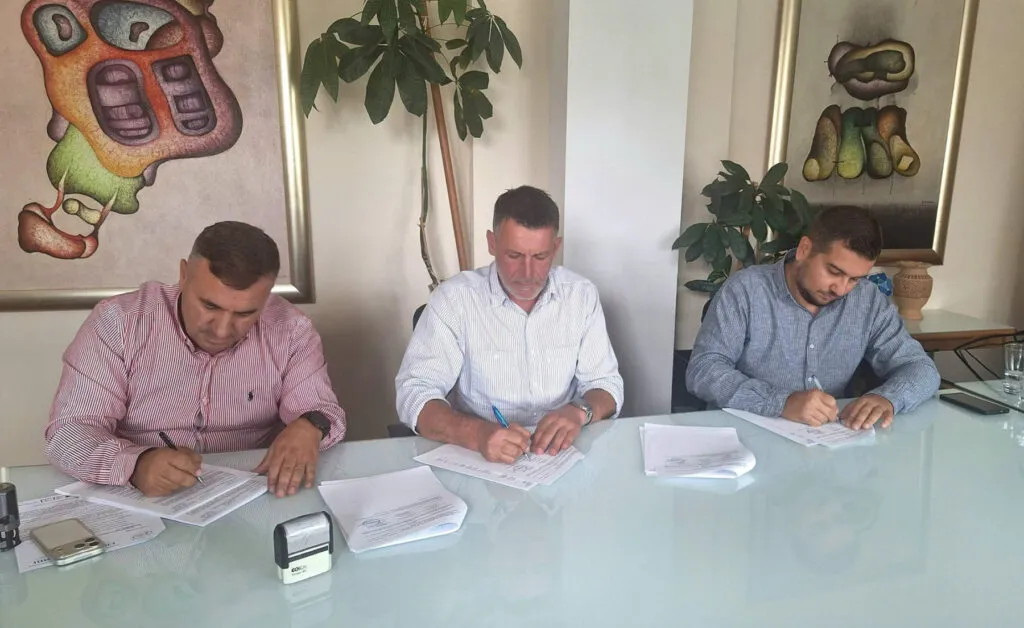
Out of nearly 4.7 million denars, the municipality is putting in around 180,000. The rest comes through the Bureau for...

Ten years working inside the health system - and she still had to pull strings to be admitted. The clinic...
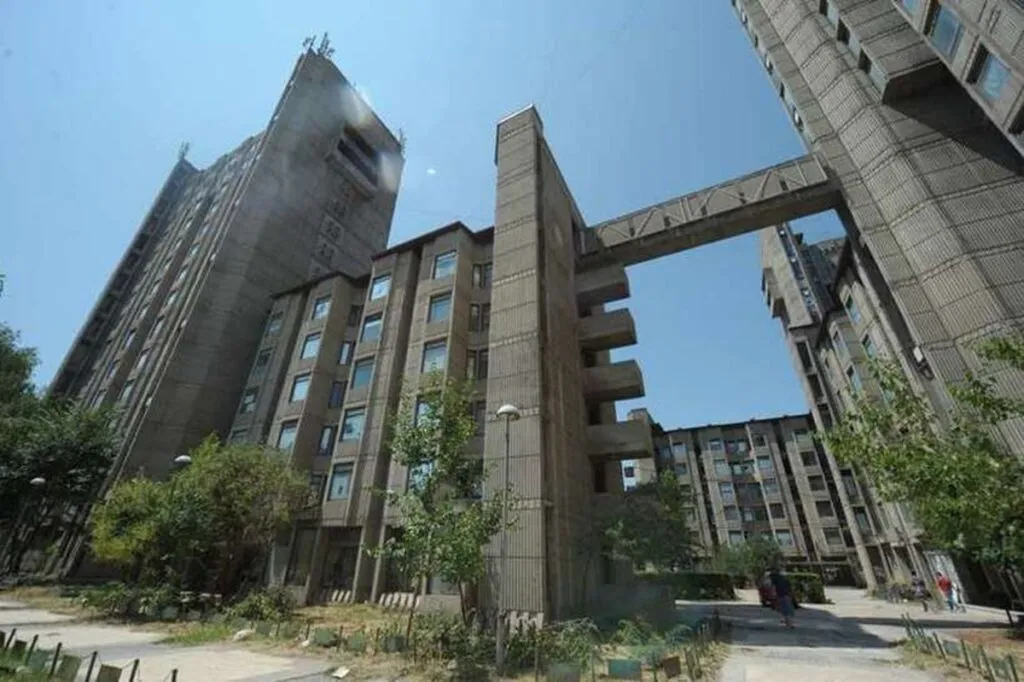
Appeals run from 15 to 25 September. There is not enough space at Goce Delčev, so students go to Stiv...
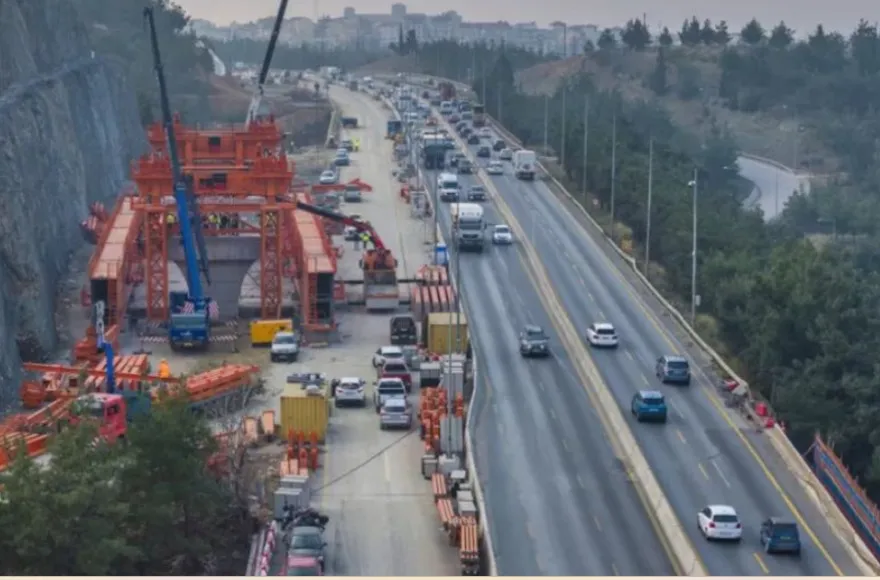
From 23:00 to 05:00 there is no getting through towards Evzoni. Towards Halkidiki - business as usual. Those heading on...
This site uses cookies - is that okay? Learn more
Be the first to know when Metla launches something new
Leave your email and we will write when there is a new guide or something new on Metla.