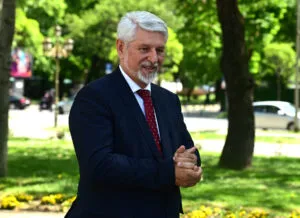
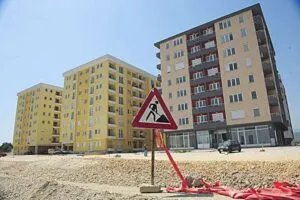
A New Criminal Complaint Against Jakimovski: A Building Permit Based on a Plan Struck Down Back in 2018
16.09.2026


16.09.2026

16.09.2026

16.09.2026
16.09.2026
16.09.2026

16.09.2026
16.09.2026

15.09.2026

14.09.2026

16.09.2026

16.09.2026

15.09.2026

16.09.2026

15.09.2026

14.09.2026

16.09.2026

16.09.2026

16.09.2026

16.09.2026

15.09.2026
15.09.2026

09.03.2026

27.02.2026

19.02.2026

16.09.2026

15.09.2026

14.09.2026

23.04.2026

23.04.2026

12.04.2026

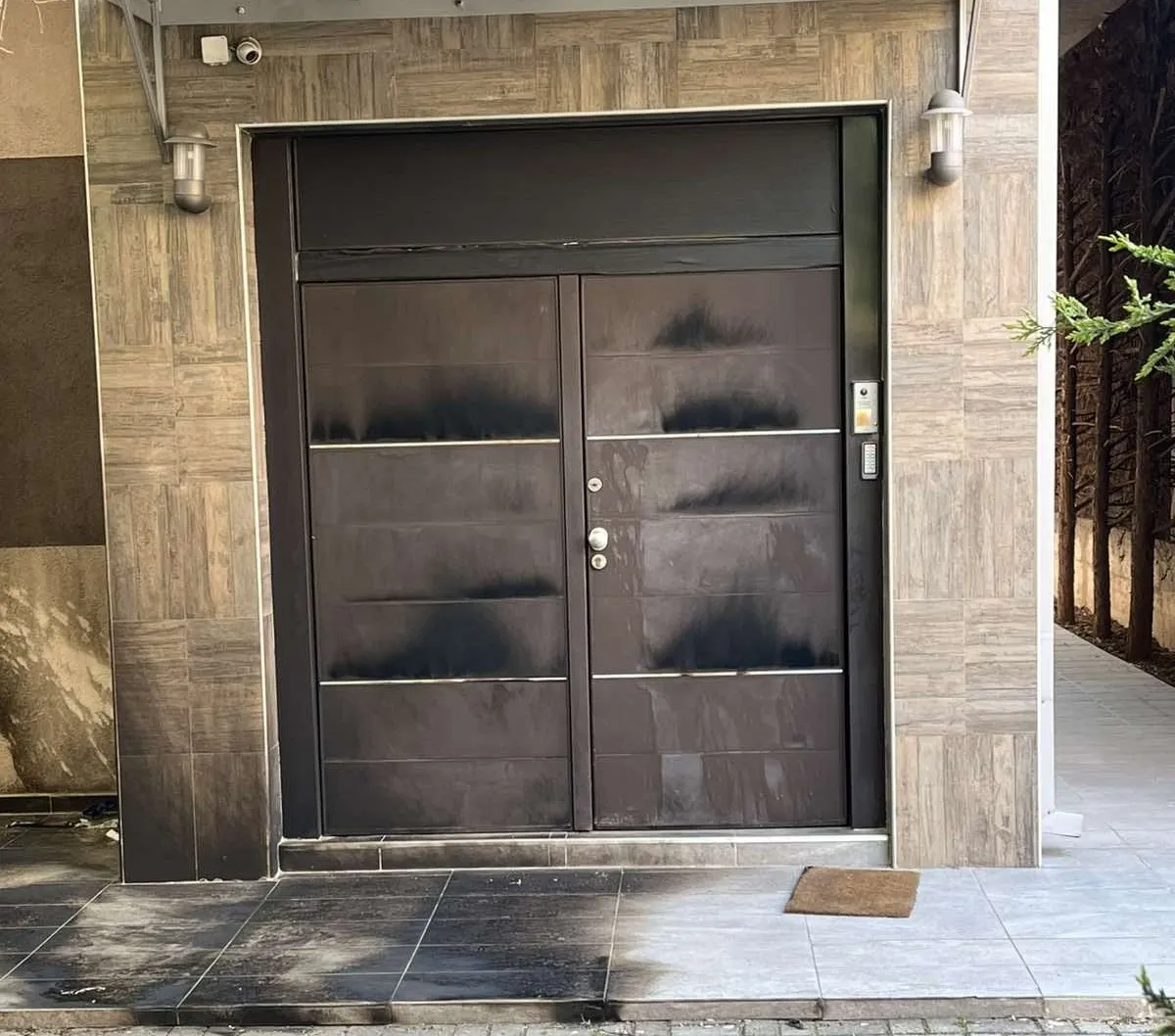
Seven people have been arrested in Macedonia, linked to the attempted arson of a religious site of the Jewish community in Skopje on 12 April. According to the National Security Agency (ANB), the arrested are members of „a radical group ideologically tied to the global network of the Islamic State". Two of the seven remain in custody and will face prosecution - with a specific charge of terrorism.
The timing matters. From 12 April - when the attempt happened - to 1 May, when this is announced. Thirty days for investigation, identification and arrests across a network. That is a working tempo. And unlike many domestic cases where the „investigative period" stretches across years, this criminal operation was coordinated and fast.
What „logistical network" actually means. According to the ANB, the arrested are „part of a radical group with an established logistical network". Translation: these are not idiots who spontaneously decided to attack. These are people with support - financial, informational and operational. That means that in Macedonia, in 2026, there is an active structure of ISIS-aligned actors. Not one, not two. A structure.
For the public, this should open a different conversation. Macedonia has a small Jewish community - fewer than 200 people. They are the remnant of a large pre-war community deported and murdered by the Nazis in 1943. The Holocaust left Macedonia with one of the smallest Jewish communities in Europe. Now, 80 years later, that same community is again a target.
The question that isn't being asked: who is radicalising them. Which educational systems, which online communities, which financial channels are feeding „a radical group with a logistical network" inside a country of two million people. Without an answer to that question, arresting seven people is not a solution - it is temporarily closing one pipe while the water keeps flowing.
In the Balkan context, this is not isolated. Kosovo, Bosnia, Albania and Macedonia have all been listed as areas where „sleeper cells" exist - inactive but coordinated. When a trigger appears - regional conflicts, Israeli-Palestinian escalation, the Iranian crisis - they activate. That is infrastructure, not terrorism. It is a strategic risk that has existed at least since 2014, and that, from 2026, is again escalating.
The latest 10 news from this category

The World Bank dropped out over misalignment with EU requirements. Construction will take two and a half years, and the...
Of 9,500 square metres of greenery, 268 remain. Terrain with an 80-metre height difference, no erosion study and no opinion...
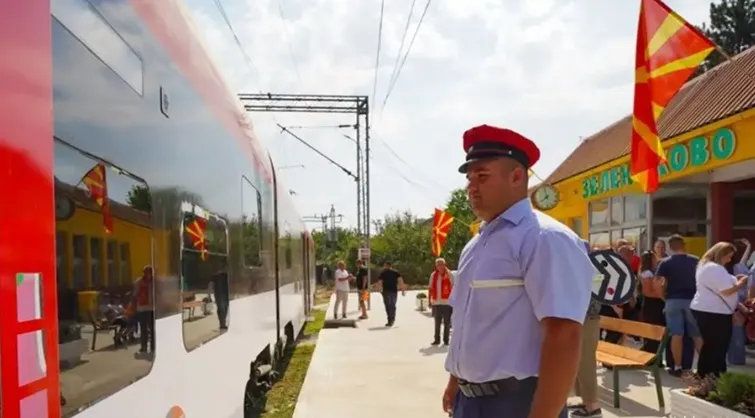
Gjorgjievski says the system should be ready by the middle of next year. The BRT tender is announced for the...
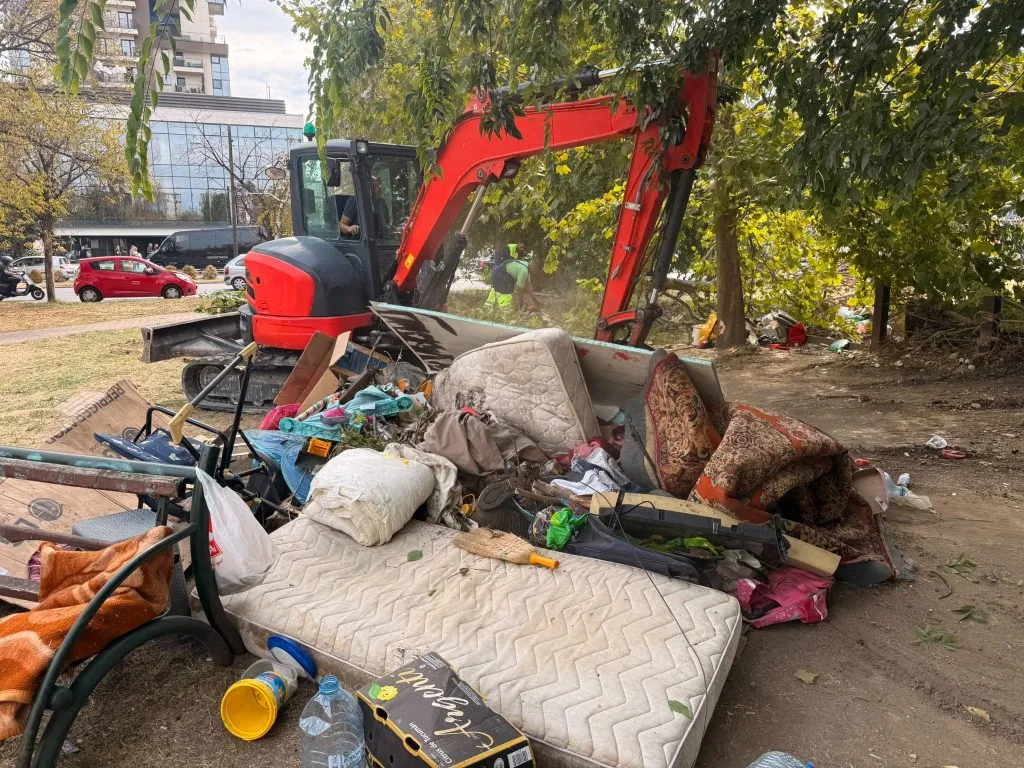
The second operation at the same site within a year. Gerasimovski himself is appealing to the Labour Ministry - because...
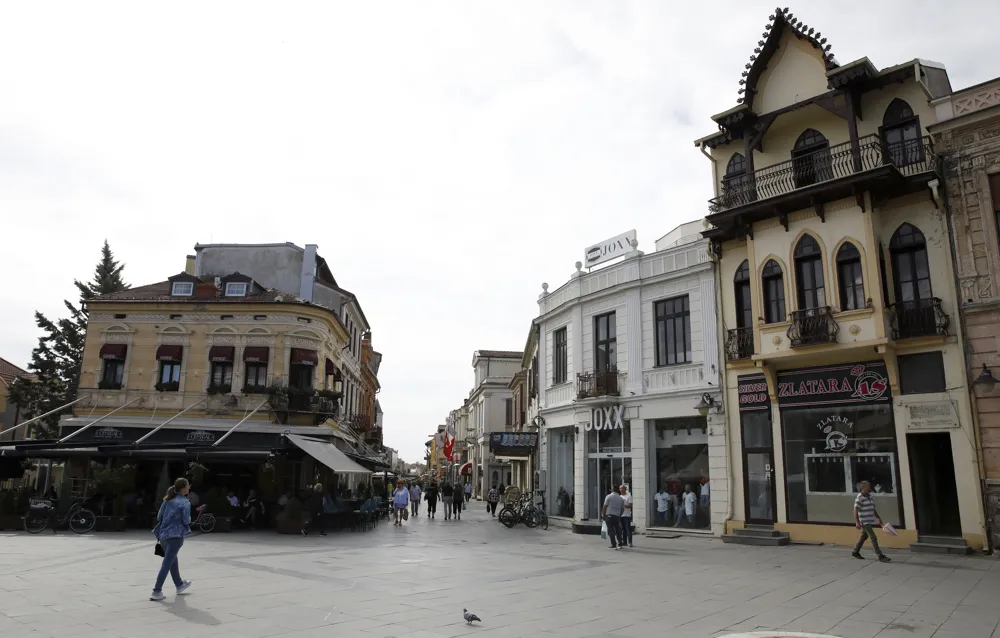
A prosumer scheme, a solar oven and electricity generated by bicycle on Magnolija square. The city that has paid the...
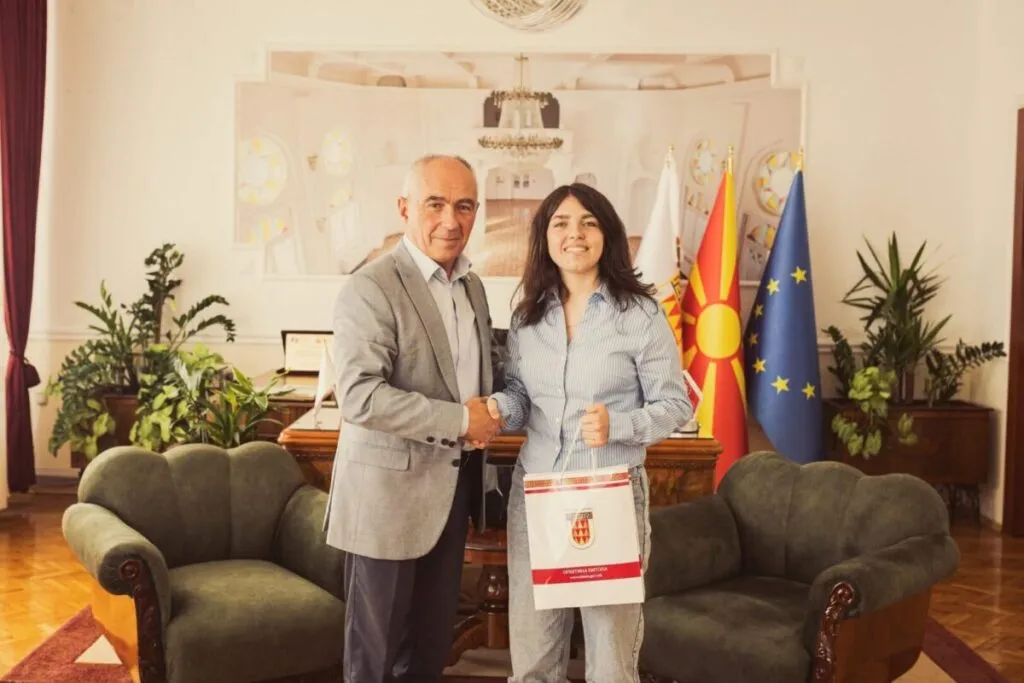
Stefanija Dimovska won two medals at IESO 2026, working in mixed international teams. Before that she was also national champion...
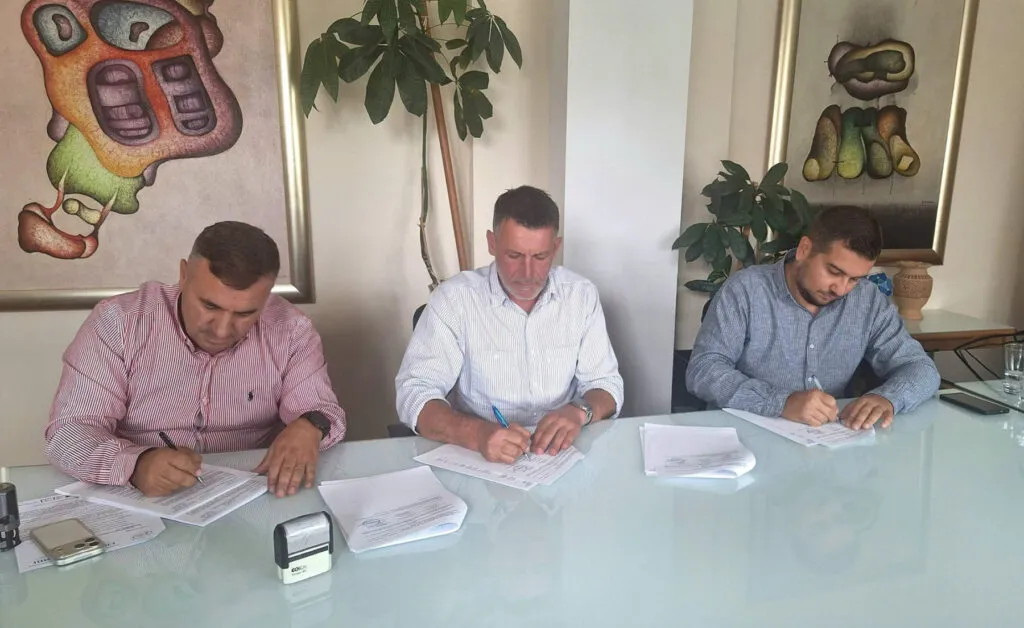
Out of nearly 4.7 million denars, the municipality is putting in around 180,000. The rest comes through the Bureau for...

Ten years working inside the health system - and she still had to pull strings to be admitted. The clinic...
Appeals run from 15 to 25 September. There is not enough space at Goce Delčev, so students go to Stiv...
From 23:00 to 05:00 there is no getting through towards Evzoni. Towards Halkidiki - business as usual. Those heading on...
This site uses cookies - is that okay? Learn more
Be the first to know when Metla launches something new
Leave your email and we will write when there is a new guide or something new on Metla.