


Studeničani: 35-year-old dies after being electrocuted while washing his car with a pressure washer
18.09.2026


18.09.2026
18.09.2026

18.09.2026
18.09.2026

18.09.2026
18.09.2026

18.09.2026

17.09.2026

16.09.2026

18.09.2026

18.09.2026

17.09.2026

18.09.2026
18.09.2026

18.09.2026

18.09.2026
17.09.2026

16.09.2026

18.09.2026

18.09.2026
18.09.2026

18.09.2026

17.09.2026

17.09.2026

09.03.2026

27.02.2026

19.02.2026

18.09.2026
17.09.2026

16.09.2026

23.04.2026

23.04.2026

12.04.2026

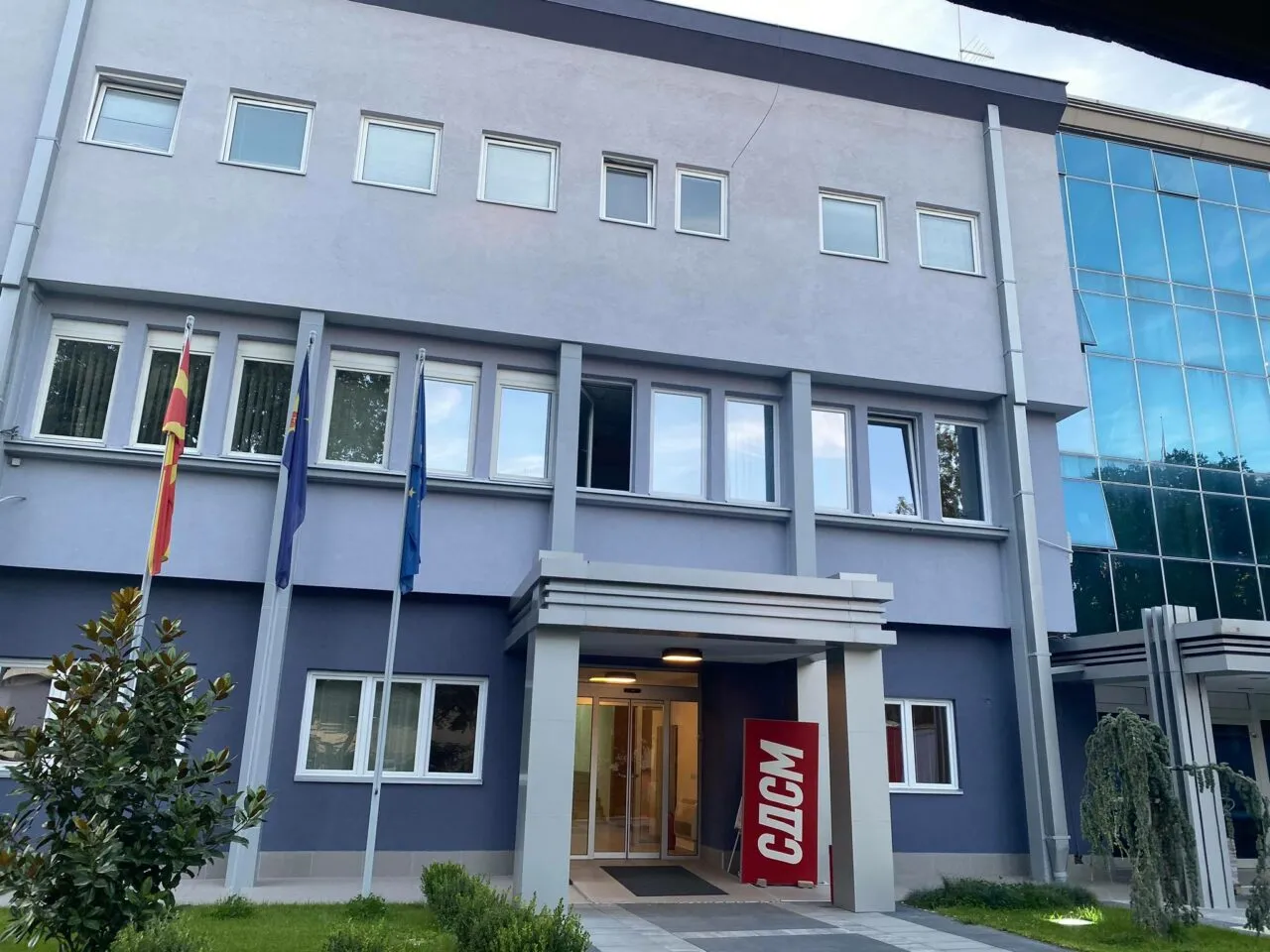
Prime Minister Hristijan Mickoski came out with a statement that mixes three things in one sentence: reforms are moving, SDSM is blocking them, and Brussels will soon confirm what the prime minister himself is already saying - that Macedonia has „moved from last place to first" in the region on the reform agenda. Whether that is reality or political make-up ahead of the local elections we will see in the coming weeks.
According to the prime minister, only two of the ten remaining obligations from the reform agenda will not be delivered. One - electoral legislation - is blocked by the opposition. That is a tricky line. When the government has 70 votes and wants to pass an electoral law, no SDSM can block it - if the MPs come to the session and vote. But when the government does not have enough votes, the opposition has the right - and the responsibility - to say no.
Mickoski's point: he is waiting for a positive signal from Brussels. That Macedonia will be placed ahead of Montenegro and Albania on reforms. That sounds nice. But Brussels does not hand out such signals lightly, and when it does, they are nuanced, hedged with reservations, and usually only read in Brussels forums, not in sessions in Skopje.
What the prime minister isn't telling us: with which concrete measures have we overtaken the others? Do we have better indicators on the judiciary, on corruption, on press freedom? Or are we merely „shoulder to shoulder" with Montenegro - a country that itself has plenty of unregulated zones? The prime minister claims „shoulder to shoulder". That is the optimistic reading.
For citizens, who in the end measure all of this in electricity bills, in queues for documents, in how state institutions actually work, the reform agenda is a concept without practice. When a prime minister says „from last to first place", he is talking about a document. But when a citizen waits ten days for an ID card, he is talking about reality. The two are not the same. That is the question.
Electoral legislation is an additional layer. Without it, this year's local elections and the 2027 parliamentary elections will be held with the existing system - which European assessments say has its defects. If VMRO really wants reform, it should go to the opposition for it, not blame them for the block. That is the prime minister's real test.
The latest 10 news from this category
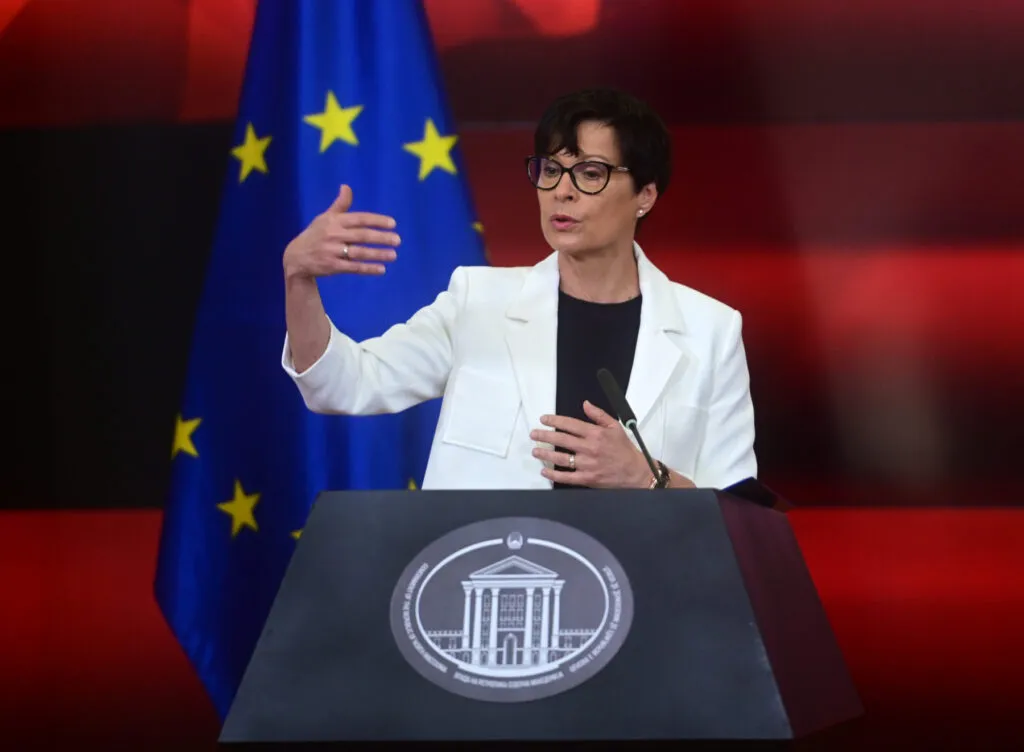
Marta Kos listed the countries getting a timetable. We are not on it. What remains is the condition we know...
Monitoring by the All for Fair Trials coalition: hearings twice a year, proceedings running up to 33 months, and young...
Of 340 million denars, only 40 million came from private money - the rest came from the State Lottery. Prosecutors...
The State Audit Office already warned that withholding the points makes favouritism possible. The rulebook requiring them to be published...
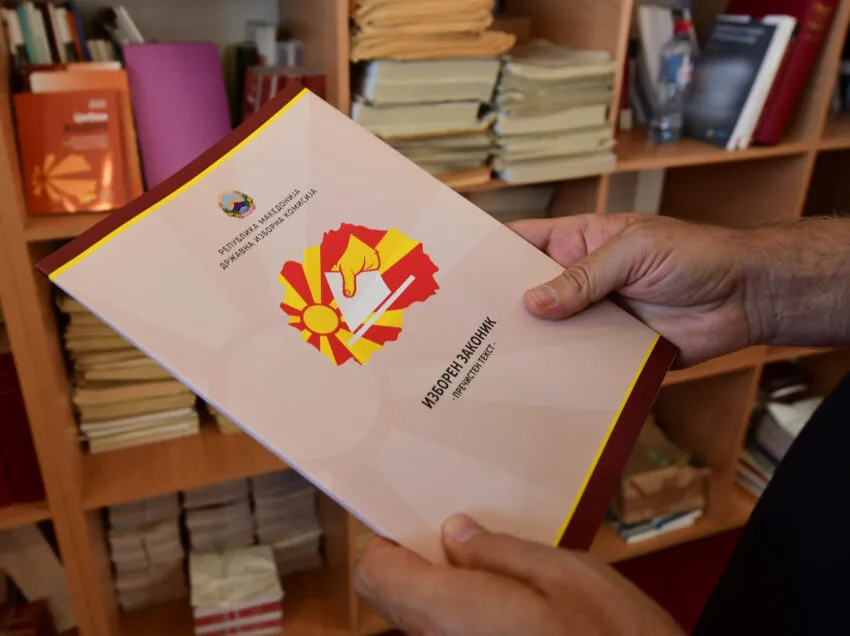
Two senior officials announced progress, the two largest parties denied it the same day. The amendments sit blocked behind 13,500...
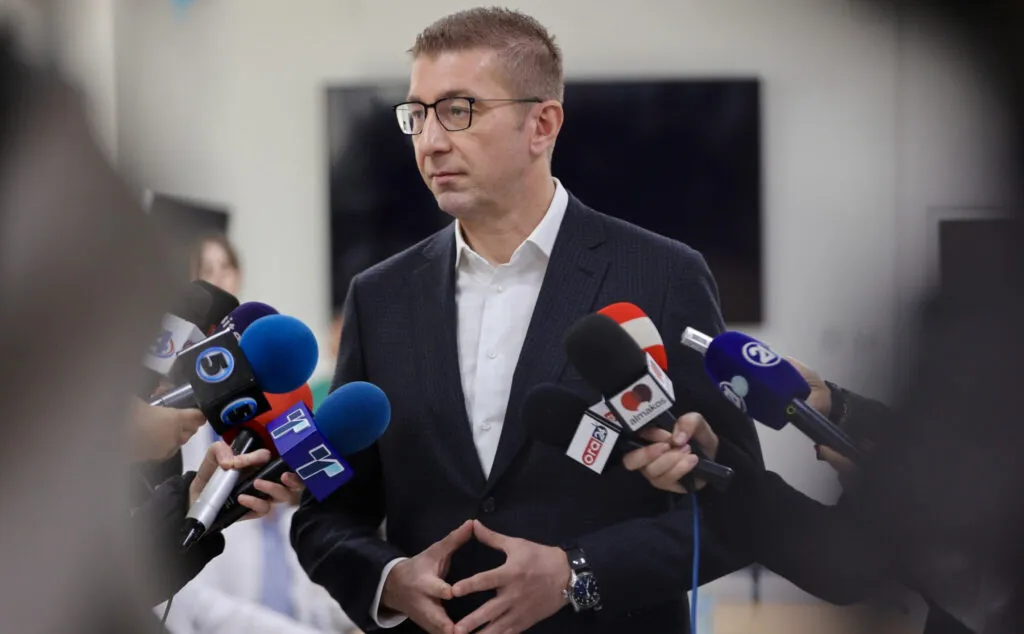
The police acted on their own knowledge, without the PM filing anything at all. The same mechanism exists for every...
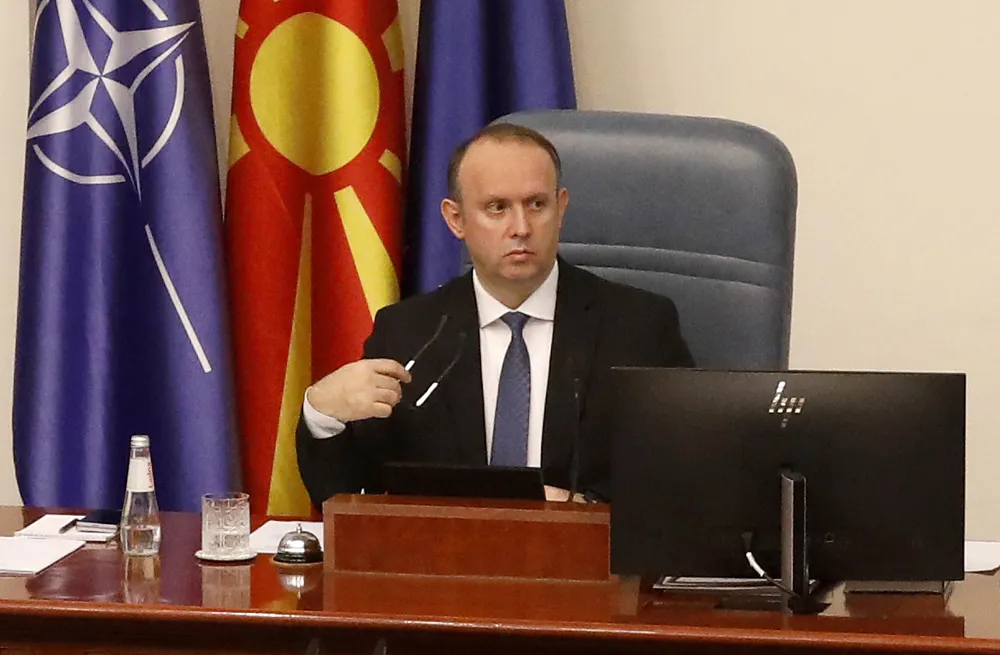
The Electoral Code is the one unfulfilled reform obligation, and the working group does not even know when it will...
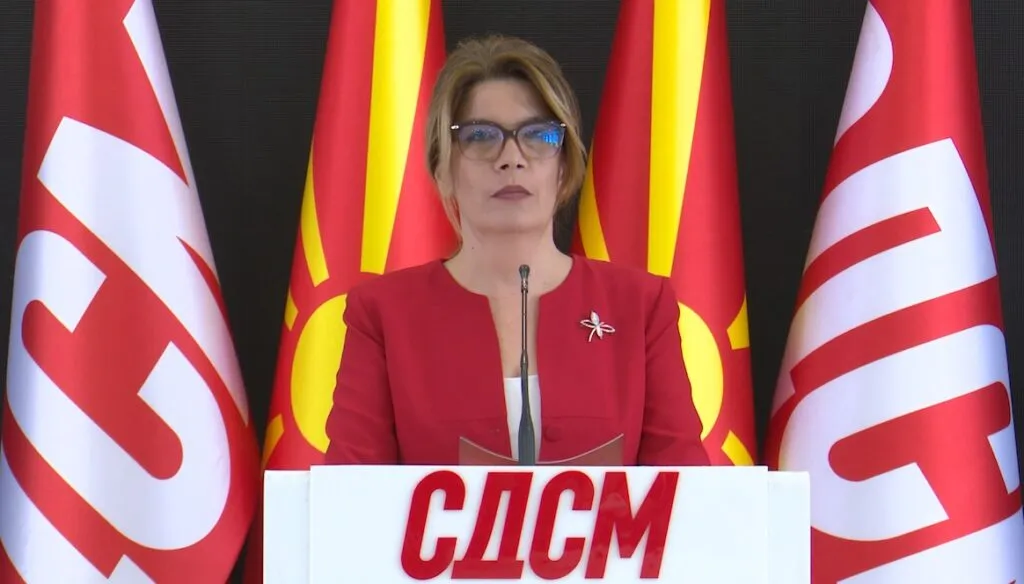
It was supposed to cost "zero denars". Now the opposition wants an investigation, and the timeline - David Guetta announced...
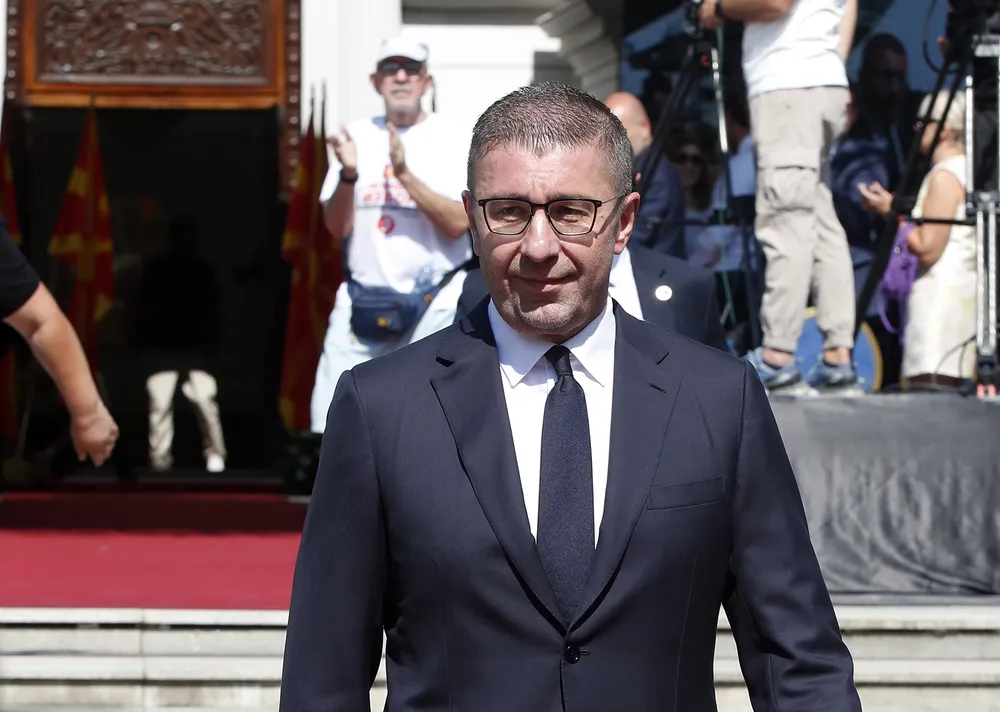
Five negations in one sentence, pension growth "16 times higher" with not a single figure beside it, and a third...
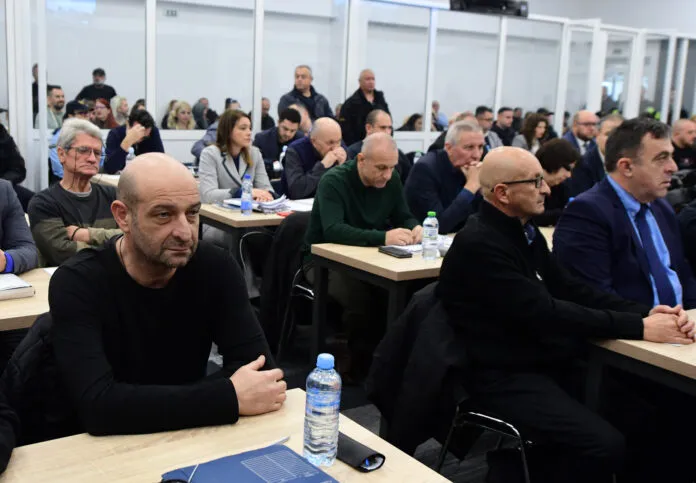
One side waits for a letter, another waits for a different commission, a third waits for consent. In those same...
This site uses cookies - is that okay? Learn more
Be the first to know when Metla launches something new
Leave your email and we will write when there is a new guide or something new on Metla.
