

Studeničani: 35-year-old dies after being electrocuted while washing his car with a pressure washer
18.09.2026


18.09.2026
18.09.2026

18.09.2026
18.09.2026

18.09.2026
18.09.2026
18.09.2026

17.09.2026
16.09.2026
18.09.2026
18.09.2026

17.09.2026

18.09.2026
18.09.2026

18.09.2026
18.09.2026
17.09.2026

16.09.2026
18.09.2026

18.09.2026
18.09.2026

18.09.2026

17.09.2026

17.09.2026

09.03.2026

27.02.2026

19.02.2026

18.09.2026
17.09.2026

16.09.2026

23.04.2026

23.04.2026

12.04.2026

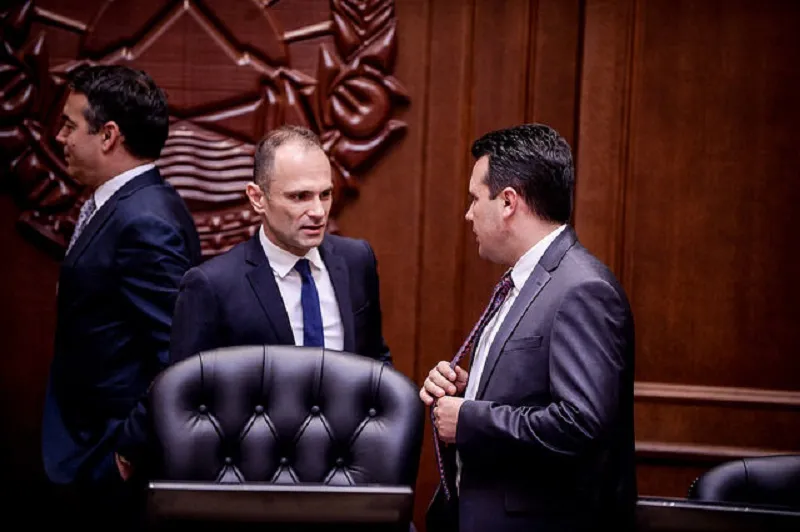
VMRO-DPMNE, through spokesperson Manasievski, fired off a message that on paper looks like a classic opposition attack. They accuse SDSM and Venko Filipče of being „pro-European only in words, with pro-Russian businessmen as friends". Rhetoric with a 30-year tradition in Skopje. But the rhetoric is one thing - the data is quite another.
The question behind the scandal isn't whether Filipče was in Rome on Labour Day, though that too is being highlighted. The question is - do VMRO's claims actually verify? Which businessmen specifically? With what evidence for their „pro-Russian orientation"? The rhetorical artillery of „pro-Russian businessmen" has been used in Skopje since 2009 - and almost always ends without a single name, a single account, a single piece of evidence.
On the other hand, the question SDSM also has to answer is unambiguous. Why does the European Commission keep contradicting the leadership's statements? When Filipče talks about Brussels backing, and Brussels stays silent. When SDSM announces grants, and the grants don't arrive. These aren't made-up incidents - it's a documented pattern over the last three years.
On stage, reality is more interesting than the speech. Macedonia has people in both VMRO and SDSM who genuinely have Russian business ties. It also has people with American, Austrian and Chinese ties. That's our reality as a small country - every businessman has international ties, and the parties use those ties when it suits them, and condemn them when it doesn't.
What does that tell us? That the open discourse on European orientation is trapped between two parties that approach it like a chess game. VMRO attacks SDSM for „pro-Russian friends". SDSM attacks VMRO for „pro-Russian friends". The middle voice - the one that might say „neither of you is being honest" - is silent or has no platform. That's the definition of polarisation without debate.
For Macedonians who want a simple answer to a simple question - which of these two parties actually wants EU integration - the answer is most likely: both in different ways, and both not enough. One builds the structural preconditions, but isn't committed. The other whips up integration enthusiasm without a plan. Both have „friends" with broad contacts. And neither wants openness about what the European path actually means - which laws, which reforms, which leaders will have to give up their perks.
The latest 10 news from this category
Marta Kos listed the countries getting a timetable. We are not on it. What remains is the condition we know...
Monitoring by the All for Fair Trials coalition: hearings twice a year, proceedings running up to 33 months, and young...
Of 340 million denars, only 40 million came from private money - the rest came from the State Lottery. Prosecutors...
The State Audit Office already warned that withholding the points makes favouritism possible. The rulebook requiring them to be published...
Two senior officials announced progress, the two largest parties denied it the same day. The amendments sit blocked behind 13,500...
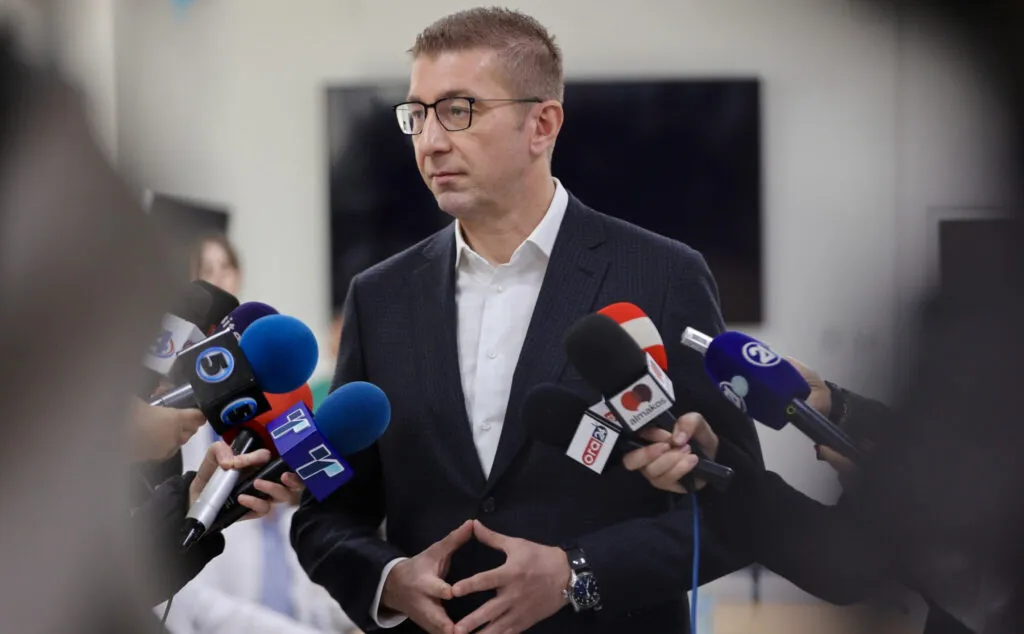
The police acted on their own knowledge, without the PM filing anything at all. The same mechanism exists for every...
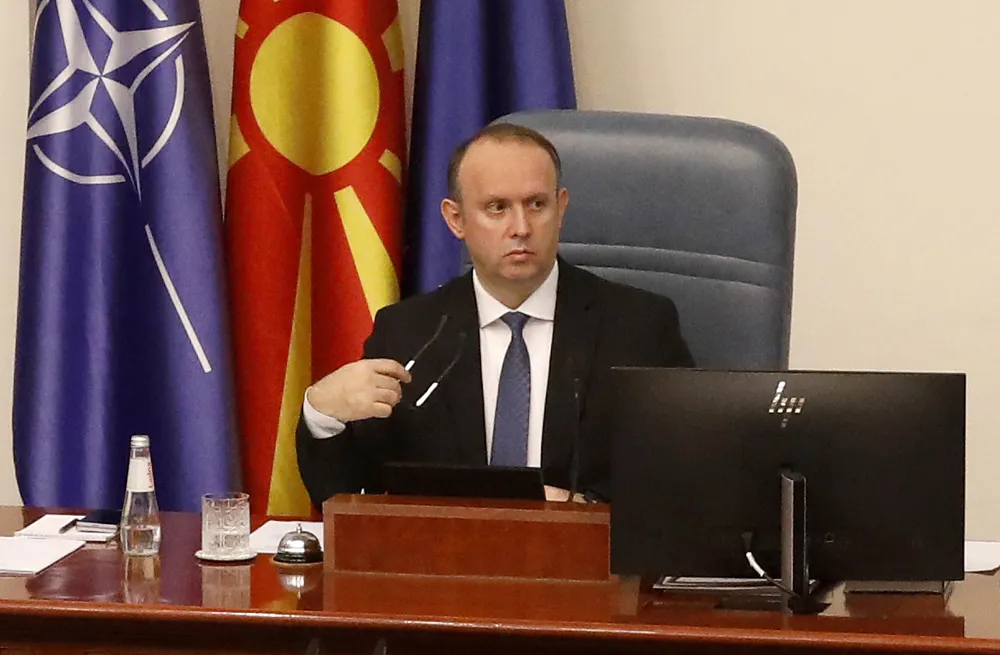
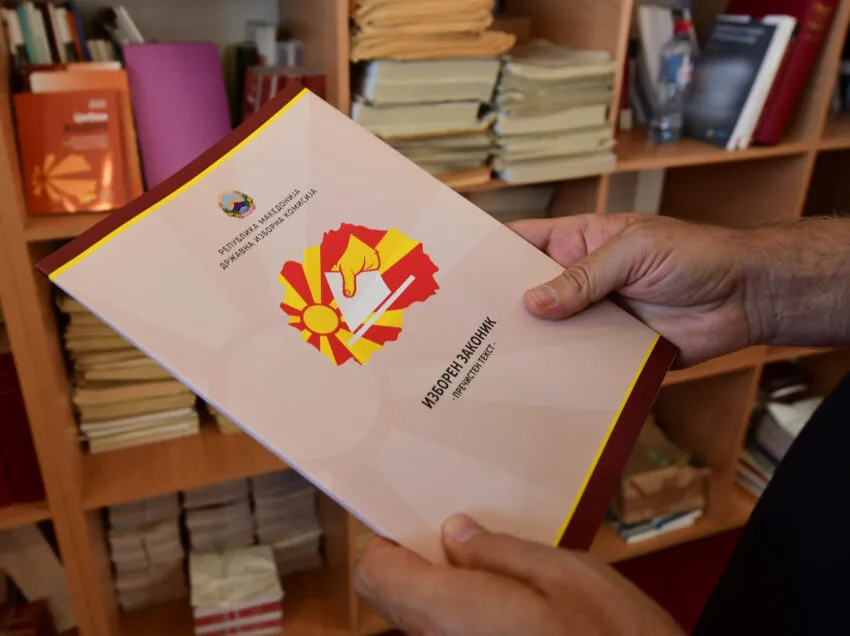
The Electoral Code is the one unfulfilled reform obligation, and the working group does not even know when it will...
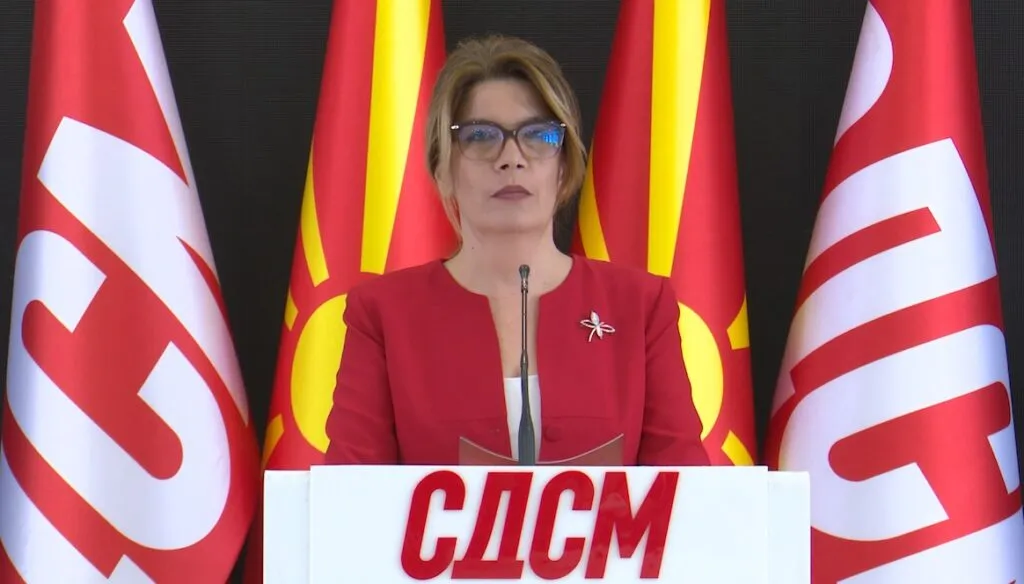
It was supposed to cost "zero denars". Now the opposition wants an investigation, and the timeline - David Guetta announced...
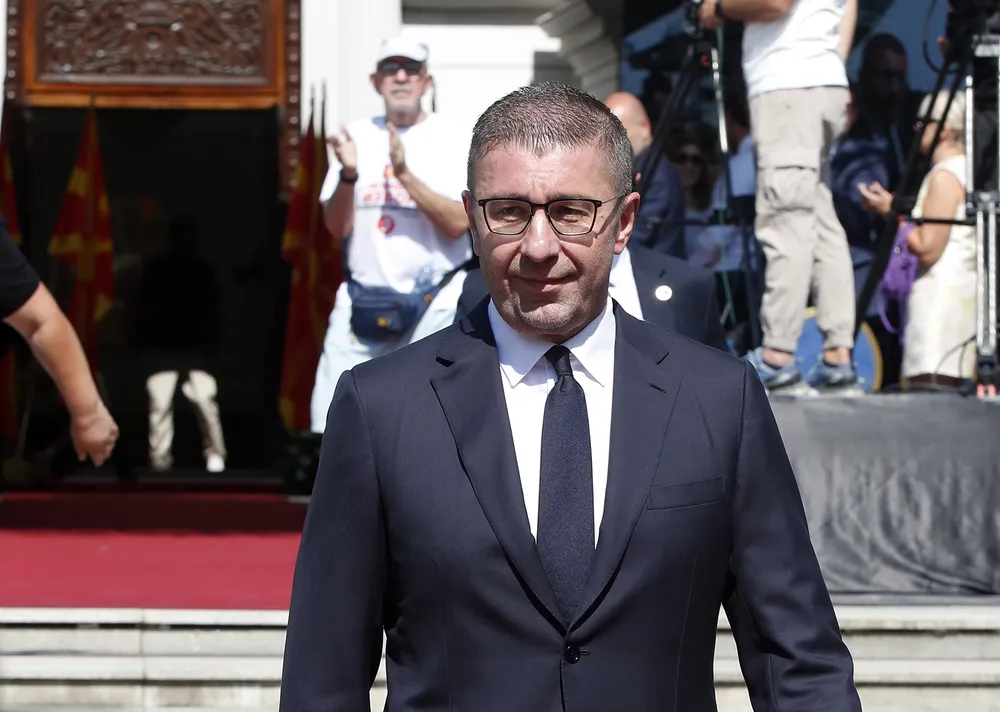
Five negations in one sentence, pension growth "16 times higher" with not a single figure beside it, and a third...
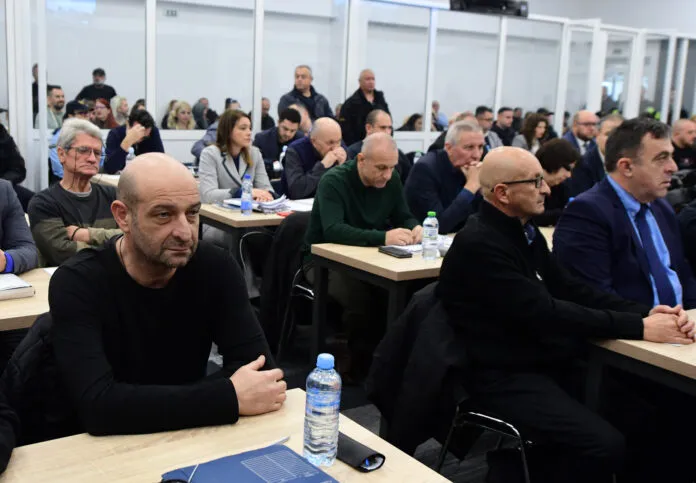
One side waits for a letter, another waits for a different commission, a third waits for consent. In those same...
This site uses cookies - is that okay? Learn more
Be the first to know when Metla launches something new
Leave your email and we will write when there is a new guide or something new on Metla.
