The Video Found Them in a Day: Two Minors and a 20-Year-Old Suspected in the Brutal Gostivar Beating
04.08.2026


04.08.2026
04.08.2026

04.08.2026

04.08.2026
04.08.2026
04.08.2026

04.08.2026
04.08.2026
03.08.2026
04.08.2026

04.08.2026

04.08.2026

04.08.2026

03.08.2026

02.08.2026

04.08.2026

04.08.2026

04.08.2026

04.08.2026

04.08.2026

04.08.2026

09.03.2026

27.02.2026

19.02.2026

04.08.2026

03.08.2026

03.08.2026

23.04.2026

23.04.2026

12.04.2026
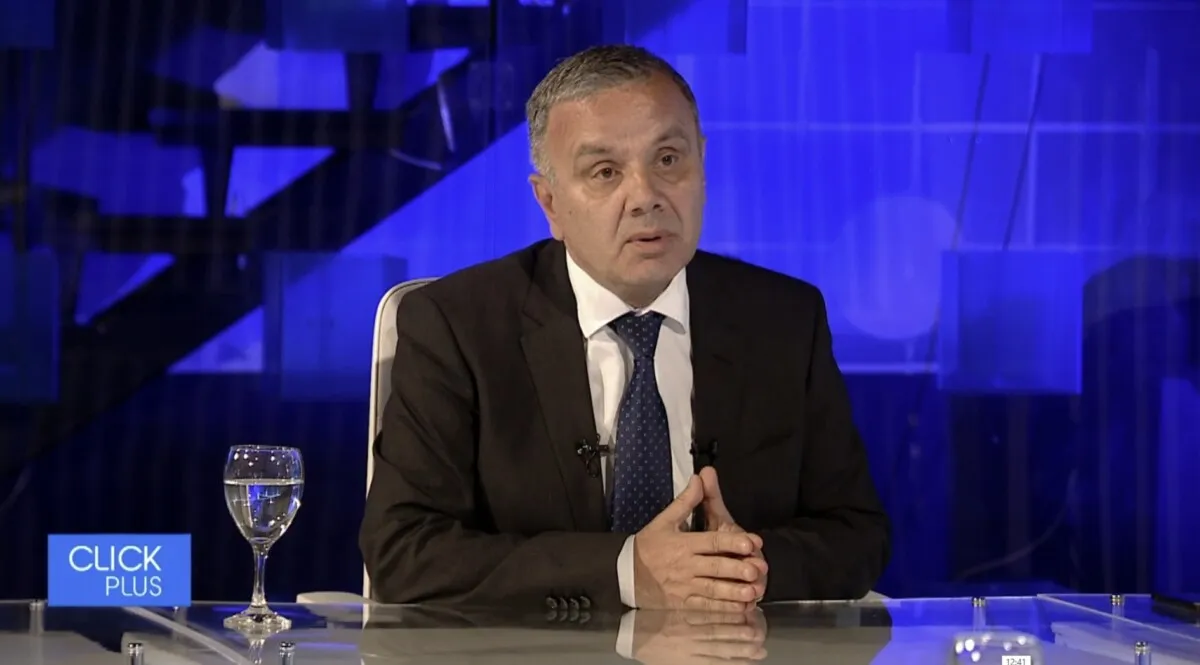
Deputy Foreign Minister Zoran Dimitrovski reopened on TV21 a topic that everyone in Skopje is tired of but no one stops returning to: Bulgaria and the Constitution. "Bulgarians will become part of the Constitution - but only when we see an outstretched hand on the rights of Macedonians in Bulgaria and guarantees on identity questions."
The sentence carries an entire strategy. For two years now Skopje has been building a new diplomatic line: identity questions cannot be a condition for EU integration. Dimitrovski says this openly. And he links it: we are ready for constitutional changes, but not on Sofia's terms.
One concrete question: the registration of Macedonian associations in Bulgaria. This is a practical matter that requires neither a constitution nor an agreement on history. Just good will from the Bulgarian side. Sofia has so far refused this systematically. "Macedonian associations" in Bulgaria are persistently denied with legal claims that a "Macedonian minority" doesn't exist.
Dimitrovski added something important. That questions of history and identity are "complex and require a long timeframe". Joint commissions can work "for decades". With this our diplomacy is acknowledging reality: in this mandate, and in the next, and perhaps in a third, the question of Goce Delčev or of words in textbooks will not be resolved.
The Bulgarian side uses its right of veto as an instrument. Not only at the level of EU accession. Dimitrovski indicated that "Sofia is ready to use it more broadly - even outside the formal process". That's a message for Brussels, not only for Skopje. Bulgaria is acquiring a special status in European politics - a state that can block whenever it likes.
The Balkans watch this with mixed feelings. On one side - sympathy for Skopje, because every state in the region has its own "veto neighbour". On the other - suspicion that rhetoric, without a concrete strategy, just postpones the solutions. When one state spends decades staring at the same wall, the question is whether the wall is too high or whether we're too short.
The latest 10 news from this category
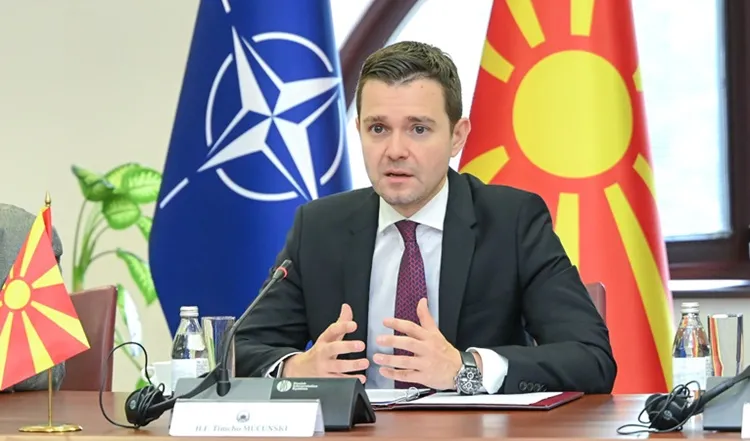
The minister says citizens should rest easy. In the same interview he said the previous government made promises the public...
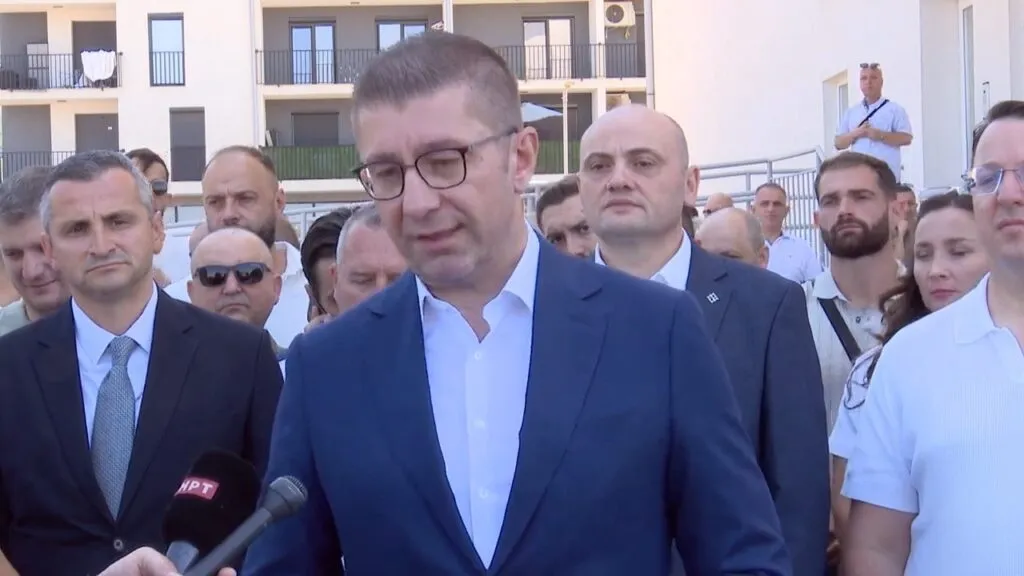
Mickoski promised clean water perhaps as soon as today. The two parties accuse each other of silence - while the...
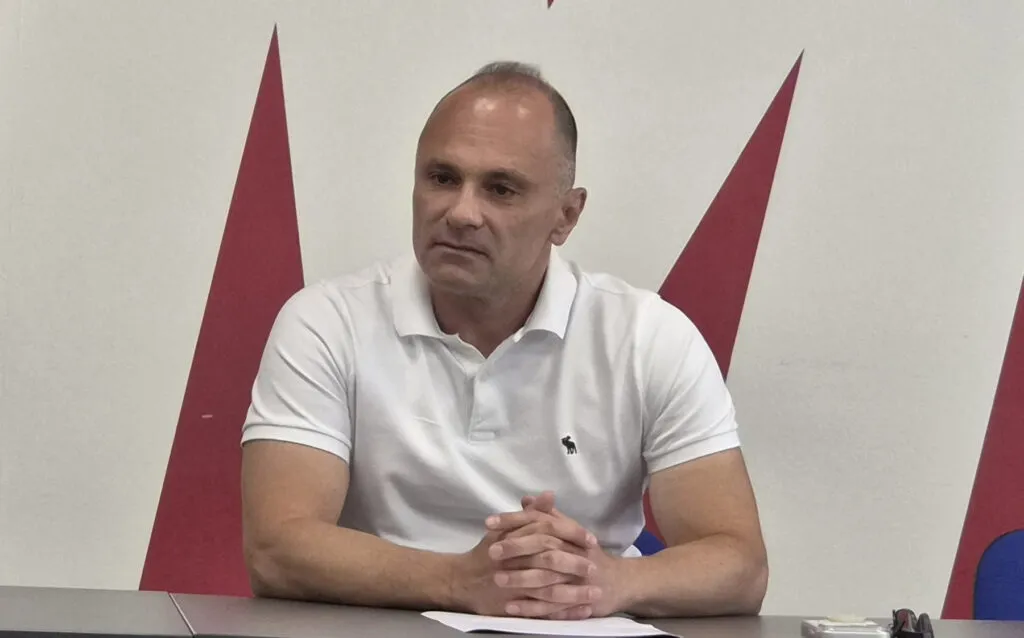
Of everything announced at the briefing, the procurement claim is the most checkable. „There will be elections when they run...
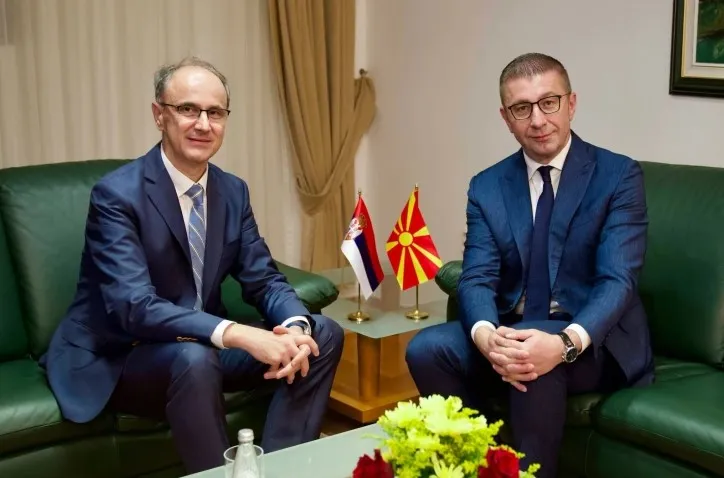
The statements talk about friendly relations. The composition of the delegation talks about a gas interconnector, a rail corridor and...
Tanja Mileva has 197 points, the highest rating among judges. The Council voted nine to two for the other candidate....
Macedonia already has a Permanent Mission with an ambassador and dozens of diplomats. Osmani is asking for the mandate of...
SDSM wants criminal liability and names the officials one by one. Mickoski answers with 400 old complaints. Both can be...
The anti-corruption commission flagged a high risk. The opposition blocked it over a signature on the Albanian text. Gashi withdrew...
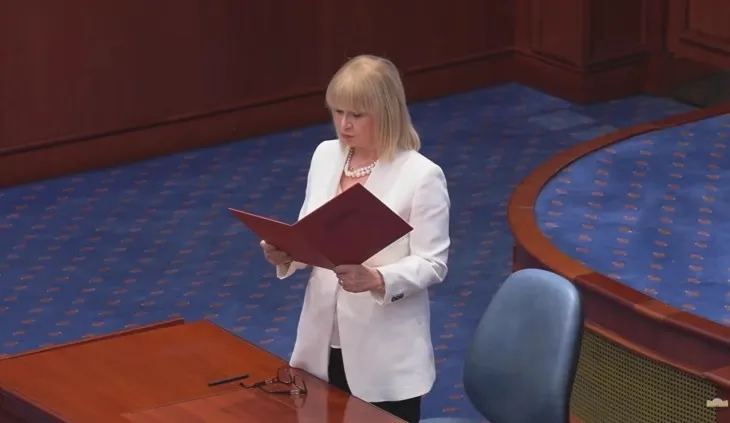
Bar exam passed seven months before graduation, a traineeship two years before the law degree. The Judicial Council calls it...
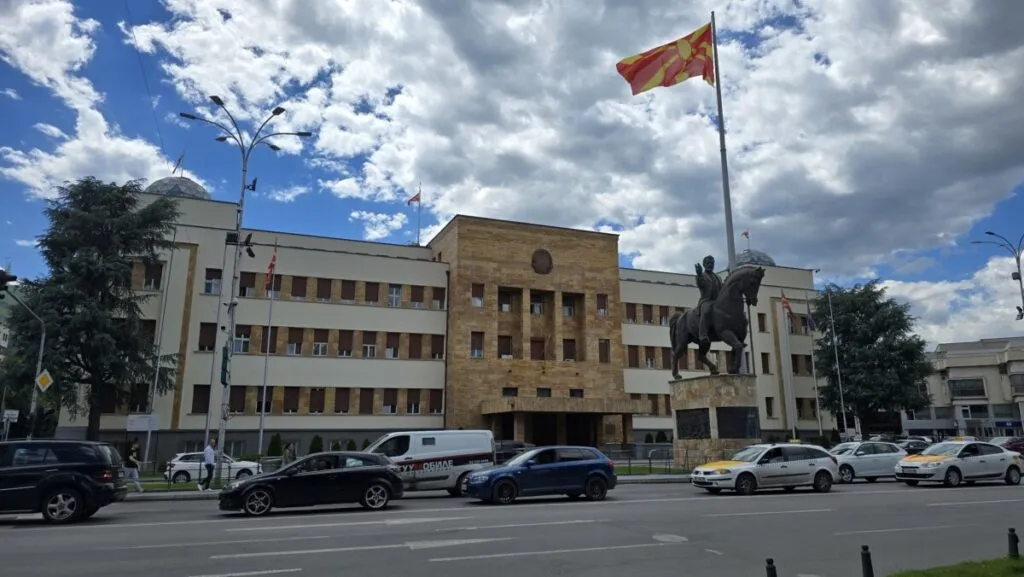
DUI says the government is „smuggling” the law through. Vlen says DUI is breaching the Ohrid Agreement. Parliament goes on...
This site uses cookies - is that okay? Learn more
Be the first to know when Metla launches something new
Leave your email and we will write when there is a new guide or something new on Metla.