

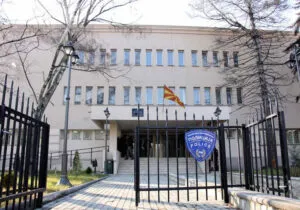
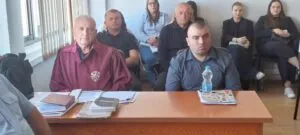
Counter-terror raid in Skopje: an ISIS flag and weapons, while official details come "once it's over"
29.09.2026


29.09.2026
29.09.2026
29.09.2026
29.09.2026
29.09.2026
29.09.2026
29.09.2026
28.09.2026

27.09.2026

29.09.2026

29.09.2026
28.09.2026
29.09.2026

29.09.2026
29.09.2026
29.09.2026
28.09.2026
27.09.2026
29.09.2026

29.09.2026
29.09.2026

29.09.2026

29.09.2026
28.09.2026

09.03.2026

27.02.2026

19.02.2026
29.09.2026
28.09.2026
27.09.2026

23.04.2026

23.04.2026

12.04.2026

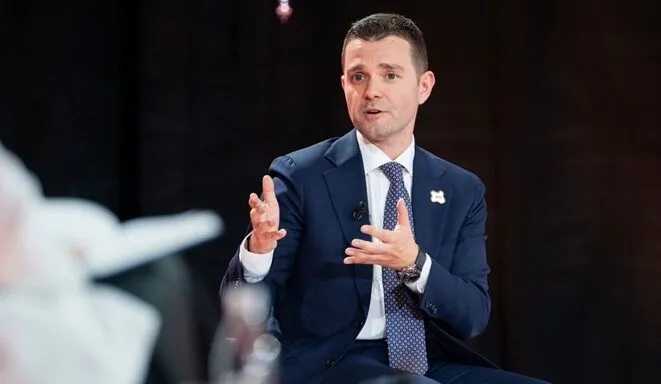
Foreign Minister Timčo Mucunski said on television last night what anyone can see without a diplomatic translation: bilateral talks with Sofia are getting nowhere. "Each side states its positions, and we are making no progress whatsoever," he said - which is why Skopje is now asking for a mediator: the European Union.
Mucunski says the proposal for stronger direct EU involvement has already been officially sent to both Brussels and Sofia. There was no meeting with Bulgarian representatives at the UN General Assembly in New York. There is communication, he says, but no rapprochement, "due to a lack of interest from the other side". Next week he travels to Sofia for a meeting on Corridor 8, where he also expects to meet his Bulgarian counterpart Velislava Petrova-Chamova.
The red line: predictability. The government's position is that there are currently no conditions for constitutional changes. Mucunski summed up the heart of the problem like this: "The European Union and 26 member states tell us: the only precondition is the constitutional changes. One member state tells us: there's a lot more." Bulgaria, he says, wants the 2022 proposal implemented, which in Sofia's reading brings in historical narratives, language and issues that fall within a government's sovereign competence. That proposal, the minister said, was accepted by the previous government "out of recklessness and naivety in foreign policy".
The minister also used the interview to hit out at home: the weakness of Macedonia's national position, he said, is the opposition, which he described as "fully aligned with Bulgaria's positions". The point of that part was more partisan than diplomatic - but it also shows how hard it is to go to Brussels with a single stance when there isn't even agreement at home on where exactly the problem lies.
Skopje's hope is the visit of European Commission President Ursula von der Leyen, who arrives in Skopje at the end of this week. Mucunski says the visit sends a message that the EU is interested in the region and that Bulgaria will be on the agenda. This week, according to his information, the Commission is also due to publish an enlargement document with new policies on so-called gradual integration.
A mediator that is also a party. The idea has its logic: it is the Union that demands consensus, and it is the Union that allowed the veto. But the experience of the dispute with Greece, which lasted almost three decades with the UN mediating, raises the opposite question - does a third party at the table shorten a dispute or drag it out? Sofia, for now, says it is ready for dialogue, but bilaterally.
Macedonia has been a candidate for membership since 2005. The question now is not whether Brussels can help, but whether it wants to step into a dispute it has so far treated as someone else's problem.
The latest 10 news from this category
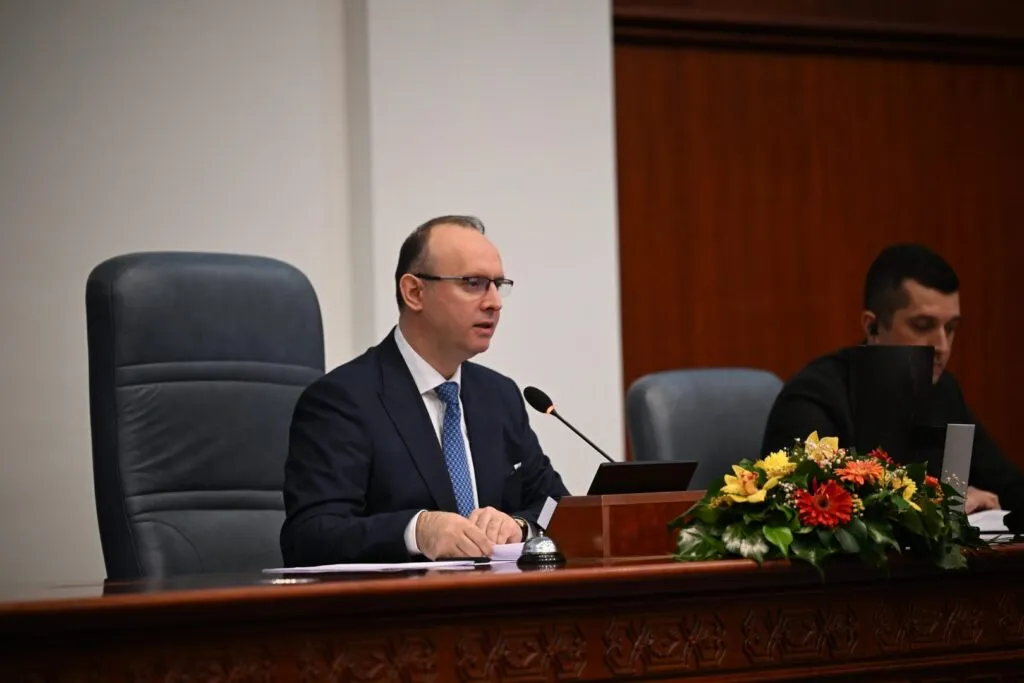
VMRO-DPMNE, SDSM and Vlen are all in the delegation. The press release has an itinerary, but not a single word...
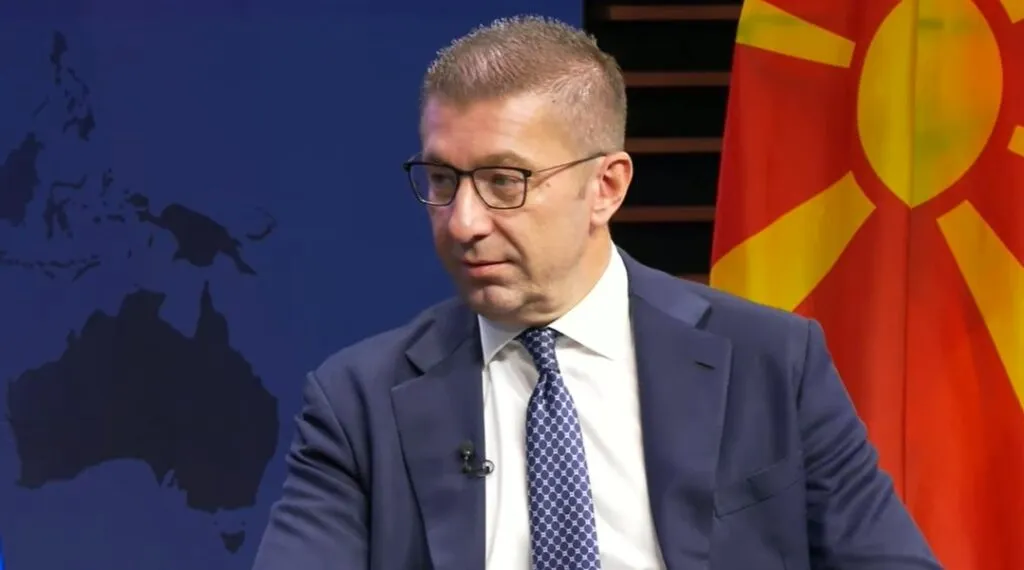
The prime minister wants the EU at the table with Skopje and Sofia. Bulgaria replies that it's open to dialogue...
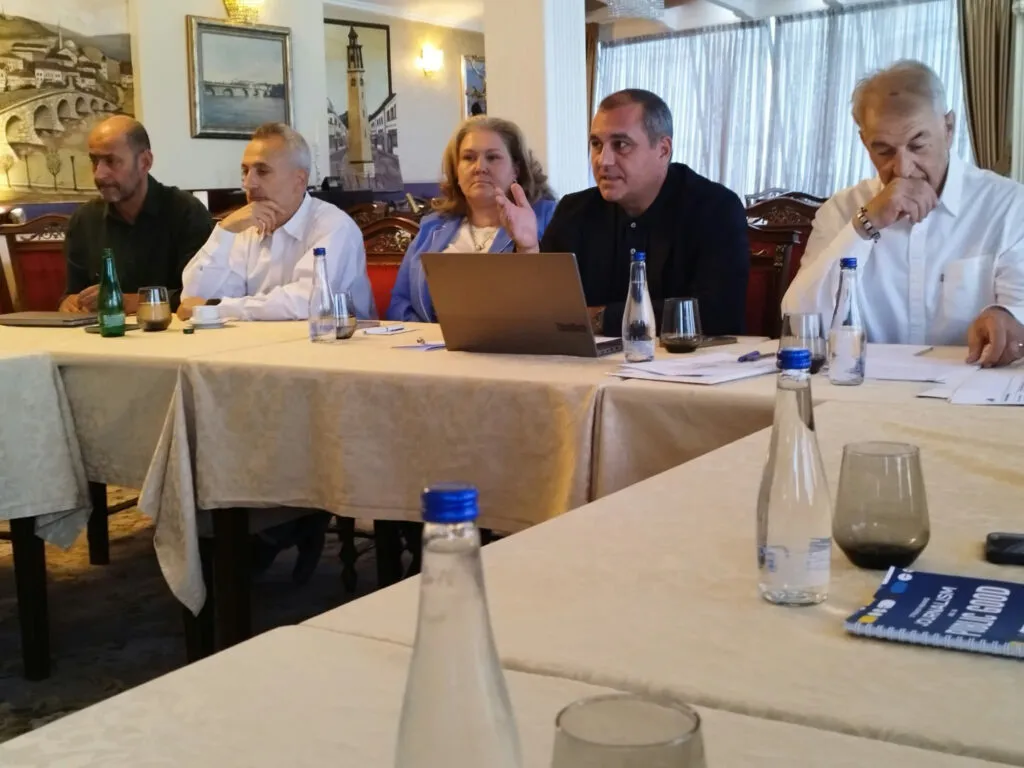
The prime minister says he doesn't interfere in SDSM's internal affairs. Then he spent a long answer on exactly that,...
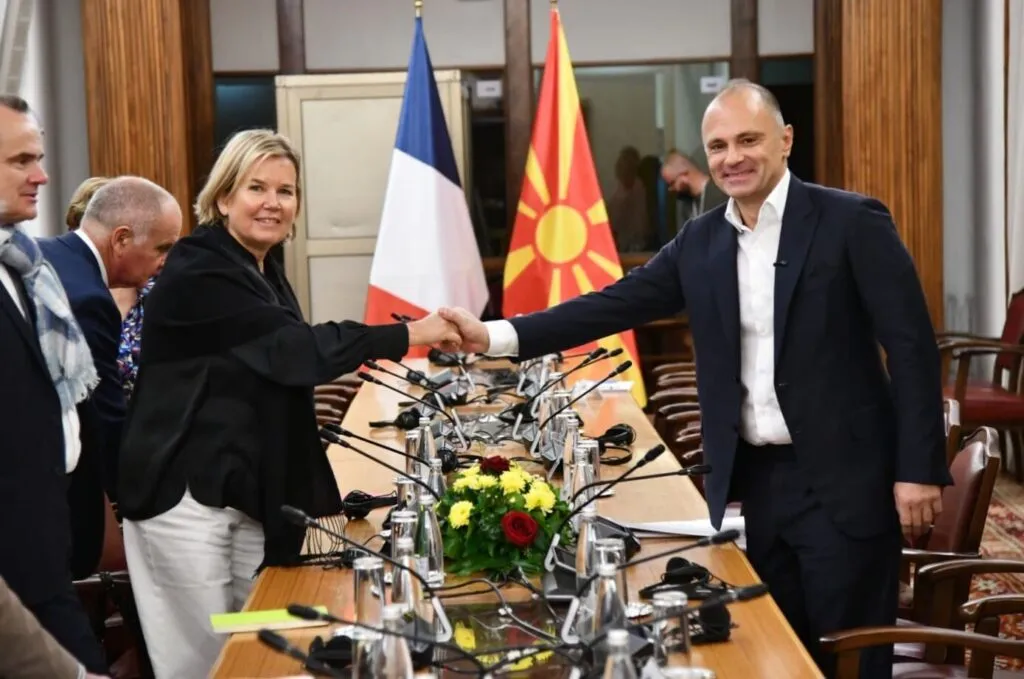
The SDSM leader complained to his guests from Paris about the judiciary, the media and the guarantees the government keeps...
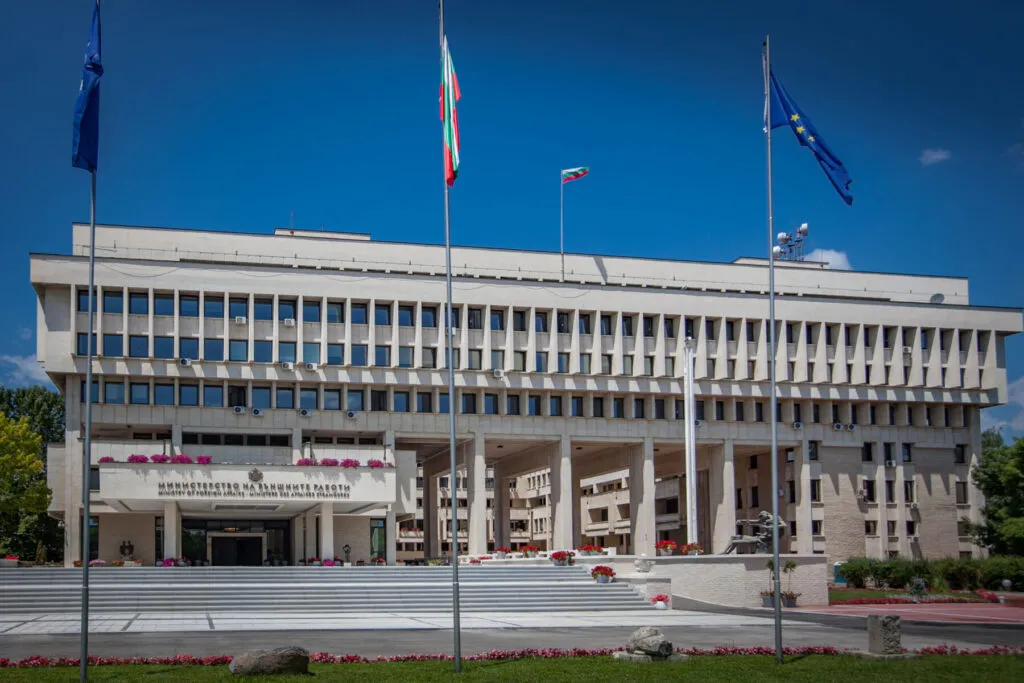
Skopje asks for a witness in the room, Sofia accepts - but the menu has already been printed. Four years...
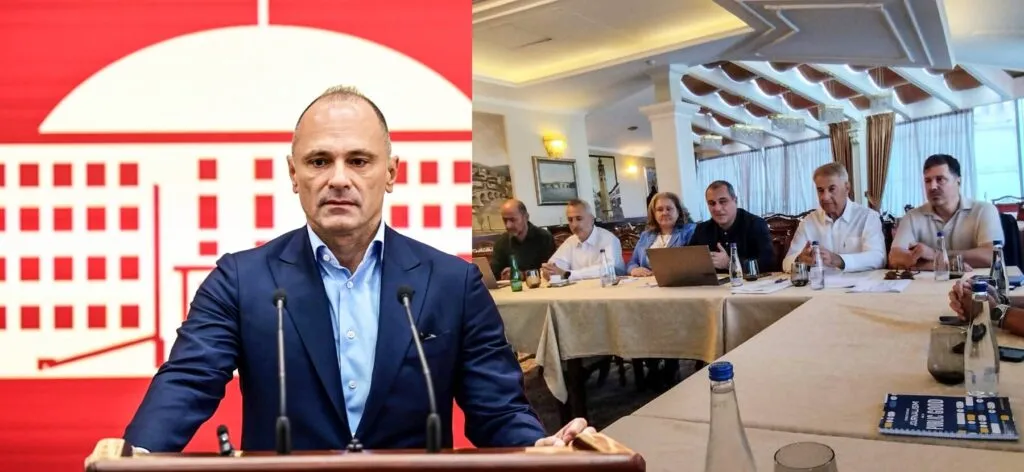
One side accuses the leader of cutting deals with the government; he accuses them of working for the government. Neither...
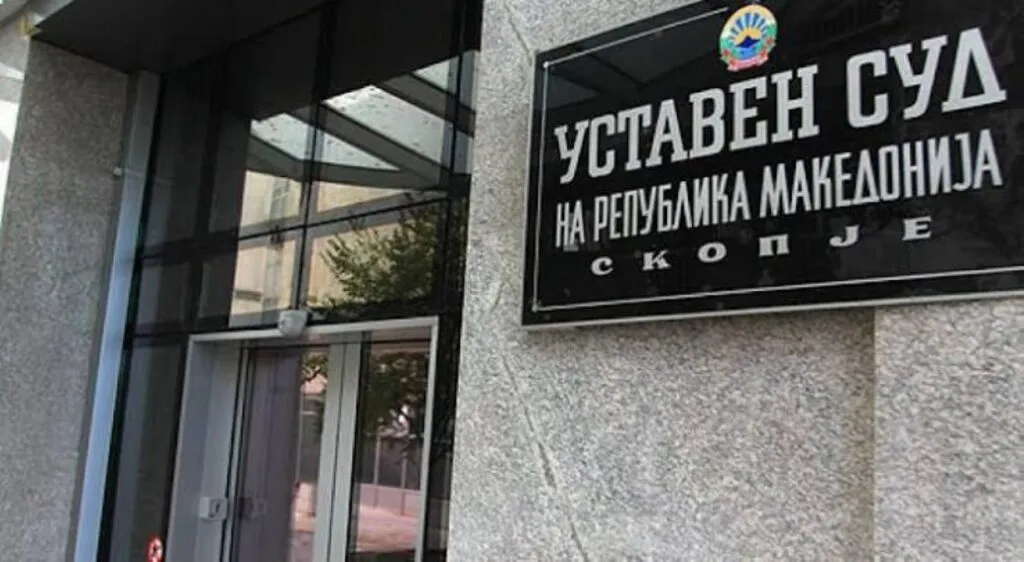
The majority of judges said "res judicata" and closed the matter. Darko Kostadinovski voted against, arguing that new parties start...
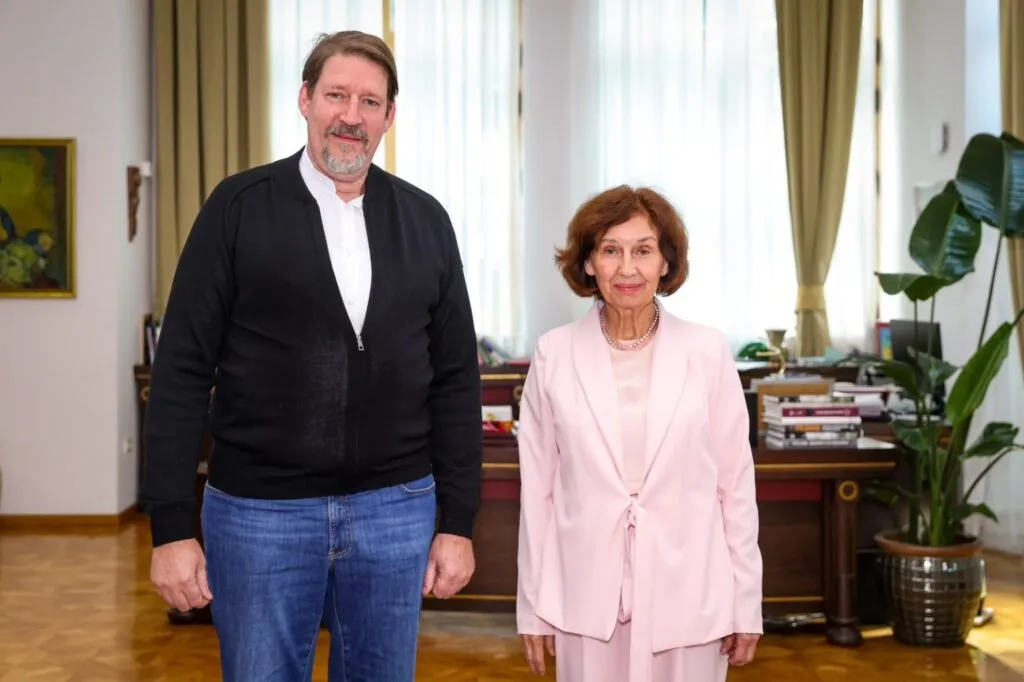
The President reminded him that after all the compromises, negotiations haven't even started. The European Parliament's rapporteur admitted to a...
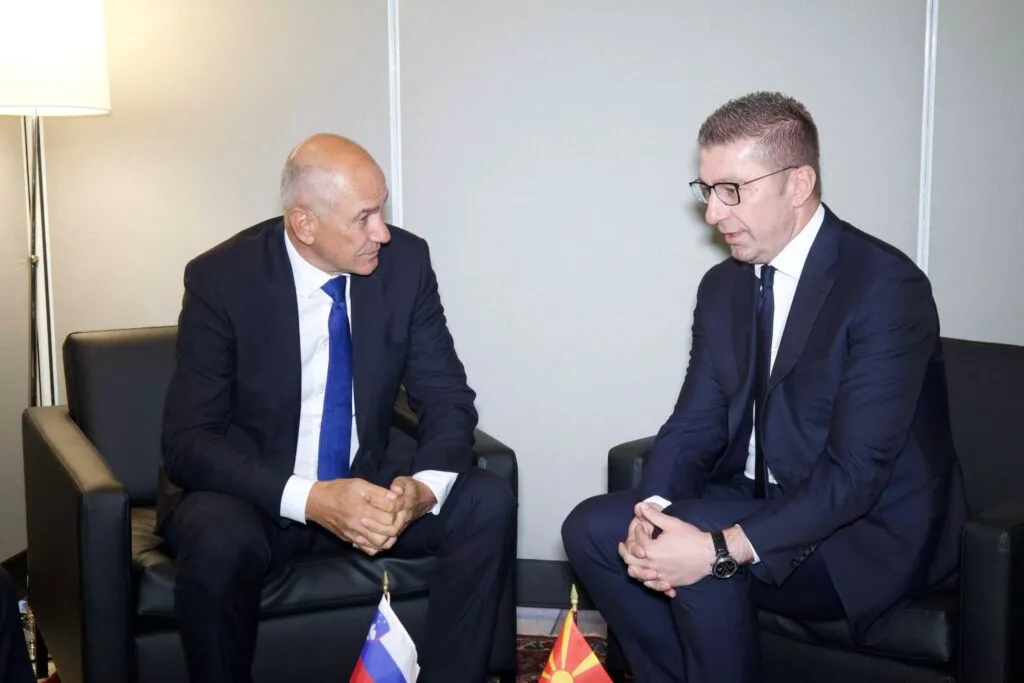
The flag, the Constitution and the name have all been changed, and the EU is no closer. The diagnosis is...
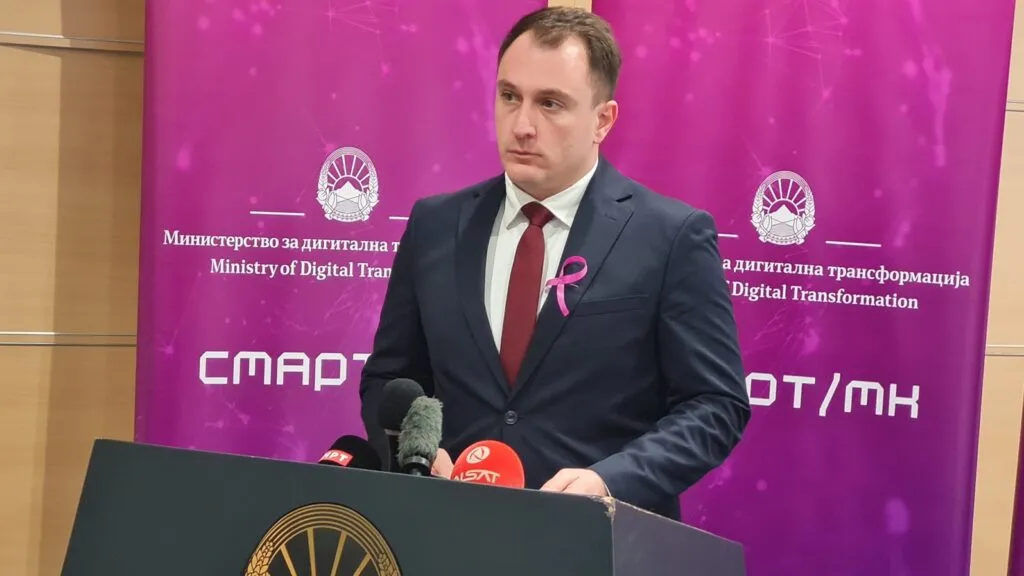
Andonovski admits there was no project, no study, and no figure for how many megawatts the facility would draw. The...
This site uses cookies - is that okay? Learn more
Be the first to know when Metla launches something new
Leave your email and we will write when there is a new guide or something new on Metla.
