
Six Years of Fake Licence Categories Issued From an Interior Ministry Desk: Six Charged, 21 More Under Investigation
21.09.2026


21.09.2026

21.09.2026
21.09.2026

21.09.2026

21.09.2026

21.09.2026

21.09.2026

20.09.2026

20.09.2026

21.09.2026

21.09.2026

20.09.2026
21.09.2026
21.09.2026
21.09.2026

21.09.2026

20.09.2026
19.09.2026

21.09.2026

21.09.2026
21.09.2026
21.09.2026

21.09.2026

21.09.2026

09.03.2026

27.02.2026

19.02.2026

21.09.2026

21.09.2026

20.09.2026

23.04.2026

23.04.2026

12.04.2026

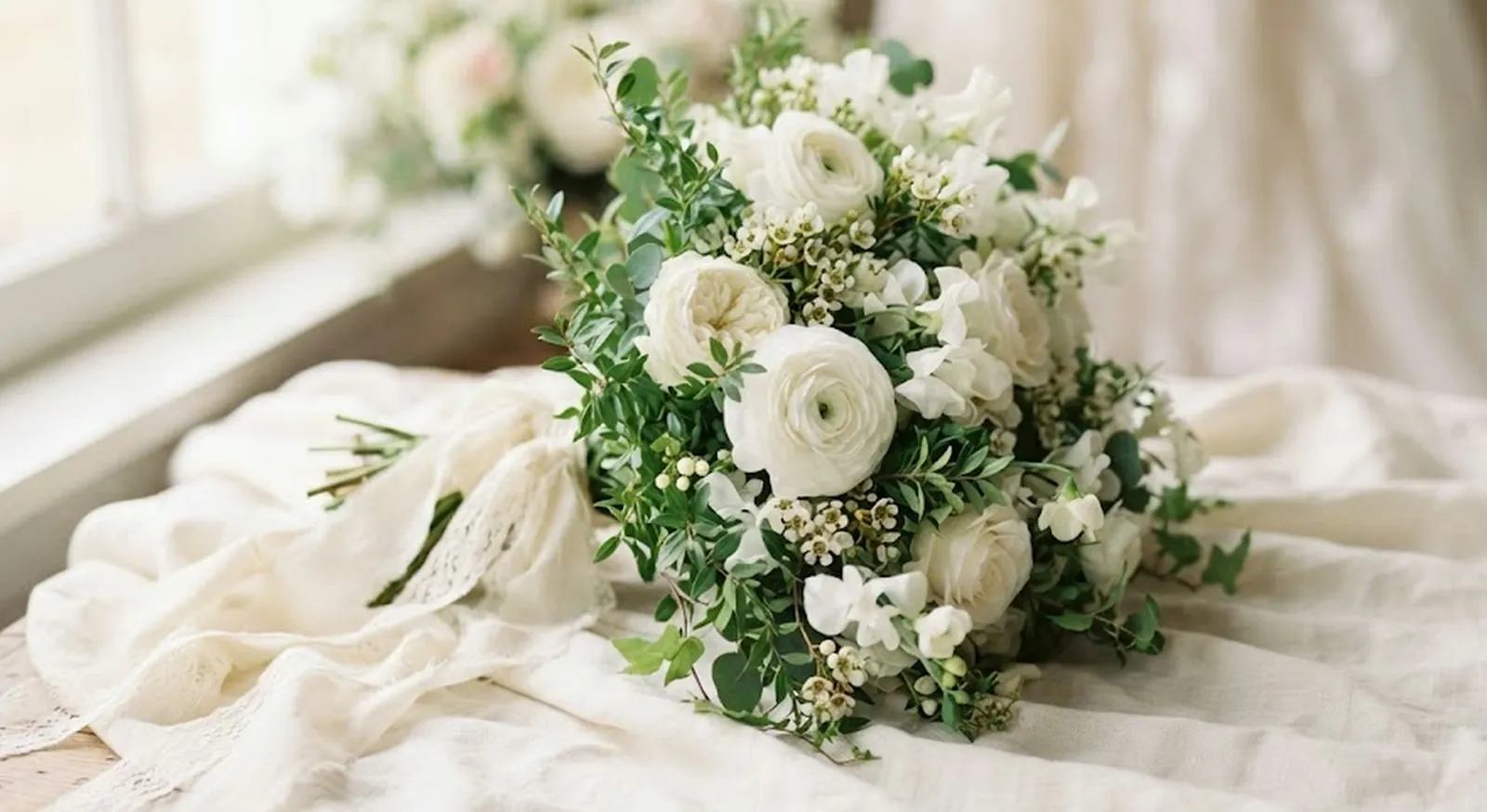
There is a green leaf that has traveled for centuries from bouquet to bouquet of British royal brides, and almost no one notices it. It is myrtle - a shrub whose stem connects royal weddings like an invisible thread longer than a century and a half.
The story begins with Queen Victoria. In 1845, during a visit to Gotha in Germany, she received a sprig of myrtle from Prince Albert's grandmother. The couple planted a cutting at Osborne House on the Isle of Wight - and that shrub still grows there today. Victoria's daughter was the first to include myrtle in her wedding bouquet in 1858, and ever since, cuttings from the same plant have been used for every royal bride.
The list is impressive. Queen Elizabeth II carried white orchids with sprigs of myrtle. Diana had a cascading bouquet with orchids, roses, gardenias and myrtle. Kate Middleton - lily of the valley, hyacinths, ivy and myrtle. Meghan Markle - sweet pea, jasmine and, again, myrtle. Different flowers, different eras, the same quiet constant ingredient.
Why myrtle exactly? In the Victorian language of flowers, it means lasting love, fidelity, a happy marriage and fertility - almost perfect symbolism for the idealized story of married life. And the plant is beautiful in itself: an intensely green shrub with small white flowers and yellow stamens, which in autumn give way to edible blue berries, and it gives off a fresh, balsamic scent.
For the Balkan reader used to richer, more branching wedding bouquets, this is a reminder that sometimes the strongest detail is the smallest one. Not the crown, not the tiara, not the precious stone - but a single leaf that connects women from different centuries into the same tradition. Sometimes continuity is worth more than splendor.
The latest 10 news from this category
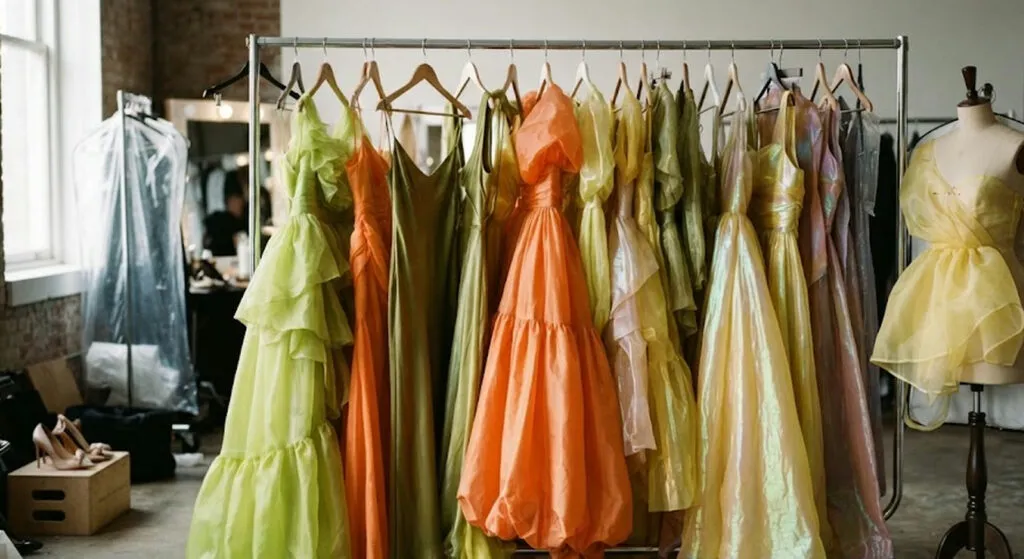
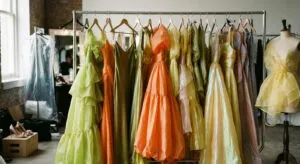
Three days in a lab coat with colorimetry scientists to produce a collection in lime and tangerine. The design director...
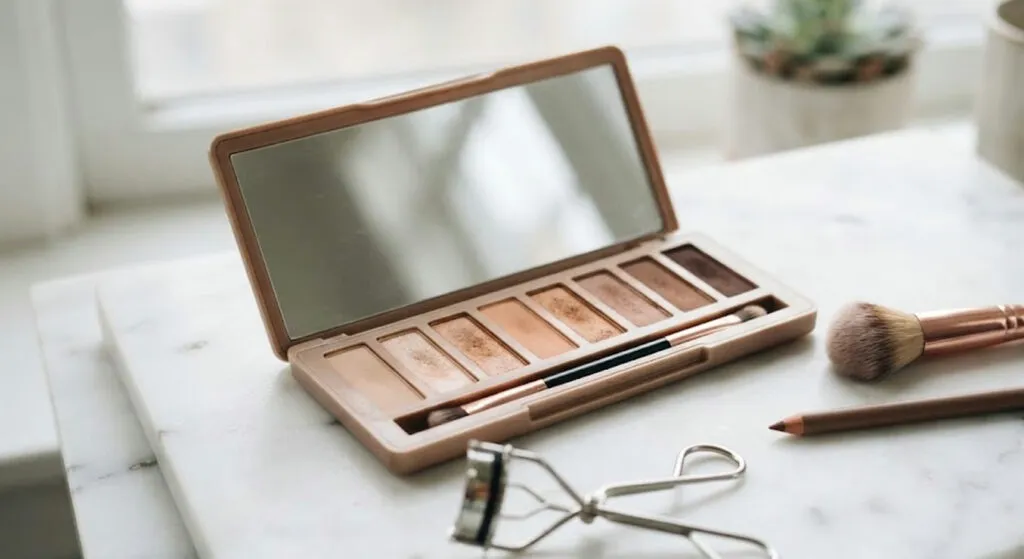
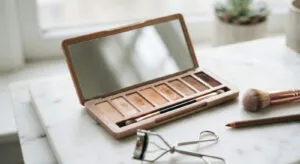
Cream concealer instead of powder, a brown pencil instead of black eyeliner, and a curler before the mascara. Not one...
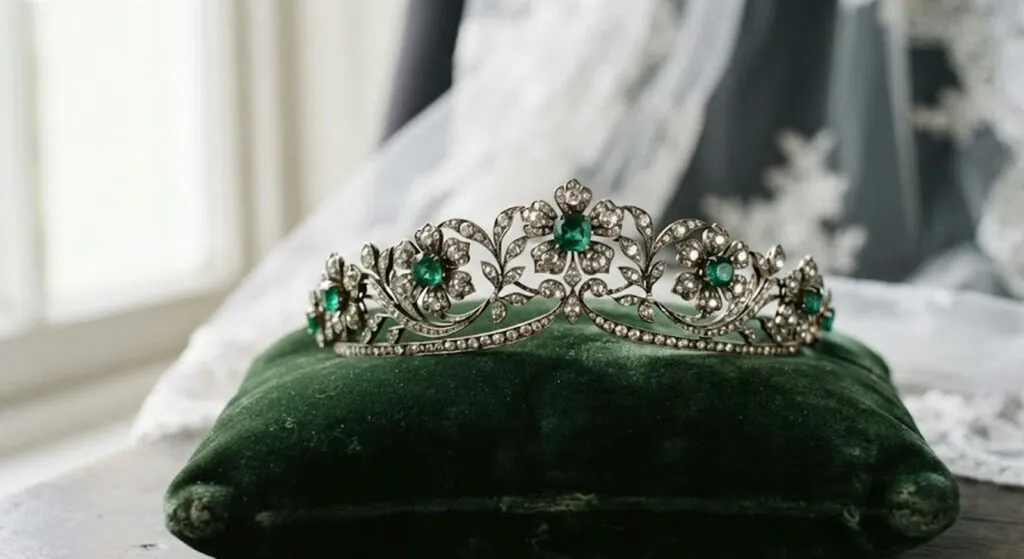
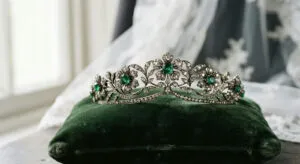
A boat-neck gown and wildflowers that deliberately refuse to compete with the jewellery. A fourth generation under the same diadem,...
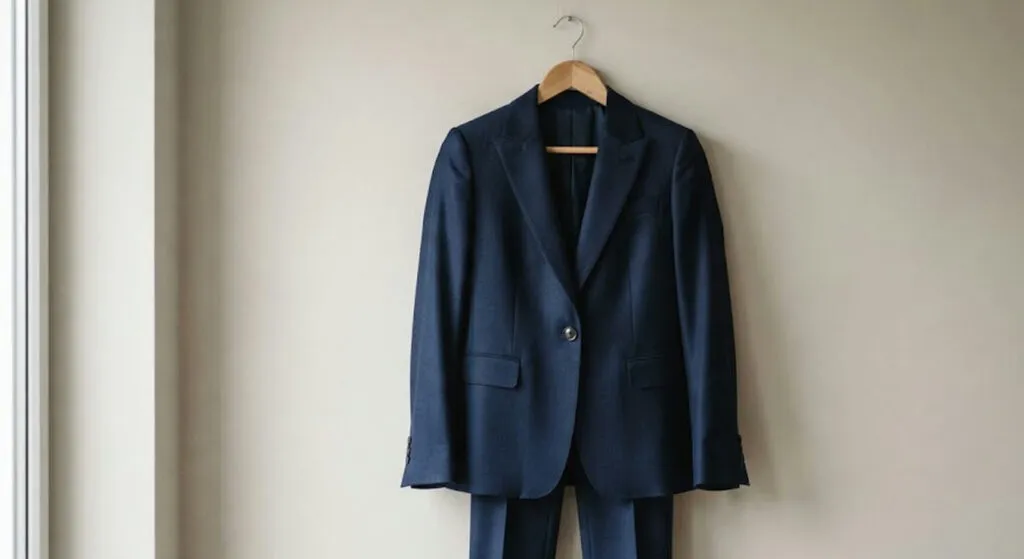
A communications expert says the trouser suit sidesteps sexist readings of hemlines and necklines. The same expert warns that the...
Dermatologists explain why the shedding arrives with a two to three month delay and why iron and vitamins do not...
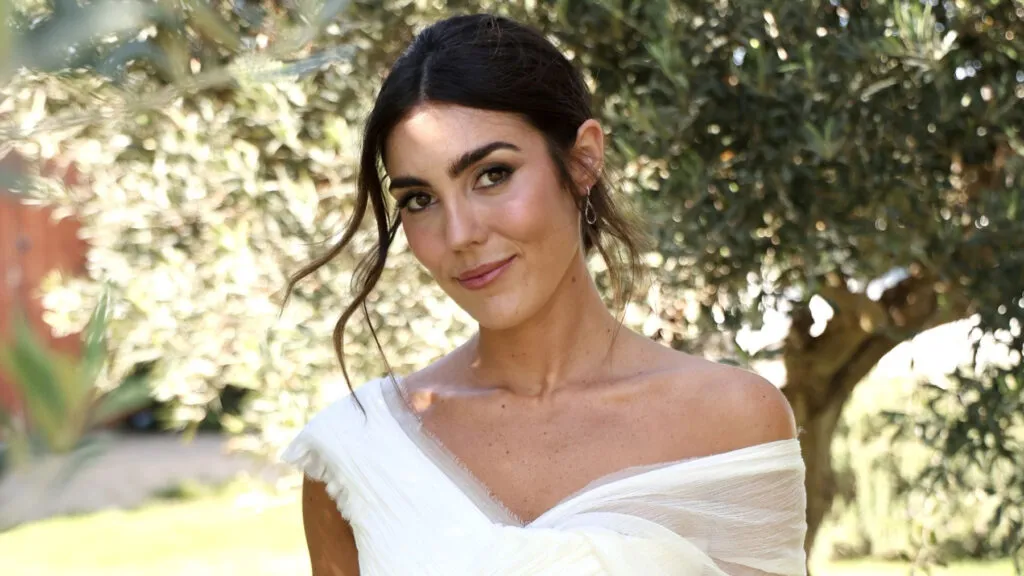
Silk bambula muslin, a hand-draped waist and a veil of crystal organza. The wedding was held in Cadiz, where the...
An industry that spent decades selling a flawless illusion is suddenly showing the shoot itself. That is not candour -...

The classic bob promised one perfect day. This version works against the salon business model - and that alone is...
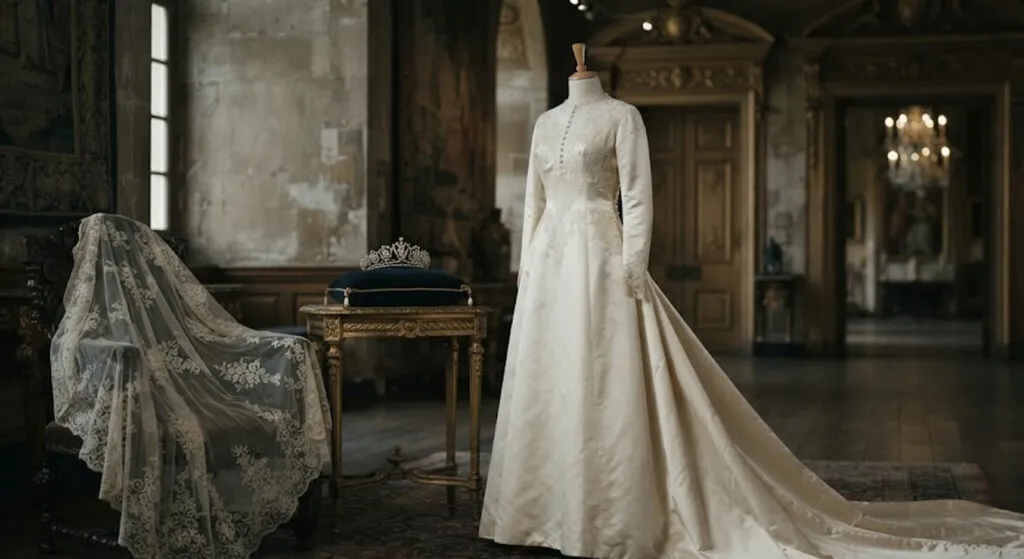
The crowns were held by four men who would all later sit on thrones of their own. Nobody in that...
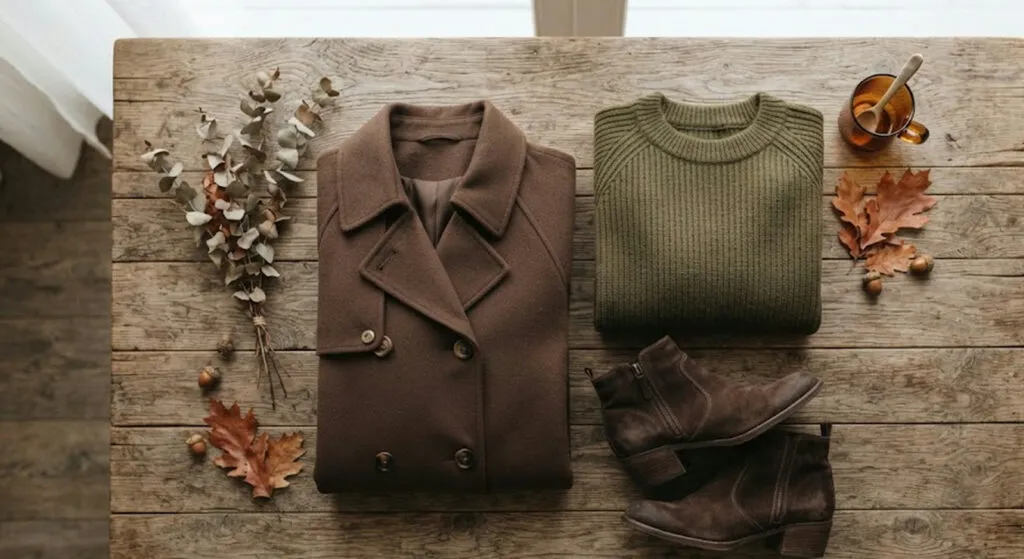
Kate Middleton dropped the beige and the same cut suddenly looked twice as expensive. The industry sells a new silhouette...
This site uses cookies - is that okay? Learn more
Be the first to know when Metla launches something new
Leave your email and we will write when there is a new guide or something new on Metla.