
A Pole Drove 164 km/h Where the Limit Is 80: The Camera Caught Him, the Border Stopped Him
23.08.2026


23.08.2026

23.08.2026

23.08.2026

23.08.2026
22.08.2026

22.08.2026

23.08.2026

23.08.2026

22.08.2026
23.08.2026

23.08.2026

23.08.2026
23.08.2026
22.08.2026
21.08.2026

23.08.2026

23.08.2026

23.08.2026
23.08.2026

23.08.2026
22.08.2026

09.03.2026

27.02.2026

19.02.2026

23.08.2026
23.08.2026
22.08.2026

23.04.2026

23.04.2026

12.04.2026
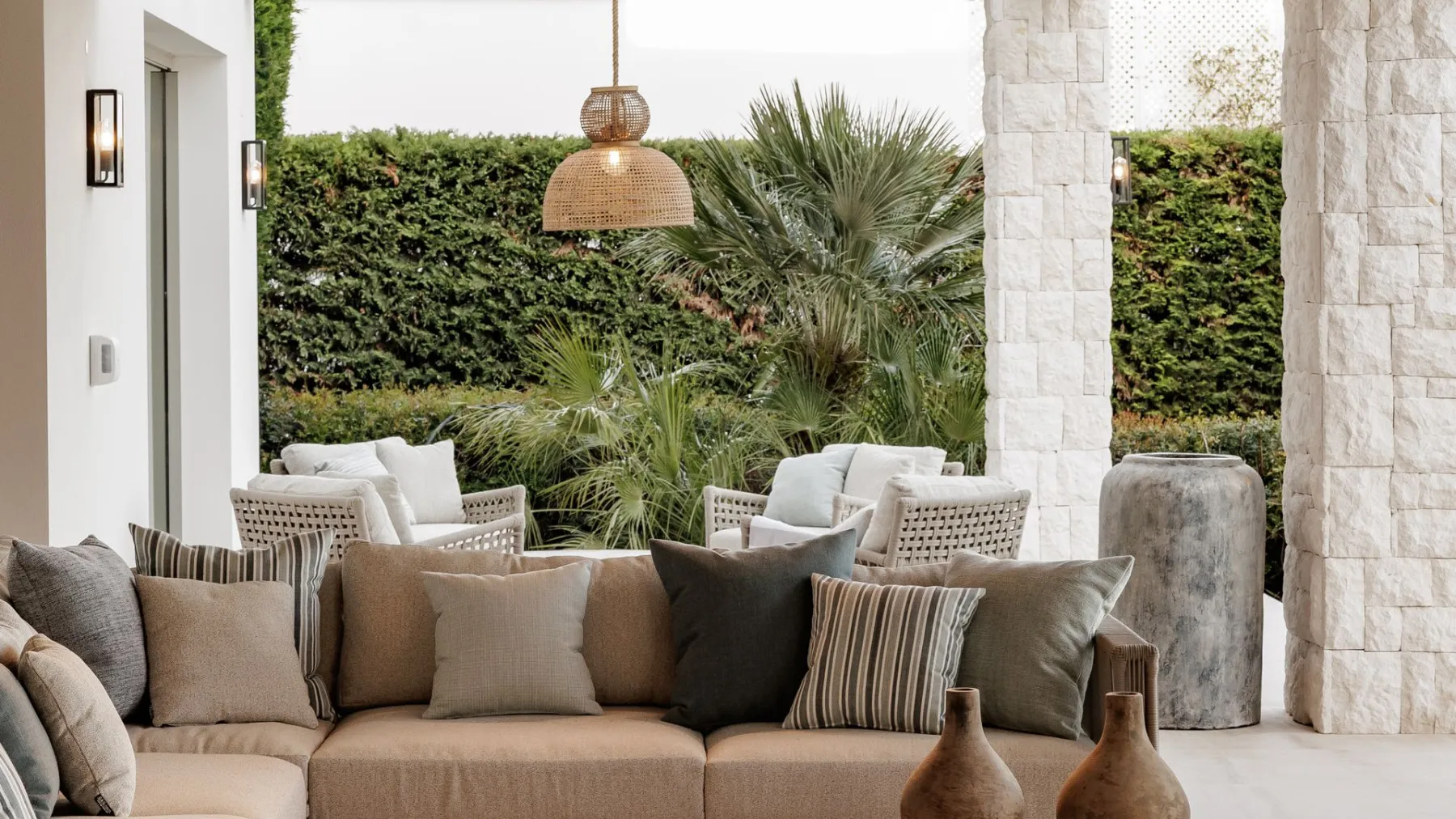
A terrace full of pots lined up as if dropped from the sky is not a garden - it is chaos with greenery. The difference between a terrace that breathes and one that merely collects plants lies in a few decisions that cost almost nothing but change everything. These are the ten rules designers apply before they buy even a single pot.
First, imagine how you'll use the space. Before you buy plants, decide what the terrace is for you - a place for lunch, for reading, for company, or a screen from prying eyes. The greenery, the GC studio says, should be part of the plan from the very start, "even before you think about furniture or floors." Plants are not a decoration added at the end.
Second, choose by orientation, not just by looks. A terrace facing south or west, with plenty of sun, loves lavender, rosemary, santolina, succulents, geraniums and Mediterranean herbs. A terrace facing north or east, with less direct sun, needs camellias, hydrangeas, begonias and ferns. The right orientation saves you both water and nerves.
Third, play with heights. Combine low plants, medium shrubs and tall species through raised planters, hanging pots or green walls. This creates a natural composition and adds depth - a flat terrace on one level looks like a waiting room, not a garden.
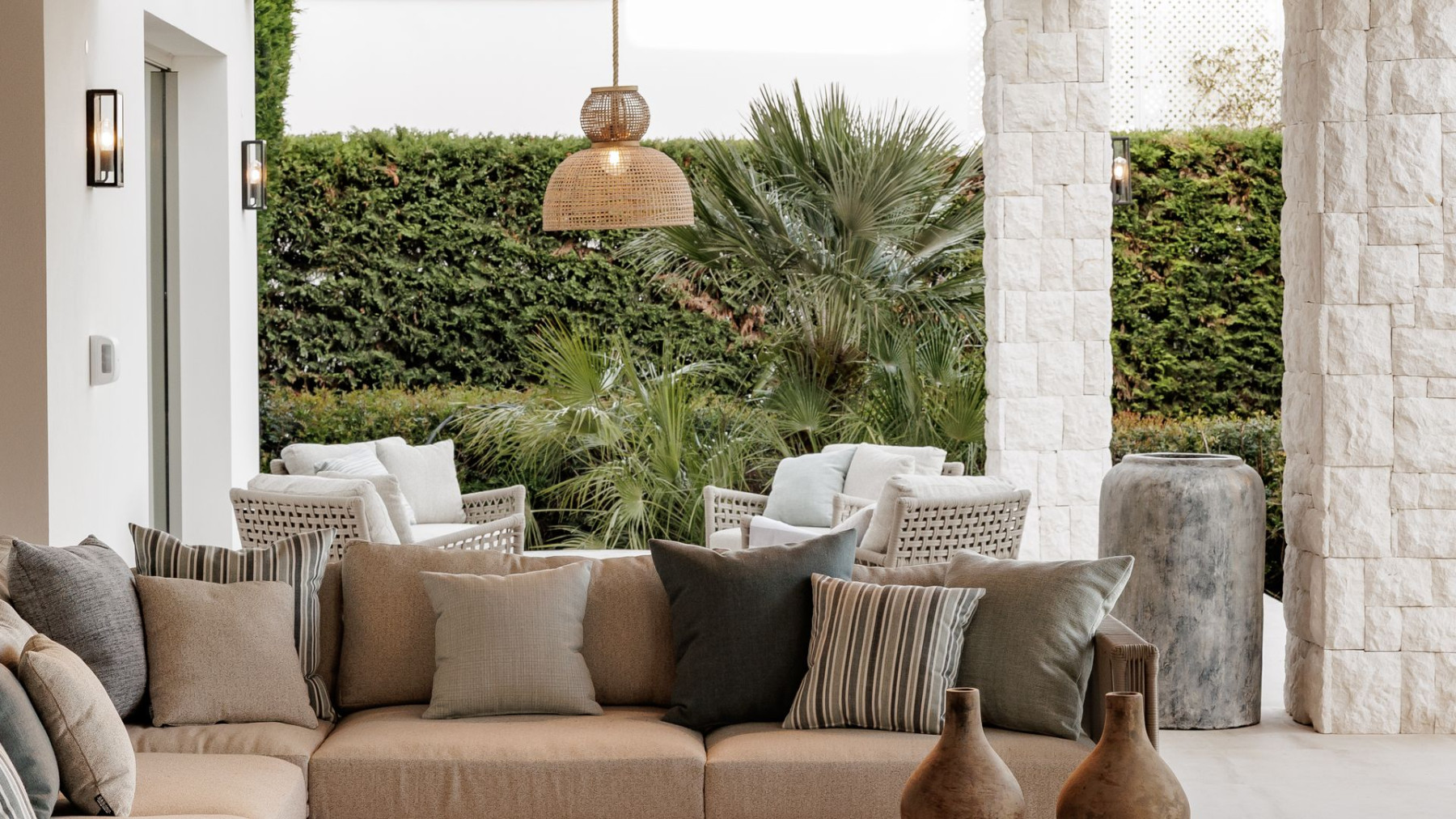
Fourth, use the greenery for privacy. Plants are a natural screen. Tall narrow plants, lined-up planters or trellises with climbers filter views while letting in light and air - unlike a wall, which closes everything off.
Fifth, create shade with pergolas and climbers. A pergola with a vine gives natural shade. Jasmine, bougainvillea and wild vine work great. Tall shrubs and grasses also cool certain zones - the natural "air conditioner" uses no electricity.
Sixth, repeat species for visual order. To avoid chaos, keep a consistent base - Mediterranean scents, lush compositions with ferns, or a contemporary scheme with grasses and olive trees in pots. Repetition creates harmony; too many different plants make visual noise.
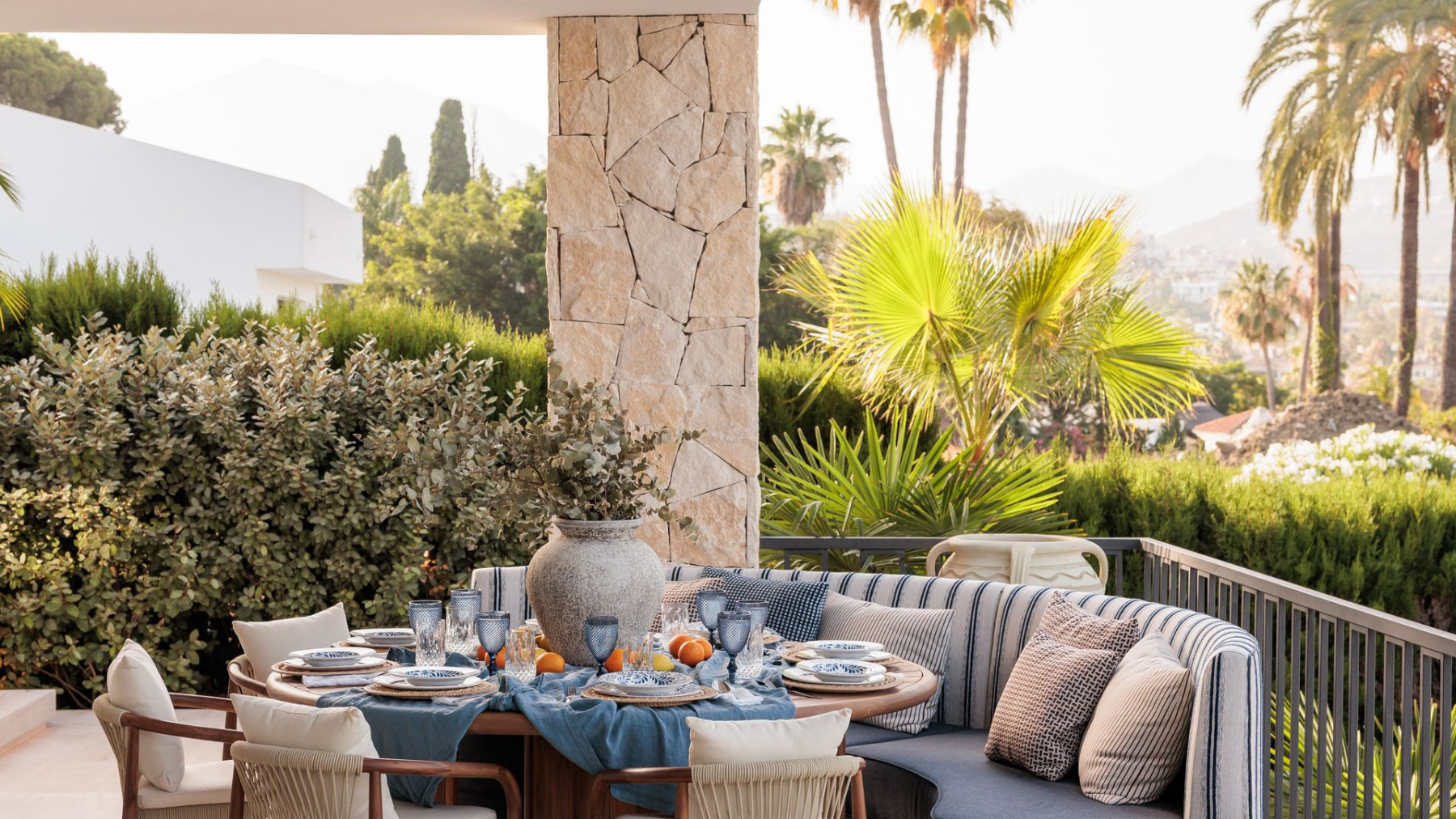
Seventh, choose large pots. Bigger containers dry out more slowly, do not cramp the roots, need less watering and look better. Just watch the weight if the terrace is on an upper floor.
Eighth, ensure drainage. Pots need drainage holes, a suitable substrate and trays that prevent water from pooling. Without that, even the most beautiful plant rots from within.
Ninth, group for microclimate. Clustered plants create a garden effect, protect each other and make a fresher, more comfortable atmosphere. The studio calls it a "tidy jungle" - lush but controlled greenery around the rest zones.
Tenth, unite lighting and furniture. Warm, indirect light highlights the plants and creates ambiance. Neutral furniture from natural materials - wood, ceramic, stone - complements the greenery without competing with it. The plants, furniture and light should form one whole, not three separate things piled in the same place. That is the difference between a terrace you pass through and a terrace where you stay.
The latest 10 news from this category
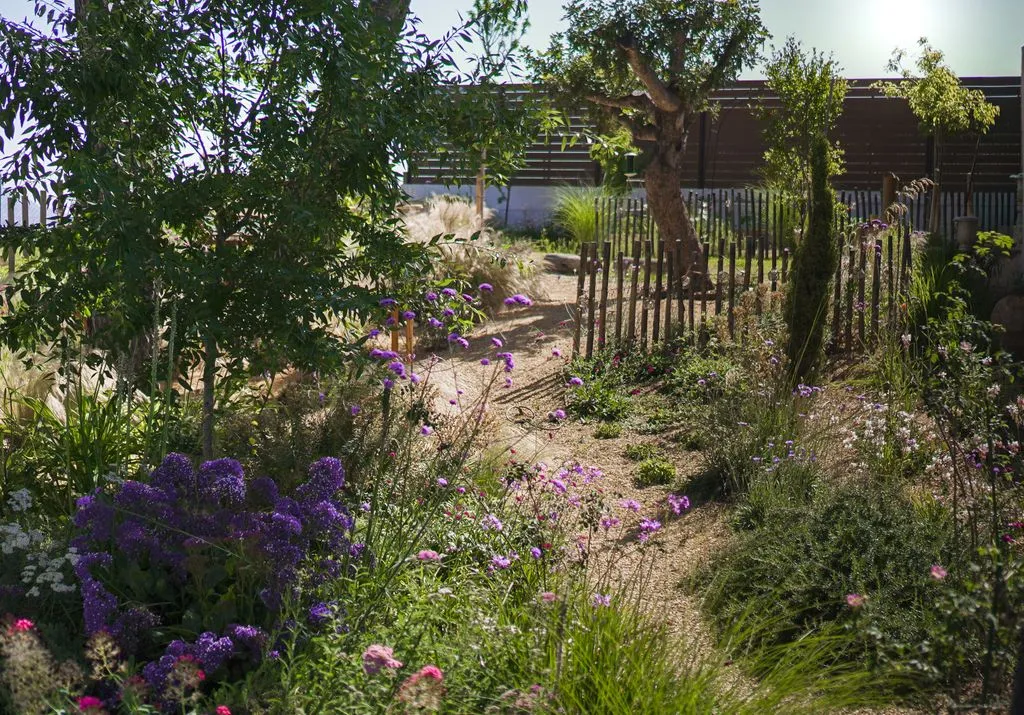
The garden stops being an ornament and becomes infrastructure. What is a Valencian experiment today is an ordinary back yard...
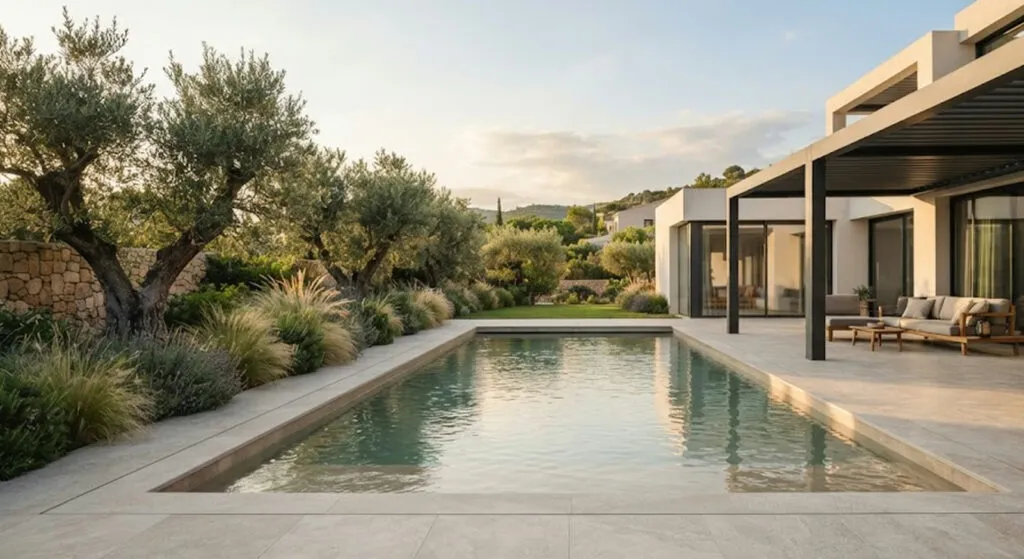
The blue rectangle in the corner of the garden is no longer the law, but the real mistake is not...
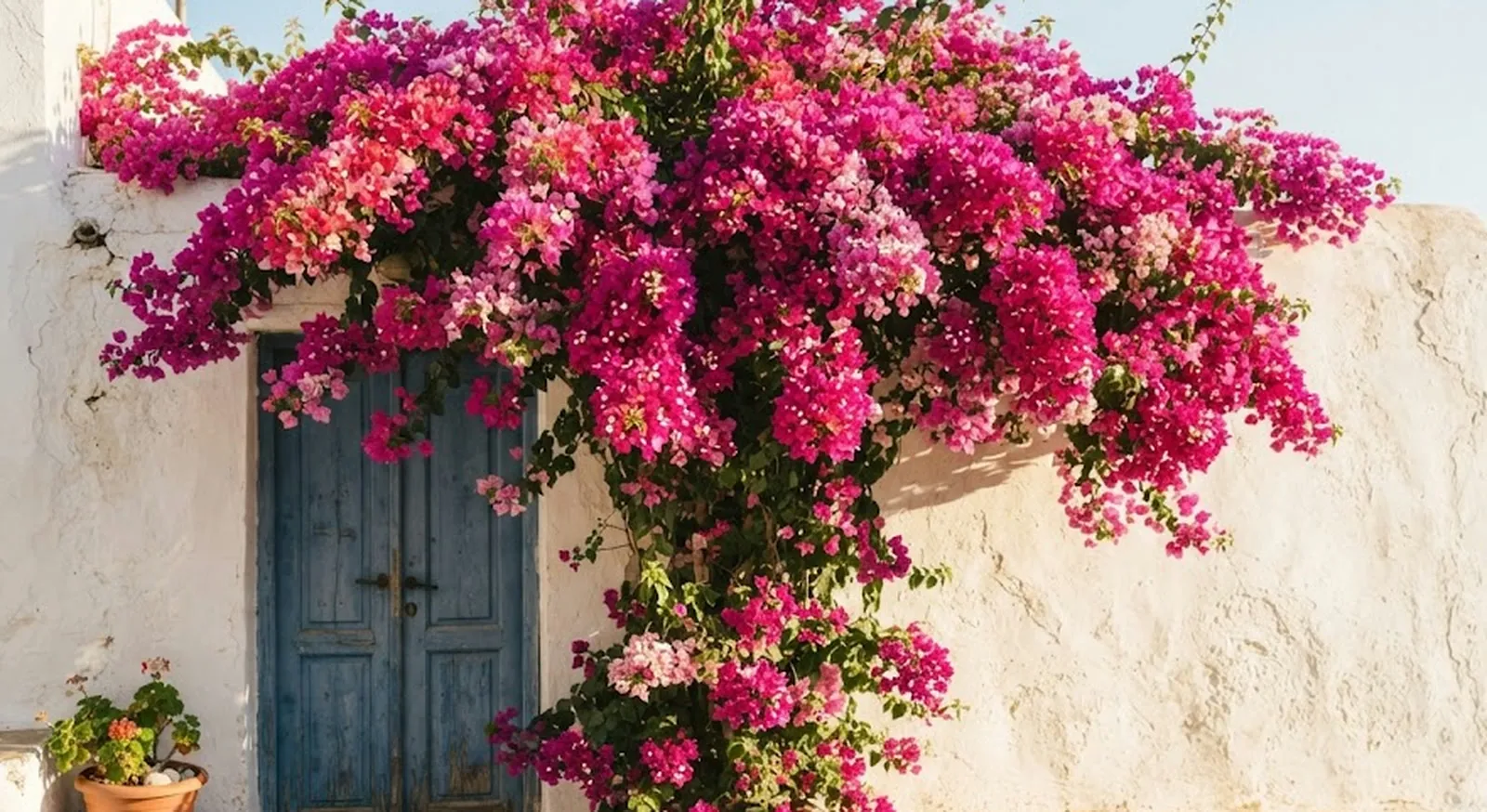
That explosion of colour spilling over Mediterranean walls asks for just two things - sun and a little thirst. And...
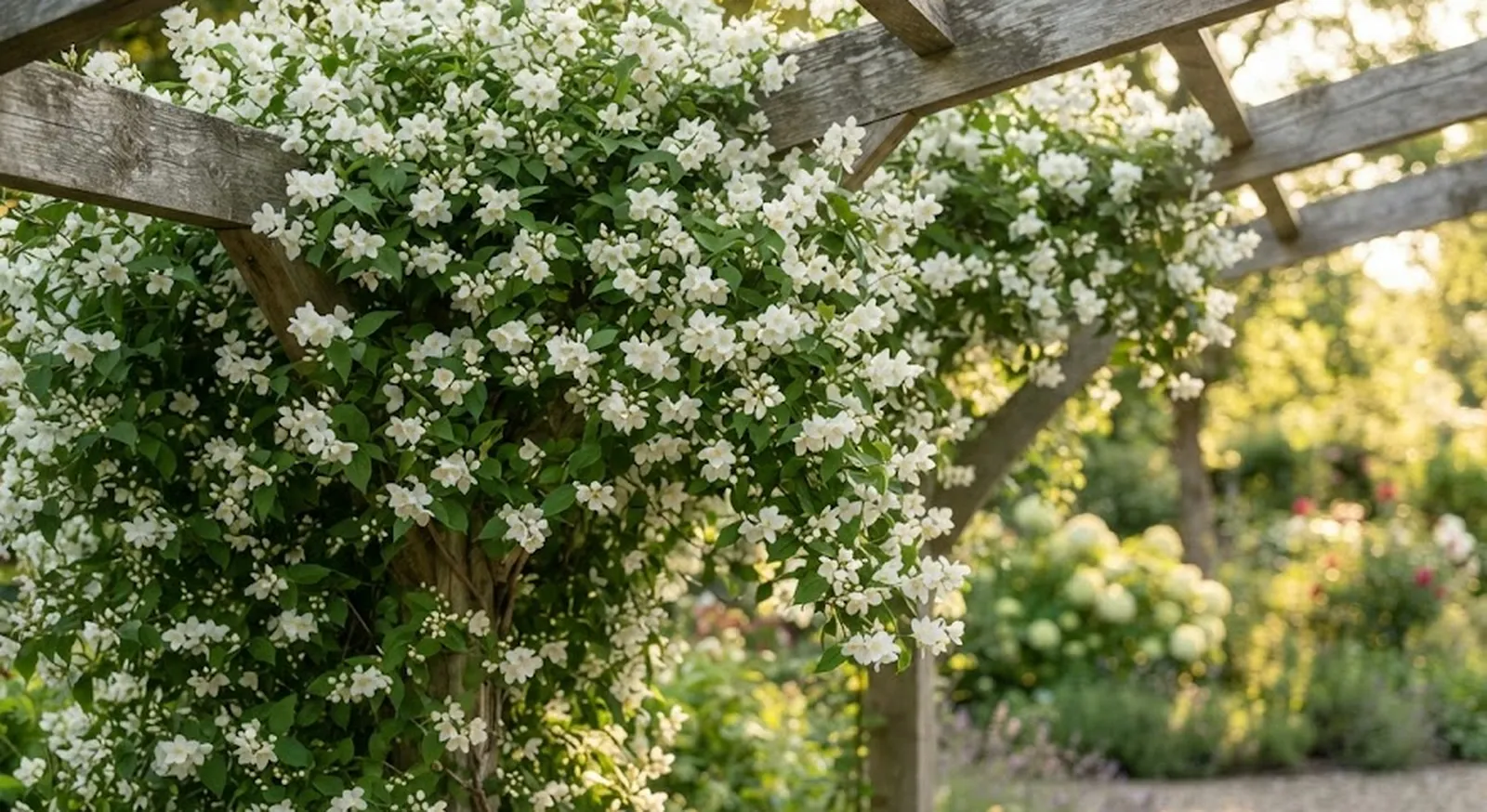
For months of flowers and that heady scent, common jasmine asks you to do a few things right. The most...

Not a scent from a spray can, but something alive that calms you. Sometimes the freshest home is the one...
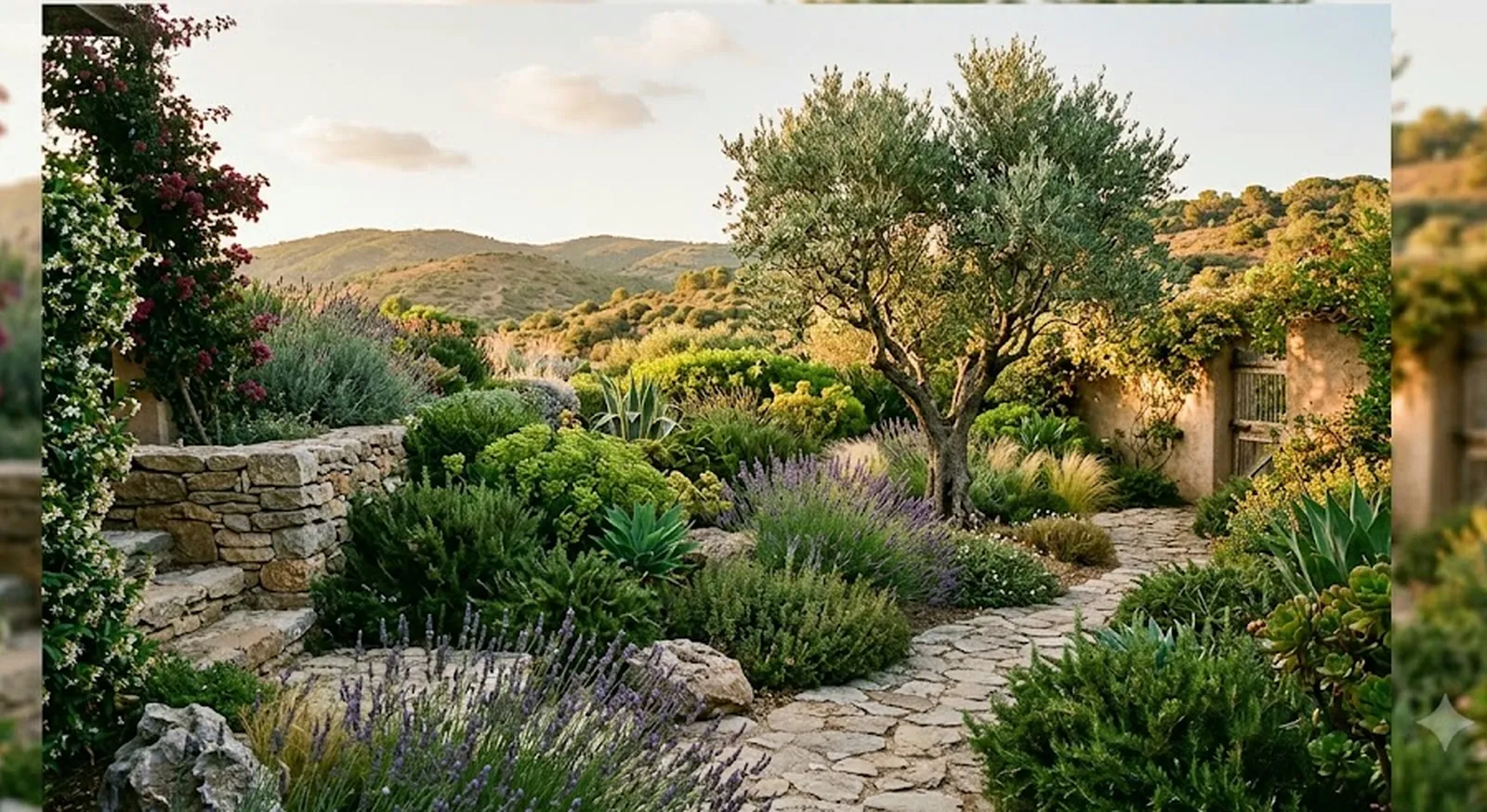
Buying plants with no plan, artificial grass, oversized saplings - a landscape architect lists the mistakes you pay for late....
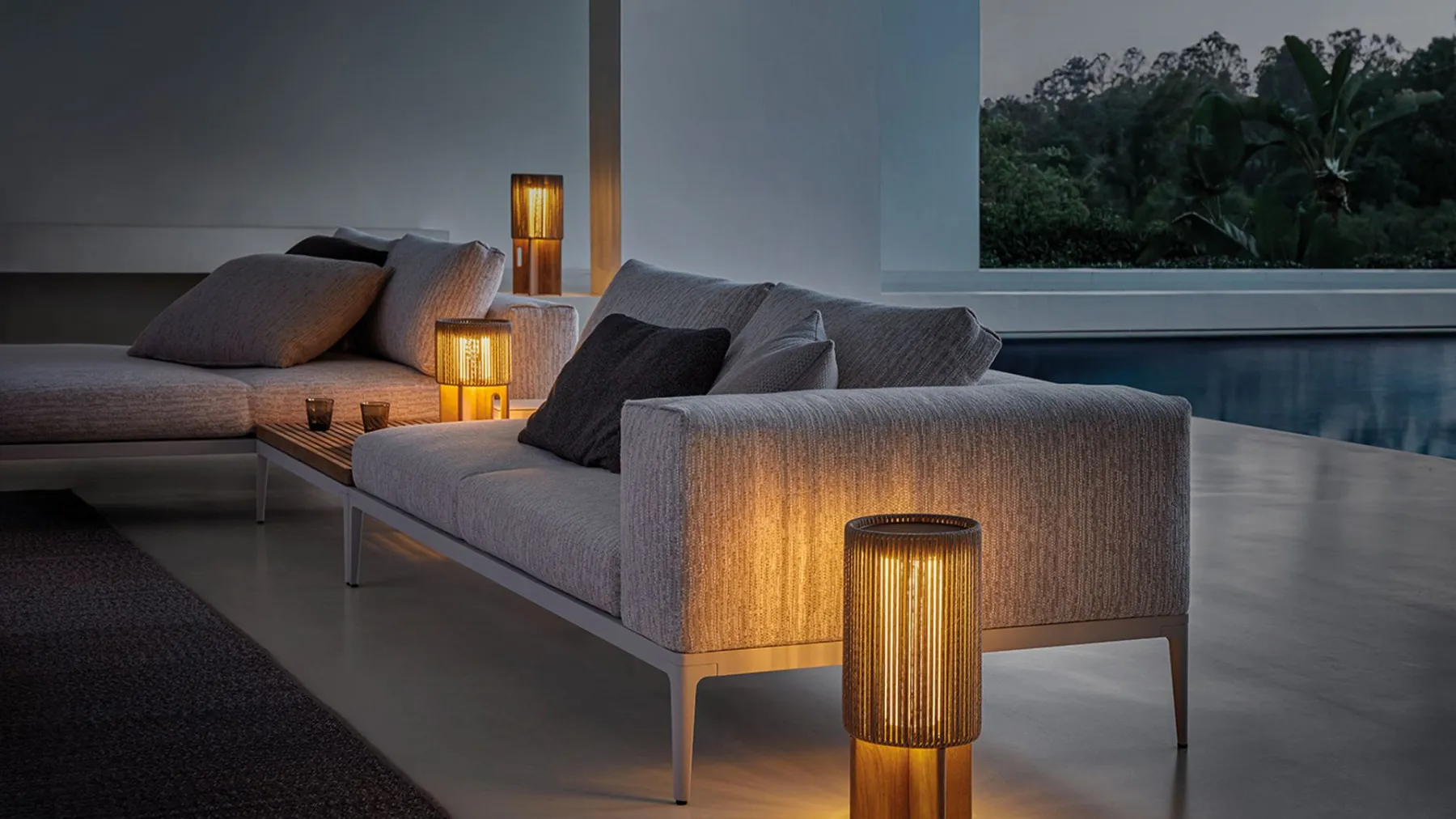
The feeling that every corner was designed to calm you doesn't depend on a five-star budget. It depends on one...
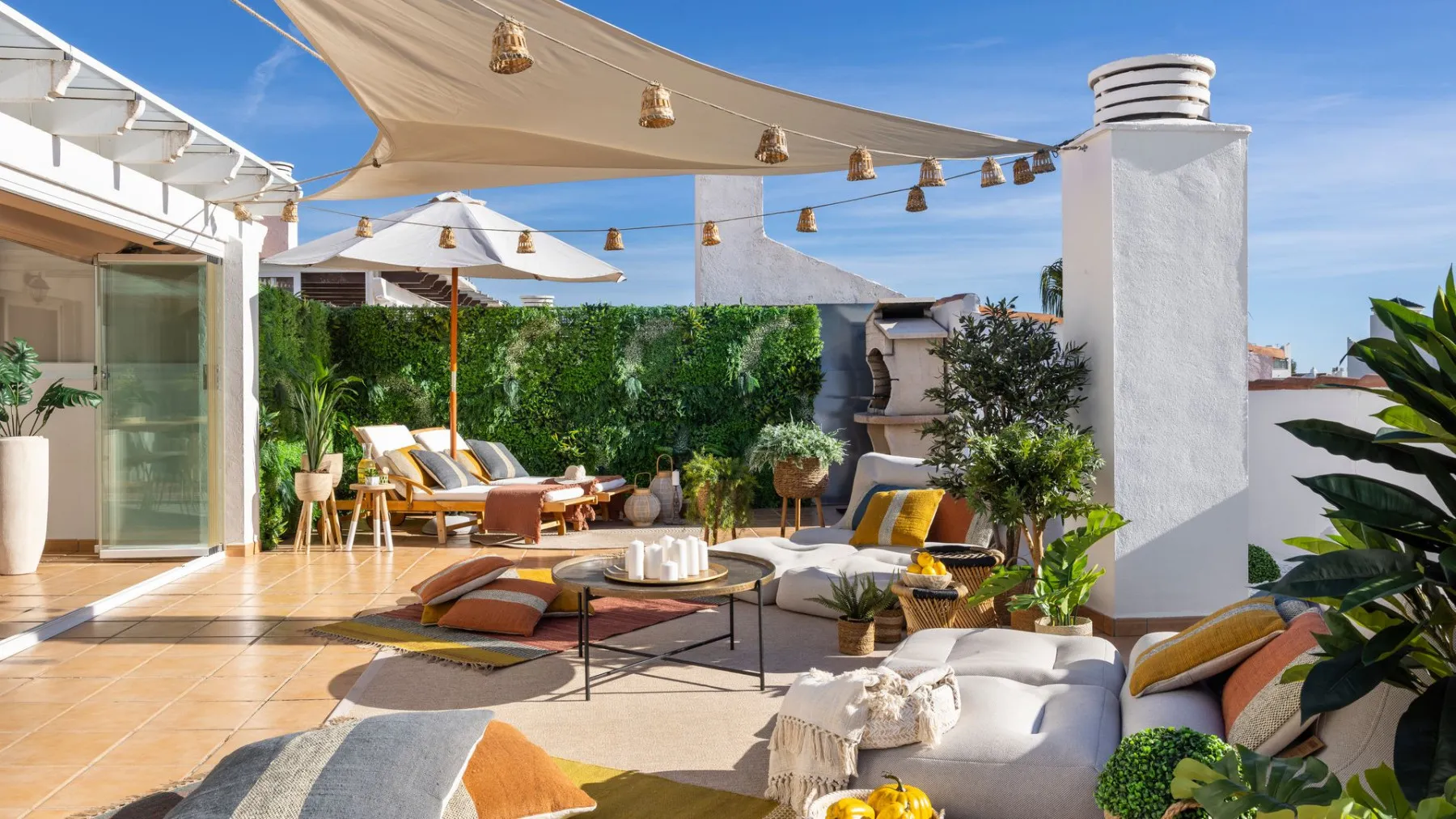
70% of outdoor-space mistakes start before you walk into the shop. A checklist that leans more on Grandma's kitchen than...
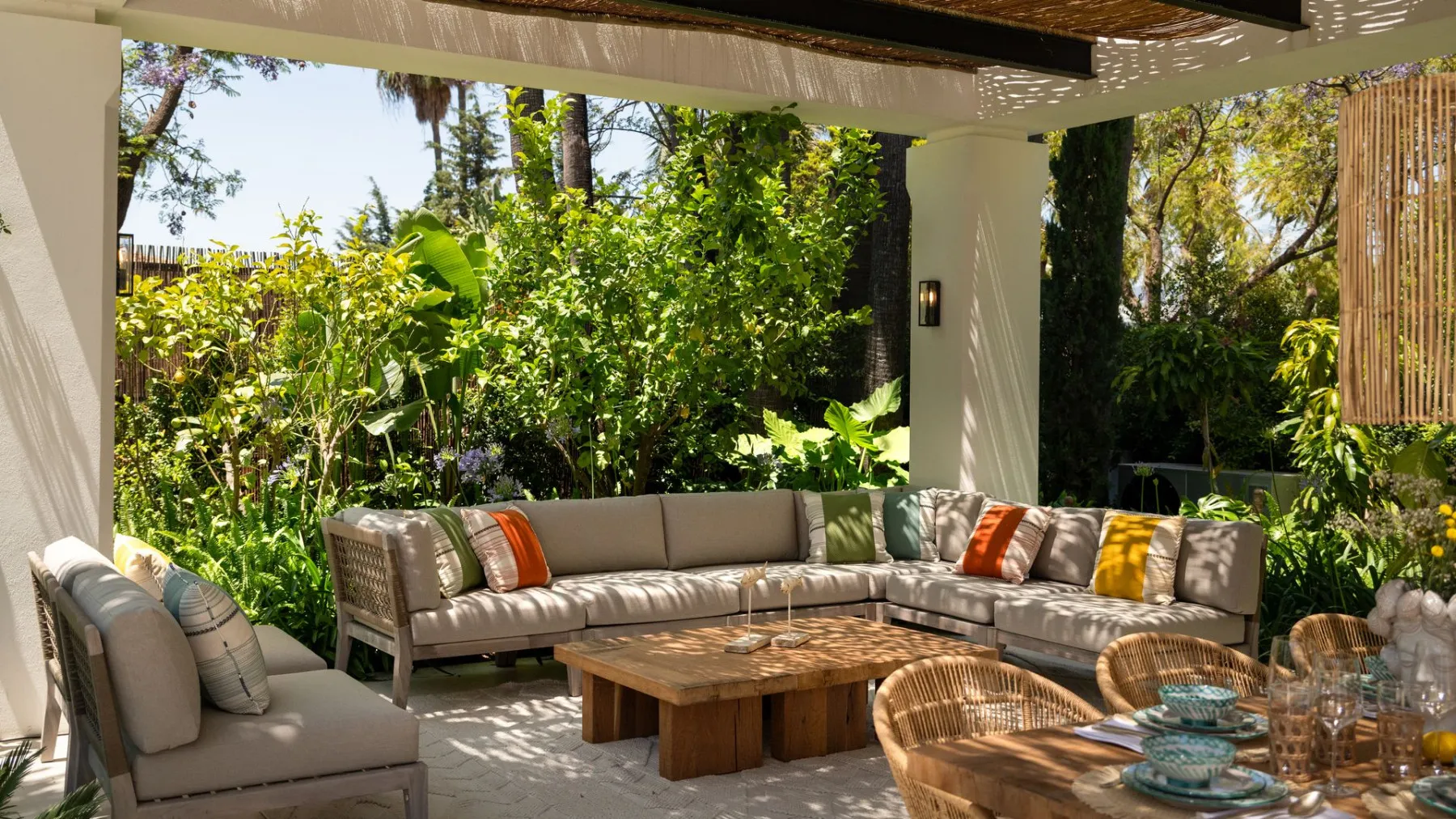
Three-piece sets are done. Experts describe the best 2026 terraces as "spaces gathered over time" - wood plus metal, rattan...
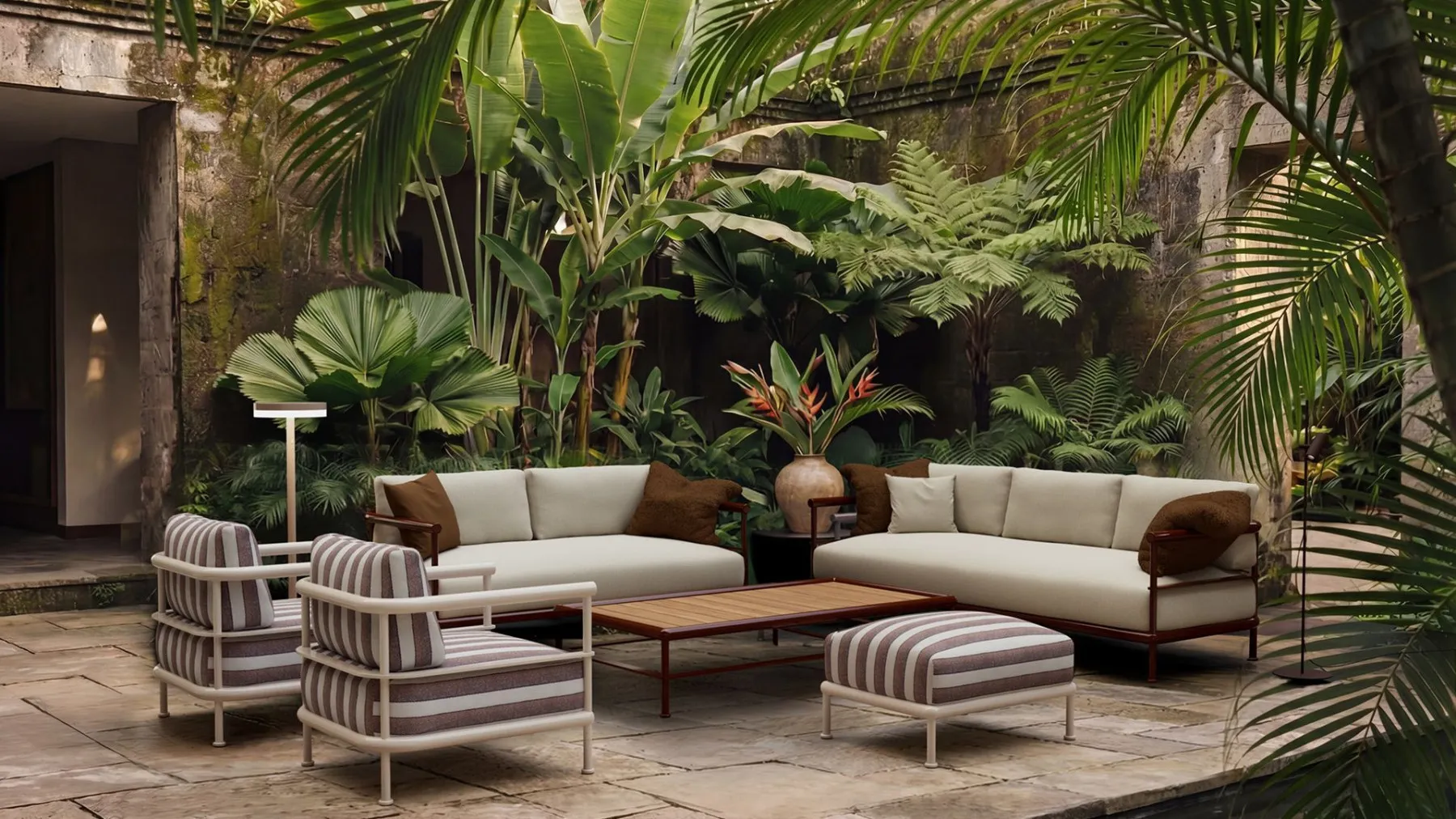
A small space needs more thinking, not less. Analyse before you buy a plant - one mistake and the whole...
This site uses cookies - is that okay? Learn more
Be the first to know when Metla launches something new
Leave your email and we will write when there is a new guide or something new on Metla.