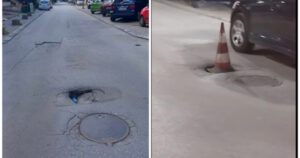
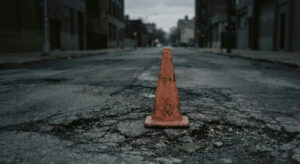
The Skopje Fix: a Pothole in the Middle of the Street "Solved" With a Traffic Cone - the Problem Isn't Repaired, Just Marked
07.07.2026


07.07.2026
07.07.2026
07.07.2026

07.07.2026
07.07.2026

07.07.2026
07.07.2026

06.07.2026

06.07.2026

07.07.2026

07.07.2026

06.07.2026

07.07.2026

07.07.2026

07.07.2026

07.07.2026

06.07.2026

30.06.2026

07.07.2026

07.07.2026

07.07.2026

07.07.2026

07.07.2026

07.07.2026

09.03.2026

27.02.2026

19.02.2026
07.07.2026

06.07.2026

06.07.2026

23.04.2026

23.04.2026

12.04.2026

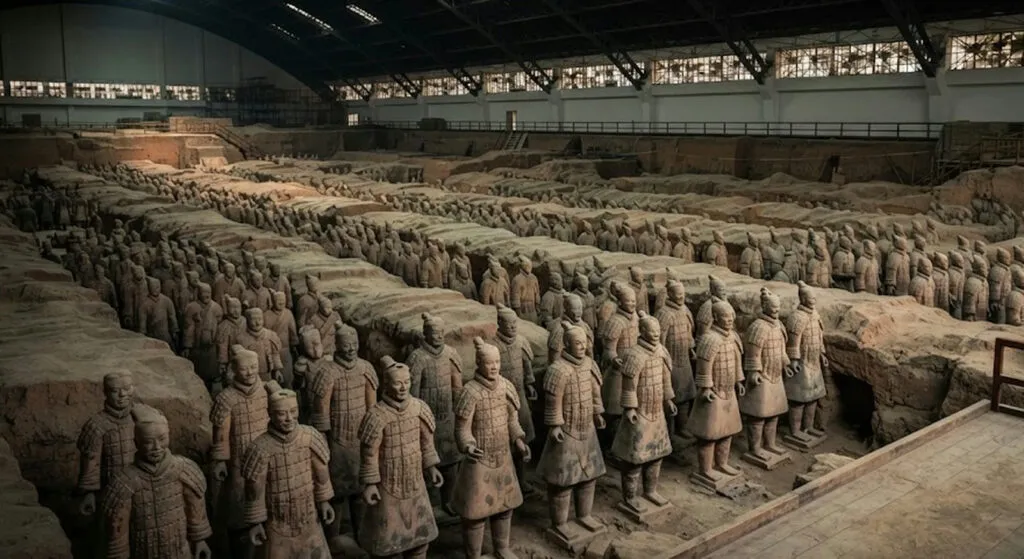
There are places where history is not read in a book but trodden underfoot. The Chinese city of Xi'an is one of them - a former capital of numerous dynasties, the starting point of the Silk Road, and home to one of humanity's greatest archaeological discoveries.
The biggest reason to come here lies buried some twenty kilometers from the city: the Terracotta Army. Thousands of soldiers, horses and chariots, made of clay over 2,200 years ago, fashioned to guard the tomb of the first Chinese emperor, Qin Shi Huang. Each soldier has a unique face - not one is the same. And the most incredible part? The entire army stayed hidden underground until, in 1974, ordinary farmers digging a well struck it by accident. Centuries of silence, broken by a single strike of a shovel.
Xi'an itself is a living museum. The old city is surrounded by 14 kilometers of wall from the Ming dynasty - one of the best-preserved in the world. Inside, the Muslim quarter buzzes with markets and food stalls, and the old Gao house preserves a traditional shadow theater, inscribed in UNESCO's intangible heritage. In the evening, the city turns into a stage where visitors dress in imperial costume inspired by the Tang dynasty.
For the Balkan traveler used to European destinations, China looks distant and inaccessible. But that very distance is the point - this is not a place you see to cross it off a list, but to grasp how old the world is and how small we are in it. The Terracotta Army stood still for 22 centuries waiting for someone to discover it. Some journeys do not ask you to understand them - only to stand before them and fall silent.
The latest 10 news from this category
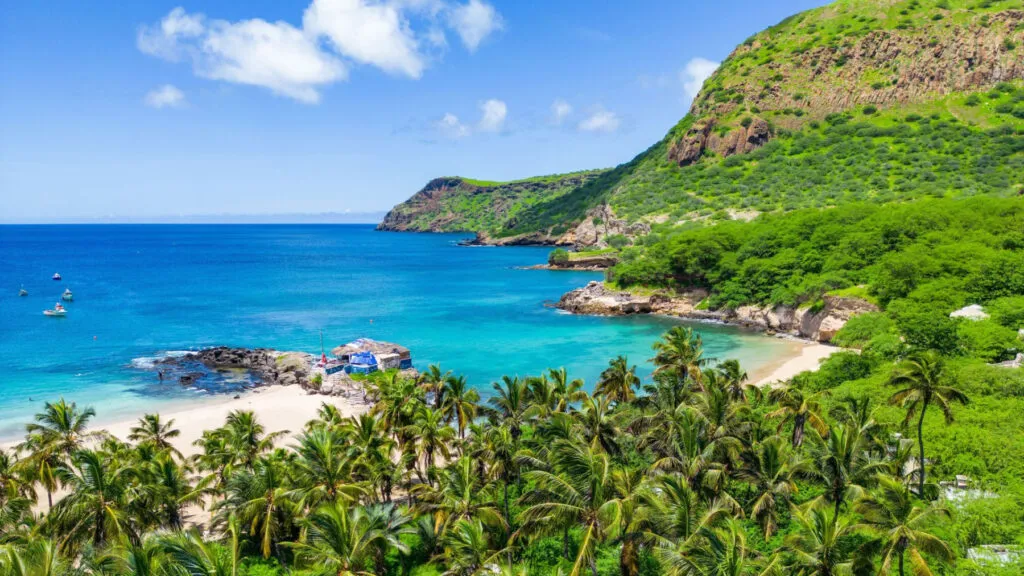
Ten volcanic islands lost in the Atlantic, with Caribbean beaches, African rhythm and a Portuguese soul. One of Africa's best-kept...
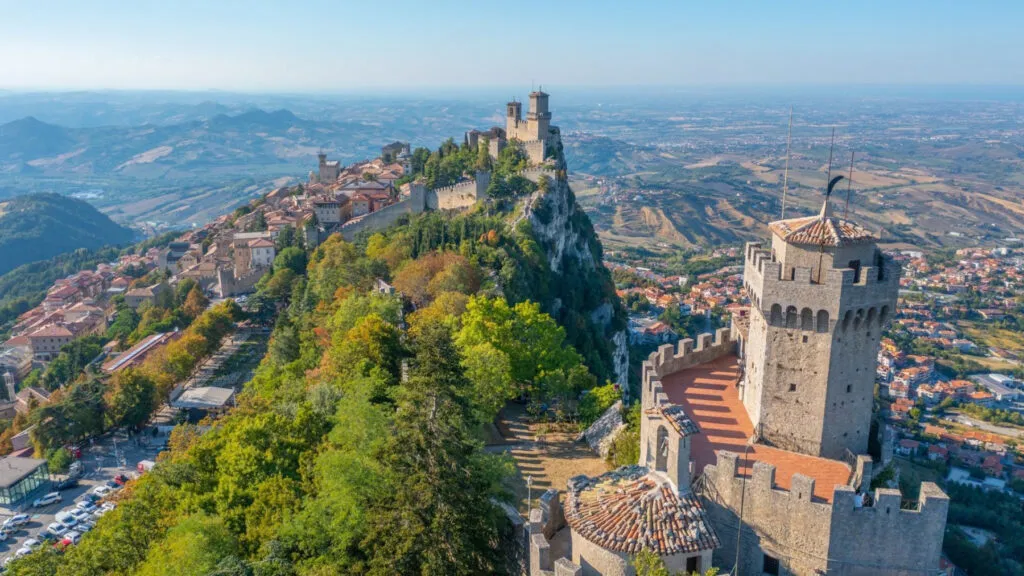
A country of 61 square kilometres wedged in the middle of Italy, which has stayed independent for over 1,700 years....

Passport, international driving permit, green card and the kit your car must carry - plus the new border fingerprints and...
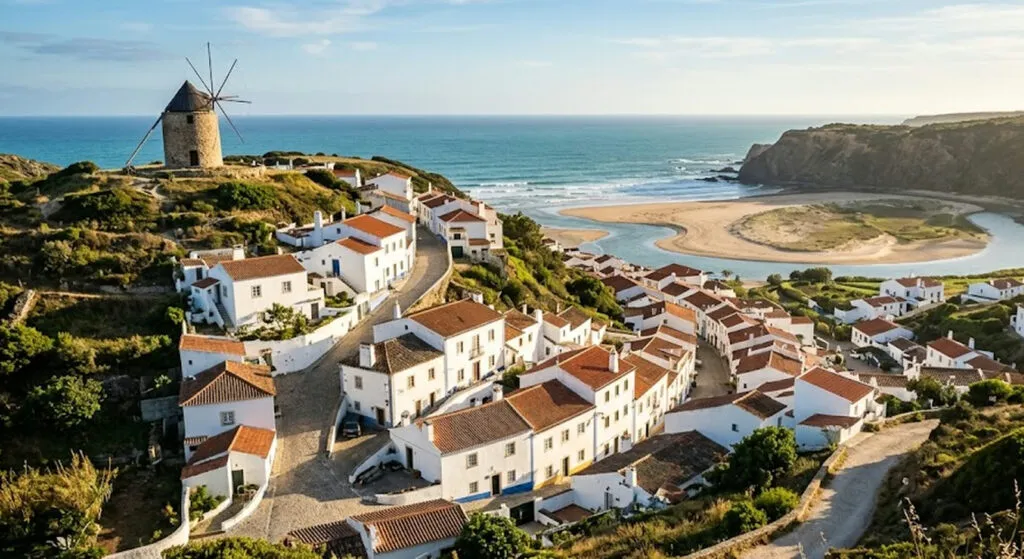
On the northern edge of the Algarve, a village of white houses with an 18th-century windmill and a beach voted...
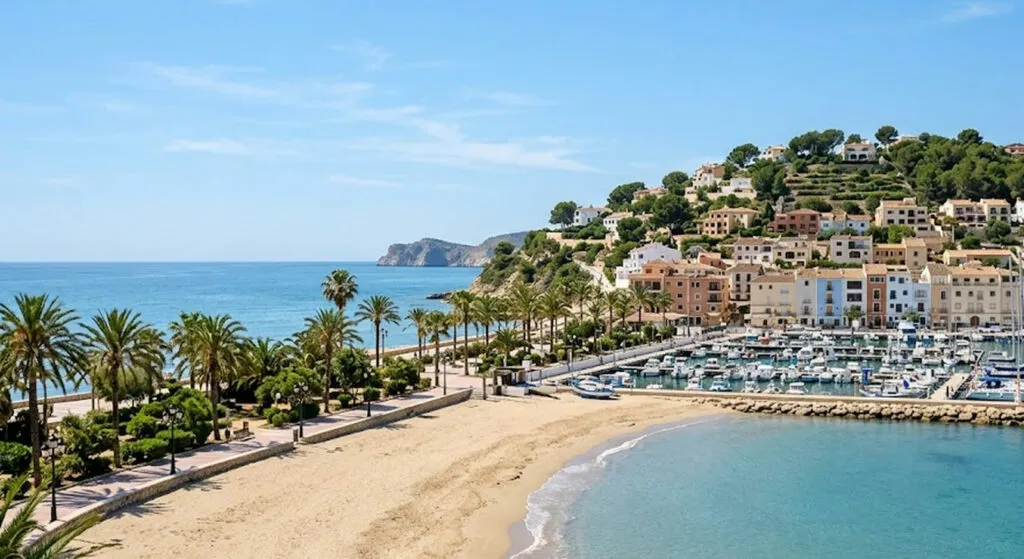
From Altea to Dénia - six Spanish coastal towns worth the detour, away from the packed beaches.
On metla.mk you can now report in five seconds how long the wait is at Bogorodica, Medzitlija or Dojran. One...

A bay near Fajardo where every paddle leaves a glowing trail, a tropical rainforest, coffee plantations and music that never...
The Thessaloniki ring road is shut from Friday 23:00 to Sunday 23:00 for the „Flyover“ works. Here is how to...

From the silence of the Caribbean mangroves to the wild Pacific and the pulse of Mexico City. One journey through...
How long is the wait at the Greek border right now? Metla put the border cameras and a live crowd...
This site uses cookies for anonymous statistics - is that okay?