
Six Years of Fake Licence Categories Issued From an Interior Ministry Desk: Six Charged, 21 More Under Investigation
21.09.2026


21.09.2026

21.09.2026

21.09.2026

21.09.2026

21.09.2026

21.09.2026

21.09.2026

20.09.2026

20.09.2026

21.09.2026

21.09.2026

20.09.2026

21.09.2026

21.09.2026

21.09.2026

21.09.2026

20.09.2026

19.09.2026

21.09.2026

21.09.2026

21.09.2026

21.09.2026

21.09.2026

21.09.2026

09.03.2026

27.02.2026

19.02.2026

21.09.2026

21.09.2026

20.09.2026

23.04.2026

23.04.2026

12.04.2026

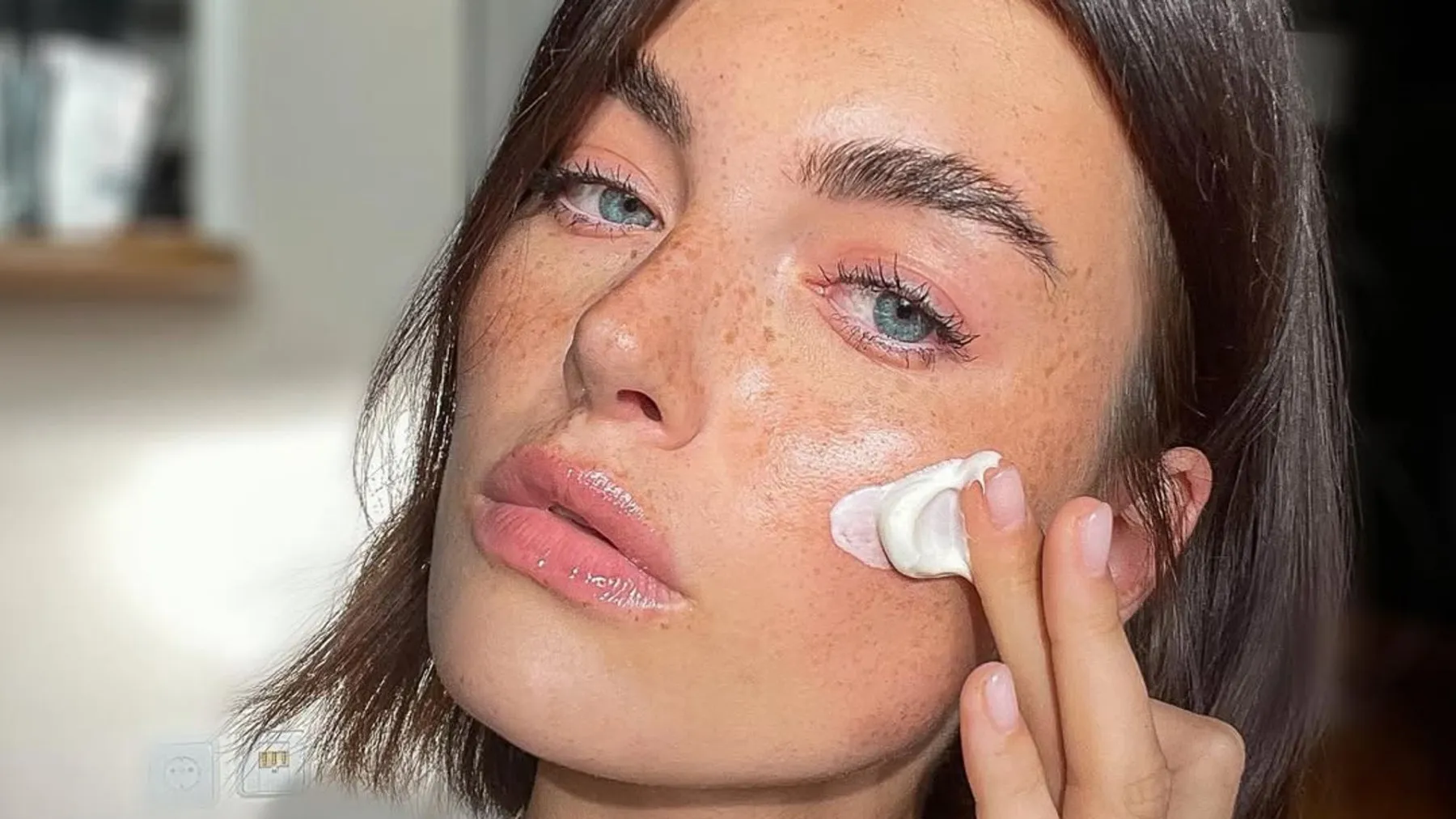
The skincare industry wants us to believe that more means better - more acids, more retinoids, more peels. Biochemist Paula Rodriguez tears down that myth with a single sentence: "The skin has a memory. When we overdo it with acids or retinoids, its defense mechanism is disrupted."
The problem, she says, is that many interpret irritation as proof the product works. In fact it is the opposite - redness, tightness and peeling are a cry for help, not a sign of success. We live in an "era of overexposure": pollution, blue light from screens, stress. Each of these small aggressions accumulates, and the skin becomes hypersensitive.
Chronic inflammation is the vicious circle. It weakens the skin, is linked to oxidative stress, collagen breakdown and premature aging. According to the data, over 70 percent of adults report sensitive skin - in large part precisely because of aggressive formulas and excessive cleansing that damage the protective barrier.
How to recognize overloaded skin? Dryness and discomfort even though the skin looks fine; makeup that does not sit evenly; more pronounced fine lines; a dull complexion that does not respond even to a good night's sleep; tightness and sensitivity. If this sounds familiar, you probably do not need yet another expensive serum - but a break.
The solution Rodriguez recommends is the opposite of everything the ads whisper to you: simplify. A gentle cleansing gel, a neutral moisturizer, sun protection. Bring back active ingredients carefully - one product every 48 hours. Useful allies are niacinamide, ceramides, centella asiatica, hyaluronic acid and panthenol. Sometimes the best thing you can do for your skin is to stop doing so much to it.
The latest 10 news from this category

Three days in a lab coat with colorimetry scientists to produce a collection in lime and tangerine. The design director...
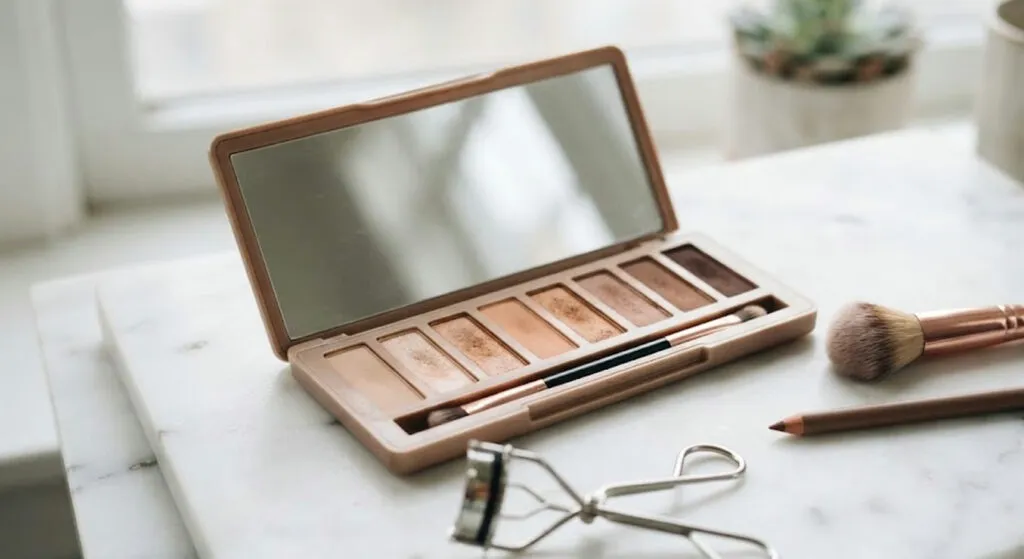
Cream concealer instead of powder, a brown pencil instead of black eyeliner, and a curler before the mascara. Not one...

A boat-neck gown and wildflowers that deliberately refuse to compete with the jewellery. A fourth generation under the same diadem,...

A communications expert says the trouser suit sidesteps sexist readings of hemlines and necklines. The same expert warns that the...
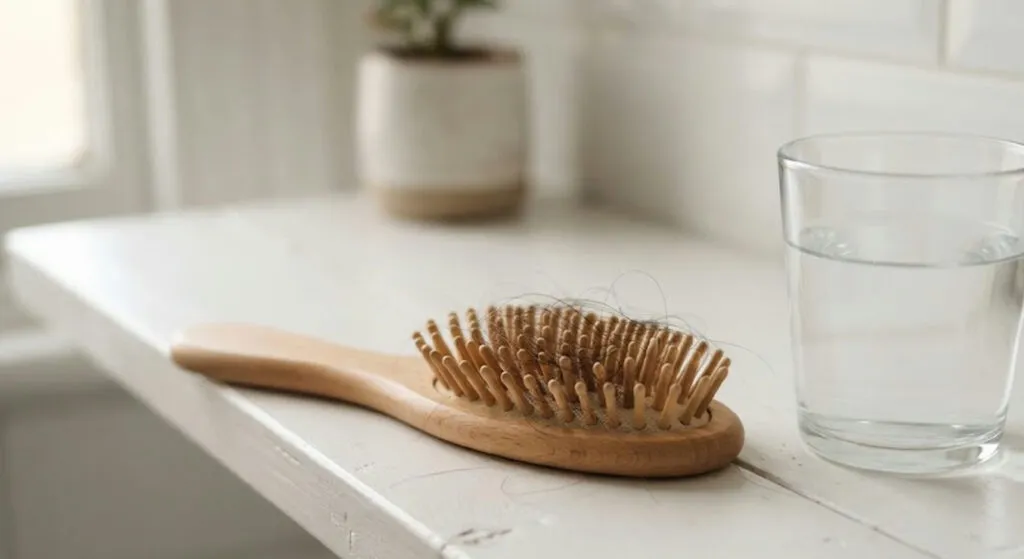
Dermatologists explain why the shedding arrives with a two to three month delay and why iron and vitamins do not...

Silk bambula muslin, a hand-draped waist and a veil of crystal organza. The wedding was held in Cadiz, where the...

An industry that spent decades selling a flawless illusion is suddenly showing the shoot itself. That is not candour -...

The classic bob promised one perfect day. This version works against the salon business model - and that alone is...

The crowns were held by four men who would all later sit on thrones of their own. Nobody in that...

Kate Middleton dropped the beige and the same cut suddenly looked twice as expensive. The industry sells a new silhouette...
This site uses cookies - is that okay? Learn more
Be the first to know when Metla launches something new
Leave your email and we will write when there is a new guide or something new on Metla.