

UGD's E-Transcripts Were "Fixed" for Money for Five Years: Two Employees Held in Custody
05.11.2026


05.11.2026

05.11.2026

05.11.2026

05.11.2026
05.11.2026

05.11.2026

05.11.2026

04.11.2026

03.11.2026

05.11.2026

05.11.2026

04.11.2026

05.11.2026

05.11.2026

05.11.2026

05.11.2026

04.11.2026

03.11.2026

05.11.2026

05.11.2026

05.11.2026
05.11.2026

05.11.2026

04.11.2026

05.11.2026

04.11.2026
03.11.2026

23.04.2026

23.04.2026

12.04.2026

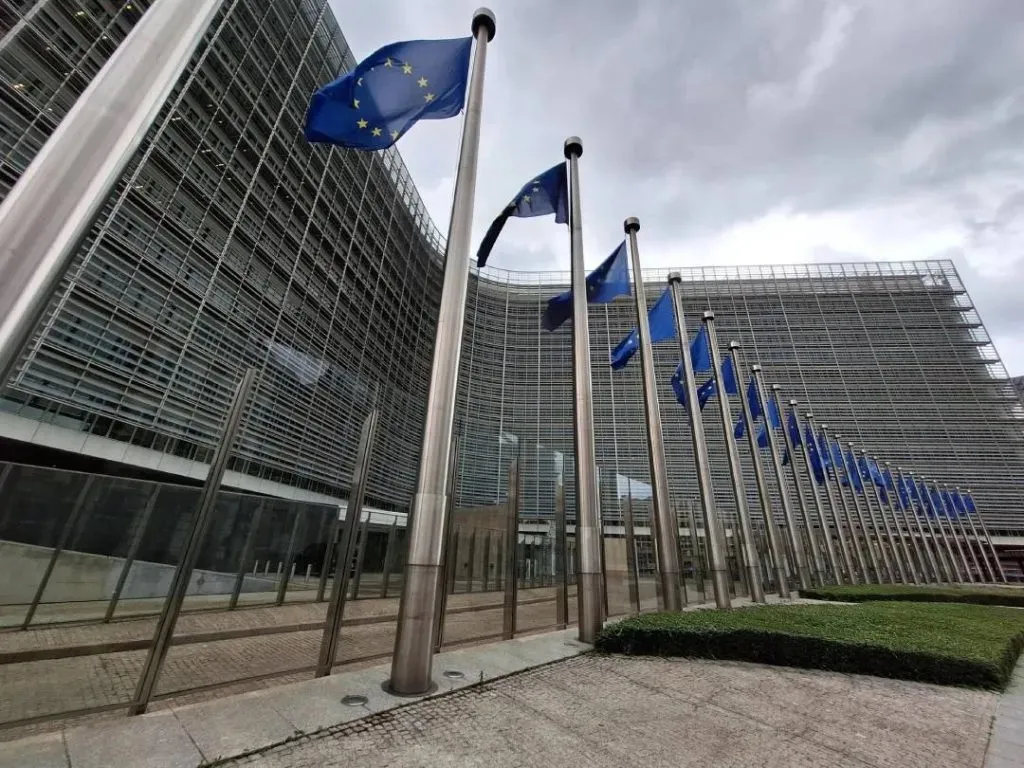
If you had to pull one phrase out of the European Commission's new report on Macedonia, it would be "no progress". It is repeated more than 30 times: on electoral reform, on the fight against corruption, on freedom of expression. And, of course, on the constitutional changes.
The wording on the Constitution is unambiguous. According to the Commission, during the reporting period "no attempts were made" to adopt the changes stemming from the EU Council conclusions of 18 July 2022, under which Bulgarians are to be included in the Constitution. Brussels isn't changing anything: the condition remains a condition.
The name on a page of the report
In the section on relations with Greece, the Commission writes that members of the government and senior officials in certain cases do not respect the Prespa Agreement, "including by not using the constitutional name of the country, which risks affecting good-neighbourly relations". No names are mentioned.
The context, however, is familiar. On 15 December 2025 prime minister Hristijan Mickoski said "we brought back" the name, pointing out that SDSM leader Venko Filipče and other opposition figures also use "Macedonia" in public appearances. Two days later the Greek Foreign Ministry reacted. The issue first opened in May 2024, when president Gordana Siljanovska-Davkova used "Macedonia" in her spoken oath and the Greek ambassador walked out of the hall.
The irony is hard to miss. A report that writes "no progress" on corruption finds room to note what politicians call their own country. Is that really the biggest problem of a country that has been standing at the EU's door for more than two decades?
Corruption: widespread and a serious concern
The assessment of corruption is much harsher. Macedonia is rated between "some" and "moderate" level of preparation, with no progress in the reporting period, and according to the document corruption remains widespread and is a serious concern. The Commission singles out the amendments to the Criminal Code from January 2026: in its view, they did not remove the negative consequences of the 2023 amendments and contributed to legal uncertainty.
There is also no progress on electoral reform in line with OSCE/ODIHR recommendations, or on tackling electoral disinformation and foreign information manipulation. The 2025 local elections were assessed as competitive, but held in a polarised atmosphere and with procedural shortcomings. Of 309 mayoral candidates, only 32 were women, and four women mayors were elected.
The Commission does register some movement: the roadmap for public administration reform has been adopted, and work continues on the roadmaps for the rule of law and the functioning of democratic institutions. Technically, the process is moving. Politically, it's standing still.
The government will quote the reforms, the opposition will quote the blockade, and both will find a sentence for themselves. The report is a mirror, not a map. The question is whether anyone in Skopje will read all of it - or once again only the pages that suit them.
The latest 10 news from this category
The opposition accuses the local self-government minister of glorifying a convicted war criminal, ties to Serbian intelligence structures and threats...
DUI took Brvenica, and for VMRO-DPMNE the result is "more than excellent" - even though its coalition partner VLEN ended...
The rules are good, the services don't cooperate, so let's delete the rules. The opposition asks why the Coordination Council...

The opposition announces an interpellation and demands an investigation, the governor answers with "Is that clear now?" How long the...

Mickoski counts a gain of 1,200 votes since the first round, but he doesn't have Brvenica. "Alone against everyone" sounds...

The opposition claims it warned for months, the prime minister leaned on the National Bank's checks. Somebody vetted the bank...

On 1 November Sofia elects its head of state. The debate was a squabble over who deserves the credit for...
At his closing rally he talked about unity and institutions that serve the citizen. Then, from the stage, he pointed...

On television, a bishop wished one party the longevity of a president for life and accused journalists of financial interest....
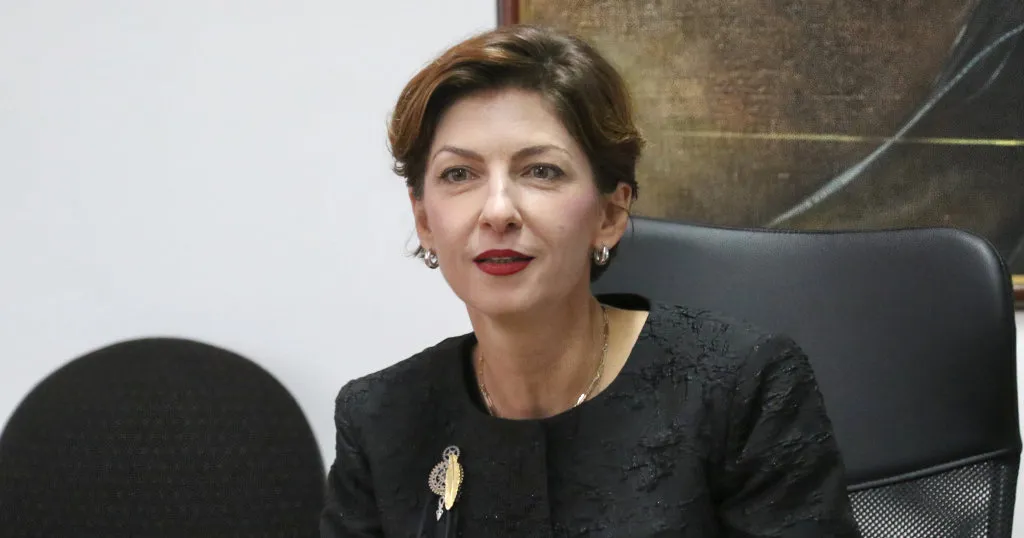
Iskra Hadži Vasileva is the new head of the Organized Crime Prosecutor's Office, chosen by her colleagues rather than by...
This site uses cookies - is that okay? Learn more
Be the first to know when Metla launches something new
Leave your email and we'll write to you when there's a new guide or something new on Metla.