
Mickoski Said the Sentence Sofia Doesn't Want to Hear: "We Have a Bilateral Dispute"
27.09.2026


27.09.2026

27.09.2026

27.09.2026

27.09.2026

27.09.2026
27.09.2026

27.09.2026

26.09.2026

25.09.2026

27.09.2026

27.09.2026

26.09.2026
27.09.2026

27.09.2026

27.09.2026

27.09.2026

26.09.2026

25.09.2026

27.09.2026

27.09.2026

27.09.2026

27.09.2026

27.09.2026

27.09.2026

09.03.2026

27.02.2026

19.02.2026

27.09.2026

26.09.2026

25.09.2026

23.04.2026

23.04.2026

12.04.2026

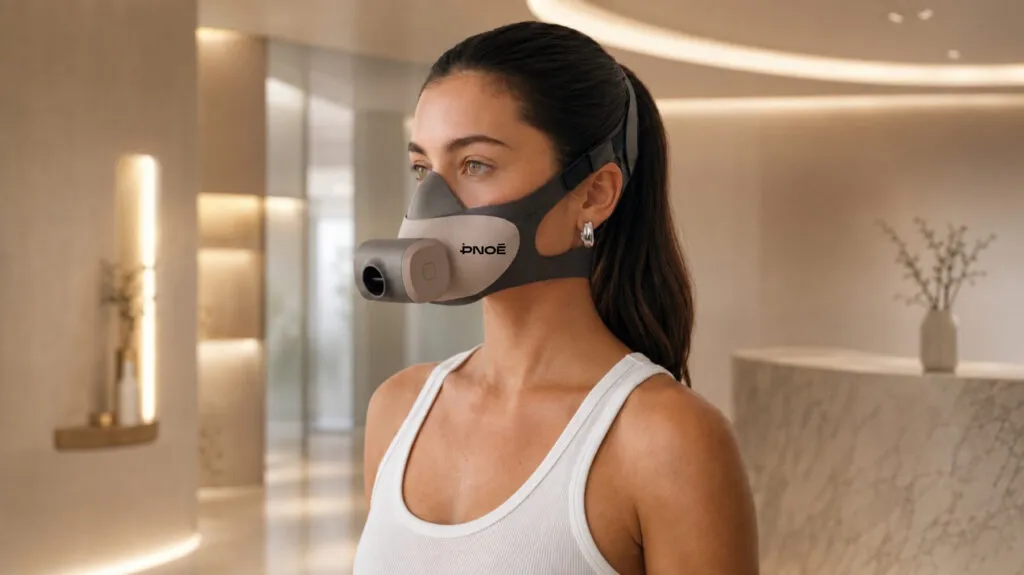
At first glance, the new device from PNOĒ looks like the mask worn by Bane, the villain from "Batman." It covers the nose and mouth, straps behind the head and looks like a comic-book prop. Its purpose is far more harmless: it measures how much oxygen you use and how much carbon dioxide you breathe out, then turns that into advice on how to eat, how to train and, as the company hopes, how to live longer.
The company is headquartered in Malden, Massachusetts, but also has operations in Athens - which is where CEO and co-founder Apostolos Atsalakis spoke to the media over Zoom. On October 1 it launches PNOĒ 2.0, whose main novelty is that anyone can take the test on their own. "You just put on the mask, press the button, sit down" and breathe for eight minutes, Atsalakis explains. "That's it. It's that easy." The current device needs a trained operator, which limits where it can be used. The self-service version, he says, opens the door to gyms without specialized staff, and perhaps to pharmacies.
The science behind it isn't new. Metabolic testing, which analyzes the gases in your breath to show how the body produces energy, has existed for more than a century and has been the gold standard for measuring VO₂ max - the maximum amount of oxygen the body can use during exertion - for decades. The problem was always the equipment: bulky, expensive and locked away in sports labs and hospitals. That's why the test has so far been a privilege of elite athletes and executive wellness programs. PNOĒ, which has been around for ten years, promises the same accuracy in a portable package, with software that translates the results into recommendations.
The device measures 23 biomarkers, including, besides VO₂ max, resting metabolism (how many calories the body burns at rest) and metabolic flexibility (how easily the body switches from burning fat to burning carbohydrates). Atsalakis says VO₂ max is the strongest indicator of human longevity, and in recent years the term has become a buzzword among the longevity-obsessed, in a booming wellness industry. The new device is smaller, with fewer parts, designed with Milan's Design Group Italia through, as he puts it, "many, many, many iterations." It also answers the question everyone has asked since the pandemic: who wore it before you? The electronics detach from the silicone mask and straps, so the expensive hardware is shared, while everyone gets their own mask.
Here comes the fine print. The device is not approved by the US Food and Drug Administration (FDA), and Atsalakis is clear: "We don't give medical recommendations." The company positions itself as a wellness device. "It's like a body composition device, like a scale," he says. "A doctor can't prescribe a drug based on our results." Atsalakis believes the growing database could one day detect diseases, but admits real diagnoses are "definitely a few years away," and regulators will probably push that timeline out further. "We're not there yet." Lab-grade precision when it's being sold, a bathroom scale when the question of liability comes up.
PNOĒ sells only to businesses, which then offer the test to their customers: the Equinox gym chain, which has the device in almost every club, Four Seasons hotels, Red Bull, the NBA, the Mount Sinai health system. Subscriptions range from 400 dollars (about 350 euros) to over 1,000 dollars (about 880 euros) a month, including hardware, software, training and marketing materials - a "business in a box," as Atsalakis calls it. About 85 percent of the business comes from the US, which he calls "by far the most advanced market" for longevity. Now the company is expanding in Europe.
The company's roots lie in the PhD in sensor technology that Atsalakis did at the University of Cambridge. He founded it with Panos Papadiamantis, a childhood friend who is now chief product officer. They went through Y Combinator in winter 2019, when longevity wasn't yet an industry. So far they've raised about 22 million dollars (about 19 million euros), 11 million of it in a recently closed round, backed among others by the 50 Years fund and by Google Maps co-founder Lars Rasmussen, who himself now lives in Athens. With 110 employees, the firm says it recently became profitable and is growing more than 100 percent a year, and it plans a Series B within the next six to twelve months.
The idea was born in Cambridge, the design was done in Milan, part of the work is run from Athens, and the address and 85 percent of the business are in America. That's what the map looks like for a team with Balkan roots building a global product. Will we ever see the reverse map - American money, with the headquarters here?
The latest 10 news from this category
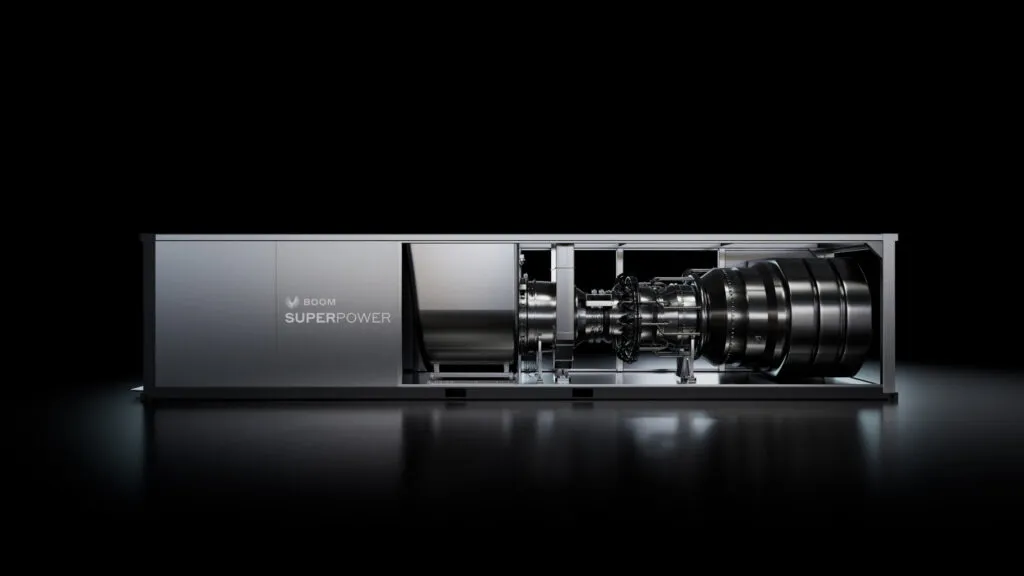
The supersonic jet maker wanted to fund its planes with electricity for data centres. Its launch partner walked away before...

You say what you want, the machine builds the app - and investors are paying more and more for it....
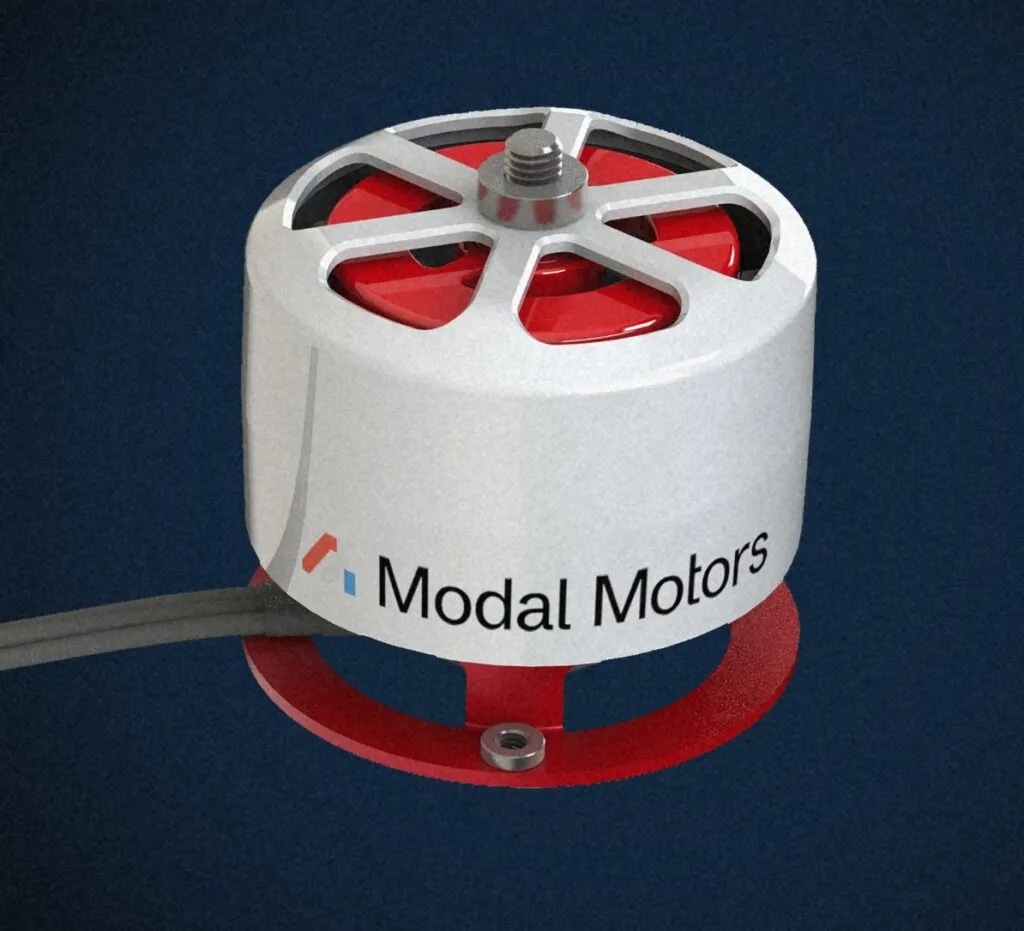
While others copy Chinese motors on American soil and wait for domestic magnets, Modal Motors is taking rare earths out...

The labs have hit the limit of what can be scraped off the internet for free, so now they buy...

The 50-megawatt reactor is due to start up in 2030, and by 2035 Google wants 500 megawatts. When data centres...
Tinex, SuperTinex, Konto and Spot move to a Pristina-based group with 235 million euros in turnover. The commission saw no...
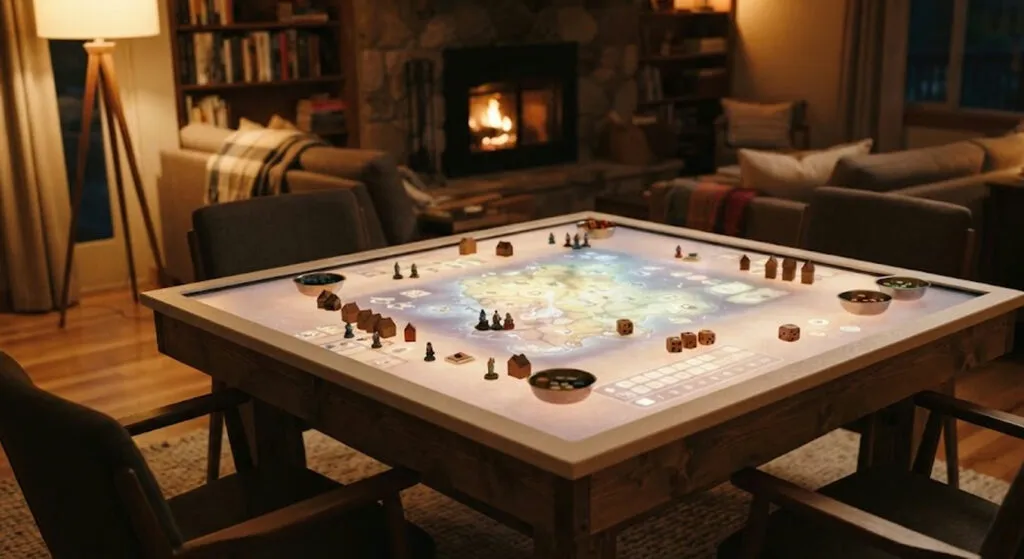
The WHO has declared loneliness a global health problem linked to around 870,000 deaths a year. On America's east coast...
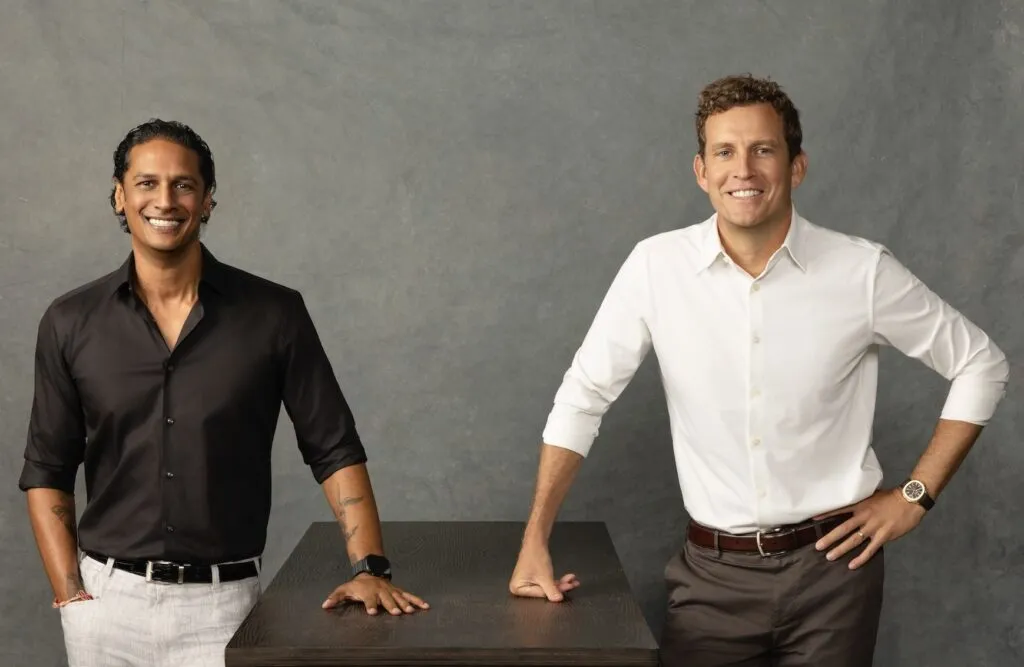
Porsche, Alaska Airlines and J.B. Hunt are not buying startups - they are commissioning them. When innovation moves inside the...

Sold for two billion, blocked by the state, bought back by its own investors - and now worth twice as...
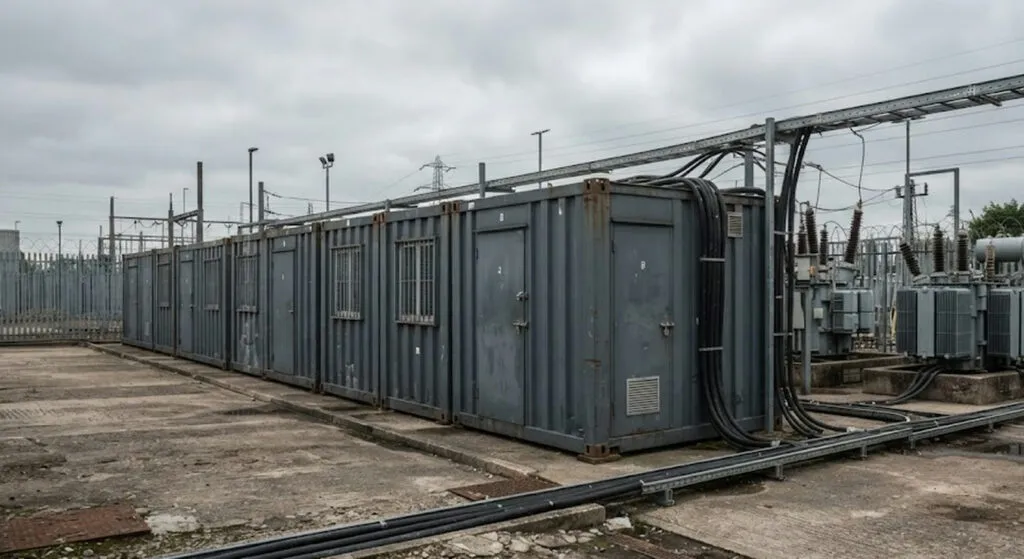
An eight-year-old firm that started out mining crypto has tripled its value in ten months. It did not discover anything...
This site uses cookies - is that okay? Learn more
Be the first to know when Metla launches something new
Leave your email and we will write when there is a new guide or something new on Metla.