The Balkans In The Red: 90% of Europe Breathes Bad Air - We Pay With Our Lives
06.05.2026


06.05.2026

06.05.2026
06.05.2026
06.05.2026
05.05.2026
04.05.2026

06.05.2026

06.05.2026

05.05.2026

06.05.2026

06.05.2026

06.05.2026

06.05.2026

05.05.2026
04.05.2026
06.05.2026

06.05.2026

06.05.2026

06.05.2026

06.05.2026

06.05.2026

09.03.2026

27.02.2026

19.02.2026

14.04.2026

07.11.2025
07.11.2025

23.04.2026

23.04.2026

12.04.2026
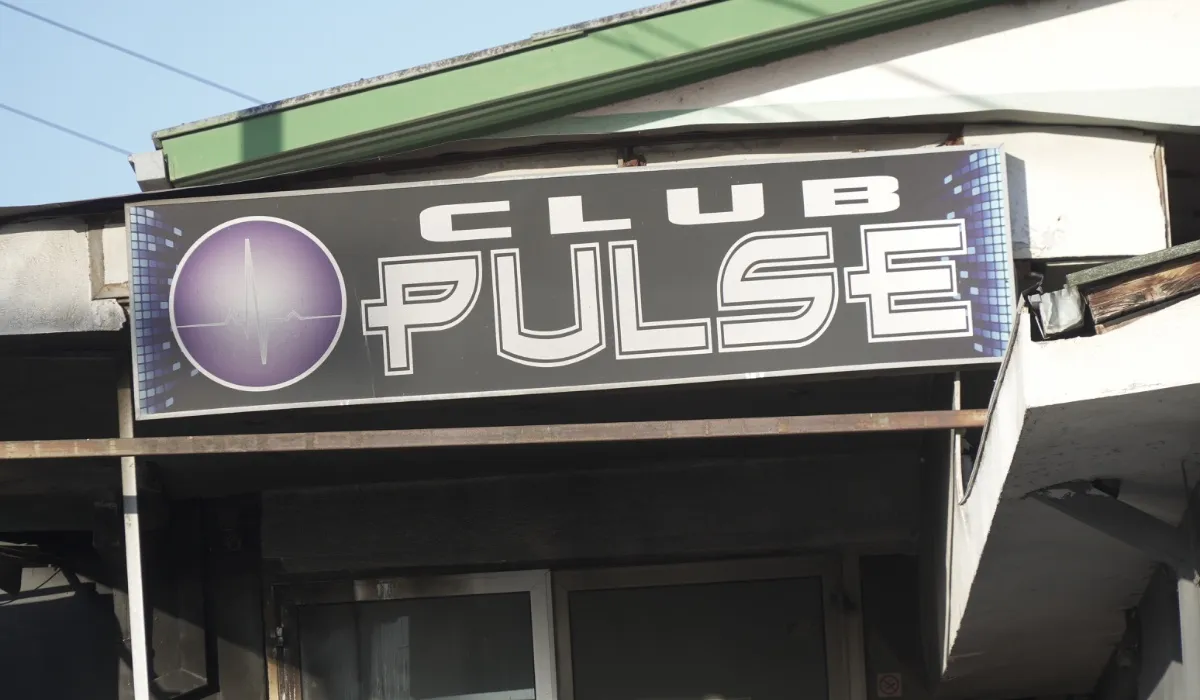
At the trial over the fire at Kočani's „Pulse" club, the prosecution presented physical evidence that throws an even darker light on what happened that night. Among them - drops of burning sponge material found on the jacket of singer Andrej Gjorgjievski. The same drops were found on the victims.
At Tuesday's hearing the court was shown:
A burnt-out receiver for activating a pyrotechnic device. Unused pyrotechnic charges. Batteries. A black backpack with equipment. A photo album with 92 pictures from the scene - including the interior layout, the stage setup, and the bars on the windows. Three empty fire extinguishers.
And the doors. „Double-leaf aluminium dividing doors, and a side door with no lock, fitted with a closed padlock and metal rings." That's a quote from the prosecution file - not from some weekend tabloid.
Forensic analysis showed that the burning sponge produced hot droplets. They were found both on parts of the victims and on the clothes of the singer Gjorgjievski. The distance between the stage and the ceiling - about 2.7 metres. The pyrotechnic fountains - with a range greater than that distance.
What does that mean? That someone set off pyrotechnics in a space where everyone clearly knew the ceiling was too low. With sponge on the walls. With evacuation doors padlocked. With empty fire extinguishers. With an activation receiver that itself burned in the fire.
This isn't an „accident". This is a chain of conscious decisions - and even today the question of who's responsible remains open. Who installed the pyrotechnics? Who approved the sponge as acoustic lining? Who locked the doors? Who answers for the empty extinguishers? Who allowed an event without a fire-safety permit?
For the families of the 62 victims, each new hearing is the wounds being torn open again. For the Macedonian judiciary, each new hearing is a test of whether the „Pulse case" will be a real trial - or a show process with a handful of obvious culprits and many protected people standing behind them.
The drops of burning sponge on Gjorgjievski's jacket are not just physical evidence, they're symbolic. They testify to the silence of everyone who knew the venue wasn't safe - and yet went on playing, selling tickets, charging admission.
The question isn't just „who lit it". The question is „who stayed silent" - and whether they will answer to the same degree.
The latest 10 news from this category
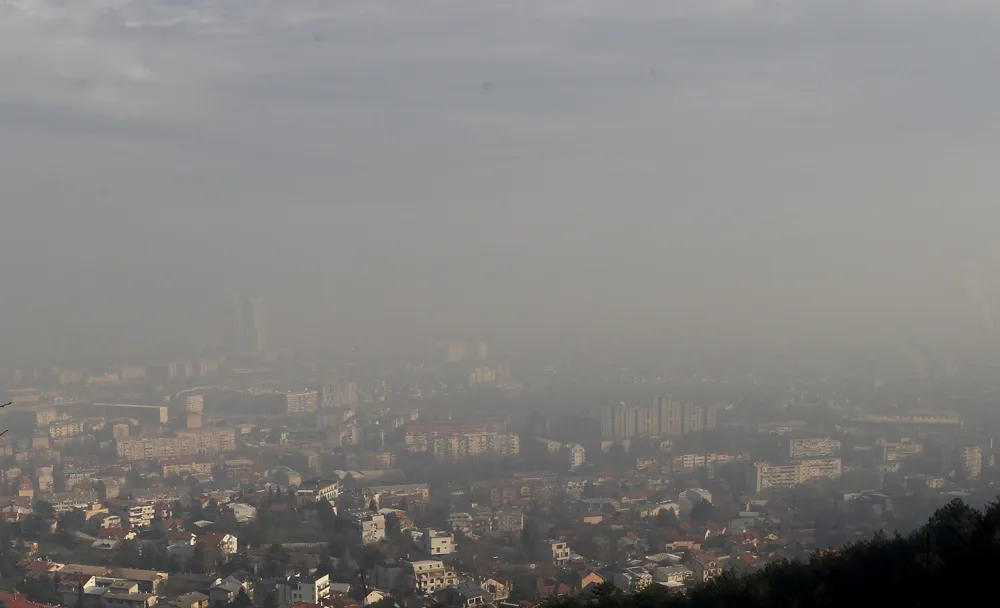
Italy at 117 µg/m³ leads the death stats. Macedonia and the region blow past every threshold. And who ever said...
Military-tech cooperation, infrastructure, AI, education. Belgrade plays a different geopolitical hand than Skopje. What are we doing - apart from...
He tried to break into St. George's church. He failed. He ran. He got stuck on the fence of the...
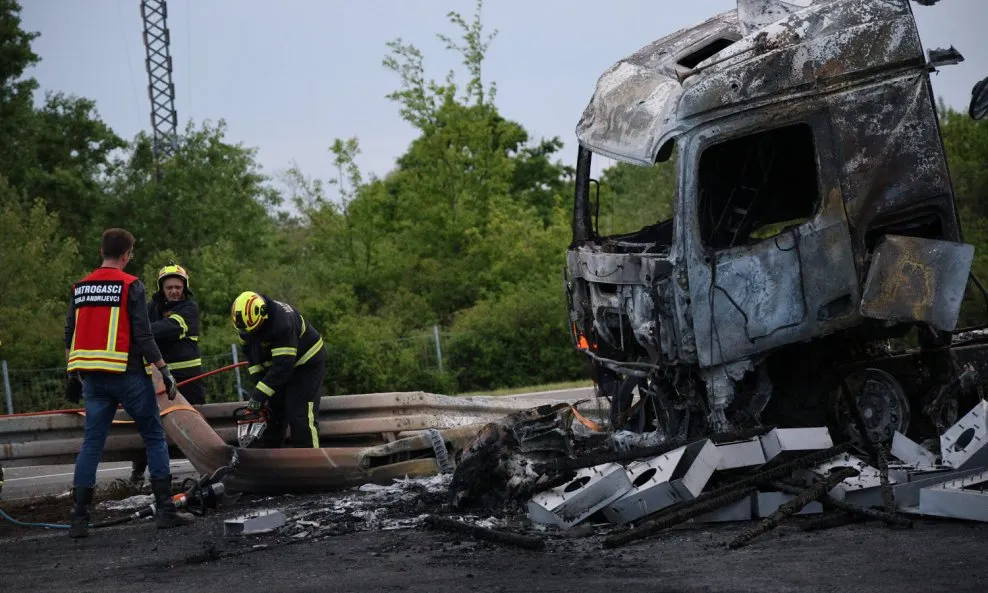
A truck with Macedonian plates flies off the A3 near Sredanci, catches fire, the driver dies in the cab. An...
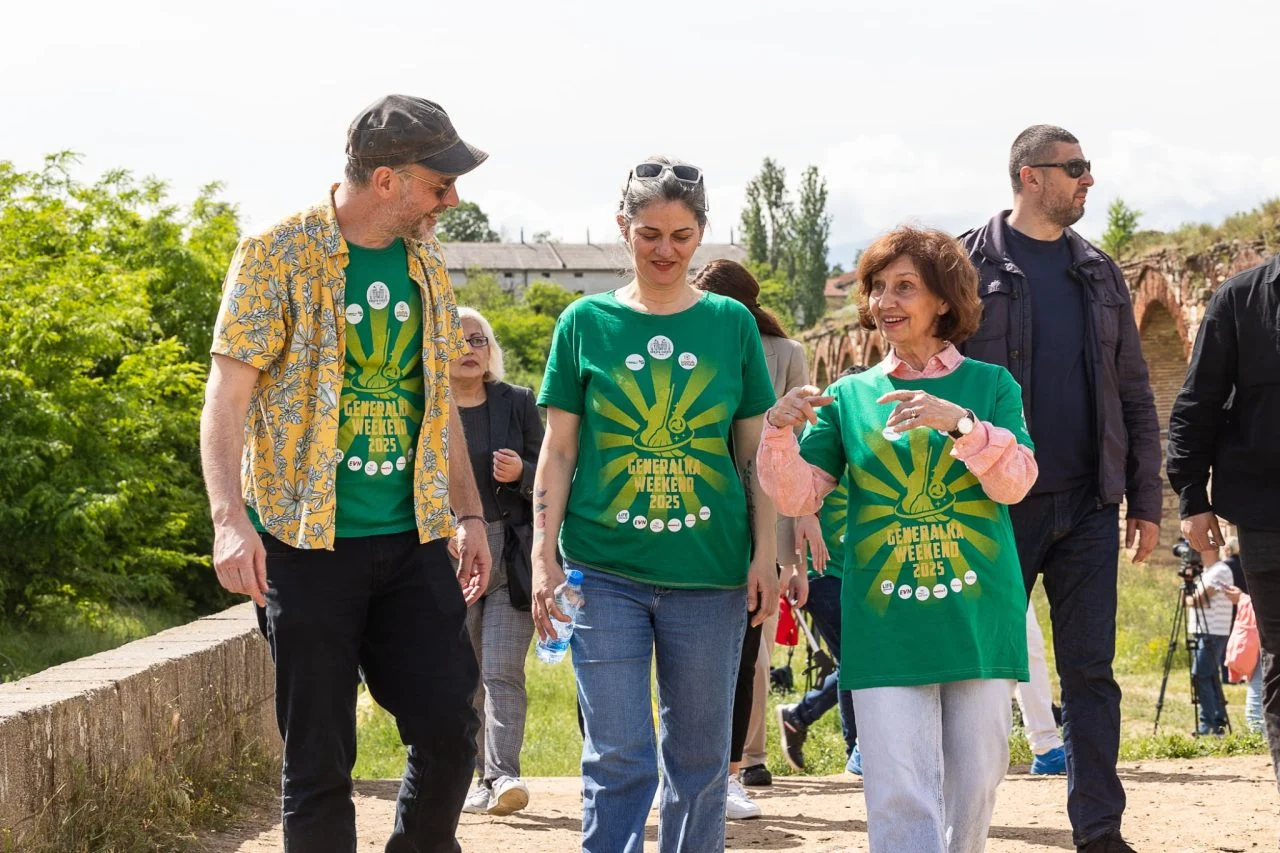
80 municipalities, 500 locations, tens of thousands of volunteers. Invisible civic labour. And the question: why do we need 20...
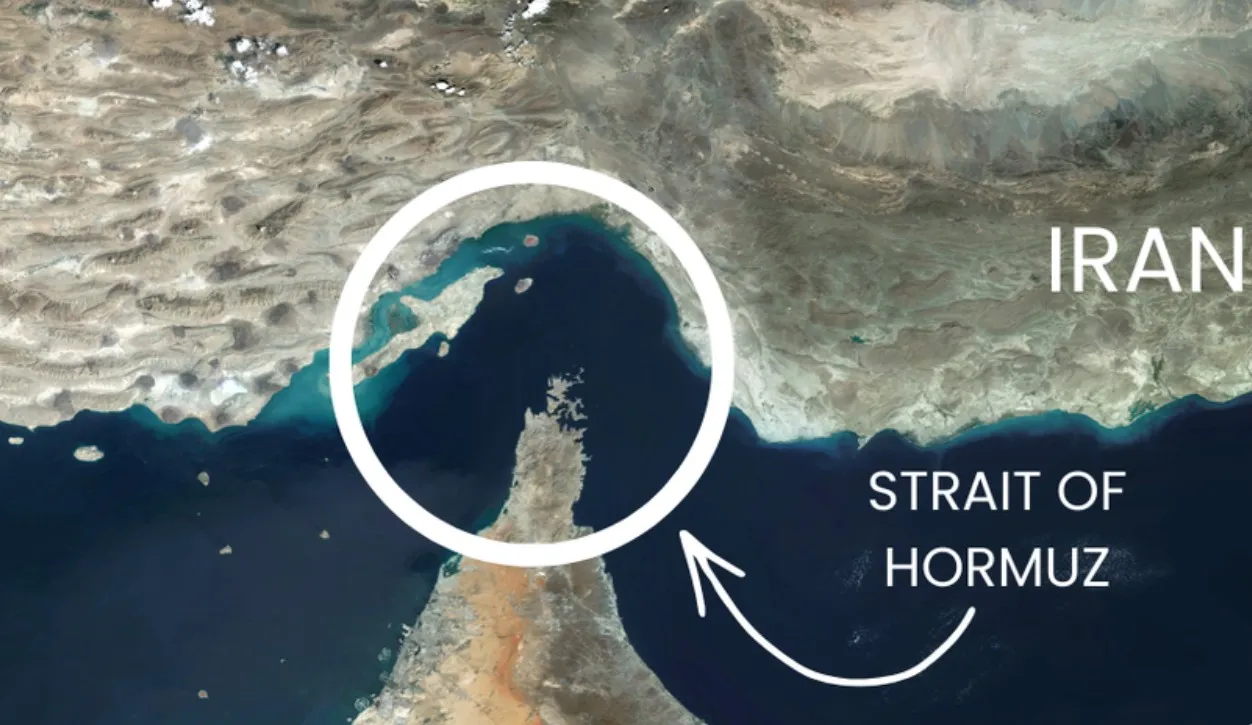
„Project Freedom" is on hold. The blockade on Iran continues. Brent dropped below 110 dollars. Geopolitics on a single page...

150 passengers from 88 countries stuck on board. A doctor in critical condition. Switzerland confirms its own case. And one...
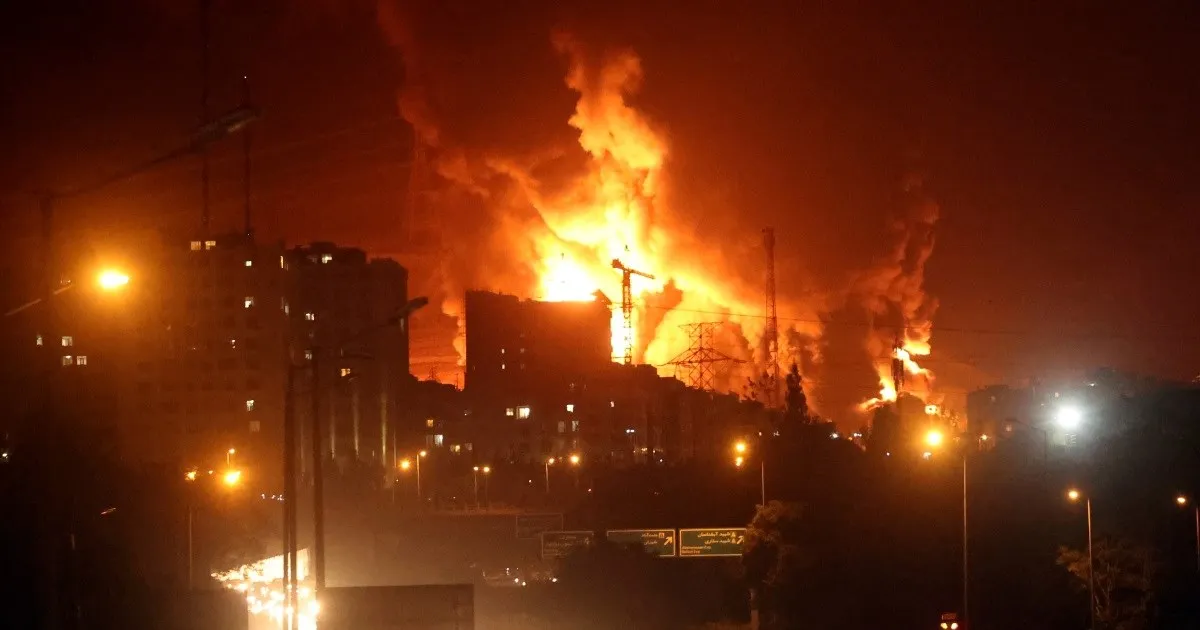
Hours before the announced ceasefire, the Russian strike on Zaporizhzhia, Kramatorsk, Dnipro and Poltava was killing. Zelensky asks for peace...
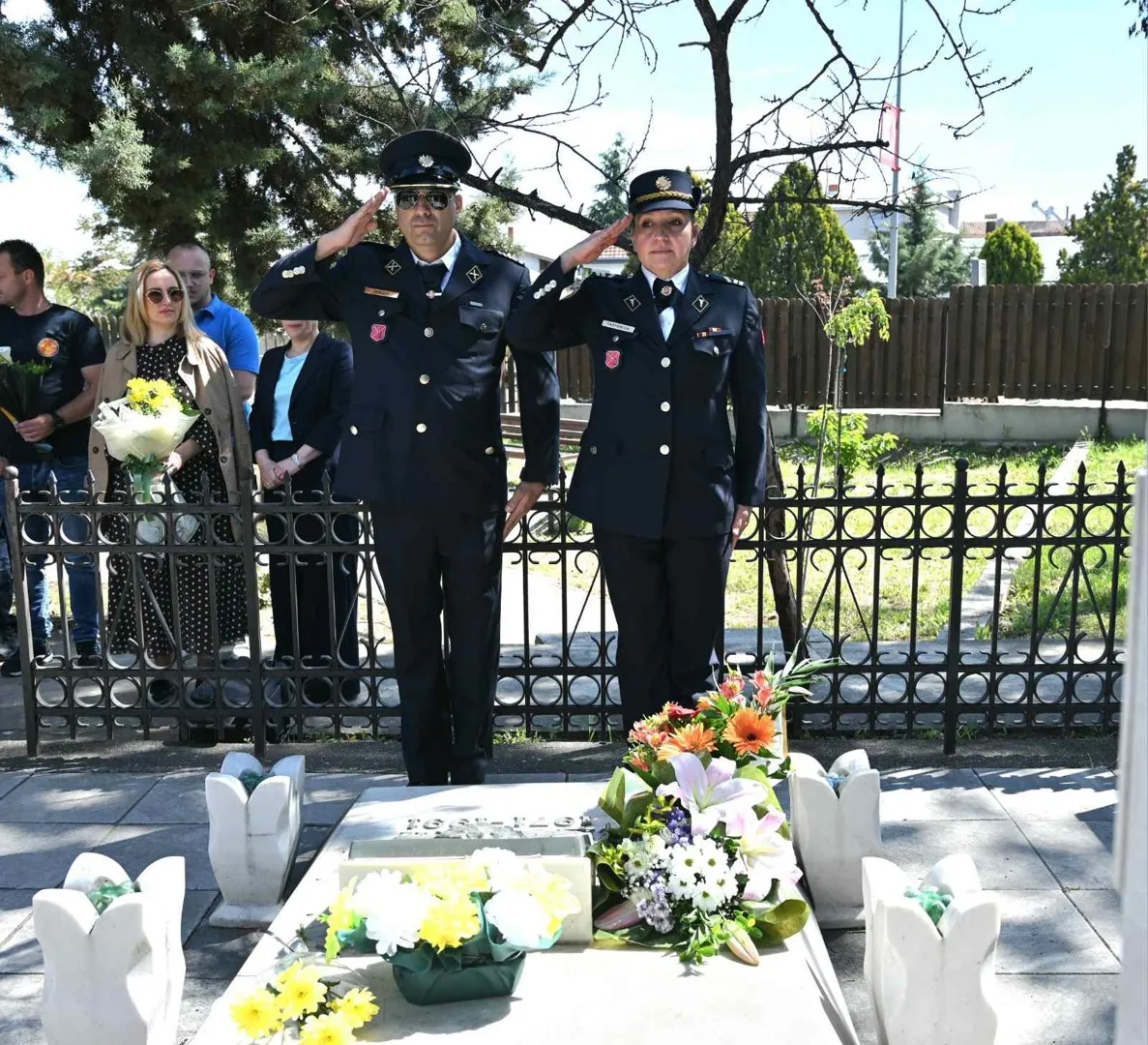
A 19-year-old kid from Kavadarci was shot dead in Split on May 6, 1991. Nobody was ever convicted. Archived history...
Mickoski said there are no elections this year. SDSM says the opposite. Deutsche Welle calls it „a churn on the...