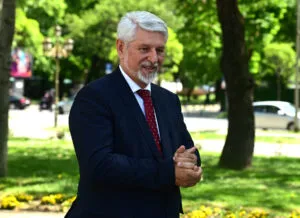
A New Criminal Complaint Against Jakimovski: A Building Permit Based on a Plan Struck Down Back in 2018
16.09.2026


16.09.2026
16.09.2026

16.09.2026
16.09.2026
16.09.2026
16.09.2026
16.09.2026
15.09.2026

14.09.2026
16.09.2026

16.09.2026

15.09.2026

16.09.2026
15.09.2026
14.09.2026

16.09.2026

16.09.2026

16.09.2026

16.09.2026

15.09.2026
15.09.2026

09.03.2026

27.02.2026

19.02.2026
16.09.2026

15.09.2026
14.09.2026

23.04.2026

23.04.2026

12.04.2026

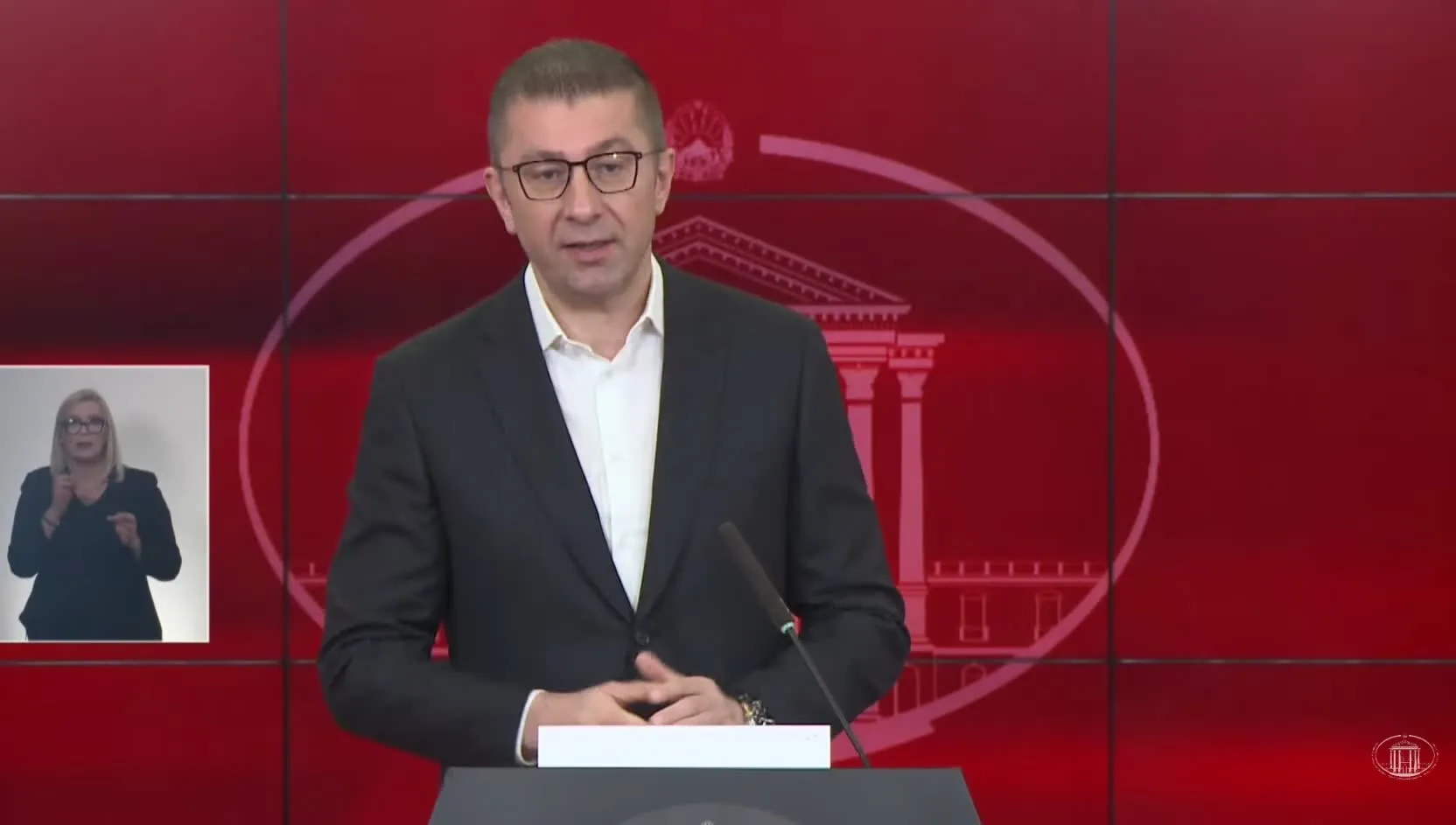
Prime Minister Hristijan Mickoski has, with a clear statement, calmed the political nerves these past days - no elections this year. The focus, as he put it, is on „reforms and consolidation", and VMRO-DPMNE is ready both for regular elections in spring 2028 and for early ones if necessary.
All very nice. But if the party is always „ready" for elections, the question isn't whether they're ready - it's why the topic even gets opened every few months.
Mickoski himself points out that the government has opened over 15,000 new jobs in the past year, that they're working on food and transport prices, that institutions will respect the law. Standard rhetoric. What he didn't say is the more telling part: do „reforms and consolidation" fail to work precisely because every six months the opposition and the government drag each other into a discussion about elections?
SDSM, on the other hand, claims the opposite - that Mickoski is „rushing to elections" before the investigations coming „after Orbán's fall" reach him. Filipče said his side is also „ready". Even Deutsche Welle registered the statement as „a churn on the political stage" - with the clear message that not even the prime minister is sure of his next move.
When every party is „ready for elections" at any given time, it means there is no stable governance in the country - just a permanent campaign mode. Institutions are not built during a campaign. They disintegrate.
Citizens are listening to yet another version of the same political theatre - maybe 2027, maybe 2028, maybe sooner. Meanwhile, the prices of electricity, the food basket and healthcare are waiting - and nobody is talking about them.
We're asking just one thing: if the function of the political system is for us to spend every year asking whether there will be elections, then who is actually running the state in between two campaigns?
The latest 10 news from this category
The World Bank dropped out over misalignment with EU requirements. Construction will take two and a half years, and the...
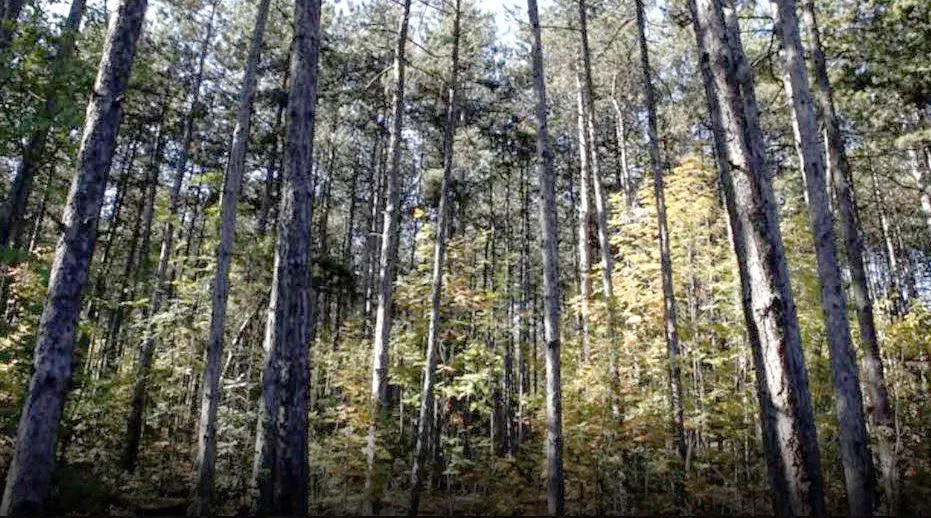
Of 9,500 square metres of greenery, 268 remain. Terrain with an 80-metre height difference, no erosion study and no opinion...
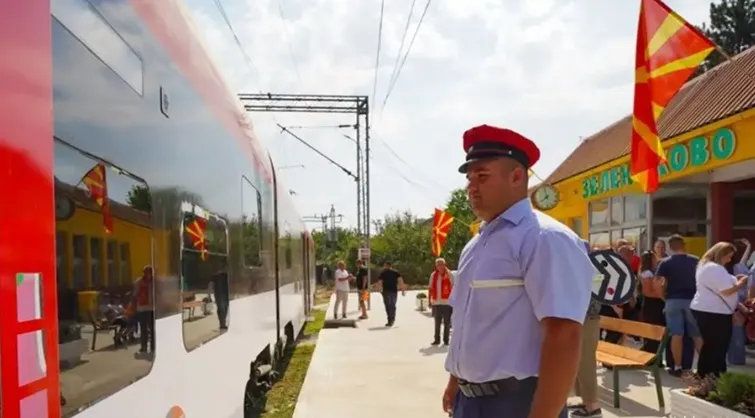
Gjorgjievski says the system should be ready by the middle of next year. The BRT tender is announced for the...
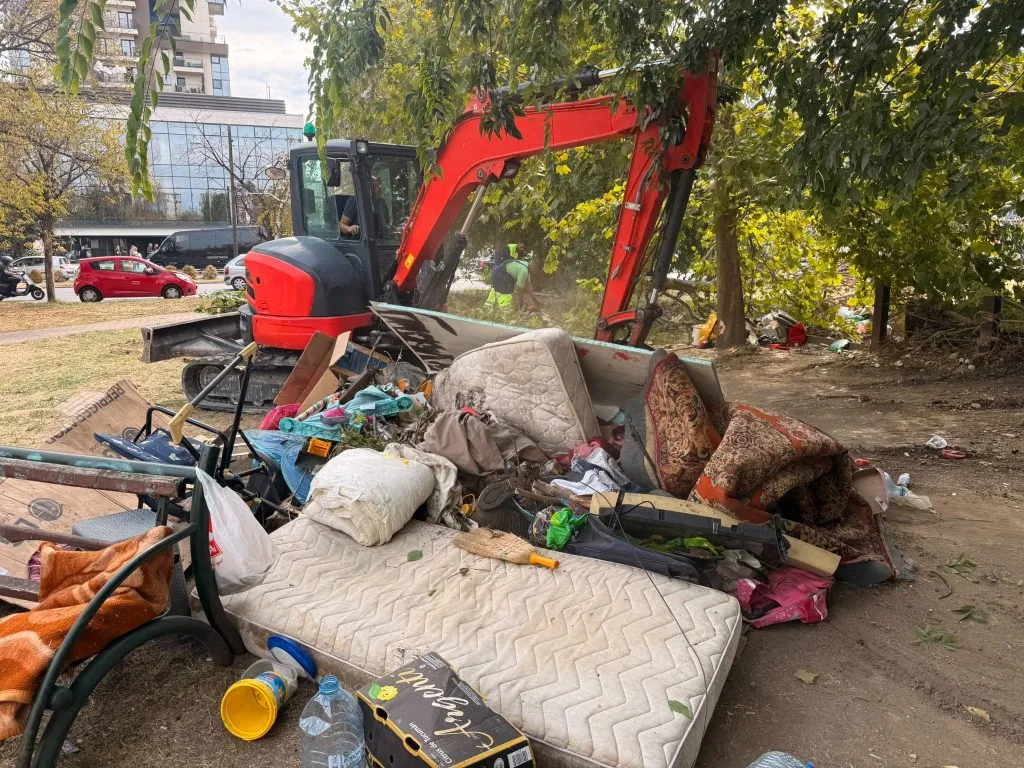
The second operation at the same site within a year. Gerasimovski himself is appealing to the Labour Ministry - because...
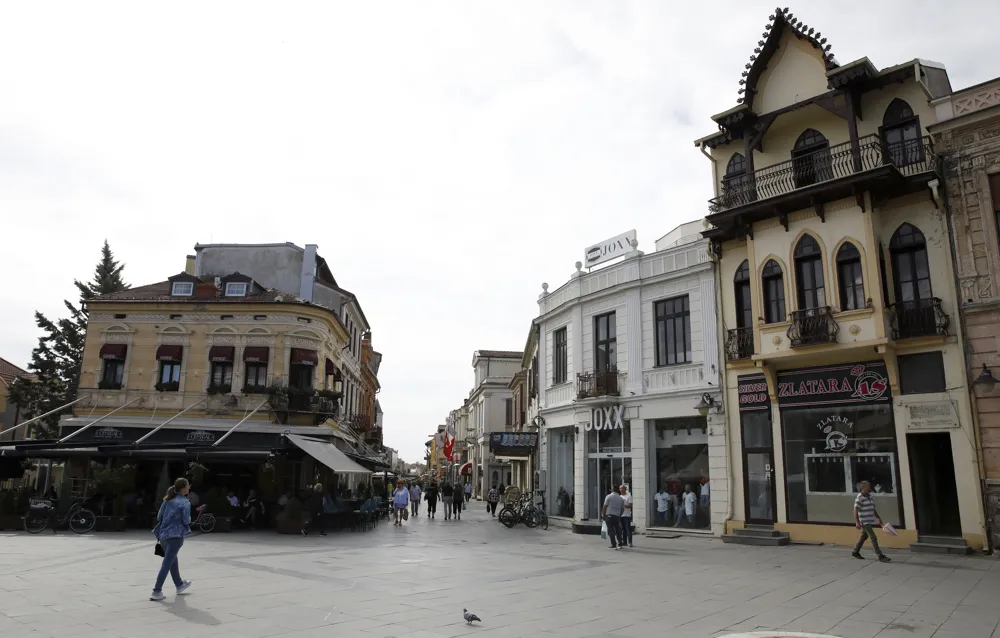
A prosumer scheme, a solar oven and electricity generated by bicycle on Magnolija square. The city that has paid the...
Stefanija Dimovska won two medals at IESO 2026, working in mixed international teams. Before that she was also national champion...
Out of nearly 4.7 million denars, the municipality is putting in around 180,000. The rest comes through the Bureau for...
Ten years working inside the health system - and she still had to pull strings to be admitted. The clinic...
Appeals run from 15 to 25 September. There is not enough space at Goce Delčev, so students go to Stiv...
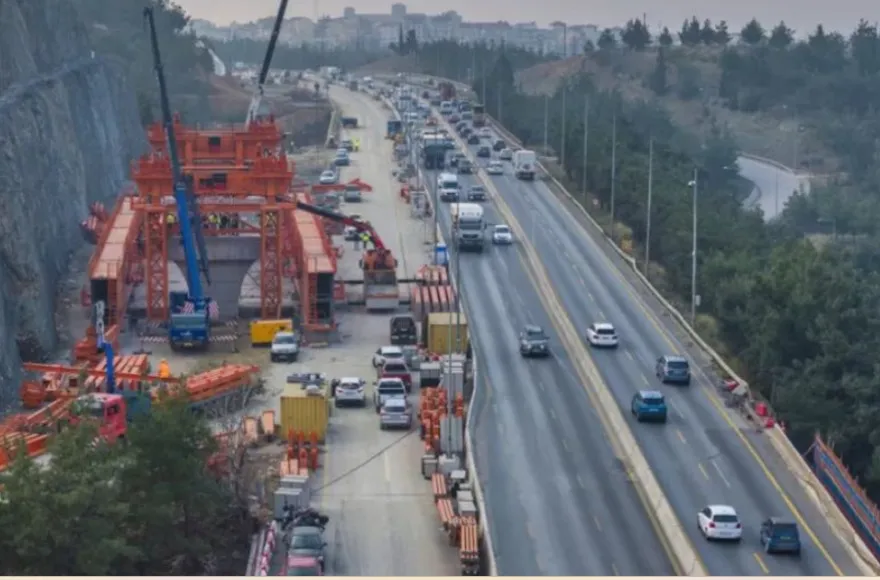
From 23:00 to 05:00 there is no getting through towards Evzoni. Towards Halkidiki - business as usual. Those heading on...
This site uses cookies - is that okay? Learn more
Be the first to know when Metla launches something new
Leave your email and we will write when there is a new guide or something new on Metla.