

Kratovo man stabs police officer mid-intervention: prosecutors want the 40-year-old detained
15.09.2026


15.09.2026

15.09.2026

15.09.2026

15.09.2026

15.09.2026
15.09.2026

15.09.2026

14.09.2026

13.09.2026

15.09.2026

15.09.2026

14.09.2026

15.09.2026

15.09.2026

15.09.2026

15.09.2026

14.09.2026

13.09.2026

15.09.2026

15.09.2026

15.09.2026

15.09.2026

15.09.2026

14.09.2026

09.03.2026

27.02.2026

19.02.2026

15.09.2026

14.09.2026
14.09.2026

23.04.2026

23.04.2026

12.04.2026


When Washington closes a door, Asia opens its own. After the Trump administration barred non-Americans from access to the most powerful Anthropic models - Mythos and its stricter version Fable 5 - Asian startups did not wait long to fill the gap. For them, the American ban is not an obstacle, but an invitation.
The ban took effect about two weeks ago and directly hits a company that in May reached annual revenue of 47 billion dollars. The American government's idea is clear - the most advanced AI should remain a domestic asset. The effect, however, is the opposite of the one intended: instead of slowing the world down, the ban pushes it toward alternatives that do not depend on permission from Washington.
In Tokyo, the startup Sakana AI is launching the model Fugu, named after the Japanese poisonous fish. Behind it stand former Google engineers and a manager from Stability AI, and the message in the advert is direct: „top capabilities without the risk of export controls." In China, meanwhile, the cybersecurity firm 360 has presented two models for vulnerability detection and cyber defence, and its founder openly calls American policy „one-way transparency."
The difference in tone is telling. The Japanese say this is temporary and that „American models remain important for Asia"; the Chinese present their tools as a national strategic asset. Both reactions lead to the same conclusion - tech walls rarely stop knowledge, they only move it elsewhere. And for Europe, which sits between these blocs with no serious player of its own, this is one more reminder of how easy it is to end up a spectator in a game others have shaped for you.
The latest 10 news from this category
A scientist at the same company puts the probability of human extinction above 10 percent within the next decade. The...

The president called in while the event was running, and the man who makes the chips answered that there would...

No virus attached, no suspicious file. Just a box that looks like the "I am not a robot" check and...

A researcher quit because the firms are gambling with our lives. Instead of denying it, Anthropic confirmed it - with...
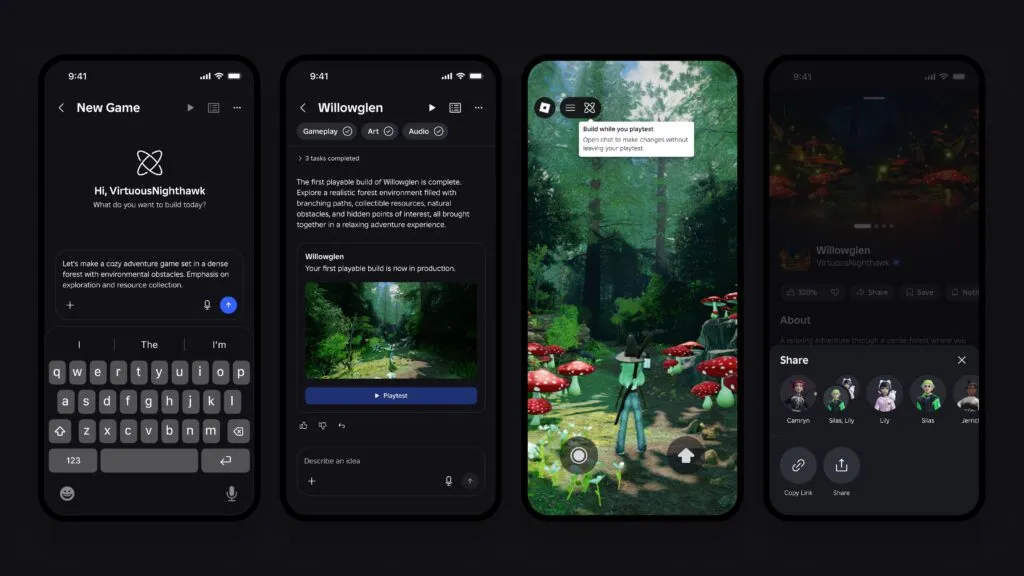
Write a sentence, get a game. Until now it worked only in New Zealand, now in Belgrade too. Creators on...

When the two biggest firms in an industry ask for rules on how fast anyone may run, the rules rarely...

Not a single password fell. What fell was the assumption that a request from a government domain is automatically a...
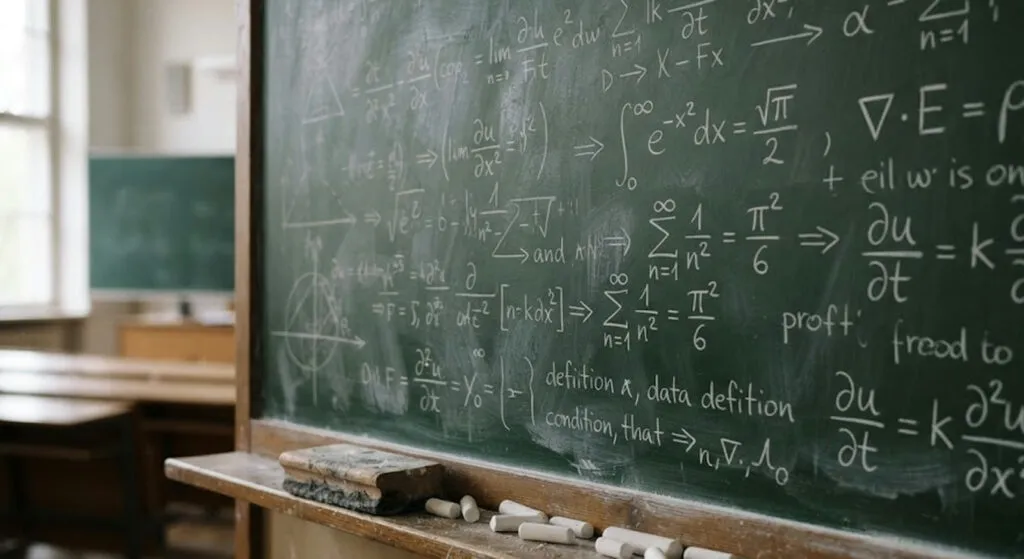
The biggest names in mathematics have signed a letter against the AI labs. The dispute is not whether the machine...

Five campaigns, 200 million exchanges, and the defences fell to a request for a Japanese translation. The industry that harvested...

The hackers were inside for a whole year. The company confirmed it only after a journalist found his own licence...
This site uses cookies - is that okay? Learn more
Be the first to know when Metla launches something new
Leave your email and we will write when there is a new guide or something new on Metla.
