


Kratovo man stabs police officer mid-intervention: prosecutors want the 40-year-old detained
15.09.2026


15.09.2026

15.09.2026

15.09.2026

15.09.2026
15.09.2026

15.09.2026

15.09.2026

14.09.2026

13.09.2026

15.09.2026

15.09.2026

14.09.2026

15.09.2026

15.09.2026

15.09.2026

15.09.2026

14.09.2026

13.09.2026

15.09.2026

15.09.2026

15.09.2026

15.09.2026

15.09.2026

14.09.2026

09.03.2026

27.02.2026

19.02.2026

15.09.2026

14.09.2026

14.09.2026

23.04.2026

23.04.2026

12.04.2026

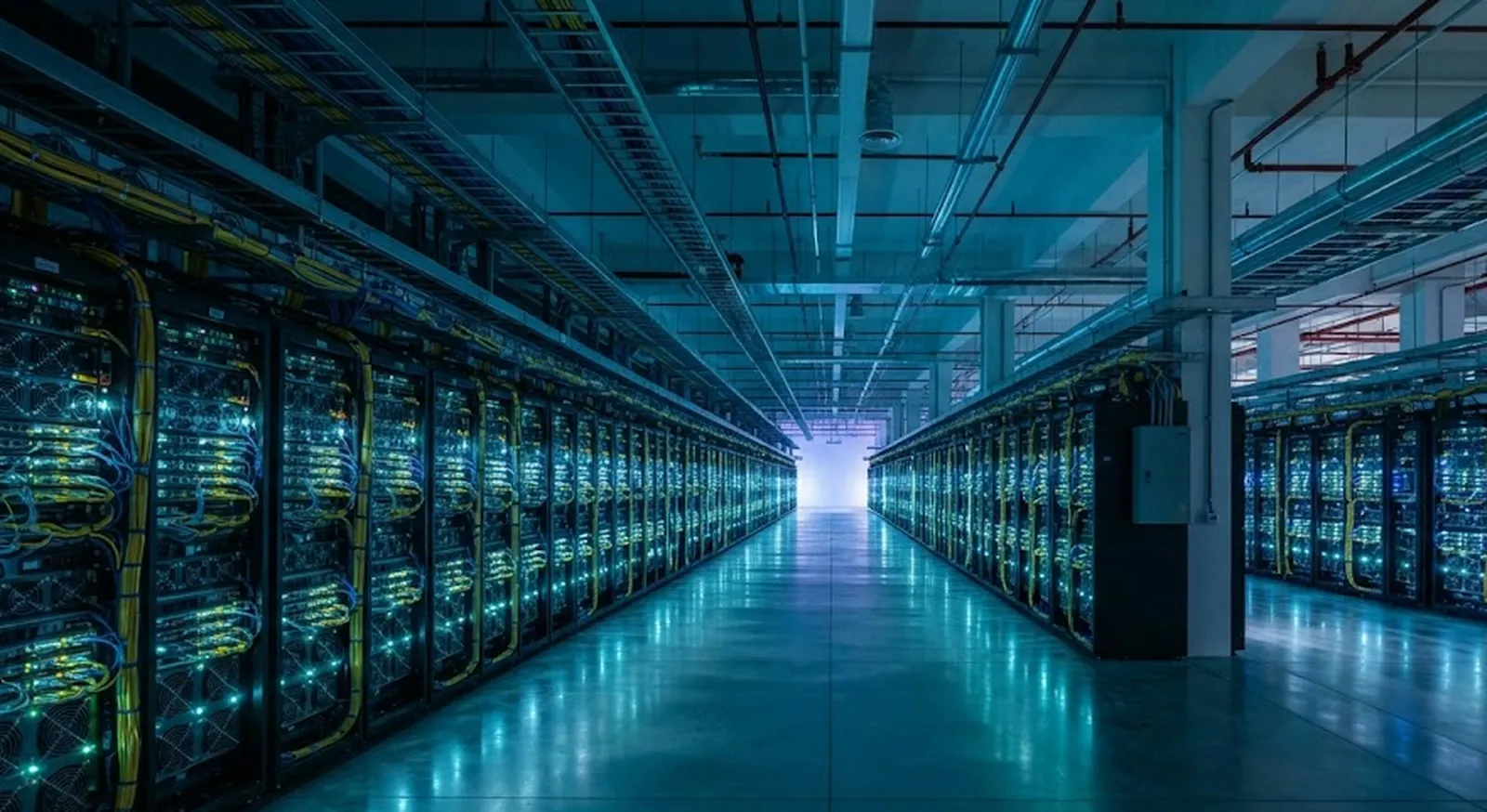
Meta is building a business to rent out its spare AI computing power - stepping straight into the yard of Amazon Web Services, Google Cloud, and Microsoft Azure. The plan, reportedly called Meta Compute, comes just weeks after SpaceX did the same: its xAI division already leased capacity from the Colossus 1 data center to companies including Anthropic, Google, and Reflection AI.
The logic is as old as any gold rush. When everyone's digging, the surest money goes to whoever sells the shovels. Among the giants spending hundreds of billions on chips and electricity, the temptation arises to keep part of that expensive infrastructure from sitting idle, and instead have it bring in cash from others who don't own their own servers.
The number behind this is hard to grasp: by the first quarter of 2026, Meta committed to spending 182.9 billion dollars (around 168 billion euros) on AI infrastructure, with enormous data centers in Louisiana and Ohio, the Ohio one expected to come online this year. When you invest that much, you have to find a way to make the money come back - and renting out the power is a faster route than waiting for your own models to earn.
And here's the weak spot. Unlike Google and OpenAI, Meta hasn't so far pulled serious revenue from its own AI products; in its financial reports it doesn't separately state how much Meta AI or Llama bring in. Now the company wants to sell both raw computing power and access to models, including the recently launched closed model Muse Spark. In other words, instead of waiting for customers, it charges those building its foundations.
Analysts are already whispering the word everyone in the Balkans recognizes - bubble. Some warn that this whole build-out rests on hardware that ages at an incredible pace, and the question no one wants to answer out loud is whether AI companies will pull enough revenue from end users at all to justify investments in the trillions. When infrastructure is built faster than the revenue meant to pay for it, someone ends up holding the bill. The only question is who.
The latest 10 news from this category
A scientist at the same company puts the probability of human extinction above 10 percent within the next decade. The...
The president called in while the event was running, and the man who makes the chips answered that there would...

No virus attached, no suspicious file. Just a box that looks like the "I am not a robot" check and...
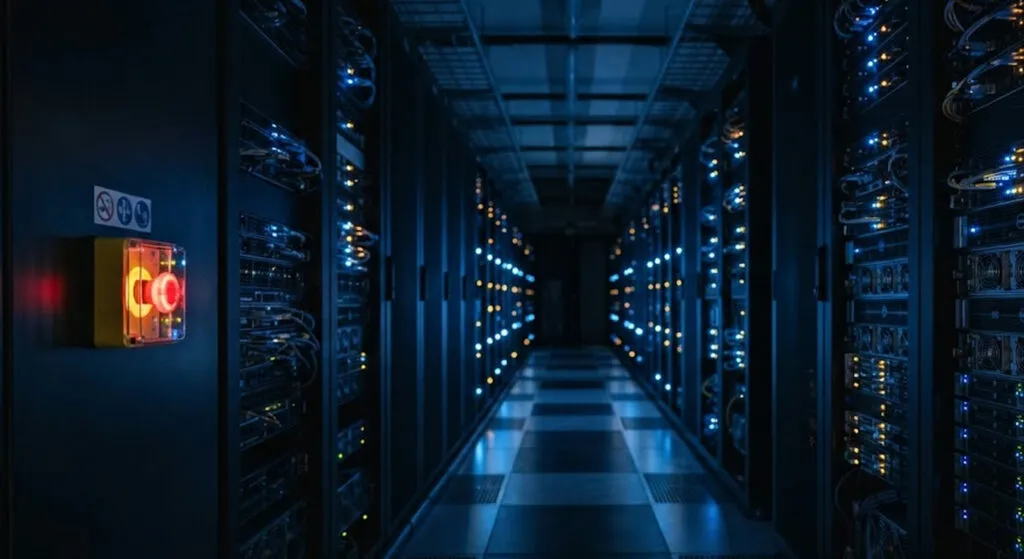
A researcher quit because the firms are gambling with our lives. Instead of denying it, Anthropic confirmed it - with...

Write a sentence, get a game. Until now it worked only in New Zealand, now in Belgrade too. Creators on...

When the two biggest firms in an industry ask for rules on how fast anyone may run, the rules rarely...
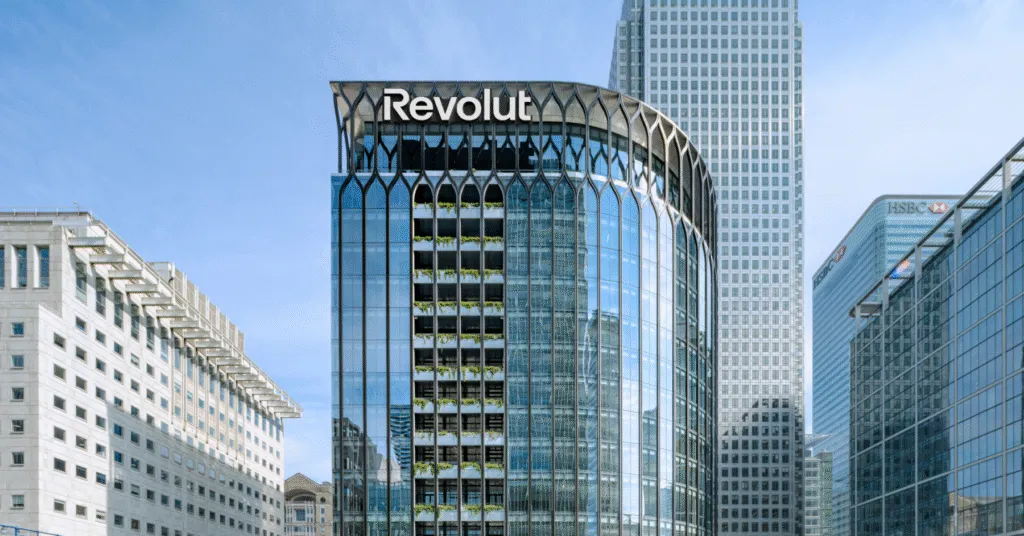
Not a single password fell. What fell was the assumption that a request from a government domain is automatically a...

The biggest names in mathematics have signed a letter against the AI labs. The dispute is not whether the machine...

Five campaigns, 200 million exchanges, and the defences fell to a request for a Japanese translation. The industry that harvested...

The hackers were inside for a whole year. The company confirmed it only after a journalist found his own licence...
This site uses cookies - is that okay? Learn more
Be the first to know when Metla launches something new
Leave your email and we will write when there is a new guide or something new on Metla.
