Bio-Waste Forum in Berovo: Nice Presentations, but the Waste Still Ends Up in Illegal Dumps
06.07.2026


06.07.2026

06.07.2026

06.07.2026
06.07.2026

06.07.2026

06.07.2026

06.07.2026

30.06.2026

29.06.2026

06.07.2026

06.07.2026

30.06.2026

06.07.2026

06.07.2026

06.07.2026

06.07.2026

06.07.2026

05.07.2026

09.03.2026

27.02.2026

19.02.2026

23.04.2026

23.04.2026

12.04.2026


When one of the world's most powerful tech companies suddenly decides to „gift” a piece of itself, it's worth asking - to whom and why right now.
OpenAI, the company behind ChatGPT, has proposed donating 5 percent of its capital to a US sovereign investment fund, while also calling on other artificial-intelligence companies to do the same. According to the Financial Times, the move by CEO Sam Altman had a very concrete goal: to smooth relations with Donald Trump's administration and to blunt the political attacks that are ever more loudly demanding a reckoning from a sector making billions.
The idea isn't new for OpenAI. Back in its April policy document, the company floated the notion of a public fund from which „the returns could be distributed directly to citizens,” so that more people could share in the gains from AI-driven growth. It sounds nice on paper. But between the paper and the ordinary citizen's pocket stands Congress, whose approval would be all but mandatory - and which can easily turn the whole idea into a footnote.
That's where the real story hides. When a company voluntarily offers a piece of itself to the state, it's rarely a pure act of generosity. It's insurance. Five percent of capital today is a low price if you're buying the goodwill of the government that tomorrow decides how it will regulate you, whom it will punish and whose models it will lock away from the public. The question „who benefits” here has a clear answer: the company itself, most of all.
That the story isn't so rosy is shown by the opposing proposal too. Senator Bernie Sanders wanted something far sharper - a one-off 50 percent tax on the shares of AI companies, whose proceeds would end up in the same sovereign fund. So far his proposal hasn't even cleared committee. The difference is obvious: one is a voluntary gift on which the company dictates its own terms, the other is an obligation someone wants to impose from the outside. It's not hard to guess which of the two the Valley prefers.
For a reader in our part of the world, this isn't a distant American story. The model is familiar - the powerful offer a piece to hold onto all the other pieces, while „citizen participation” stays a promise that keeps being repeated but rarely reaches the bank account. Whether the technology that promises shared wealth will really share it, or just buy protection for those who already hold it - that will show not in the press releases, but in who ends up counting the money.
The latest 10 news from this category

The Chinese giant classified Anthropic's tool as high-risk. Behind the internal decision hides the whole geopolitics of artificial intelligence.

The studios sue the AI company for copying, and now they have to answer whether they're doing exactly what they...
On stage, autonomous AI agents are changing the world; in an internal meeting, Meta's boss admits the technology isn't delivering....
Bots have already overtaken human traffic on the internet, and half of what they read is re-reading the same thing....

Following SpaceX's lead, Meta is renting its spare computing power to rivals. A 183-billion-dollar infrastructure needs revenue - and analysts...
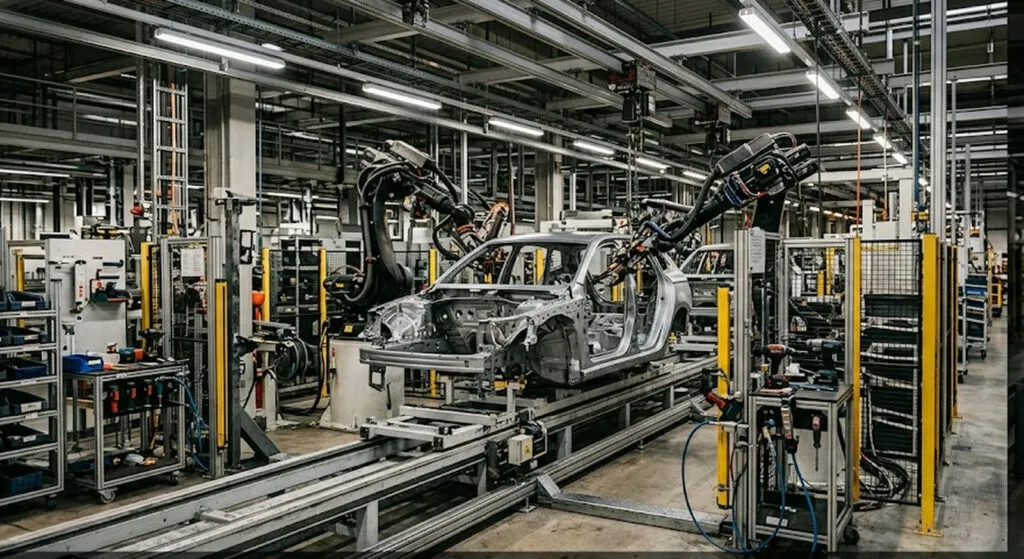
The company that tried to replace people with an algorithm is now making hundreds of millions because it brought them...
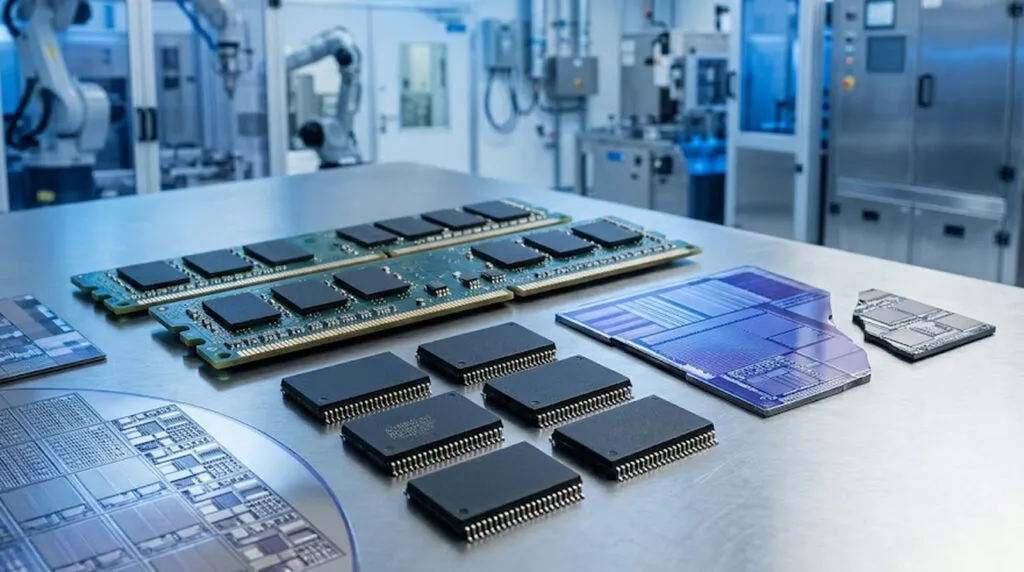
Samsung and SK Hynix are throwing hundreds of billions at the world's memory shortage. The same shortage that made the...

Newsom opened all state institutions to Anthropic at half off. Half price today is dependency tomorrow.

The short-video app is quietly turning into a super-app on the WeChat model. When one screen knows what you watch,...
After Trump barred foreigners from the most advanced Anthropic models, Japanese and Chinese startups are launching their own alternatives -...