Three of Four Sensors Were Dead: Skopje's Vodno Cable Car Ran Fifteen Years Without a Real Service
17.09.2026


17.09.2026

17.09.2026
17.09.2026
17.09.2026

17.09.2026

17.09.2026

17.09.2026

16.09.2026

15.09.2026

17.09.2026

17.09.2026

16.09.2026
17.09.2026

17.09.2026

17.09.2026

17.09.2026

16.09.2026

15.09.2026

17.09.2026

17.09.2026

17.09.2026

17.09.2026

17.09.2026

17.09.2026

09.03.2026

27.02.2026

19.02.2026

23.04.2026

23.04.2026

12.04.2026

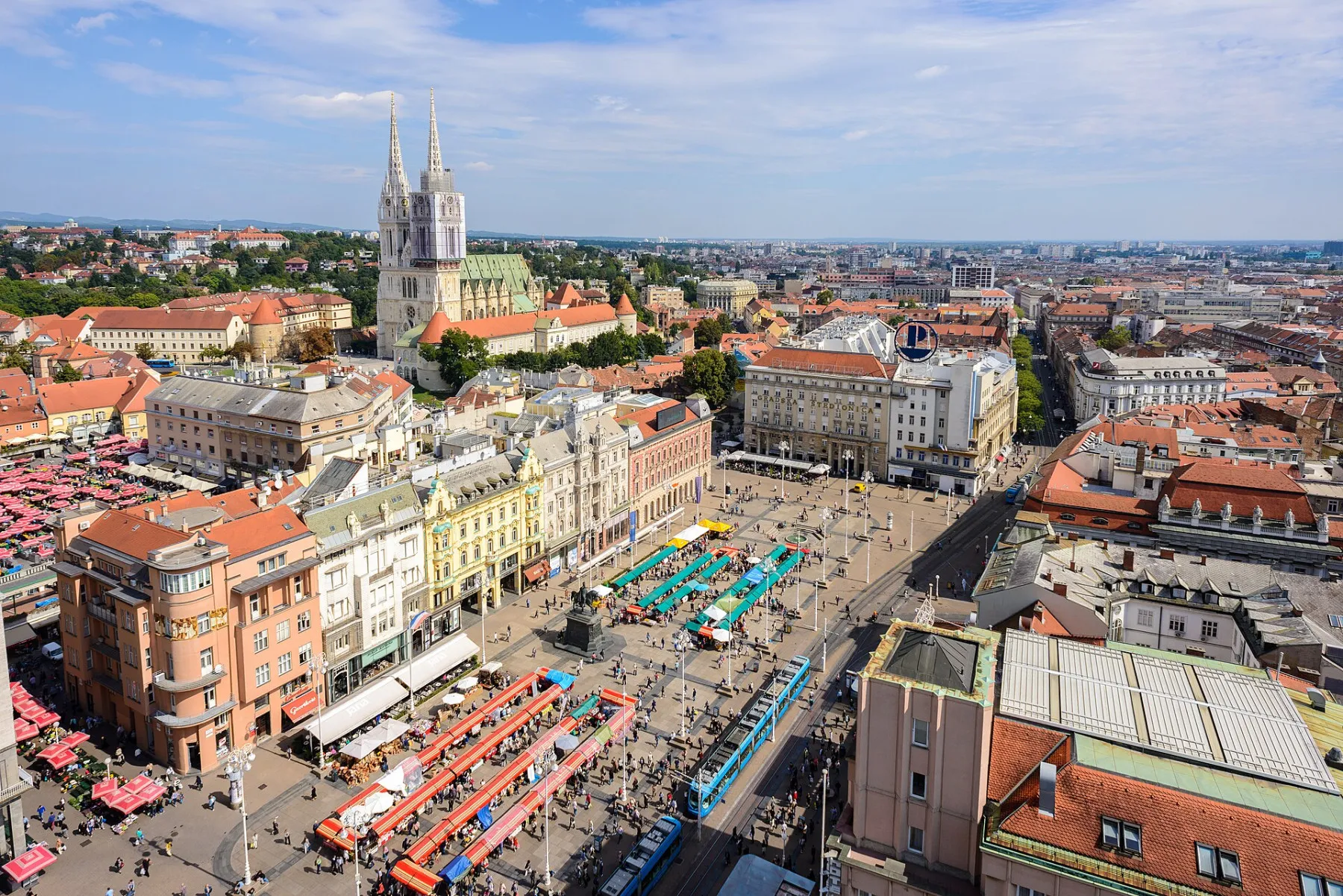
The Croatian police have arrested at least three young men - one of them a minor - for a wave of fake bomb threats sent to schools in Croatia. The coordination ran through gaming chats, and the messages followed a similar template across several cities, with a fake "terror cell" signature.
The numbers are large: around 220 bomb threats in the last 48 hours. Schools in Zagreb went into lockdown, parents arrived in panic, pupils were sent home. The police worked across several regions in Croatia at the same time to close down the sources.
All these messages used gaming communication groups. Not WhatsApp. Not Telegram. Gaming chats - Discord, Steam, much more widely used among 12, 13, 14-year-olds. An age you wouldn't expect to be involved in a "coordinated criminal action", but one that has every tool for it on its own computer.
This pattern isn't only Croatian. Similar campaigns have happened in Serbia and Bosnia and Herzegovina over the past two years. In Macedonia too - the University building has been shut down repeatedly after anonymous threats that later turned out to be false. One case is an incident. 220 in two countries in a week is a trend.
The question for parents and the education system is not "when will they catch them". It's "why are children finding this funny or interesting". Gaming culture has for years intersected with forms of violence, provocation and fake authority. When one group of kids can stop the schools of an entire country from operating, we're not in a "juvenile incident". We're in a question of operational capability.
In the Balkans this pattern needs to be read carefully. Not because we don't have a younger population with gadgets here. Because we are in the same digital environment and the same risk. Close one group, another opens. All of us - schools, police, parents - are one step late behind the game.
The latest 10 news from this category
The court established responsibility for 96 killed, 303 tortured and 385 unlawfully detained. The prosecution asked for 45 years. Serbia...
Thaci and Krasniqi got 25 years each, Veseli 18, Selimi 13. The court established 385 unlawfully detained, 303 tortured and...

"If it is acceptable to the participants" - that is the entire offer. What gets negotiated is the format, not...

Thousands walked from the Rectorate to the electoral commission, and the signatures had to be queued for all weekend because...
Thousands of people under a digital clock and a banner asking for them to be found innocent. On Wednesday The...
The ruling list sailed through without a single problem, the student list was left waiting in line. Nobody banned anything...
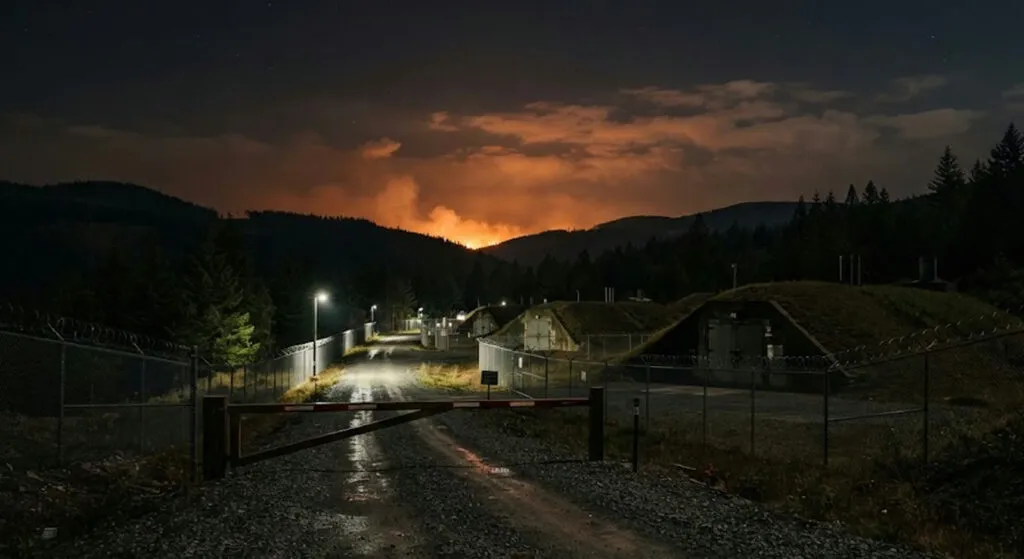
The same firm that supplied ammunition to Ukraine for years is burning for the second time in a month. Seven...
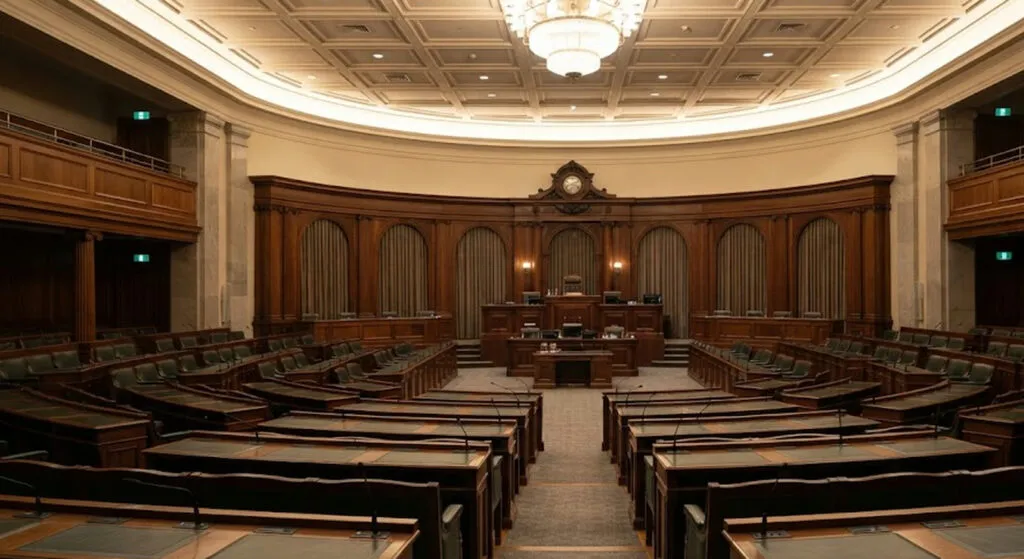
A third attempt in three years, but this time the signatures came from the government benches too. Six MPs from...
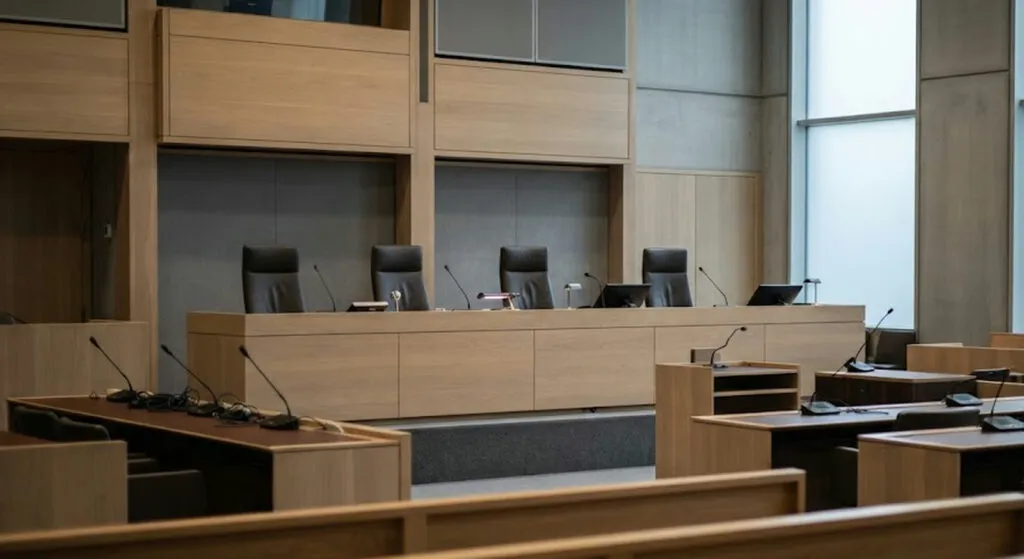
Four days before the Hague verdict, the square in Pristina told the court it should back down. Among the guests...

Nobody banned anything - the line item simply stopped paying for itself. That is the purest version of modern censorship,...
This site uses cookies - is that okay? Learn more
Be the first to know when Metla launches something new
Leave your email and we will write when there is a new guide or something new on Metla.