Sixteen Arrests in Twenty-Four Hours, All for Drugs: The Police Are Working - But Where Are All These People Coming From?
20.09.2026


20.09.2026

20.09.2026
20.09.2026
20.09.2026
20.09.2026

20.09.2026

20.09.2026
20.09.2026

20.09.2026
20.09.2026

20.09.2026
19.09.2026

20.09.2026

20.09.2026

20.09.2026

20.09.2026
19.09.2026
18.09.2026
20.09.2026

20.09.2026
20.09.2026
20.09.2026

20.09.2026

20.09.2026

09.03.2026

27.02.2026

19.02.2026
20.09.2026
19.09.2026
18.09.2026

23.04.2026

23.04.2026

12.04.2026

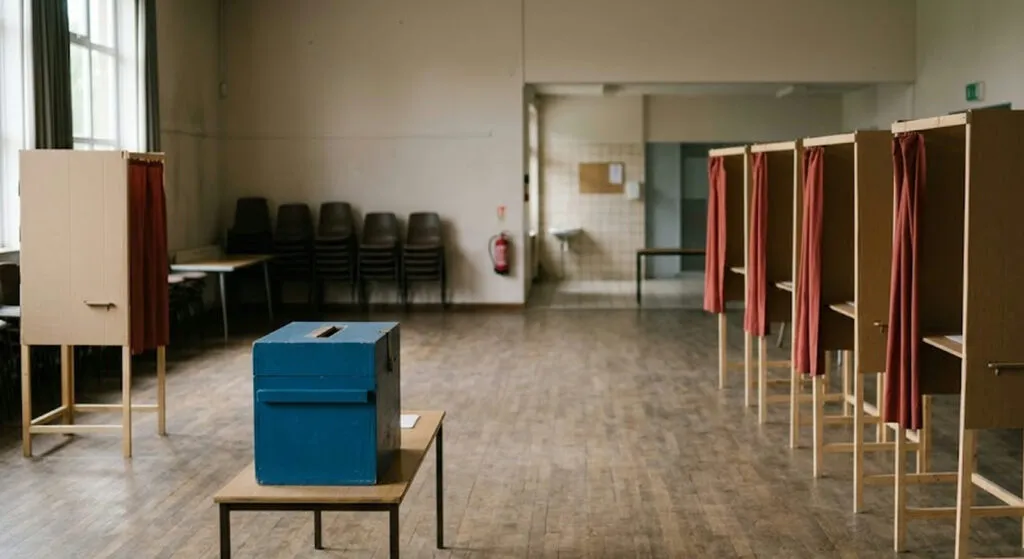
Kosovo's acting president Albulena Hadžiu has called a snap election for June 7. It's the third electoral cycle in less than a year - with which Kosovo, Europe's youngest state, confirms that political instability here is not a mistake but a structural condition.
Parliament failed to elect a new president after Vjosa Osmani's term expired in April. Prime Minister Albin Kurti, despite Vetëvendosje's convincing victory in the December parliamentary elections, was unable to secure support for his presidential candidate. The result: the road blocked, and the only solution - new elections.
Hadžiu said what every citizen of Kosovo has known for a long time: "We are falling behind on reforms for no reason. We cannot afford to lose time". But reforms are only the pretext. The deeper political blockage isn't in parliament, it's between the parties themselves and inside the structure of Kosovo's political elite.
Kosovo has a specific problem. Vetëvendosje won parliament, but not presidential control. The opposition is split between LDK, PDK and AAK. Nobody has the majority needed for president. A third election doesn't have to solve this - it can simply prolong it.
For the region, this is uncomfortable news. Kosovo is the youngest state but already has the reputation of a "volatile political scene". The economy is stagnating. Dialogue with Belgrade is frozen. Relations with the EU are strained because of the continuation of the sanctions Brussels imposed back in 2023.
In the Balkans we recognise this as a familiar pattern. Election cycle, then political crisis, then another election cycle. Reforms get postponed. Citizens grow skeptical about institutions. Young people pack their bags. This isn't a story only for Prishtina. It's a story for all of us.
The latest 10 news from this category
Eight countries, 120 million people, a motorway to Timisoara and energy connections. And one cancelled visit that says more than...
The call was about damaged furniture on a terrace. Armin Dzutovic died three days later. The internal investigation found first...
Four KLA leaders received 81 years in prison, and Albania's parliament immediately adopted a declaration calling the verdict unjust. The...
The court established responsibility for 96 killed, 303 tortured and 385 unlawfully detained. The prosecution asked for 45 years. Serbia...
Thaci and Krasniqi got 25 years each, Veseli 18, Selimi 13. The court established 385 unlawfully detained, 303 tortured and...
"If it is acceptable to the participants" - that is the entire offer. What gets negotiated is the format, not...
Thousands walked from the Rectorate to the electoral commission, and the signatures had to be queued for all weekend because...
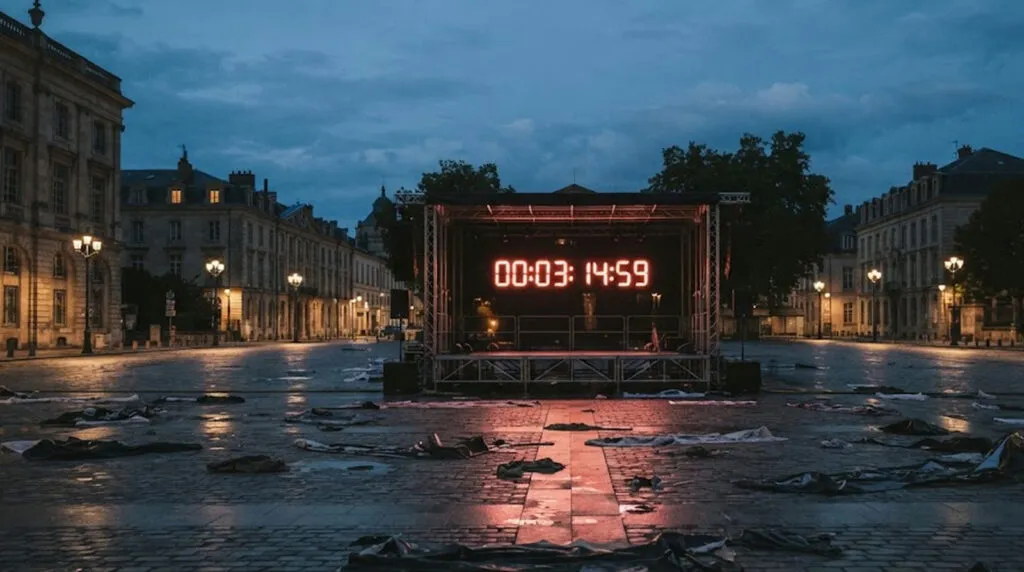
Thousands of people under a digital clock and a banner asking for them to be found innocent. On Wednesday The...
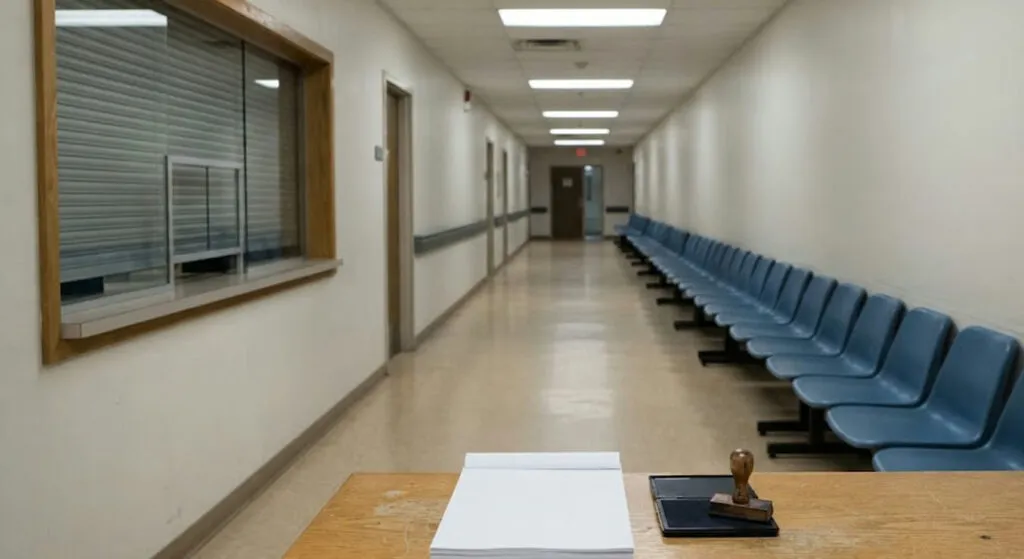
The ruling list sailed through without a single problem, the student list was left waiting in line. Nobody banned anything...
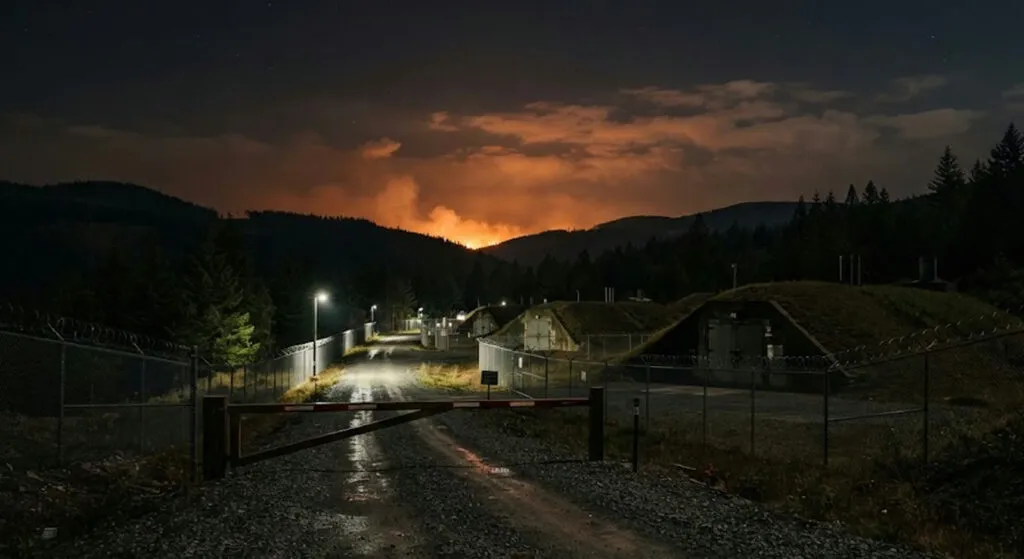
The same firm that supplied ammunition to Ukraine for years is burning for the second time in a month. Seven...
This site uses cookies - is that okay? Learn more
Be the first to know when Metla launches something new
Leave your email and we will write when there is a new guide or something new on Metla.