A Grave of Soil Outside the Interior Ministry for 59 Murdered Women: "Not One More" Gives MPs Until 10 December
26.11.2026


26.11.2026
26.11.2026
26.11.2026

26.11.2026

26.11.2026

26.11.2026

26.11.2026
25.11.2026
24.11.2026

26.11.2026

26.11.2026

25.11.2026

26.11.2026

26.11.2026
26.11.2026

26.11.2026

25.11.2026
24.11.2026
26.11.2026
25.11.2026

24.11.2026

24.11.2026

23.11.2026

23.11.2026

23.04.2026

23.04.2026

12.04.2026

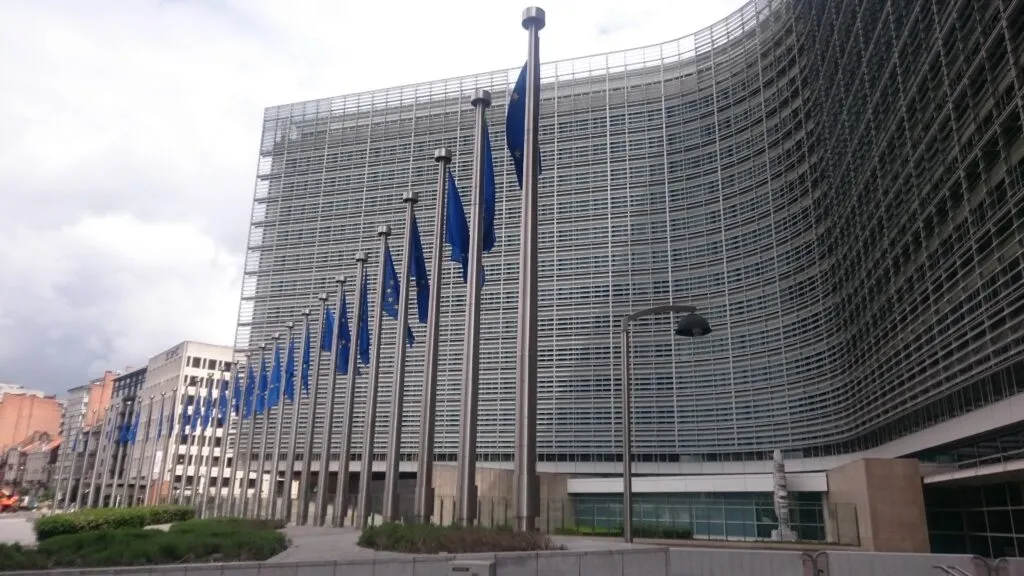
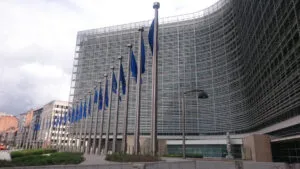
Photo: KenSwe72 Wikimedia Commons, CC BY 4.0
At the EU - Western Balkans summit in Brussels, Prime Minister Hristijan Mickoski came with a clear number: he expects Macedonia to get an extra 75 million euros from the Growth Plan. That is ten percent on top of the 750 million euros already earmarked, as a reward for reforms delivered.
European Commission President Ursula von der Leyen confirmed after the summit that Brussels plans to redistribute a significant share of the funds towards the three countries that have made the most progress. "A year ago, the partners had completed 38 percent of the planned reform steps. Today, that figure has reached 63 percent," she said, announcing an additional 338 million euros for Albania, Montenegro and Macedonia in the coming weeks.
Mickoski also announced that once technical negotiations are completed, the "Roam Like at Home" project should let citizens pay domestic prices for mobile services in the EU. According to him, Macedonia is the first country in the region to have finished the formal technical part.
The money moves, the negotiations don't
That's where the good news ends. The prime minister once again said that "enough with the bilateralisation" and that there is no change in the government's position on the constitutional amendments. The priority, he says, is an agreement on the Action Plan for minorities, for which the government has already submitted a proposal.
When a journalist asked whether Montenegro and Albania are further ahead, Mickoski disagreed. "I think I'll go back to my statement about the rocking bus, that's what their path to the EU looks like at the moment," he said, adding that Macedonia is among the "frontrunners" in the Reform Agenda.
From the other side of the table, the picture looks different. The European Commission's Director-General for Enlargement and Eastern Neighbourhood, Gert Jan Koopman, was blunt in an interview with the Atlantic Council's "Balkans Debrief": "The blockade is not in the EU Council. The blockade is in the country." According to him, this isn't just a Bulgarian issue but an EU position built into the Council conclusions, and without the constitutional amendments the process won't move forward. The ball, he says, is in Skopje's court.
Mickoski refused to comment on that position. He called Koopman a friend of the country, with whom, he announced, he will soon have a working video call.
What the report says
The claim that Macedonia is the leading candidate also sits uneasily with the European Commission's latest report, which records no progress in many areas and says corruption remains widespread and is a matter of serious concern.
So Brussels pays for the reforms but keeps the door shut until the condition Skopje refuses to meet is met. Money without negotiations means running in place. How long can you drive like that - full tank, but parked?
The latest 10 news from this category

Two Albanian parties are arguing over which of them did more for the language. The decision on the bar exam...

The law requires the student meal subsidy to be adjusted for inflation every year. Minister Janevska says it isn't clear...

Ten years is enough for any politician, says the leader. There is no challenger, the leadership won't let him go,...
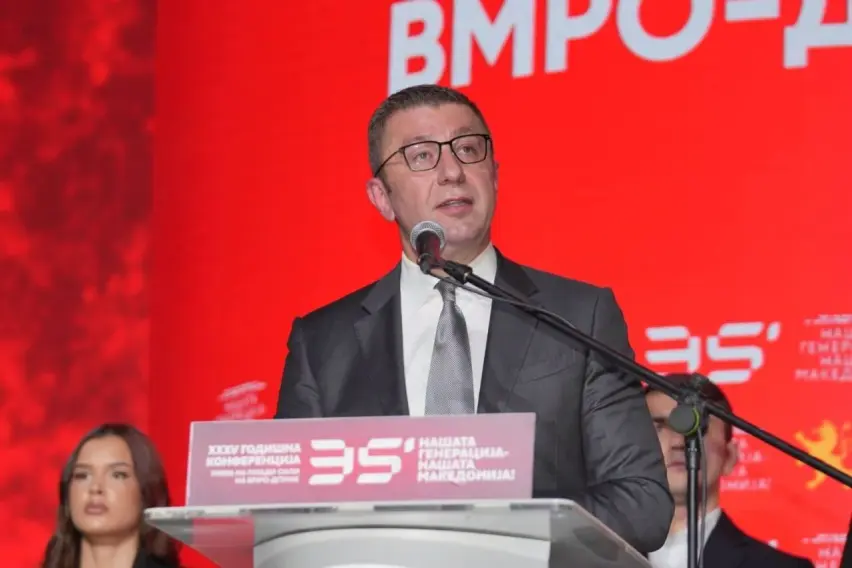
The announcement at the party conference sounds like an answer to the housing crisis. Between the podium and the key...

A protest in the street after a new case from Bitola, an amendment voted down in parliament. Reports will now...

Seven months of reports, court protection orders, then murder. The indictment reached nine officers on the lowest rung - the...

The minister says there's no retroactivity, just a law that hadn't been applied until now. And why wasn't it applied?...

On the Constitution's 35th anniversary, the president counted the changes and told MPs they vote by their own conviction. It's...

The international community brokered 21 of the 36 amendments. The president wants guarantees that the next change won't be just...

One break was requested by DUI, the other by the ruling ZNAM, and the opposition was left without a single...
This site uses cookies - is that okay? Learn more
Be the first to know when Metla launches something new
Leave your email and we'll write to you when there's a new guide or something new on Metla.