


Head of Bitola's Higher Prosecution Office Loses His Passport: Suspected of Lobbying for Lighter Sentences in at Least Four Cases
08.10.2026


08.10.2026

08.10.2026

08.10.2026

08.10.2026
08.10.2026

08.10.2026

08.10.2026

08.10.2026

07.10.2026
08.10.2026

08.10.2026

07.10.2026

08.10.2026

08.10.2026

08.10.2026

08.10.2026

07.10.2026

06.10.2026

08.10.2026

08.10.2026

08.10.2026

08.10.2026

07.10.2026
07.10.2026

09.03.2026

27.02.2026

19.02.2026

08.10.2026

07.10.2026

06.10.2026
08.10.2026

06.10.2026

05.10.2026

23.04.2026

23.04.2026

12.04.2026

"Eat less, move more." It's the weight-loss advice we've been hearing for decades - from doctors, from trainers, from aunts at family lunches. It sounds logical, like simple maths. The problem is that obesity isn't simple maths, and the people who study it have known that for a long time.
Spanish dietitian-nutritionist Aitor Sánchez says messages like that are "too generic and don't understand each person's individuality". "These are messages that have been repeated for decades and haven't brought about any significant change. On the contrary, as a society we keep failing in the fight against overweight and obesity, and they keep rising," he says.
Your body doesn't know you're on a diet. This may be the most important sentence in the whole conversation. When a person with obesity simply starts eating less, the body doesn't read it as a decision but as a threat. "Our body doesn't know it's in a restrictive process, so it's normal that it doesn't want to make changes that could endanger it. After all, the obesity epidemic is something very new in our history, and it's understandable that the body stores energy for our own good," Sánchez explains. He adds that physiologically we tend to maintain a stable weight - the one we're used to.
That's why two people who eat similar amounts can have completely different weights. Intake is only one side. Energy expenditure is "the most variable part of the equation" and depends on physical activity, thermogenesis, environment, genetics, stress and sleep. "We don't all respond to food the same way," the nutritionist says, and these are obstacles that often aren't visible at first glance.
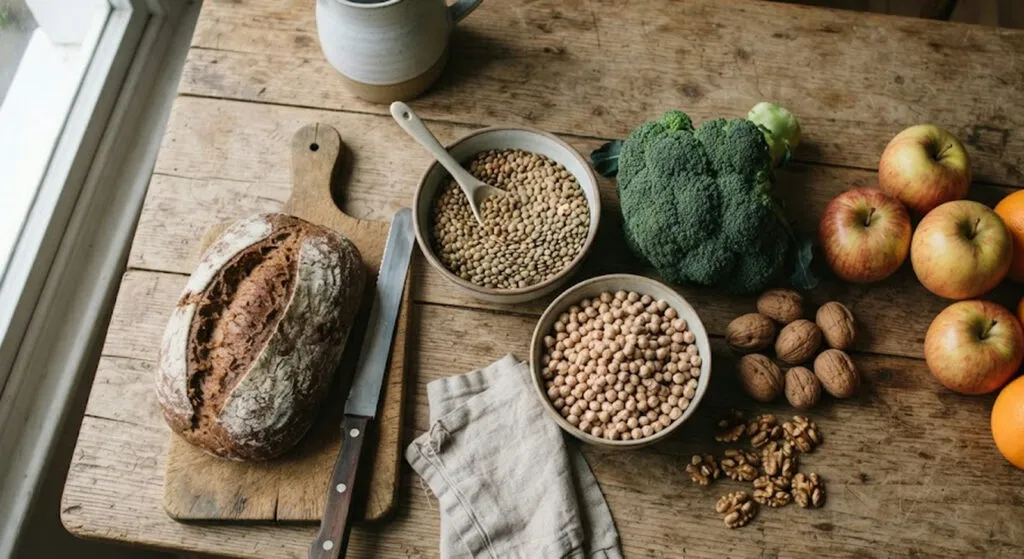
His answer is to shift the focus from how much we eat to what we eat. "Very rarely is the problem just the quantity of food," he says. The foods that drive obesity are usually also the least filling and the most "hedonistic", so cutting portions helps little if your diet is built on exactly those foods. More vegetables, whole fruit, pulses, nuts and wholegrains - foods that, thanks to their fibre, water or protein, keep you full for longer. Sweets, sugary drinks and ultra-processed products should lose their starring role in everyday life, without becoming forbidden: "There are no forbidden foods, and no slimming foods either." Nor is the five-meals-a-day rule mandatory - what matters more is that the meal schedule fits the person's life and can be sustained.
One detail is worth knowing. The interview took place at the launch of a Spanish survey on perceptions of obesity, "Razones de Peso", promoted by pharmaceutical company Lilly, which makes obesity drugs. That doesn't make the advice wrong - it's more about the plate than the pharmacy. But when you hear the phrase "obesity is a complex disease", it's worth knowing who all has an interest in it sounding complex.
The good news is for everyone who has spent years blaming themselves after every failed diet: maybe the problem was never a lack of willpower, but advice that was never enough in the first place. How many of us have heard that even once in a doctor's office?
The latest 10 news from this category

Legend has it that it was born from a French pastry cook's mistake around 1613. Today it's the fastest route...

The first autumn rain feels like relief after a scorching summer. But for up to 60% of people, a grey...

If "steamed" means bland hospital vegetables to you, the problem isn't the technique - it's the minutes. Here are the...

You can be perfectly capable of the new job or your first wave - and still feel your chest tighten....
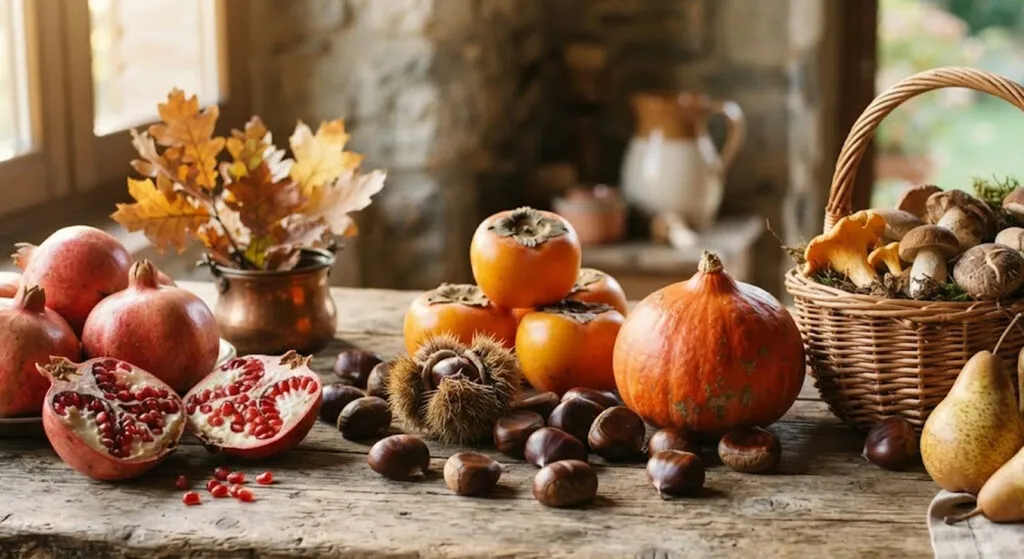
The markets are filling up with quinces and pumpkins, hunting season is opening, and after the first rains the mushrooms...

A mother and daughter on a rugby team, friends who met playing padel. When we can message anyone at any...

The world's fifth-best restaurant isn't closing because of empty tables, but to have time to think. The team's wages keep...
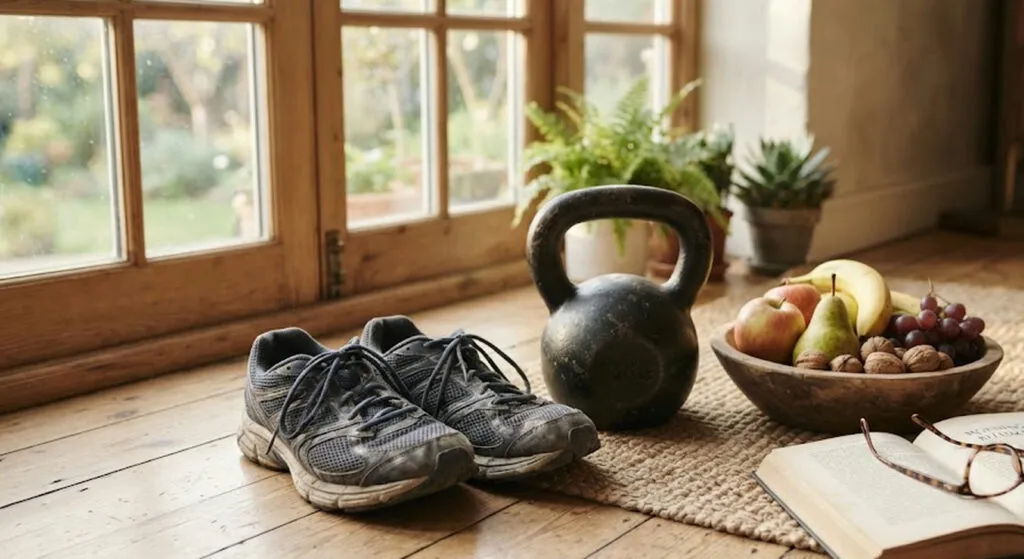
Your ID card says 80, but your body may be a completely different age. Longevity experts say the key isn't...
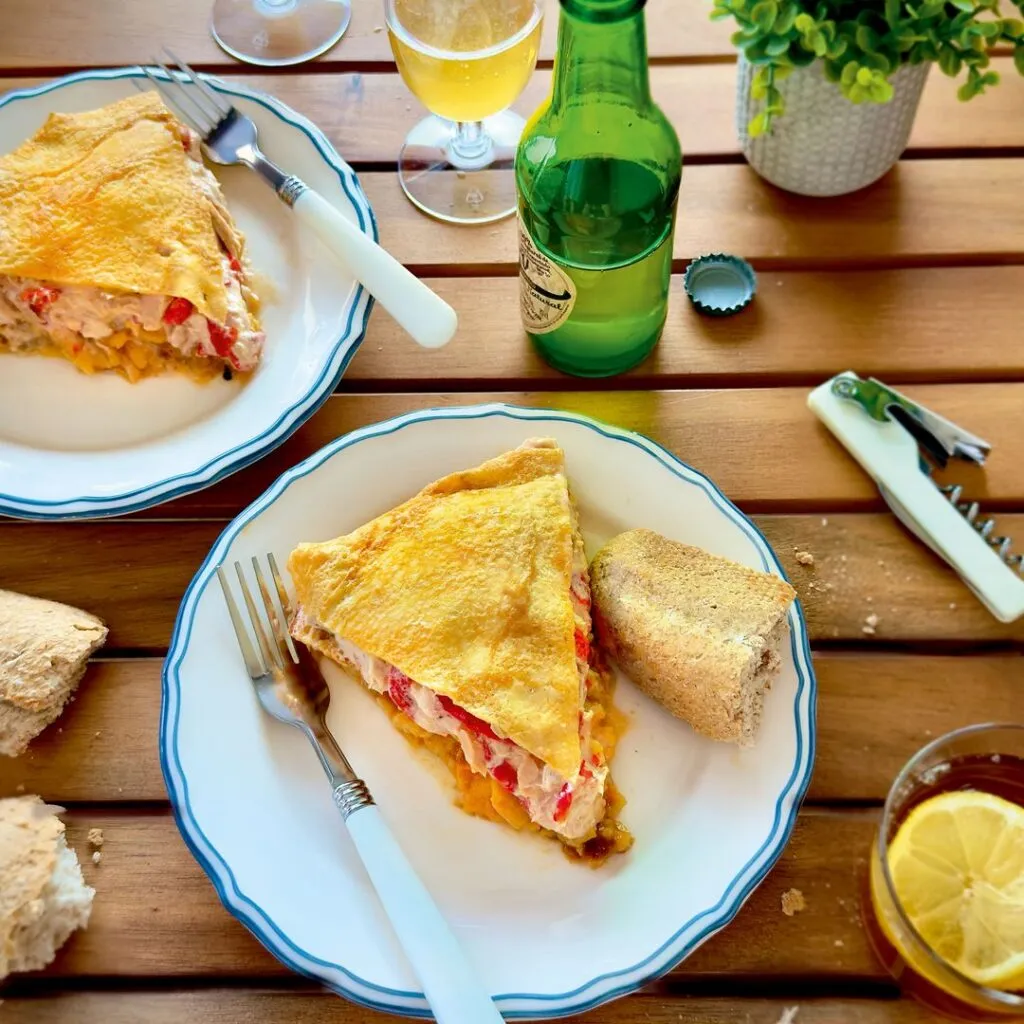
The potato isn't fried brown, it is slowly poached in oil - that is the base. Then comes the "hat":...

You've cut out gluten, sugar and dairy, and the fatigue and bloating still won't go away? Maybe the problem isn't...
This site uses cookies - is that okay? Learn more
Be the first to know when Metla launches something new
Leave your email and we will write when there is a new guide or something new on Metla.