
"That's not my job": the trial of the 13 Puls police officers restarted from scratch, and witnesses describe help being refused
22.09.2026


22.09.2026

22.09.2026

22.09.2026

22.09.2026

22.09.2026
22.09.2026

22.09.2026

21.09.2026

20.09.2026

22.09.2026

22.09.2026

21.09.2026
22.09.2026

22.09.2026

22.09.2026

22.09.2026

21.09.2026

20.09.2026

22.09.2026

22.09.2026
22.09.2026

22.09.2026

22.09.2026

22.09.2026

09.03.2026

27.02.2026

19.02.2026

22.09.2026

21.09.2026

21.09.2026

23.04.2026

23.04.2026

12.04.2026

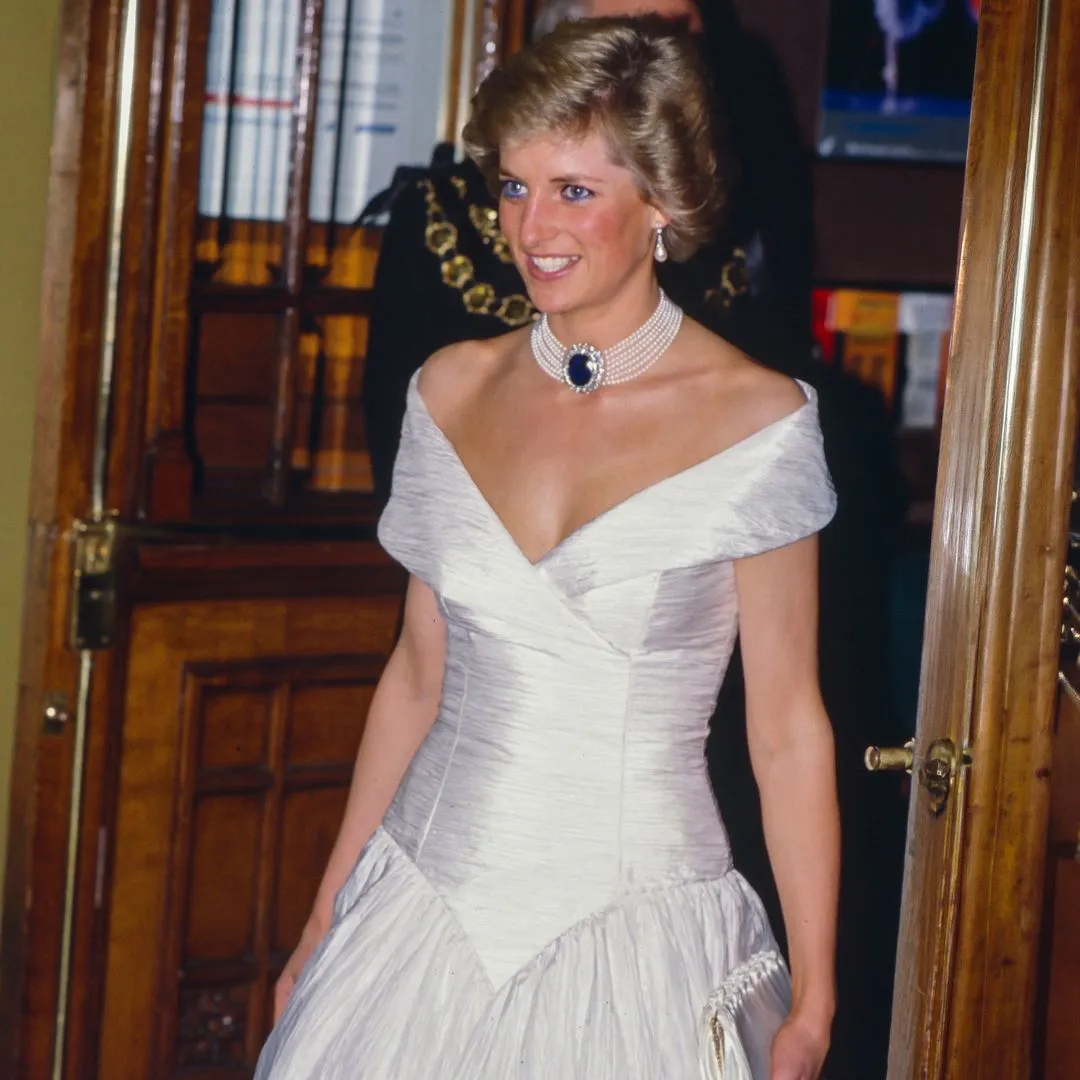
When Princess Diana appeared in 1988 in a wedding dress with an inwardly shaped waistline in the form of a V, no one thought the same cut would return as a wedding trend in 2026. The name of that silhouette - "the Basque waist" (cintura vasca) - sounds technical, but the effect is simple: it draws attention to the bust, visually narrows the hips and gives an elegant look on almost any height and build.
The history of this cut goes back to the late 18th and 19th centuries, when it was a standard on wedding dresses in Spain and France. Then it disappeared, as classical forms do when fashion forgets them. It returned in 2024 - first on individual designer collections, and then as a whole movement that today is catching the mainstream.
Besides Diana, the cut was worn by Dua Lipa at the 2023 Met Gala, and on contemporary weddings it's being interpreted by Spanish designers such as Paloma Cereceda, Navascues, Cherubina and Sole Alonso. Styles range from strict corseted versions ("simple and timeless") to boho-romantic variations with separated pieces (top plus lower skirt).
What unites all versions: a corseted upper part, a structured waistline and a V-shape at the hips. For the Balkan bride who wants to highlight her waist without sacrificing comfort, the Basque waist offers something almost unheard of - it looks designed, but not overdone. And without the need for a corrective male-style undergarment or a half-corset to hold her together.
The open question: will the trend stick or vanish in two seasons like other retro experiments? History says the V line works because it works on anatomy, not fashion. And that's exactly why Diana picked it in 1988, and why the contemporary bride picks it in 2026.
The latest 10 news from this category
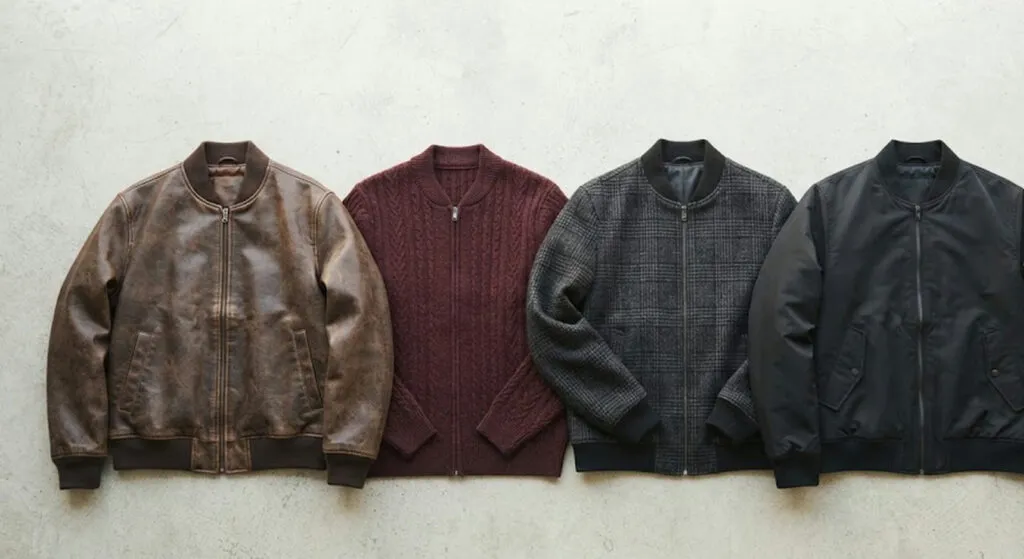
Here, half a wardrobe is bought by calculating how many years it will last. The brown leather one will look...

A decade in which aesthetic medicine sold transformation ends with one sentence: they want to look better, not different.
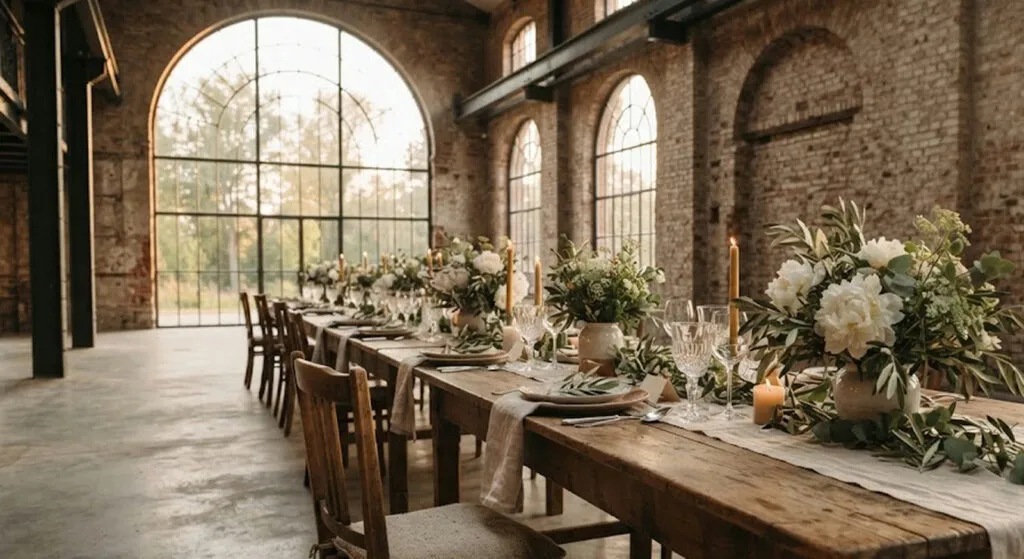
The catering was run by an uncle, the music was played by an uncle. If that sounds familiar, you have...
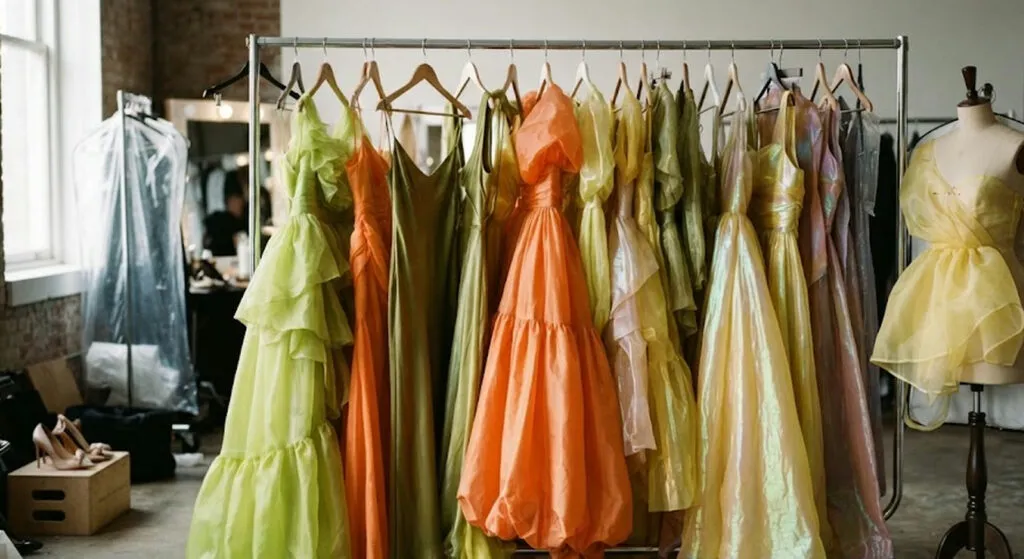
Three days in a lab coat with colorimetry scientists to produce a collection in lime and tangerine. The design director...
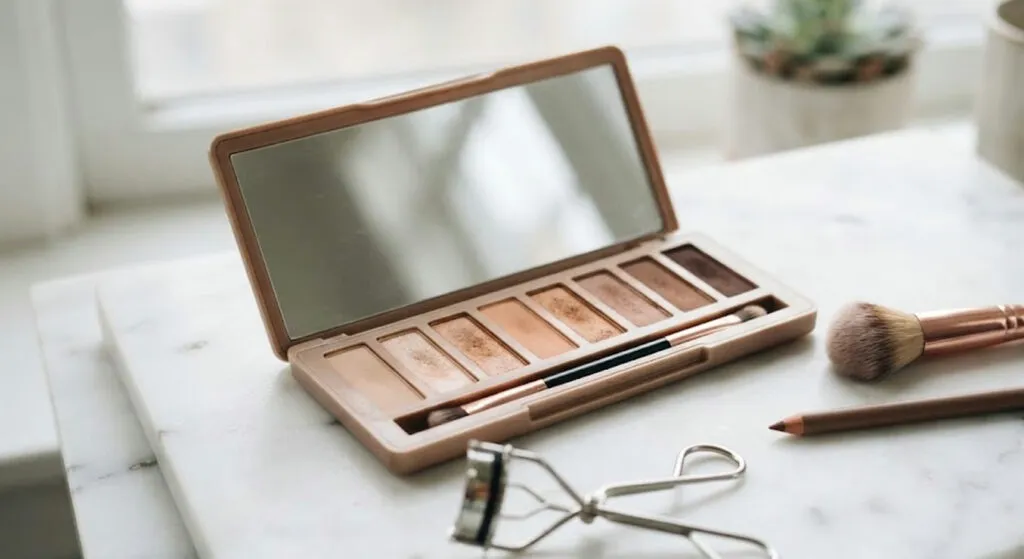
Cream concealer instead of powder, a brown pencil instead of black eyeliner, and a curler before the mascara. Not one...
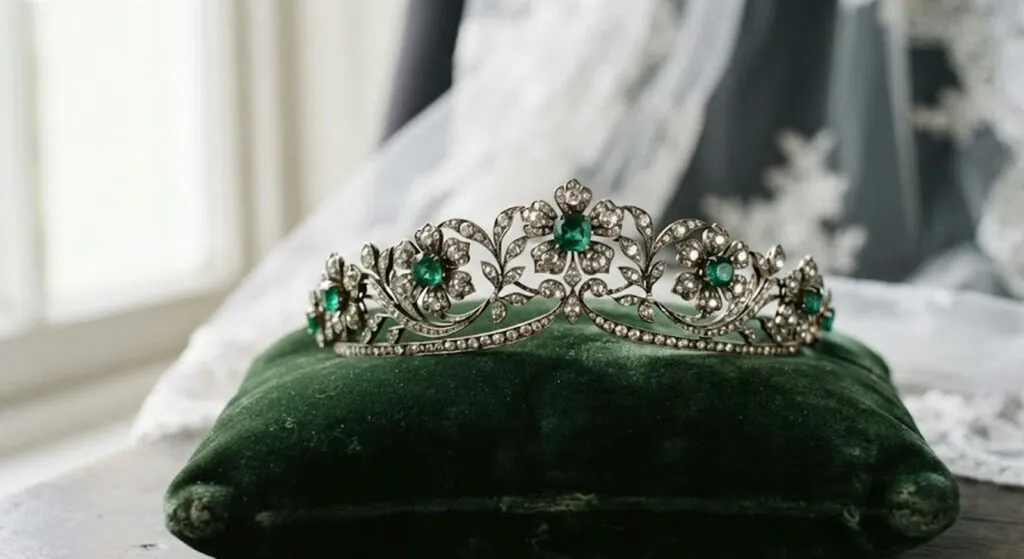
A boat-neck gown and wildflowers that deliberately refuse to compete with the jewellery. A fourth generation under the same diadem,...
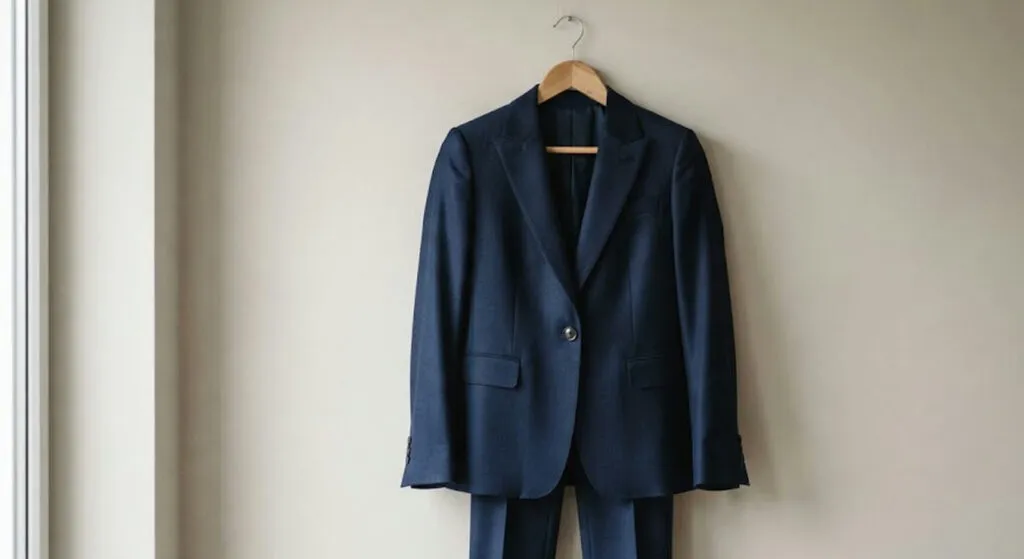
A communications expert says the trouser suit sidesteps sexist readings of hemlines and necklines. The same expert warns that the...
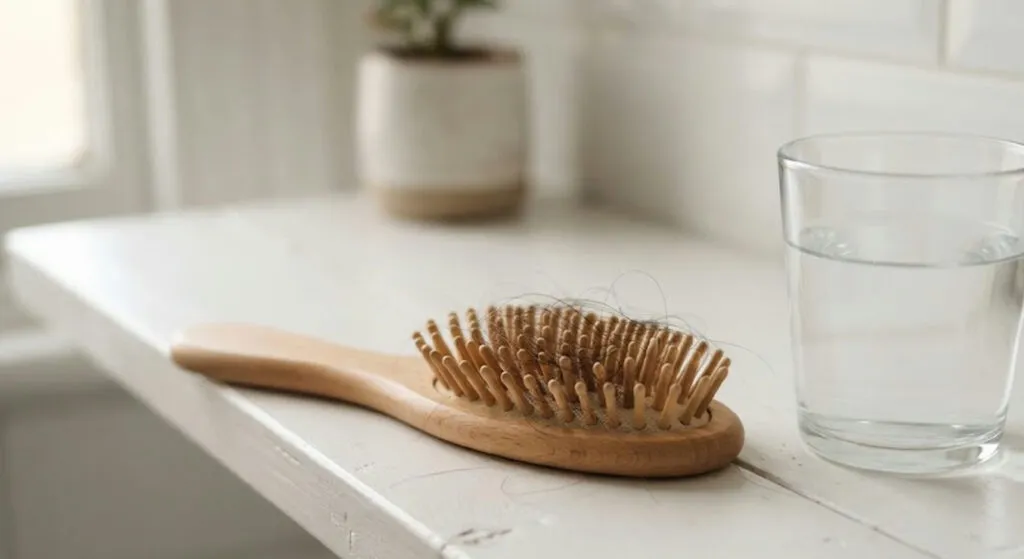
Dermatologists explain why the shedding arrives with a two to three month delay and why iron and vitamins do not...
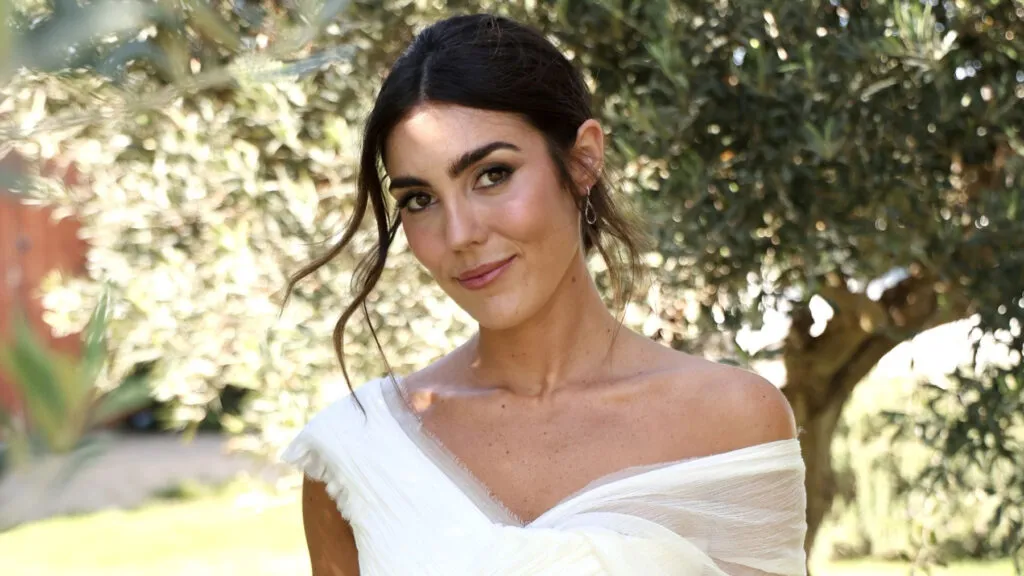
Silk bambula muslin, a hand-draped waist and a veil of crystal organza. The wedding was held in Cadiz, where the...
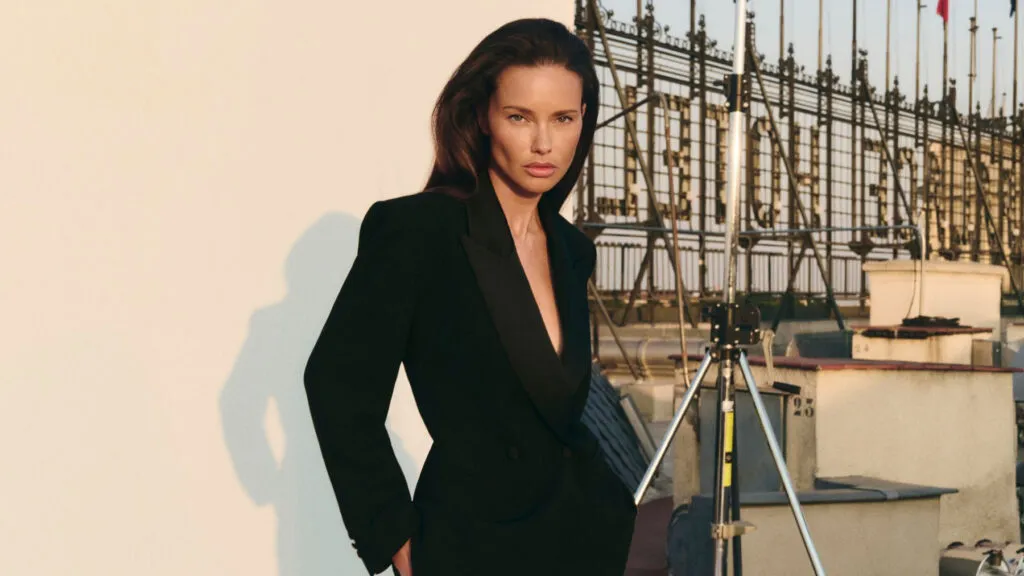
An industry that spent decades selling a flawless illusion is suddenly showing the shoot itself. That is not candour -...
This site uses cookies - is that okay? Learn more
Be the first to know when Metla launches something new
Leave your email and we will write when there is a new guide or something new on Metla.