

Fifty Million Euros Sunk by One Missing E-Signature: Why Skopje Is Melting in Buses With No AC
10.06.2026


10.06.2026
10.06.2026
10.06.2026
10.06.2026
10.06.2026

10.06.2026

10.06.2026

09.06.2026

07.06.2026
10.06.2026

10.06.2026
09.06.2026

10.06.2026

10.06.2026

10.06.2026

10.06.2026

09.06.2026

08.06.2026

10.06.2026

10.06.2026

10.06.2026

09.03.2026

27.02.2026

19.02.2026

09.06.2026
22.05.2026

19.05.2026

14.04.2026

07.11.2025
07.11.2025

23.04.2026

23.04.2026

12.04.2026


The European Commission has proposed an emergency mobilization of 500 million euros to support farmers hit by the surge in synthetic fertilizer prices - with a warning that without quick action, the autumn and winter sowing of key crops could be delayed or skipped entirely.
The structure of the package: 200 million euros are immediately available from the agricultural reserve in the Common Agricultural Policy, while for the remaining 300 million the Commission is seeking express approval from member states and the European Parliament. The package was announced back in May, but the figure was only disclosed now.
The cause is geographically far, the bill close to home: nitrogen fertilizers are made from natural gas, and gas grew more expensive after the Middle East conflict and the closure of the Strait of Hormuz. EU Agriculture Commissioner Christophe Hansen warned that the blow had so far been limited because many farmers stocked up at the end of last year - but those stocks are running out. Some are already asking whether to sow winter crops at all, when the cost of production threatens to outrun the buying price.
Alongside the cash, Brussels is also suspending standard import duties on key nitrogen fertilizers until 31 May 2027 - a measure that will save importers around 60 million euros - and is offering incentives for fertilizers from organic sources, aiming to cut dependence on imports.
And now the view from our side of the fence: the Macedonian farmer buys the same fertilizer, at the same world prices, from the same markets hit by the same crisis - except there's no Brussels reserve of 500 million for him. The question for domestic institutions writes itself: if Brussels reckons that, without intervention, the sowing in the richest bloc in the world is at risk, what does the same math mean for the fields in Pelagonia? We'd like to hear the answer before the autumn sowing, not after it.
The latest 10 news from this category
Two thirds in bonds, a sixth in gold. The question for the coming months: will the shield be filled or...
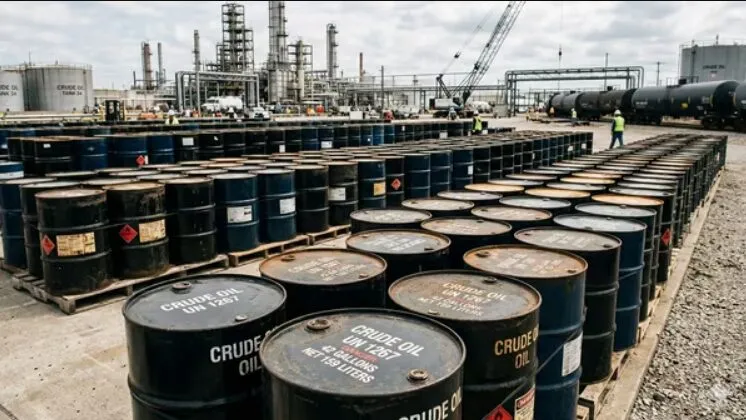
Storage is emptying, Hormuz is tight, and the US exports three times more than last year. The translation for us:...

A spot in the storefront is no longer forever - Apple will delete apps that don't attract users. Who decides...
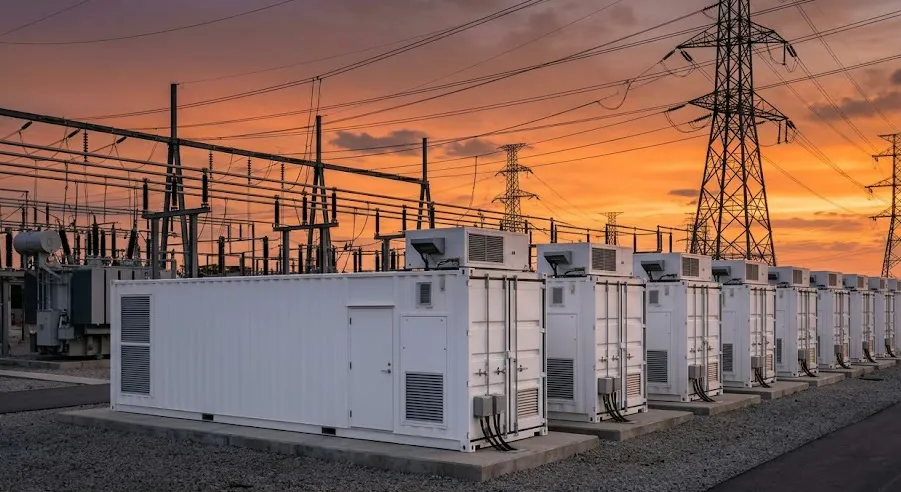
The first Western carmaker with sodium-ion cells - and a deal where old vehicle batteries power data centers. The AI...

All the giants suddenly discovered India - Microsoft, Amazon, Google, OpenAI. Coincidence? New Delhi is offering a quarter-century tax-free, and...
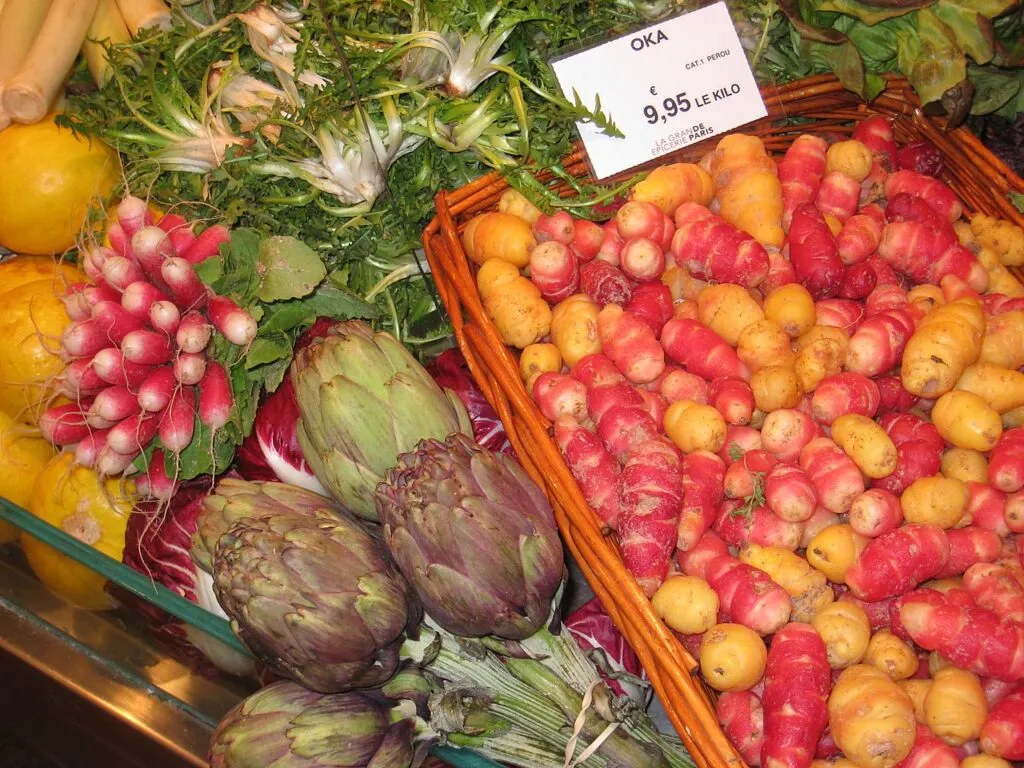
The opposition slams a 10-billion plan for just 57 kilometres of motorway. The voice is partisan, but the question of...

Republika Srpska forced palm-oil products to carry a red label and sit apart from the real thing. The Macedonian shopper...
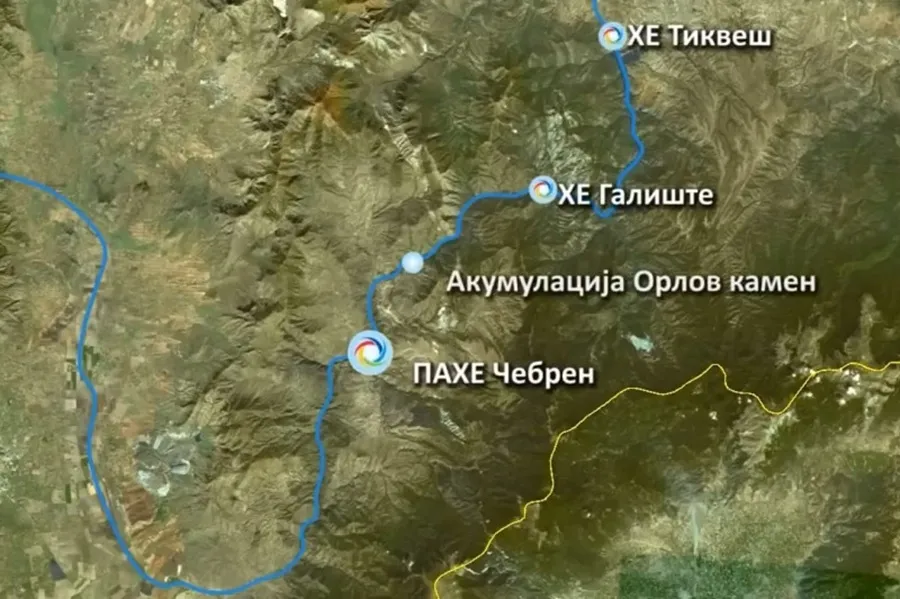
A project that has outlived twenty years of promises finally gets a new plan. But after so many failures, the...
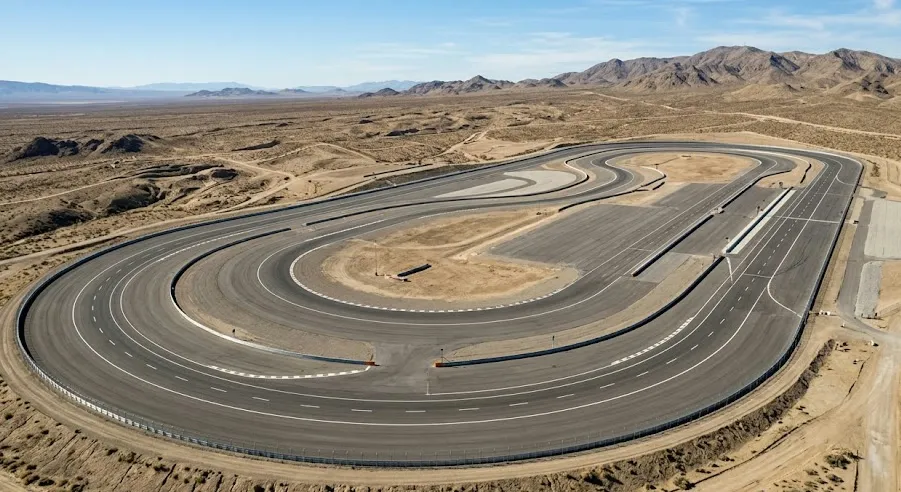
The place where Apple spent billions and ultimately gave up on Project Titan is now taken over by the one...

An administrative procedure that's really one more front in the tech war between Washington and Beijing. The Chinese giants are...