

Studeničani: 35-year-old dies after being electrocuted while washing his car with a pressure washer
18.09.2026


18.09.2026

18.09.2026

18.09.2026

18.09.2026
18.09.2026
18.09.2026
18.09.2026
17.09.2026
16.09.2026

18.09.2026

18.09.2026
17.09.2026

18.09.2026

18.09.2026

18.09.2026
18.09.2026
17.09.2026
16.09.2026

18.09.2026

18.09.2026

18.09.2026

18.09.2026

17.09.2026

17.09.2026

09.03.2026

27.02.2026

19.02.2026

18.09.2026
17.09.2026

16.09.2026

23.04.2026

23.04.2026

12.04.2026

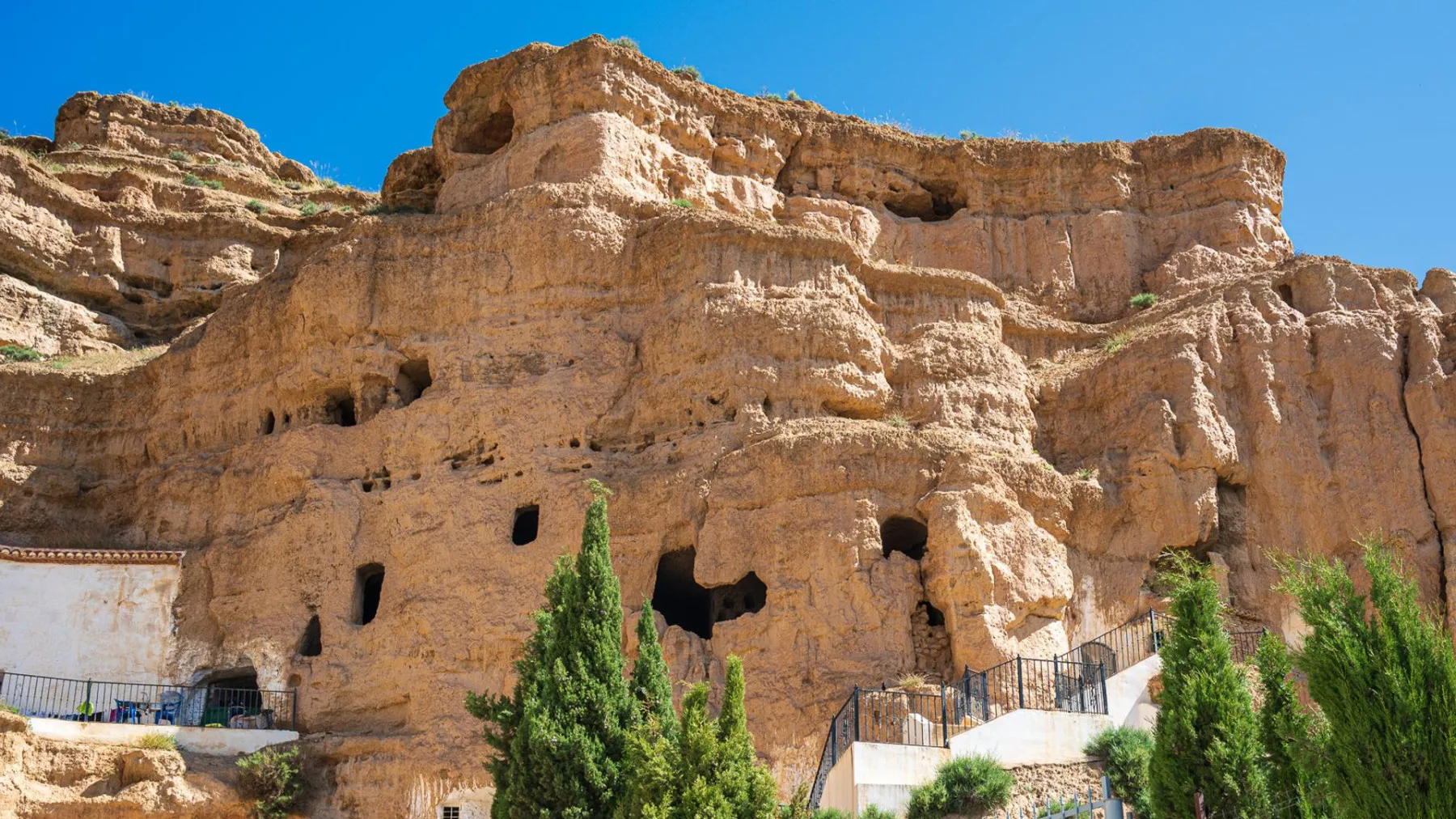
Less than an hour from Granada, in a land that looks as if it was lifted from another planet, people have lived underground for centuries - and wouldn't trade that home for anything. The area around Guadix is the heart of the largest inhabited cave complex in Europe: over 15,000 inhabited caves, more than 2,000 of them in Guadix itself.
The landscape formed millions of years ago, when this was the bottom of an ancient sea. Trapped among mountains and filled with sediment over five million years, the ground was then carved out by rivers - creating a dramatic land in grey, reddish, and ochre tones, with gorges and ridges like something from another world. The first documented cave dwellings appeared toward the end of the 10th century, after the collapse of the Caliphate of Córdoba, with defensive levels built using techniques brought by Berber tribes from the Atlas.
What makes these homes more than a tourist attraction today is simple physics. The clay keeps an interior temperature of 18 to 20 degrees year-round - cool in summer, warm in winter, with no electricity bill. The caves are earthquake-resistant, ecologically sustainable, and cheaper than an ordinary house. At „Las Cuevas de Cabila" in Benalúa, you sleep among hand-carved walls, with built-in stone furniture, a fireplace, and a view toward the Sierra Nevada.
The surroundings are just as incredible as the accommodation. The „End of the World" viewpoints near Beas and Marchal, „Cárcavas de Marchal" with its petrified landscape, Guadix with its cathedral where Gothic, Renaissance, and Baroque overlap, an 11th-century alcazaba, and the remains of a Roman amphitheater. And in the Gorafe desert, „Los Coloraos" guards over 200 dolmens - the largest concentration in Europe.
The gastronomy tells the same story of a hard but generous land: almonds and peaches, butter cheeses, cheese, wood-fired bread, roast kid goat, and „Tintilla de Granada" wines from vineyards at 1,300 meters of altitude. Emilio, a native of this region, says what no tourist brochure can: „Whoever tries to live in a cave won't trade it for anything." Maybe because underground, far from the noise, you finally listen to the silence.
The latest 10 news from this category
The royal couple walked yesterday into a pub the village bought back for itself. How many buildings like that sit...

Of twenty-five new inscriptions, five are natural - and only one is in Europe. For the richest of them, the...
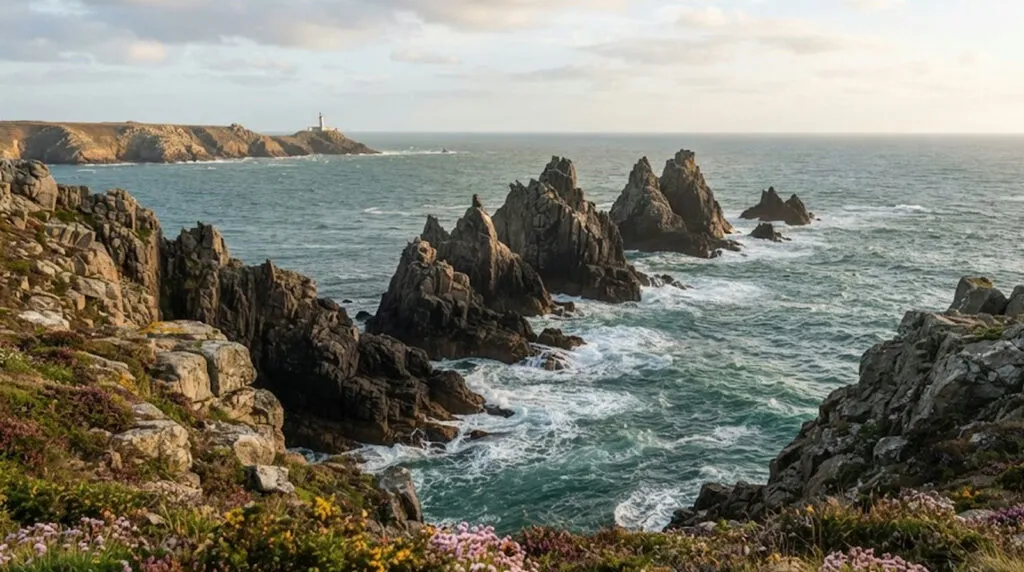
Fifty beaches, more than 120 villages and a trail France voted its favourite. Monet came for a few days and...
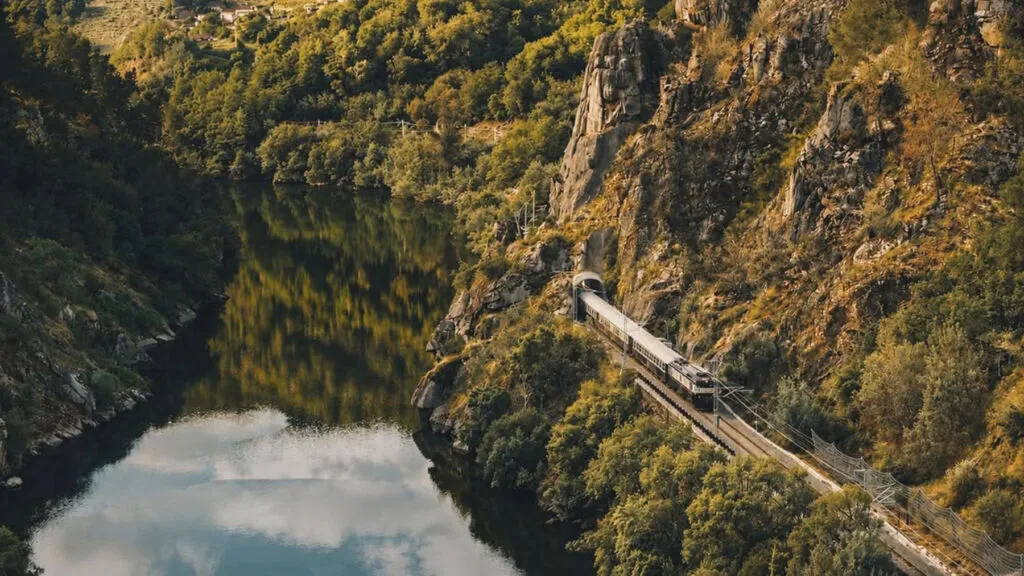
Restored carriages, a locomotive they call the Japanese Woman and a 28.95 euro return ticket. What it sells is not...
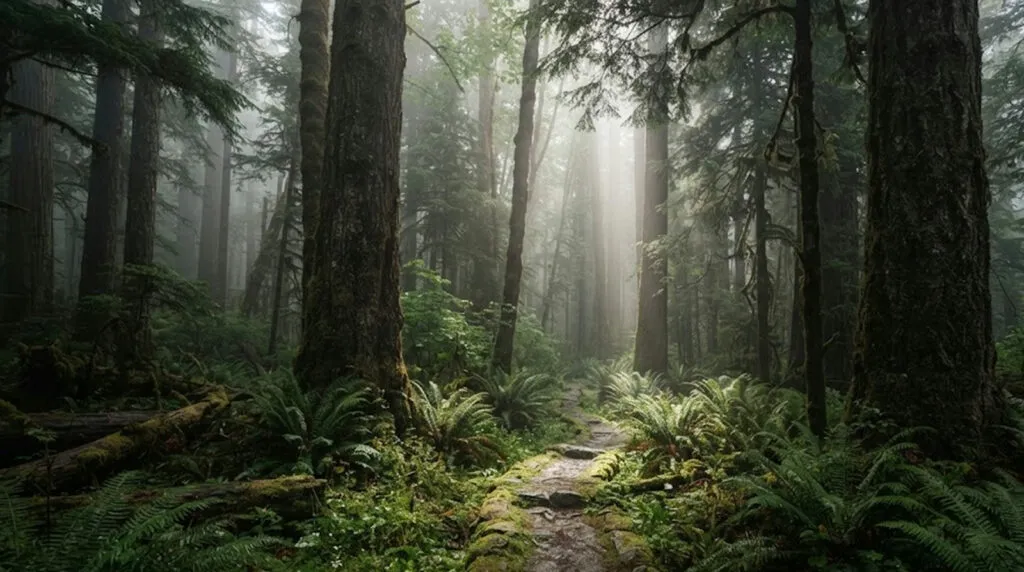
Two hundred and fifty tree species from every corner of the world, a monastery from 1628 and a palace that...
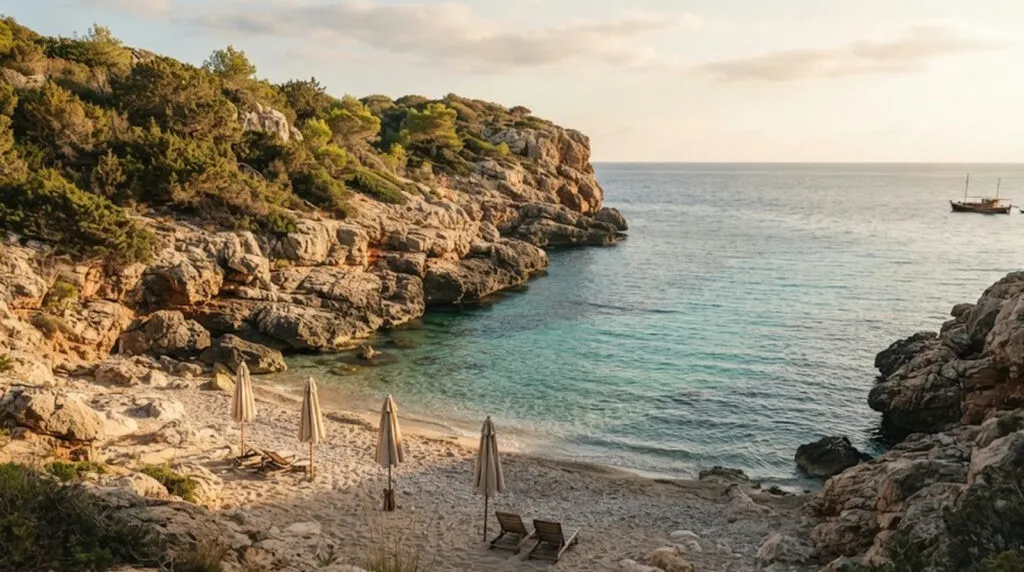
The same places cost more in August, look crowded and are experienced at half strength. The difference is made by...
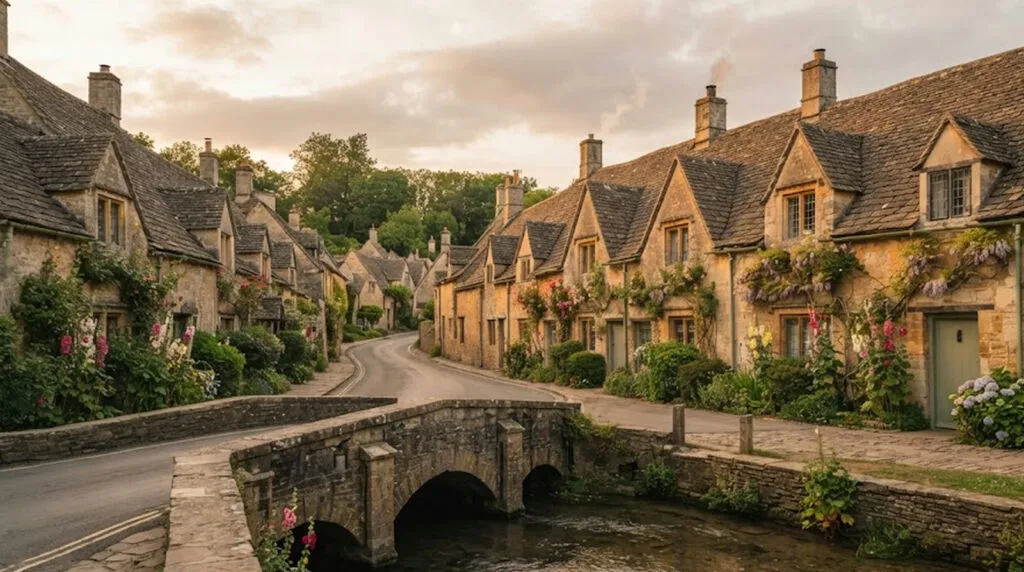
The Beckhams have a place there, so do Kate Moss and Ellen DeGeneres. But the Cotswolds needs none of those...

Down on the coast the buses pass each other with centimetres to spare and all you see is people. Up...
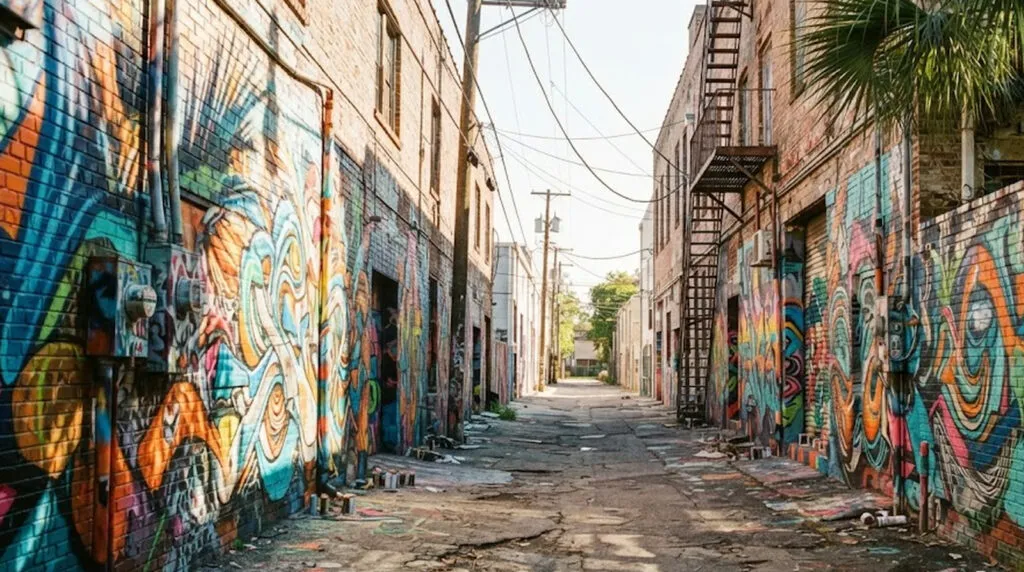
Empty warehouses, low rents and one real estate developer. A model we know without flying to Florida.
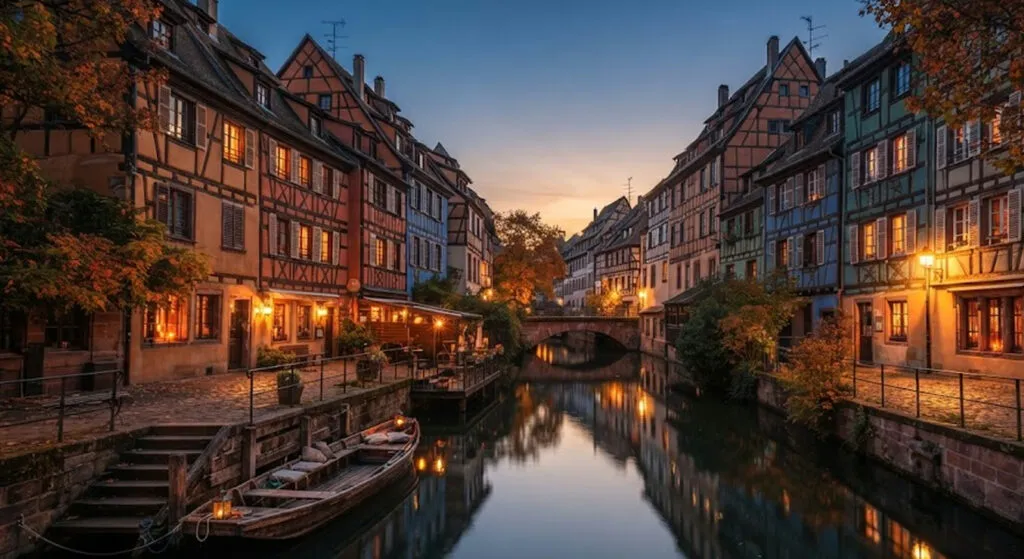
Old tanners' and dyers' workshops, built directly over the river. From 10 to 13 September the town puts boats and...
This site uses cookies - is that okay? Learn more
Be the first to know when Metla launches something new
Leave your email and we will write when there is a new guide or something new on Metla.
