
New Benches and Restored Pavilions in Skopje's Park Makedonija: Will They Survive a Single Winter Intact?
13.06.2026


13.06.2026

13.06.2026

13.06.2026

13.06.2026

13.06.2026

13.06.2026

13.06.2026

13.06.2026

13.06.2026
13.06.2026
13.06.2026

12.06.2026

13.06.2026

12.06.2026

11.06.2026

13.06.2026

13.06.2026

13.06.2026

13.06.2026

12.06.2026
12.06.2026

09.03.2026

27.02.2026

19.02.2026

13.06.2026

09.06.2026

22.05.2026

14.04.2026

07.11.2025
07.11.2025

23.04.2026

23.04.2026

12.04.2026

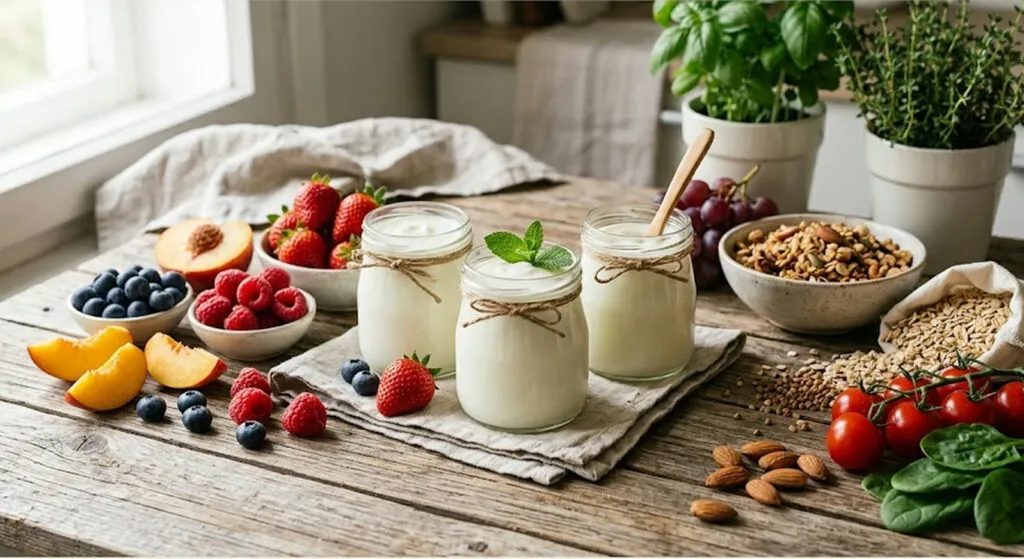
Every few months the internet uncovers a new "secret to longevity" - a fruit, a tea, a spice, whatever, as long as there's a simple answer. The latest star is yogurt, inspired by the life of Maria Branyas, who at 117 years and 168 days was the oldest person in the world before she died in August 2024. For years she ate three yogurts a day. It sounds like a ready-made recipe. It isn't.
The experts are clear: yogurt helps, but it works no miracles on its own. Dr. Manel Esteller of the Sant Pau hospital explains that yogurts carry probiotics - live bacteria that strengthen immunity. But the same expert adds that fiber from vegetables, fruit, legumes, and whole grains is just as important, because it's fiber that feeds the beneficial gut bacteria.
The most interesting fact isn't in the bowl, but in the cells. Epigenetic tests showed that Branyas's biological age was about 20 years younger than her real one. Her microbiota resembled that of someone far younger, with unusually low levels of inflammation - a factor science increasingly believes is key to healthy aging.
Studies of centenarians consistently show the same patterns: not smoking, little or no alcohol, a simple and balanced diet, a healthy weight, regular movement and - perhaps most important - strong family and friendship ties. Loneliness, it turns out, ages you faster than sugar.
The point the health industry doesn't want you to say out loud is simple: longevity rarely depends on a single food. Maria Branyas's three yogurts were one piece of a mosaic built over decades. It's easier to buy yogurt than to change your life - which is why the yogurt story sells, and the story of discipline, movement, and closeness doesn't.
The latest 10 news from this category
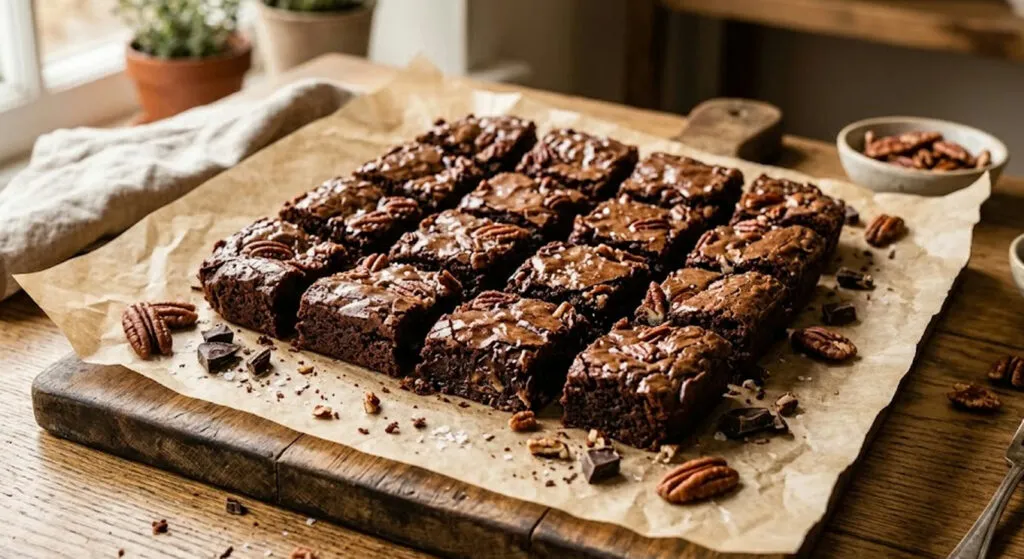
Two top Spanish pastry chefs argue over the most ordinary chocolate cake - and the real difference is made by...

American cabbage salad looks complicated, yet it's one of the easiest things to make at home. The whole secret isn't...

A famous singer admits she spent years thinking she couldn't sing. Doctors and engineers carry the same thing - people...

The secret isn't a mystical technique, but a handful of ingredients that change everything. One of the rare cuisines where...

Doctors say one minute of conscious breathing breaks the stress cycle. The way you breathe isn't a consequence of your...

The dish Greece defends as national is actually an Ottoman inheritance with a French floor on top. The whole secret...

At a time when every sad afternoon gets a diagnosis, the profession says: sadness is a tool, not a defect....
Jaw pain and a morning headache often share a hidden cause. But the first step is a doctor, not the...

The whole secret is one restaurant technique - smashing the meat while it's still soft. Crispy, juicy and fresh, no...

The secret isn't in the technique, it's in the fish. The less you add, the more the cod itself comes...