


The smoke over Skopje is coming from Kosovo: for the first time our helicopter is fighting a fire outside the country
04.09.2026


04.09.2026

04.09.2026

04.09.2026

04.09.2026

04.09.2026

04.09.2026

04.09.2026

03.09.2026

02.09.2026

04.09.2026

04.09.2026

03.09.2026
04.09.2026

04.09.2026
04.09.2026

04.09.2026

03.09.2026

02.09.2026
04.09.2026

04.09.2026

04.09.2026

04.09.2026
03.09.2026
02.09.2026

09.03.2026

27.02.2026

19.02.2026

04.09.2026

03.09.2026

02.09.2026

23.04.2026

23.04.2026

12.04.2026
Diana, Princess of Wales, died in 1997. Almost thirty years later her outfits are still quoted on runways, resold at auction and copied in collections made by designers born after her death. That does not happen to every famous woman, and it does not happen because she was famous.
It happens because she used clothes as a sentence, not as decoration.
When a dress is an answer
The best-known example is the black dress with embellished shoulders from 1991 - worn on precisely the day Charles publicly admitted his relationship with Camilla. The cut was tighter and shorter than anything court protocol allowed in that context. Nobody had to explain it. Everyone understood.
Before that, in 1982 and at her Australian debut in 1983, she wore an evening dress with an asymmetric cut that part of the British press judged too daring. Two years later she wore that same dress again, in Washington. That is not thrift. That is an answer.
The stylist who is rarely mentioned
Behind most of those decisions stood Anna Harvey, a former fashion editor who was her image adviser. She bought Diana her first Manolo Blahnik shoes and gave her unreserved support precisely in the periods when the criticism was loudest. She died in 2018, and her name rarely escapes the footnotes.
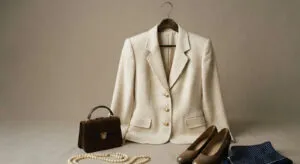
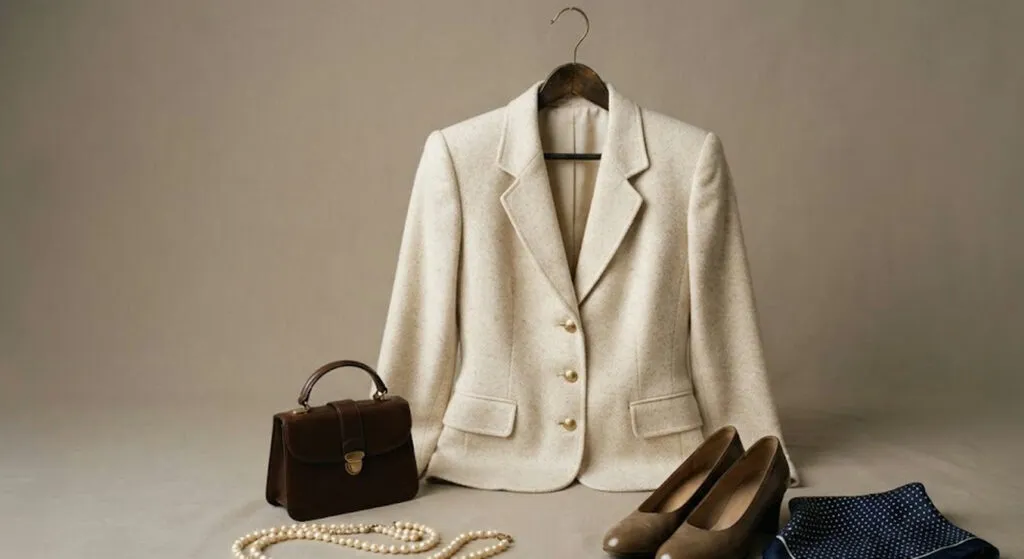
From the wardrobe: tailored jackets and skirts from the late eighties and early nineties, nipped at the waist, in a run of colours. A polka dot dress as a wedding guest. A checked Wichy dress that is still being recreated today. Sporty outfits from polo matches. Big shoulders, heeled sandals.
From the designers: Chanel, Dior, Versace, Ferragamo, Catherine Walker, David Emanuel for the wedding dress. Dior's small Lady bag is still sold as one of the house's most sought-after models - named after her and never withdrawn.
What of this applies here
None of these pieces is available, and that is not the point. The point is that her wardrobe worked because every choice was hers, in an environment where almost nothing belonged to her. That is why thirty years on it still reads as contemporary, while the wardrobes of far more expensively dressed people from the same period look like costumes for a fancy-dress event.
The latest 10 news from this category

NAD plus is real biochemistry, but it does not pass through skin. Inside is niacinamide, an ingredient decades old that...
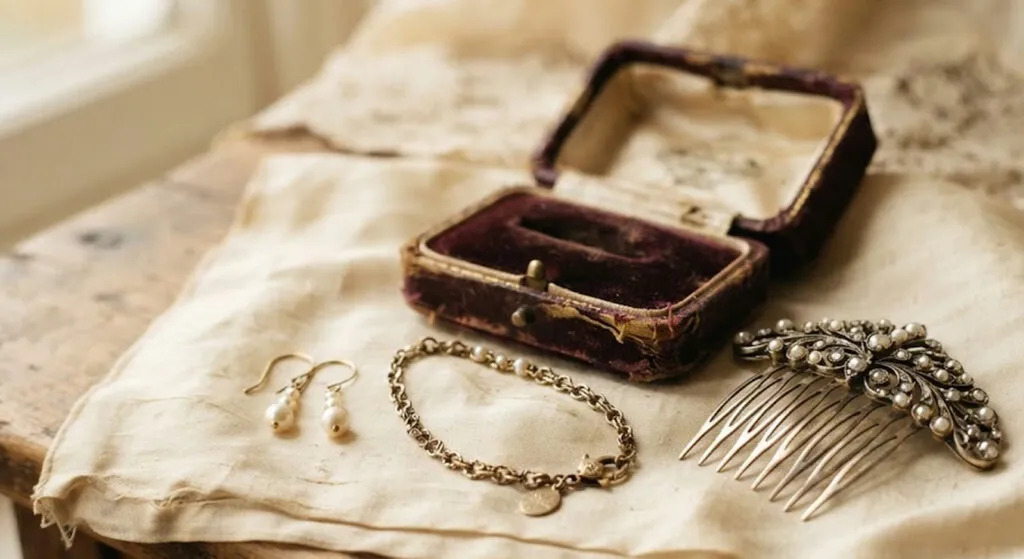
The rings and the inherited pieces are kept, the rest is borrowed. Not every piece of jewellery has to become...
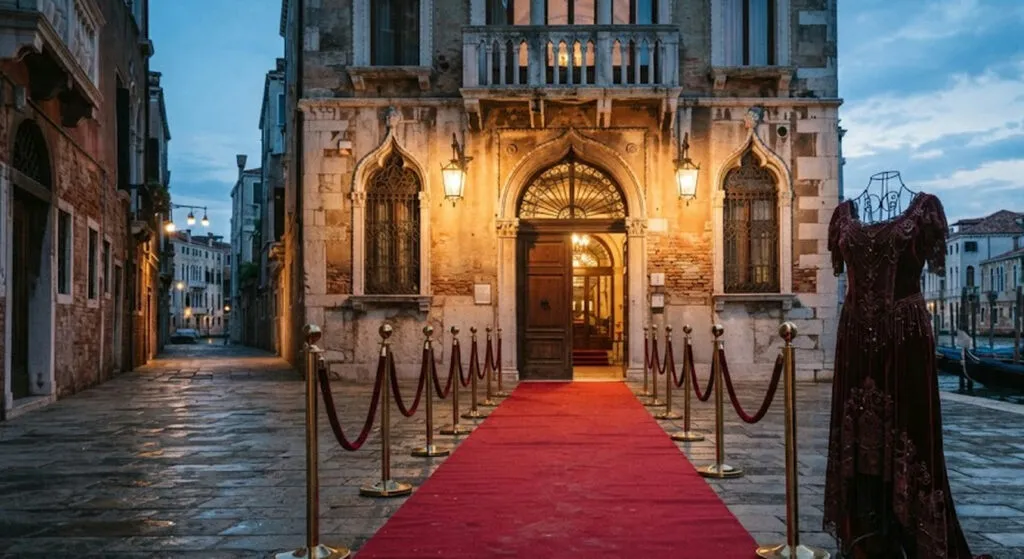
The world's oldest film festival opens its 83rd edition. Of all the appearances that stayed in the memory, not one...

The industry offers a mask, a serum and an ampoule. Hairdressers offer scissors - and with some of these cuts...
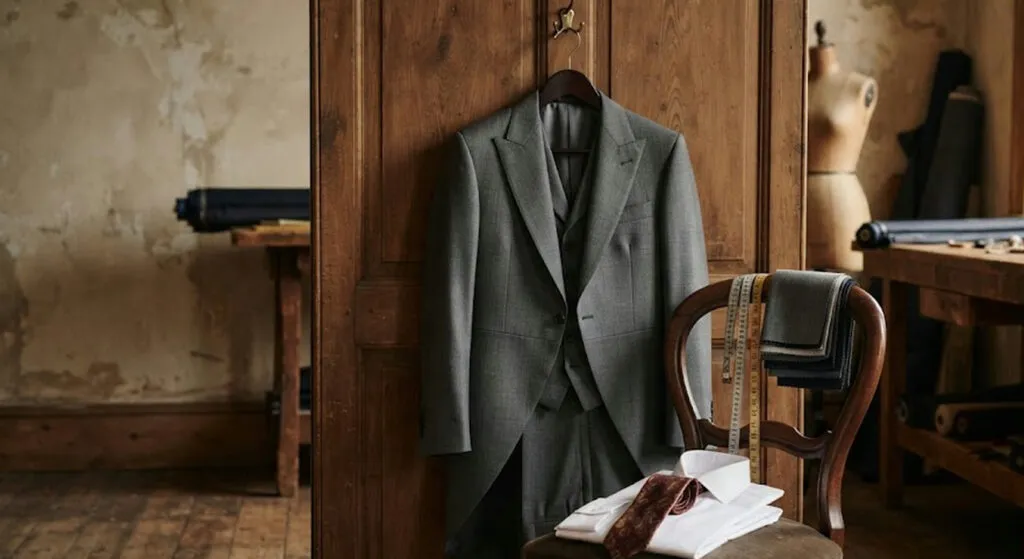
Tailcoat or dinner jacket, tie or bow tie, when the measuring starts. The decisions about menswear at a wedding are...

Fifteen degrees in the morning, twenty-eight in the afternoon. Outfit lists are built to show you that you do not...

NAD+ is the genuine coenzyme of the season. The problem is that it is too big for the skin barrier,...
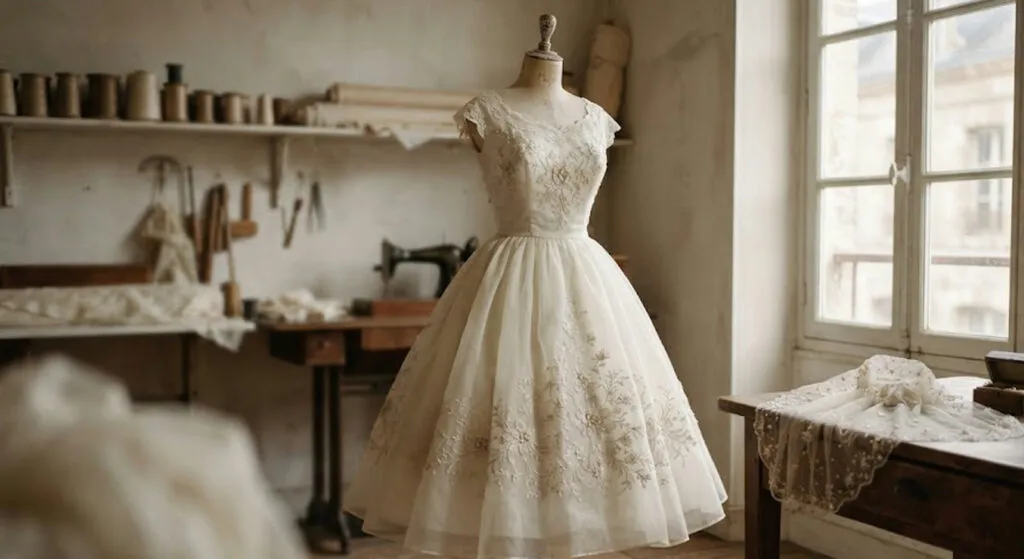
They met as children at the theatre, he was twelve, she was eleven. Five years later he was designing the...
"Real repair is not achieved through an exhibition or institutional recognition," the designer wrote. The sentence the industry did not...

Post-summer pigmentation affects around a third of women, and it shows up even on those who applied sunscreen diligently. The...
This site uses cookies - is that okay? Learn more
Be the first to know when Metla launches something new
Leave your email and we will write when there is a new guide or something new on Metla.
